In The Future of the Image, Jacques Ranci,re develops a fascinating new concept of the image in contemporary art, showing how art and politics have always been intrinsically intertwined.
How the leisure class has been replaced by a new elite, and how their consumer habits affect us allIn today's world, the leisure class has been replaced by a new elite.
Empire of Ecstasy offers a novel interpretation of the explosion of German body culture between the two wars-nudism and nude dancing, gymnastics and dance training, dance photography and criticism, and diverse genres of performance from solo dancing to mass movement choirs.
Provides an aesthetic and historical overview of and new critical insights into Paul Wegener's great 1920 film, recognized at the time as a breakthrough in German cinema.
Revitalizes Alexander Kluge's classic 1979 film, showing it to be not just great storytelling but also an exploration of the poetic force of Frankfurt School Critical Theory.
By exploring the concept of the "e;tender gaze"e; in German film, theater, and literature, this volume's contributors illustrate how perspective-taking in works of art fosters empathy and prosocial behaviors.
A new and innovative approach to Latin American Studies which makes an important contribution to contemporary debates about cultural appropriation and the integration of immigrant communitiesWinner of the 2016-17 AHGBI/Spanish Embassy Publication PrizeThis book focuses on the contemporary production and consumption of Latin American culture in the UK through the lens of the !
Offers not only a close reading but also a film-historical contextualization of Phoenix, constituting the most significant and thorough study of Petzold's film to date.
A guide through the many aspects of Wenders's groundbreaking film, employing archival research to bring out new insights into its making and its meanings.
The "e;Me"e; in the title is a comparatively unknown Marx named Julius (1895-1977), who, under the nom de plume of Groucho, enjoyed a sensational career on Broadway and in Hollywood with such comedy classics as Animal Crackers, Monkey Business, Horse Feathers, Duck Soup, A Night at the Opera, and A Day at the Races.
In To the Actor Michael Chekhov has recorded brilliantly the results of his many years of experimenting, testing and verifying in the professional theater and schools of the theater.
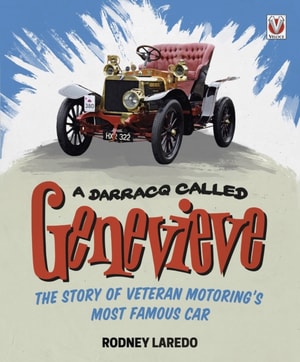
A Darracq called Genevieve is the story of the car that starred in the Bafta award-winning Genevieve, Best British Film of the coronation year 1953 with an Oscar nominated music score by harmonica player Larry Adler.