Nadezhda Ptushkina's plays reflect her keen interest in constructing multidimensional characters that reflect the myriad ways people are affected by today's turbulent world.
A feminist study of the mood, texture, tone, and multifaceted meaning of director Sofia Coppola s aesthetic through her most influential and well-known films.
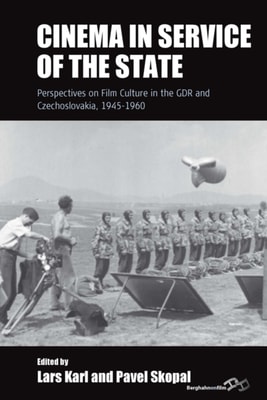
Contrary to the assumption that Western and Eastern European economies and cinemas were very different from each other, they actually had much in common.
As living subjects rather than static icons, studio-era Hollywood actresses actively negotiated a balance between their public personas, film roles, and corporeal presence.
The works of popular Spanish film directors Julio Medem, Juan Jose Bigas Luna, and Jose Luis Guerin are newly appraised in relation to their engagement with alternative national and cinematic subjectivities.
Jews have been well represented in the cinema industry from the beginning of the film era: behind the screen, as producers, distributors, directors, script-writers, composers, set designers; and on the screen, as Jewish actors and as named Jewish characters in the film's plot.
The trajectory of Hong Kong films had been drastically affected long before the city s official sovereignty transfer from the British to the Chinese in 1997.
There has been a recent revival of interest in the work of Polish film director Walerian Borowczyk, a label-defying auteur and escape artist if there ever was one.
West German cinema of the 1960s is frequently associated with the emergence of a new generation of filmmakers, collectively known by the 1970s as the "e;New German Cinema.
The national cinemas of Czechoslovakia and East Germany were two of the most vital sites of filmmaking in the Eastern Bloc, and over the course of two decades, they contributed to and were shaped by such significant developments as Sovietization, de-Stalinization, and the conservative retrenchment of the late 1950s.
Subjective Realist Cinema looks at the fragmented narratives and multiple realities of a wide range of films that depict subjective experience and employ subjective realist narration, including recent examples such as Mulholland Drive, Memento, and Eternal Sunshine of the Spotless Mind.
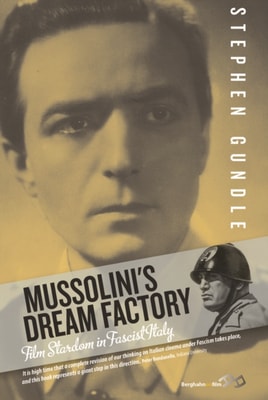
The intersection between film stardom and politics is an understudied phenomenon of Fascist Italy, despite the fact that the Mussolini regime deemed stardom important enough to warrant sustained attention and interference.
Unlike previous studies of the Soviet avant-garde during the silent era, which have regarded the works of the period as manifestations of directorial vision, this study emphasizes the collaborative principle at the heart of avant-garde filmmaking units and draws attention to the crucial role of camera operators in creating the visual style of the films, especially on the poetics of composition and lighting.
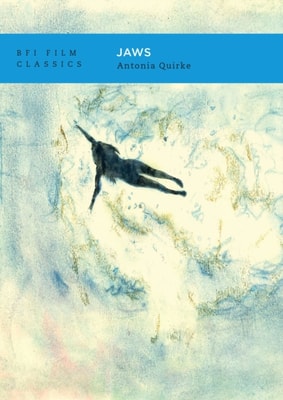
This study of Jaws (1975) examines how Steven Spielberg's breakout film not only redefined the thriller but also pioneered the summer blockbuster, cementing his reputation as a master filmmaker.
Women in Irish Film: Stories and storytellers is an interdisciplinary collection that critically explores the contribution of women to the Irish film industry as creators of culture - screenwriters, directors, producers, cinematographers, editors, animators, film festival programmers and educators.
Offers not only an analytical study of the films of Herzog, perhaps the most famous living German filmmaker, but also a new reading of Romanticism's impact beyond the nineteenth century and in the present.
Rocco focuses on Gabriel Garcia Marquez's relations with the world of cinema and gives us the first detailed study of the author's wide-ranging filmography.
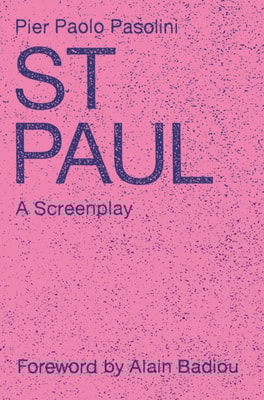
Presented here for the first time in English is a remarkable screenplay about the apostle Paul by Pier Paolo Pasolini, legendary filmmaker, novelist, poet, and radical intellectual activist.
In his classic sequence of films, Patrick Keiller retraces the hidden story of the places where we live, the cities and landscapes of our everyday lives.
Novelist, comics writer, scriptwriter, poet, occasional artist - a master of several genres and inadvertent leader of many cults - there are few creative avenues Neil Gaiman hasn't ventured down.