From the New York Times-bestselling author of The Searchers, the revelatory story behind the classic movie High Noon and the toxic political climate in which it was created.
Filled with classic photography of the film's famous cast, this new collector's edition Gone With the Wind is a celebration of one of the world's favorite Hollywood epics.
Thanks to his prolific movie career (seventy-eight movies and counting) and endearing real-life persona, Keanu Reeves has become the universal screen saver of pop culture-nobody can go a few days without some reference to Keanu or his movies popping up.
Through interviews with current ASC cinematographers, and a balance between technical, aesthetic, and historical content, this book guides the director into a powerful collaboration with their closest on-set ally.
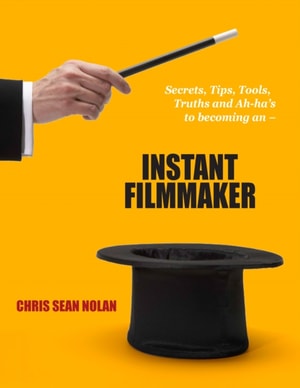
If you dream of making a movie but don't know where to start or you're afraid that your film will end up being yet another unseen indie, this is the book for you.
Martin Scorsese directs films that range from the subtlest studies of relationships to violent gangster movies, with characters who are driven to the extremes of their personality.
The book's journey into the future of television begins with "e;You Are Here,"e; delving into "e;The Great Convergence"e; of television and Internet and the vortex of change we all inhabit now.
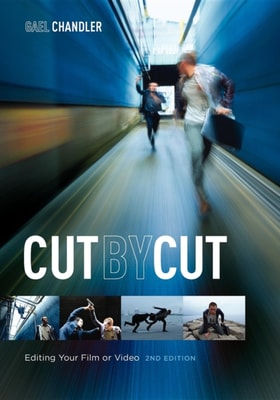
This second edition of Cut by Cut: Editing Your Film or Video covers the current landscape of postproduction process, taking the reader step by step through the editor's journey from receiving dailies to delivering on film, tape, file, or disk for YouTube, cinema, Blu-ray, or TV.
The first half of this book is devoted to teaching a systemized approach that can be used to design the very best moving shot for any dialogue scene, no matter how complex or long.
While other books give you tips on how to "e;write funny,"e; this book offers a paradigm shift in understanding the mechanics and art of comedy, and the proven, practical tools that help writers translate that understanding into successful, commercial scripts.
Writing the Science Fiction Film describes the kinds of stories that work best as science fiction, explores the parameters of the science fiction genre, and shows what science fiction can offer to writers that other genres cannot.
Legendary screenwriting instructor and award-winning writer Paul Chitlik presents an easy-to-read, step-by-step process to take your script from first draft to submission.
Crowdfunding for Filmmakers offers practical information, tips, and tactics for launching a successful film campaign by detailing traditional models of fundraising, utilizing today's technological and social innovations, and augmenting each step with an added personal touch.
"e;Instant Filmmaker is a power-packed toolbox for both filmmaker rookies and veterans of ultra-crucial "e;how-to's"e; and shortcuts-to-success that blows the lid off uncertainty, weed-whacks through confusion, jacks-up inspiration, and encouragingly smacks you in the brain and butt.
The book reveals how the editor like a magician manipulates his audience by using sleight of hand and seduces them by anticipating their needs and desires.
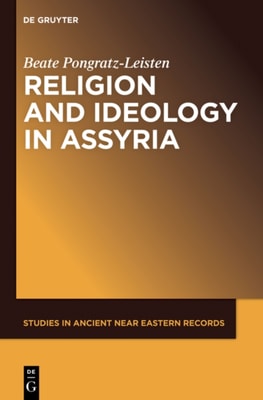
Addressing the relationship between religion and ideology, and drawing on a range of literary, ritual, and visual sources, this book reconstructs the cultural discourse of Assyria from the third through the first millennium BCE.
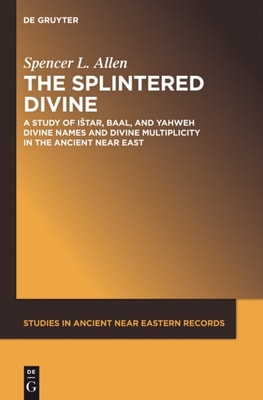
This book investigates the issue of the singularity versus the multiplicity of ancient Near Eastern deities who are known by a common first name but differentiated by their last names, or geographic epithets.
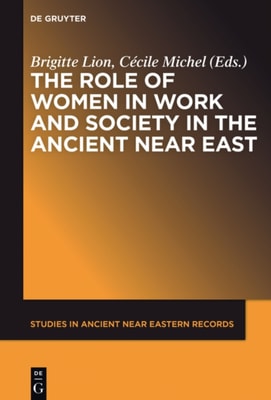
Economic history is well documented in Assyriology, thanks to the preservation of dozens of thousands of clay tablets recording administrative operations, contracts and acts dealing with family law.
This volume examines the state ideology of Assyria in the Early Neo-Assyrian period (934-745 BCE) focusing on how power relations between the Mesopotamian deities, the Assyrian king, and foreign lands are described and depicted.
Addressing the relationship between religion and ideology, and drawing on a range of literary, ritual, and visual sources, this book reconstructs the cultural discourse of Assyria from the third through the first millennium BCE.
Economic history is well documented in Assyriology, thanks to the preservation of dozens of thousands of clay tablets recording administrative operations, contracts and acts dealing with family law.