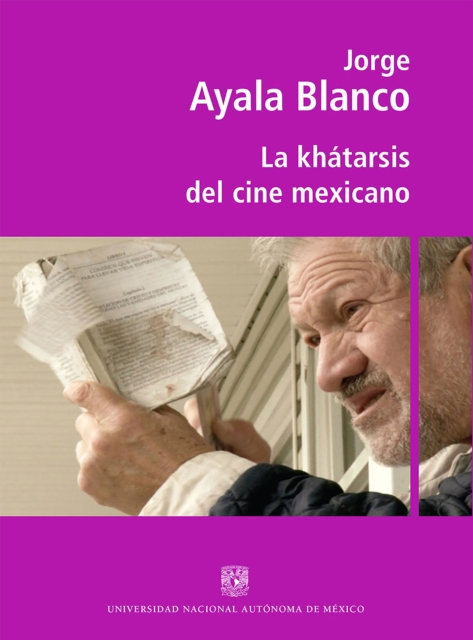
La decimosexta entrega del celebre abecedario del cine mexicano, presenta en exclusiva material inedito de la investigacion en curso del critico cinematografico con mayor trayectoria en nuestro pais.
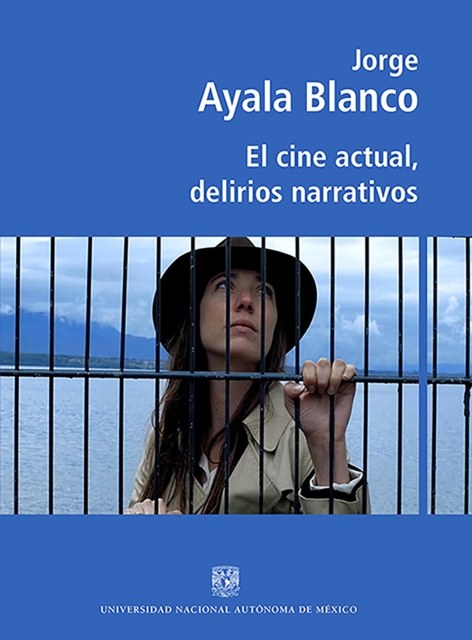
La undécima entrega del ya canónico alfabeto del cine nacional está integrada por textos analíticos, igualmente rigurosos y respaldados teórica y metodológicamente por el nutrido bagaje de uno de los investigadores y críticos con mayor reconocimiento y trayectoria en México.
El presente y amplio volumen abarca la critica de trece turbulentos anos de produccion cinematografica nacional (1973-1985), y a la vez refleja la voragine de un pais lleno de cambios politicos y sociales.
Partiendo de la premisa de que "e;El cine ya no narra, delira relatos"e;, pues la invencion formal extrema ha quedado por encima de la anecdota, la urdimbre dramatica, el tema y el discurso, Ayala Blanco configura una compleja clasificacion de delirios que no por subjetiva deja de captar la esencia de cada pelicula, para situarla en la mesa de diseccion y dar cuenta de su singularidad y sus rasgos compartidos.
Hollywood Confidential is the first truly in-depth look at the sexy, humorous, violent, and tragic history of the mob in Hollywood from the 1920s, when Joe Kennedy decided to buy a motion picture company, to the 1980s when the last vestiges of mob influence were revealed through investigations of former Screen Actors Guild President Ronald Reagan and his union backers.
Explore the worlds of a galaxy far, far away with incredible cross-sections, featuring 9 years' worth of new content from Star Wars films and TV series.
'A blast' - Ian Rankin'A lively celebration of 1980s action stars' - The Times'Hugely entertaining' - Edgar WrightNow with BONUS MATERIAL, from the editor of Empire magazine this is the behind-the-scenes story of the golden age of the action movie, the stars who ruled 80s and 90s Hollywood and the beloved films - from Die Hard to The Terminator - that made them famous.
Este libro actualiza el panorama critico, académico y cinéfilo sobre el cine documental mediante un conjunto de indagaciones recientes que abordan un territorio audiovisual complejo, multiforme y en continua expansión.
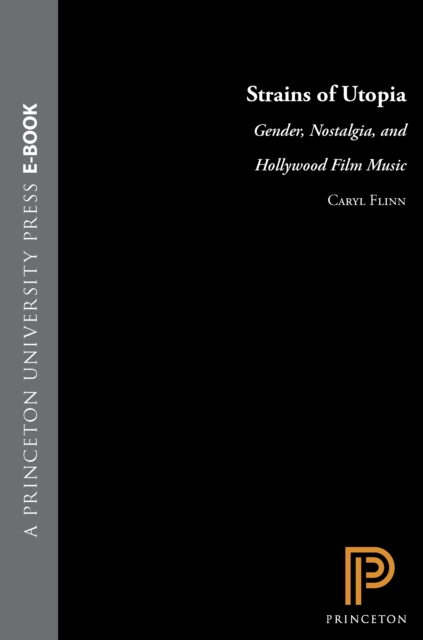
When Dmitri Tiomkin thanked Johannes Brahms, Johann Strauss, Richard Strauss, and Richard Wagner upon accepting the Academy Award for his score of The High and the Mighty in 1954, he was honoring a romantic style that had characterized Hollywood's golden age of film composition from the mid-1930s to the 1950s.
[…] la figura, no entendida como imagen fílmica, sino como operación figural del lenguaje –donde puede haber imagen, pero donde también están presentes las otras series para la producción de sentido del cine (palabra, música, montaje, etc.
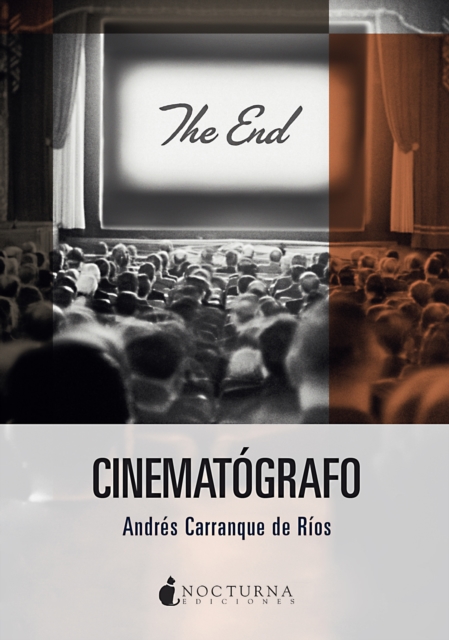
Con una marcada influencia de Galdós y de Dos Passos, Cinematógrafo se publicó en 1936, cuando el joven Carranque de Ríos se había granjeado la admiración de escritores como Baroja y ya le quedaban pocos meses de vida.
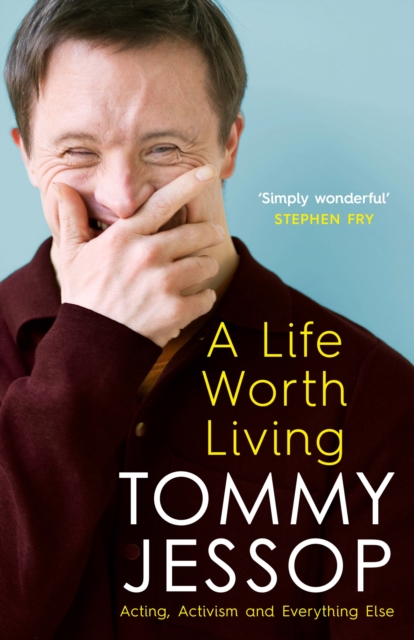
'I can't recommend it highly enough' STEPHEN FRY | 'Everyone needs to hear his voice' MARK HADDONI'm a man on a mission to show that life with Down syndrome can be exciting and is worth living, so that other people understand and give us the chance to live life to the full and to be fulfilled.
Sex und Crime, harte Kerle und willige Frauen, knallende Schießeisen und schnelle Autos, schlitzende Messer und harte Prügel, Kungfu und Monster: Exploitation-Kino zielt auf die niedereren Instinkte.
Sex und Crime, harte Kerle und willige Frauen, knallende Schießeisen und schnelle Autos, schlitzende Messer und harte Prügel, Kungfu und Monster: Exploitation-Kino zielt auf die niedereren Instinkte.
Margaret Mitchell was as complex and compelling as her legendary heroine, Scarlett O'Hara, and her story is as dramatic as anything out of her own imaginationindeed, it is the basis for the legend she created.
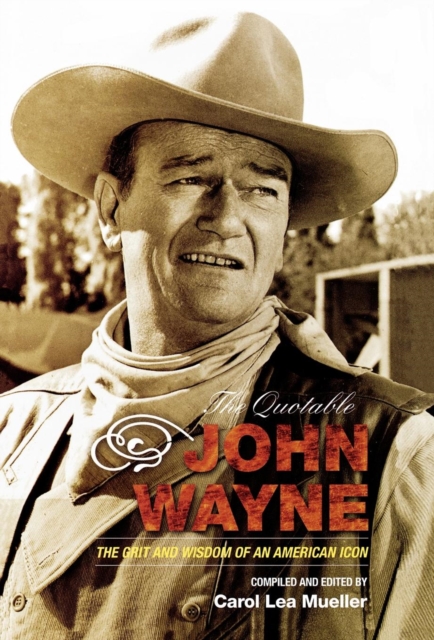
Perhaps best known for his classic movie lines, such as Fill your hands, you sons-a-bitches from True Grit, the late actor John Wayne often displayed a spontaneous and biting wit away from the screen as well.
Emphasizing the importance of cultural theory for film history, Giuliana Bruno enriches our understanding of early Italian film as she guides us on a series of "e;inferential walks"e; through Italian culture in the first decades of this century.
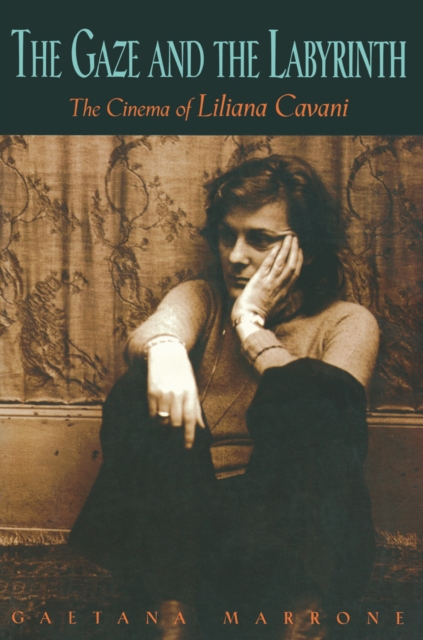
In this, the first comprehensive book on Liliana Cavani, Gaetana Marrone redraws the map of postwar Italian cinema to make room for this extraordinary filmmaker, whose representations of transgressive eroticism, spiritual questing, and psychological extremes test the limits of the medium, pushing it into uncharted areas of discovery.
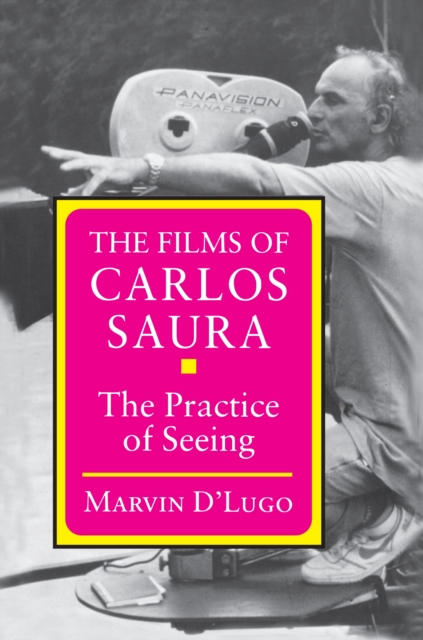
Spanish filmmaker Carlos Saura, who began his career under the censorship of Franco's regime, has forged an international reputation for his unique cinematic treatment of emotional and spiritual responses to repressive political conditions.
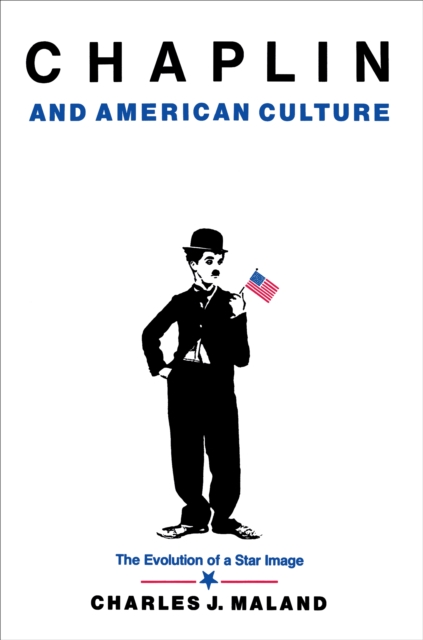
Charles Maland focuses on the cultural sources of the on-and-off, love-hate affair between Chaplin and the American public that was perhaps the stormiest in American stardom.
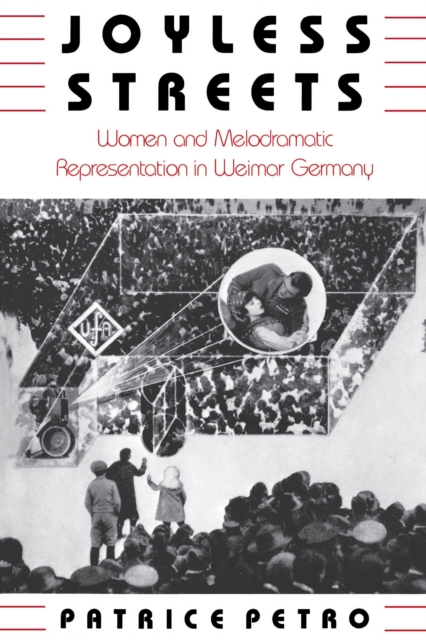
Patrice Petro challenges the conventional assessment of German film history, which sees classical films as responding solely to male anxieties and fears.
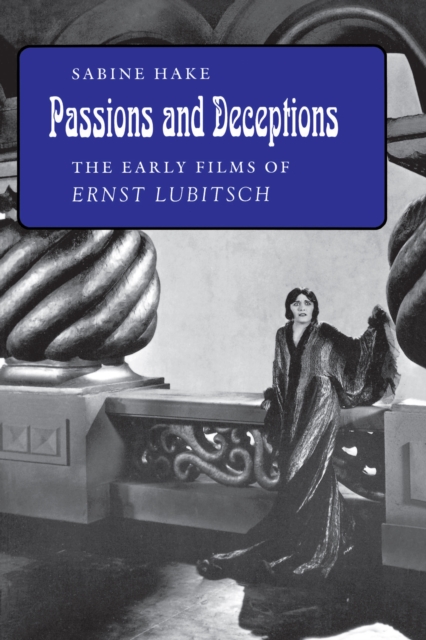
A collaborator with Warner Brothers and Paramount in the early days of sound film, the German film director Ernst Lubitsch (1892-1947) is famous for his sense of ironic detachment and for the eroticism he infused into such comedies as So This Is Paris and Trouble in Paradise.
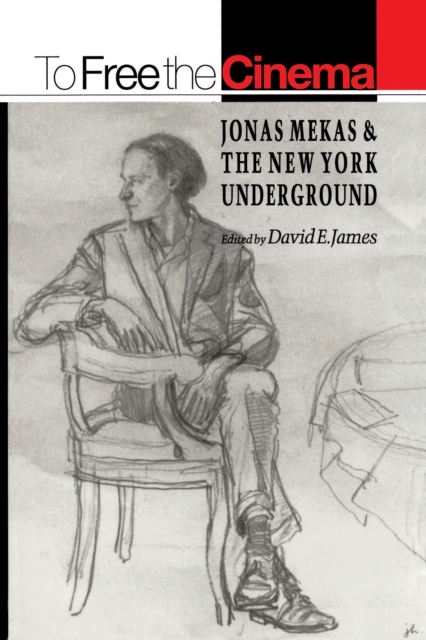
Jonas Mekas, one of the driving forces behind New York's alternative film culture from the 1950s through the 1980s, made for an unlikely counterculture hero: a Lithuanian emigr and fervent nationalist from an agrarian family, he had not grown up with either capitalist commercialism or the postwar rebellion against it.
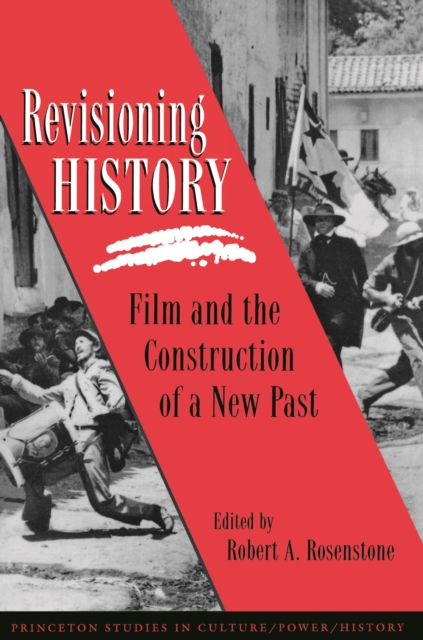
In Revisioning History thirteen historians from around the world look at the historical film on its own terms, not as it compares to written history but as a unique way of recounting the past.
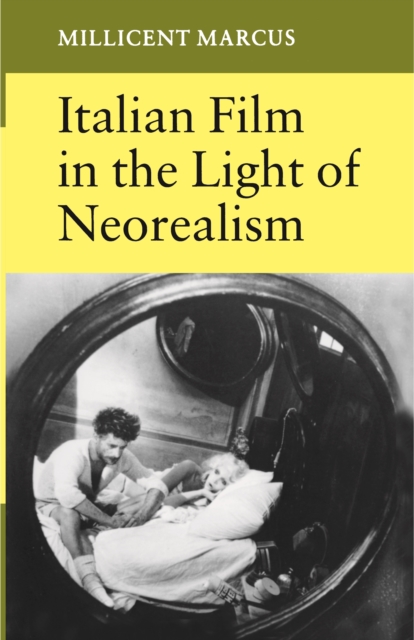
The movement known as neorealism lasted seven years, generated only twenty-one films, failed at the box office, and fell short of its didactic and aesthetic aspirations.
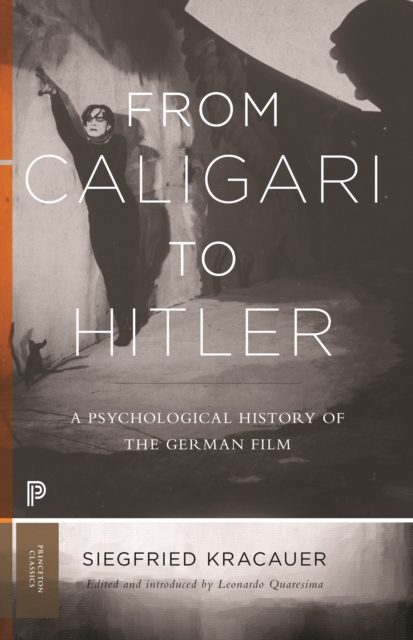
An essential work of the cinematic history of the Weimar Republic by a leading figure of film criticismFirst published in 1947, From Caligari to Hitler remains an undisputed landmark study of the rich cinematic history of the Weimar Republic.
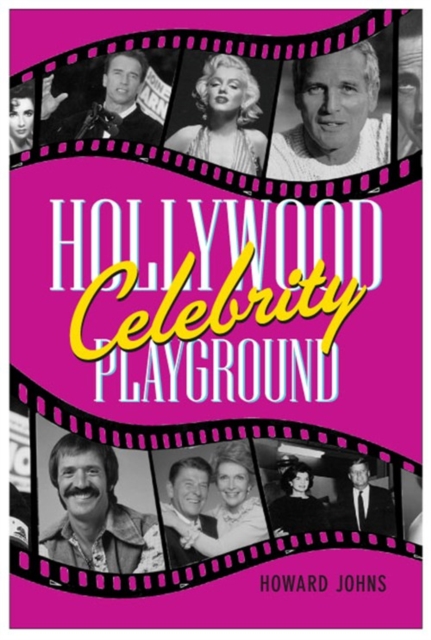
With Hollywood's Celebrity Playground, Howard Johns picks up where his Palm Springs Confidential left off-this time covering the other fabled desert resort towns that stretch from Hollywood to Las Vegas.
Desmenuzar el drama propone una metodología para entender la dirección cinematográfica desde el momento de concebir una historia, en el caso de que el realizador sea a su vez el guionista, o trabajar la historia de un tercero para definir el modo en que la película será puesta en pantalla.