A caballo entre la literatura, el periodismo y la comunicación audiovisual, muy distintos modos expresivos integran la palabra facticia contemporánea, cuya vocación mimética busca dar cuenta, por vía testimonial o documental, de las realidades en curso.
La imagen en movimiento, que nació inaugurando un nuevo régimen de la representación visual, implica la aparición de una novedosa forma de retórica audiovisual que supera los límites del lenguaje cinematográfico clásico y favorece el desarrollo de formas de pensamiento inéditas que amplían el régimen del pensar basado en la palabra.
A lo largo de las páginas de este libro, el autor demuestra efectivamente cómo es posible, mediante el análisis e interpretación de los contenidos de las obras que escoge de la producción cinematográfica chilena a lo largo de cerca de medio siglo, conocer algunos de los problemas cruciales de la historia de este país desde la década de los sesenta hasta nuestros días, las diferencias y antagonismos que la han atravesado y las huellas que sus conflictos han dejado en la subjetividad de los chilenos y las chilenas.
Aquel hecho historico lleno de esperanza que se inauguro el primero de enero de 1959, que tanto alborozo, admiracion y expectativas desperto, cuando menos se ha convertido en parte de una articulacion mitica, que justifica las relaciones e instituciones en el llamado mundo revolucionario.
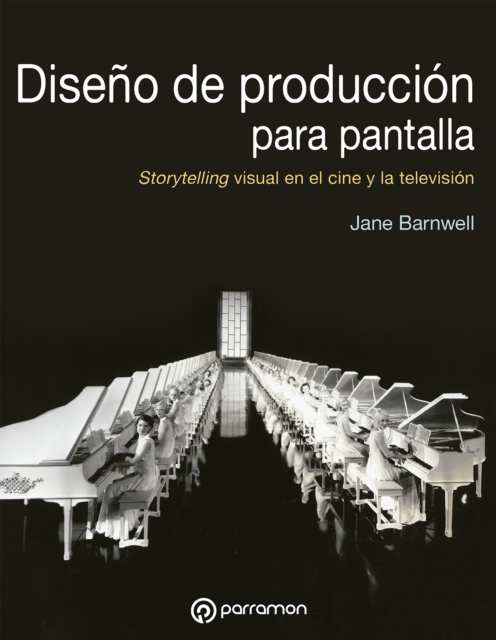
Un libro innovador, repleto de fotos fijas en color de películas, ilustraciones de preproducción exclusivas e imágenes de producción captadas entre bastidores, que homenajea la contribución de los diseñadores de producción a la storytelling o narrativa visual en la pantalla.
Las adaptaciones cinematográficas son, desde hace mucho tiempo, el principal soporte de la industria de Hollywood y de las cadenas de televisión norteamericanas.
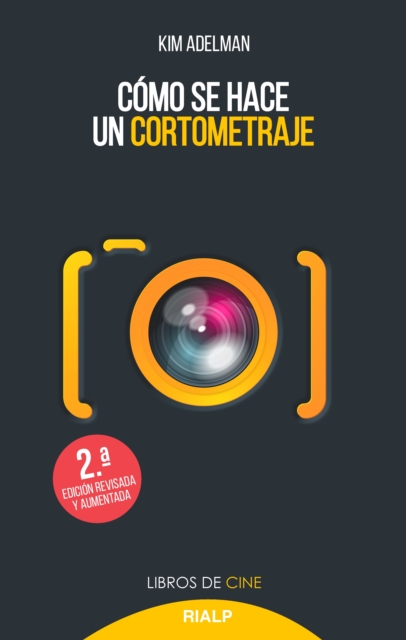
Manual breve y practico sobre el cortometraje, que reune los mejores secretos, recomendaciones y consejos de la autora, fruto de su larga experiencia entre guiones, actores y grandes festivales de cine.
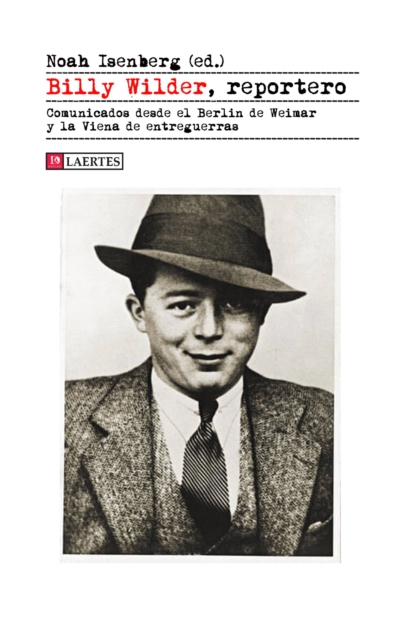
Billy Wilder, reportero reúne una selección de más de cincuenta artículos que Wilder (entonces conocido como "Billie") publicó durante aquellos años en revistas y periódicos.
A principis de setembre de 2018, l'excèntric equip d'Andergraun Films, liderat pel director Albert Serra i la productora i actriu Montse Triola, arriba a l'Alentejo, al sud de Portugal, per rodar la que serà la pel·lícula més provocadora i procaç del cineasta de Banyoles: Liberté, que acabarà guanyant el prestigiós premi especial del jurat al Festival de Cannes de 2019, dins la secció Un Certain Regard.
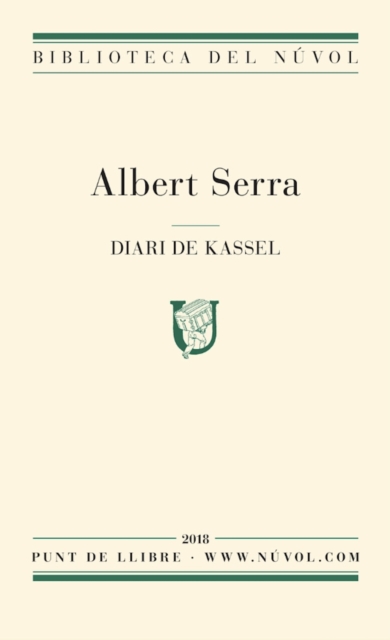
Núvol presenta un nou e-book, Diari de Kassel, d'Albert Serra, que recull una sèrie de cròniques publicades pel director al suplement Culturas de La Vanguardia l'any 2012.
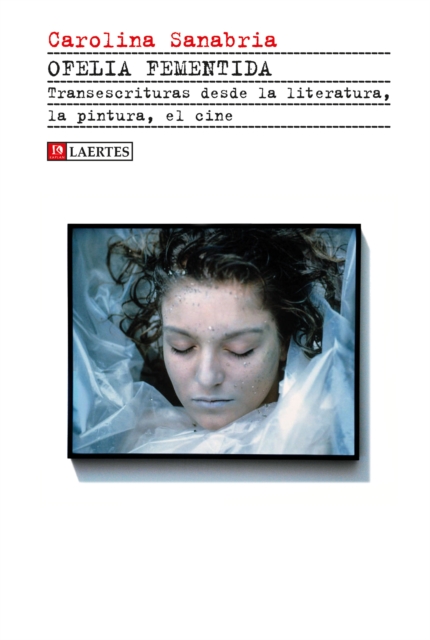
El pasaje de la muerte de Ofelia es el eje que articula este libro, que parte de su no escenificación en la escena crucial del drama hasta su recuperación en la pintura del siglo XIX y en las cinematografías y visualidades posteriores.
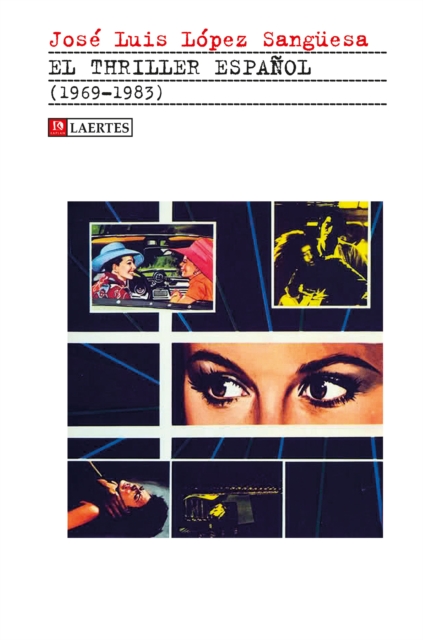
El cine español durante los gobiernos socialistas de las dos últimas décadas del XX se caracteriza por la fuerte crisis con la reducción del número de películas, la disminución de espectadores y el cierre de salas en un primer momento.
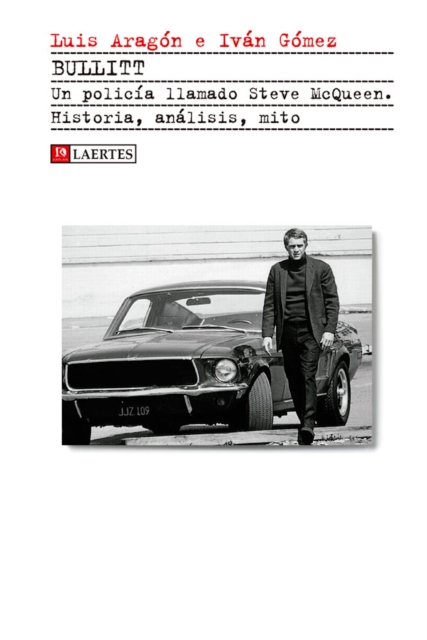
Bullitt sigue siendo recordada por la trepidante escena del Mustang en las calles de San Francisco: Steve McQueen, como el teniente Frank Bullitt, al volante de su icónico coche mientras persigue a dos asesinos e intenta resolver un caso plagado de engaños, giros inesperados y oscuros personajes.
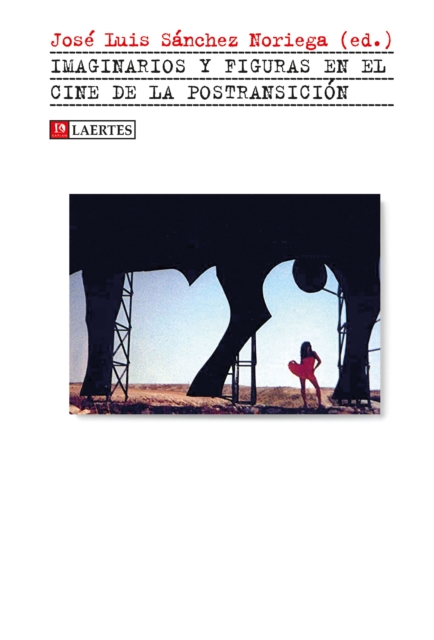
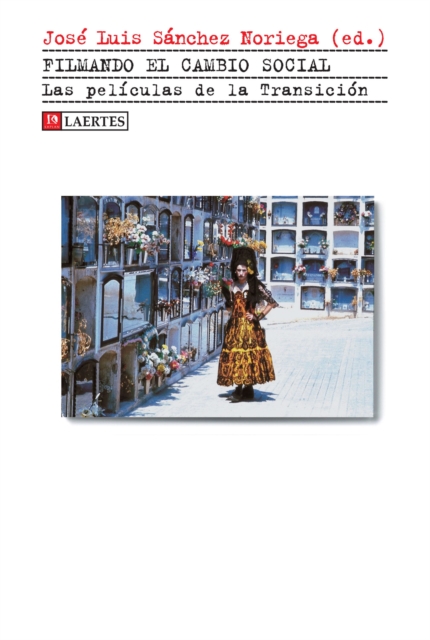
Volver sobre casi un centenar de películas del cine español de la Transición sirve para comprobar el cambio que experimenta la sociedad en pocos años: desde la represión y los tabúes sexuales, el autoritarismo familiar, la idealización de lo extranjero, el machismo, la sospecha frente a lo moderno, la ausencia de debate social.
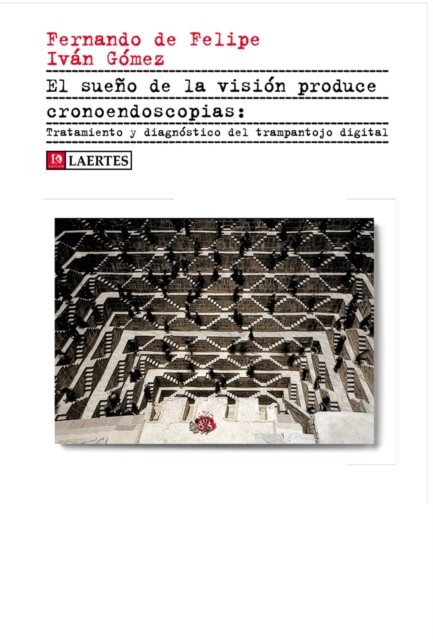
Cómodamente instalado en el corazón mismo de la cada vez más confortable caverna digital, el espectador contemporáneo ha acabado aceptando como perfectamente naturales un nuevo tipo de imágenes que, hasta hace bien poco, eran consideradas como prácticamente imposibles (cuando no directamente impracticables).
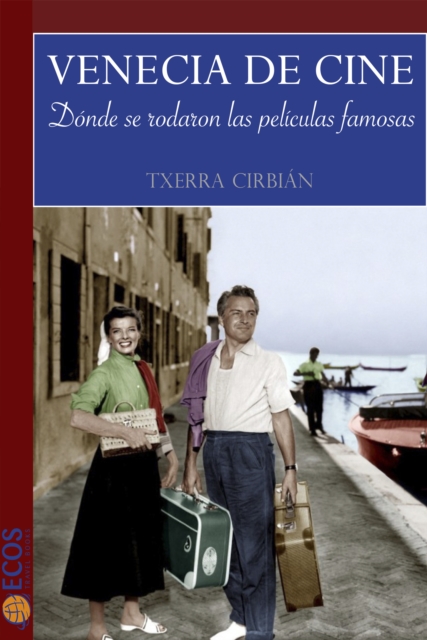
In this book you can discover where Steven Spielberg built a prisoner of war camp in Spain, where Katherine Hepburn's Troy was in Spain, or Auderey Hepburn's Nottingham, in Spain too.
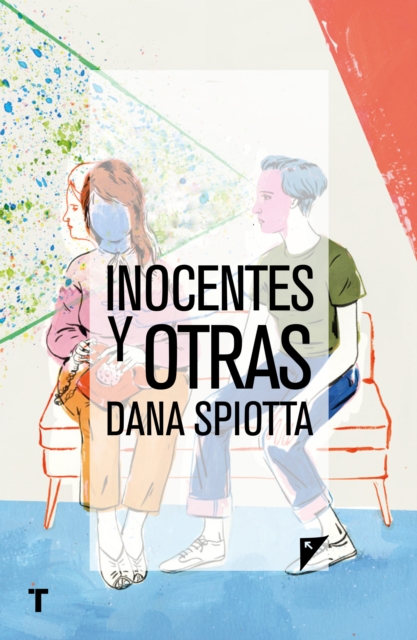
Sin duda la mejor novela hasta el momento de la "inmensamente talentosa Dana Spiotta" (Michiko Kakutani), autora finalista del National Book Award estadounidense y premio del Círculo de la Crítica del mismo país, Inocentes y otros es la historia de tres mujeres que buscan sentido en la amistad, el trabajo y el amor.
"ROUTE 66, FILA 7" es un viaje de cine por los grandes clásicos norteamericanos del Séptimo Arte, un recorrido que te transportará desde los años 30 hasta principios de los 60 con una revisión sentimental y emocional por todos aquellos grandes momentos que, aunque fueron ficción, siempre formarán parte de nuestra memoria.
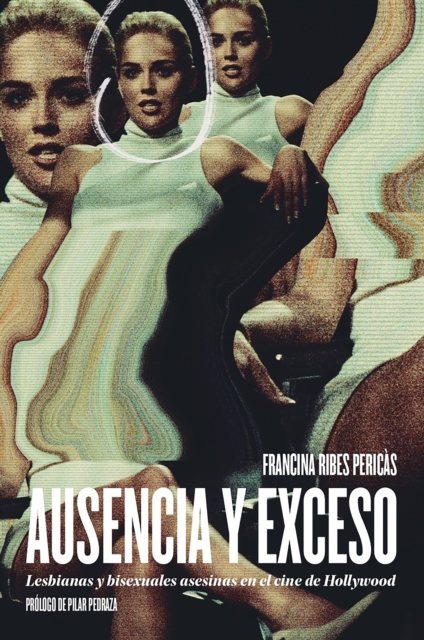
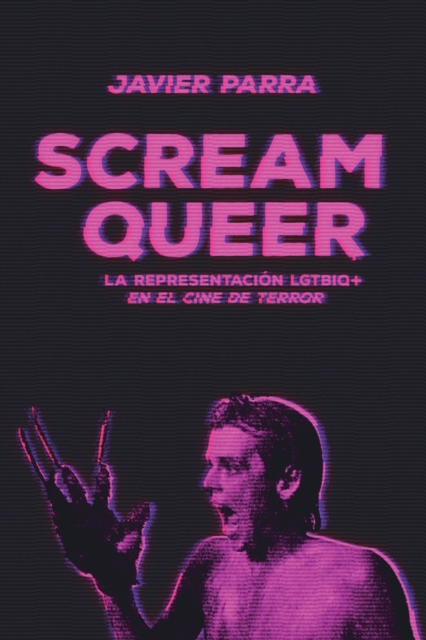
Hace treinta años se estrenó Instinto básico de Paul Verhoeven, película que levantó una fuerte polémica entre la comunidad LGTBIQ+ por la vinculación entre psicopatía y sexualidades no normativas.
Mi yo adolescente creció metido en un armario, creyendo que Clive Barker era la única persona abiertamente gay que se dedicaba a mi género favorito: el terror.
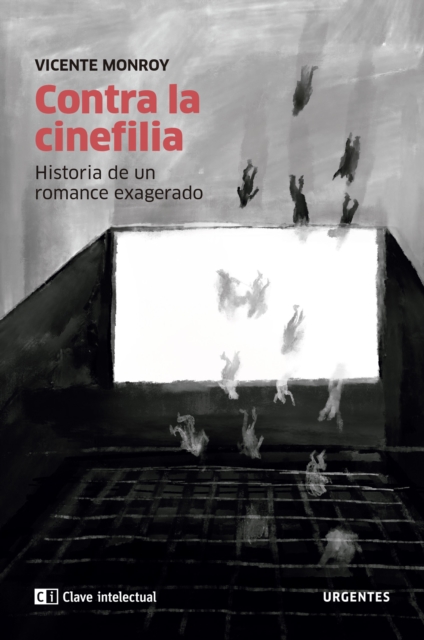
A partir de su propia experiencia cinéfila desbordada, Vicente Monroy desarrolla en este ensayo una apasionante historia de los mitos de la cinefilia y de sus argumentos fundamentales, de las múltiples formas en que el cine, ese arte joven pero siempre en crisis, ha llegado a enfermar a sus amantes.
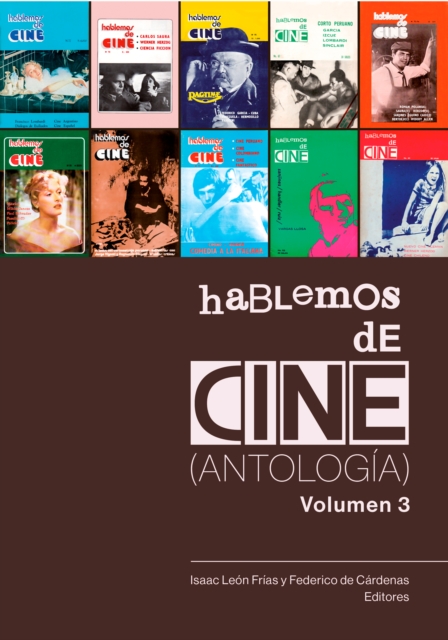
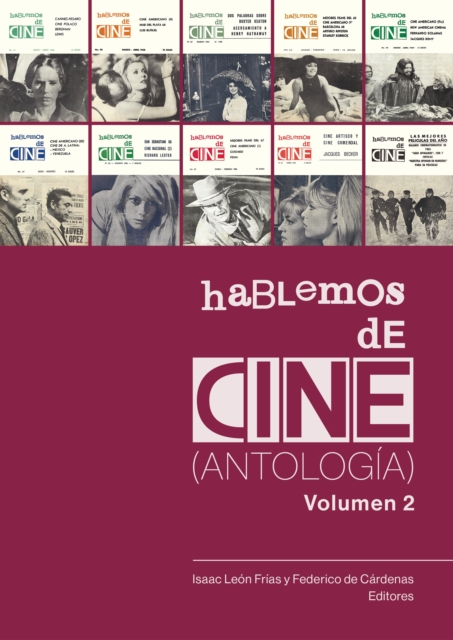
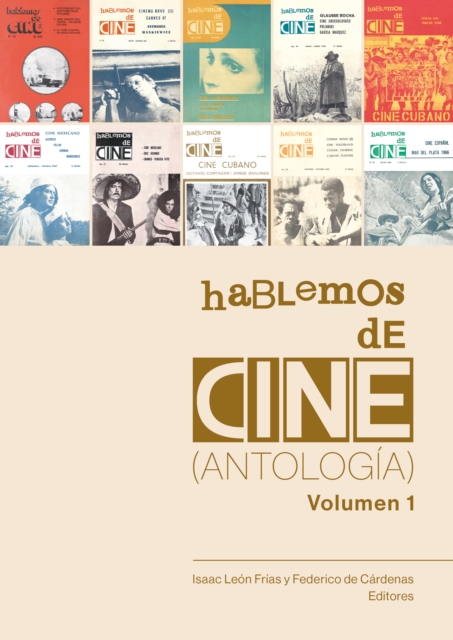
Este volumen, de gran amplitud, trata de recoger la participación del mayor número posible de redactores de Hablemos de Cine, incluyendo a los colegas extranjeros que colaboraron con nosotros en la sección Aquí Opinamos, que era la que reunía los comentarios analíticos de los films.
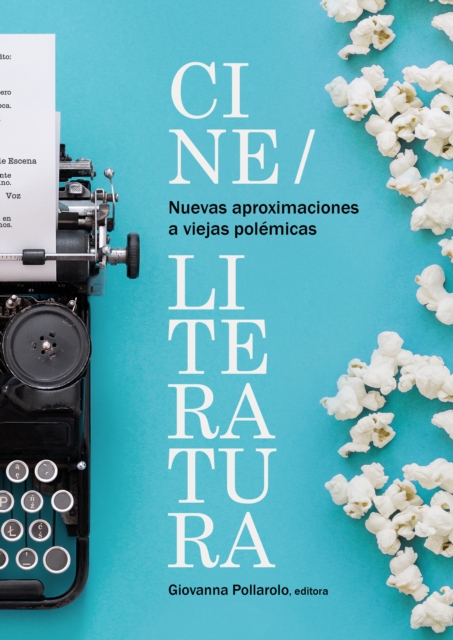
Los articulos reunidos en este libro estudian la relacion entre el cine y la literatura desde herramientas teoricas y enfoques que rompen los estrechos limites comparativos y valorativos de un tema que parecia ya agotado.
La revista Hablemos de Cine marcó un antes y un después en la crítica cinematográfica en el Perú, así como en la atención al cine peruano y latinoamericano.
A inicios de 1965 un grupo de estudiantes de la Universidad Católica dio a conocer el primer número, mimeografiado, de una revista de apariencia humilde, pero muy combativa en sus posiciones.