The extraordinary true story of the first Girl Scout troop designated for homeless girls - from the homeless families it brought together in Queens, New York, to the amazing citywide and countrywide responses it sparked.
The New York Times bestseller - a sweeping and heartbreaking Hollywood biography about the passionate, turbulent marriage of Laurence Olivier and Vivien Leigh.
The classic and terrifying HG Wells novel of alien invasion is now a landmark series for the BBC from the makers of Poldark, Victoria and And Then There Were None.
An epic trip across America with much-loved national treasure and comedy legend, Billy ConnollyBilly Connolly has spent much of his life in the United States, where he now lives.
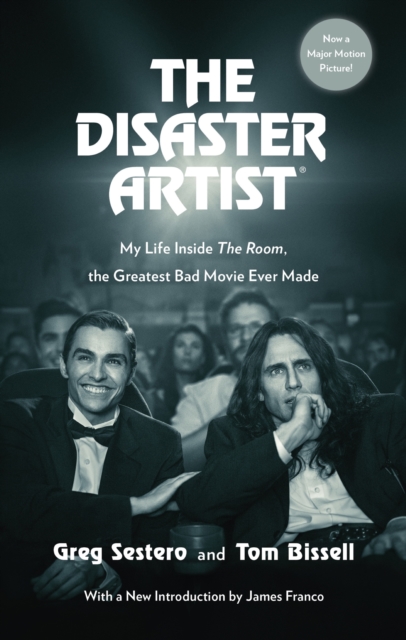
Now a major motion picture, The Disaster Artist, starring James Franco, Alison Brie, Zoey Deutch, Lizzy Caplan, Zac Efron, Bryan Cranston, Dave Franco, Kristen Bell, Seth Rogen, Sharon Stone, and Judd Apatow.
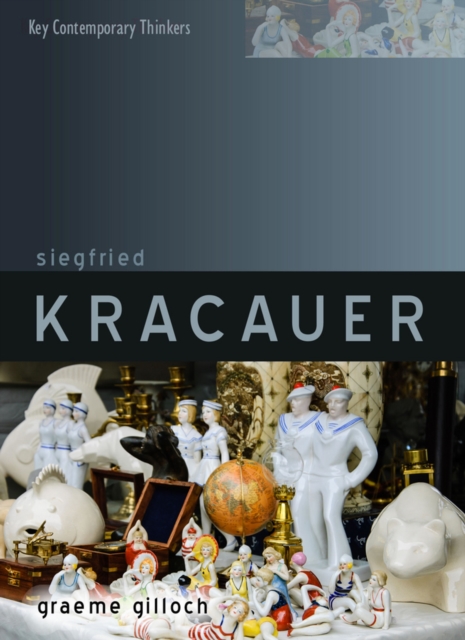
This major new book offers a much-needed introduction to the work of Siegfried Kracauer, one of the main intellectual figures in the orbit of the Frankfurt School of Critical Theory.
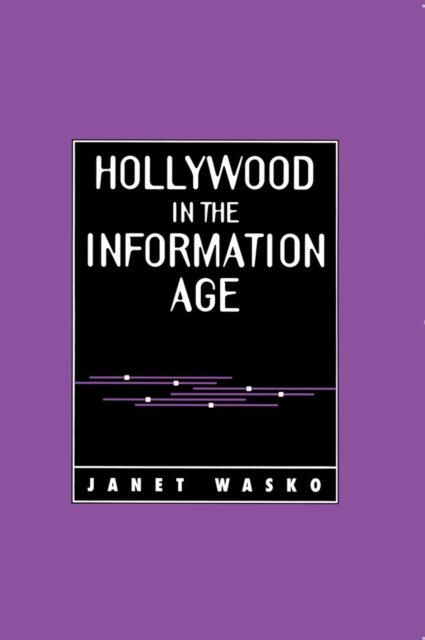
This is a major new assessment of the American movie industry in the 1990's, focusing on the development of new communication technologies such as cable and home video and examining their impact on the production and distribution of motion pictures.
With a sharp eye for social detail and the pressures of class inequality, Alfred Hitchcock brought to the American scene a perspicacity and analytical shrewdness unparalleled in American cinema.
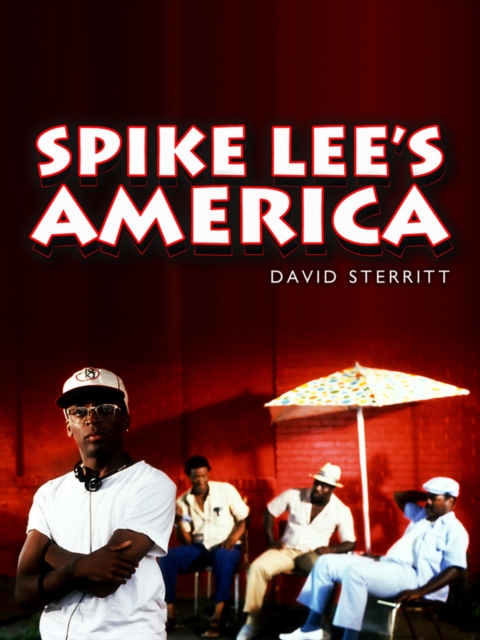
Spike Lee has directed, written, produced, and acted in dozens of films that present an expansive, nuanced, proudly opinionated, and richly multifaceted portrait of American society.
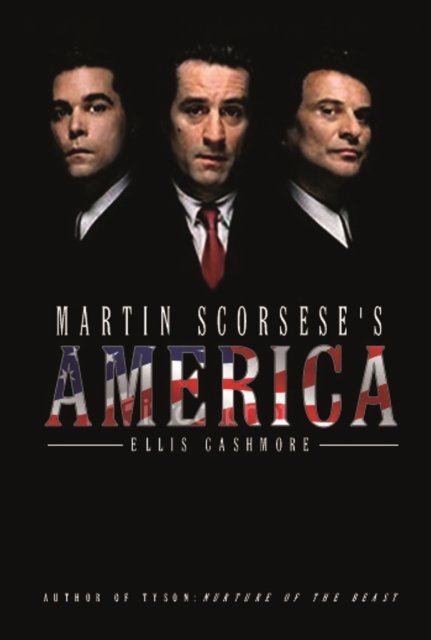
For over four decades, Martin Scorsese has been the chronicler of an obsessive society, where material possessions and physical comfort are valued, where the pursuit of individual improvement is rewarded and where male prerogative is respected and preserved.
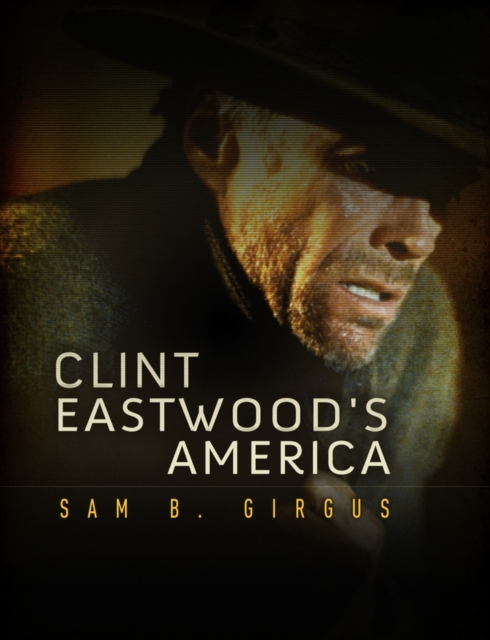
The steady rise of Clint Eastwood s career parallels a pressing desire in American society over the past five decades for a figure and story of purpose, meaning, and redemption.
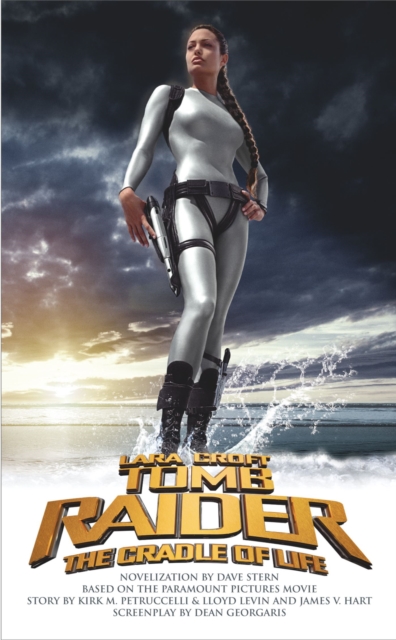
Within the long-lost Temple of Luna, built by Alexander the Great to store his most valuable possessions, Lara Croft discovers a device that leads the way to the deadliest artifact of all time: the legendary Pandora's Box.
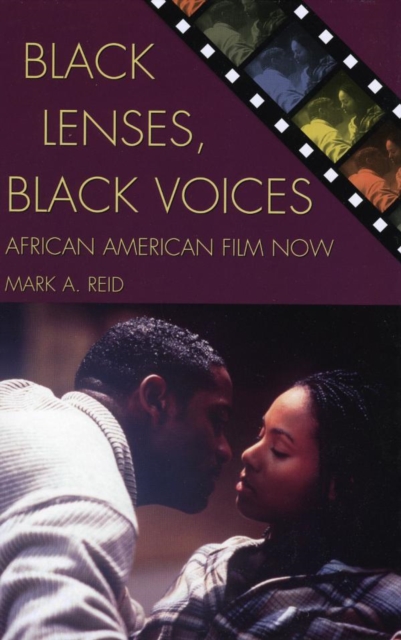
Black Lenses, Black Voices is a provocative look at films directed and written-and sometimes produced-by African Americans, as well as black-oriented films whose directors or screenwriters are not black.
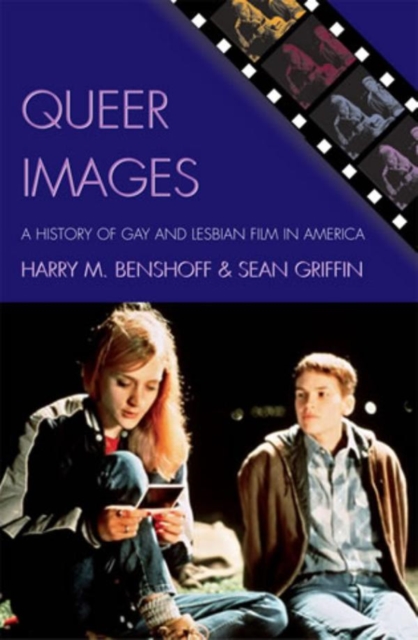
From Thomas Edison's first cinematic experiments to contemporary Hollywood blockbusters, Queer Images chronicles the representation of lesbian, gay, bisexual, and queer sexualities over one hundred years of American film.
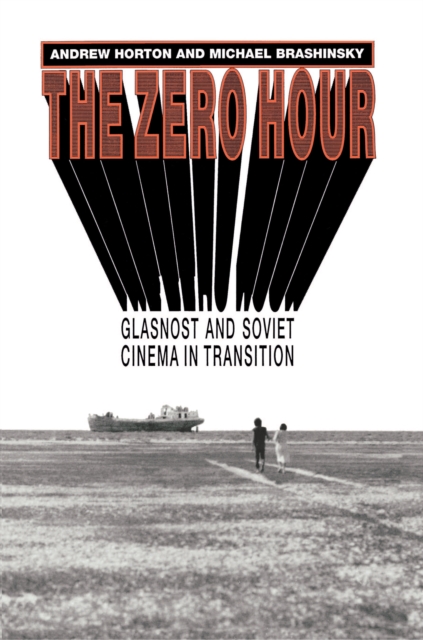
Now faced with the "e;zero hour"e; created by a new freedom of expression and the dramatic breakup of the Soviet Union, Soviet cinema has recently become one of the most interesting in the world, aesthetically as well as politically.
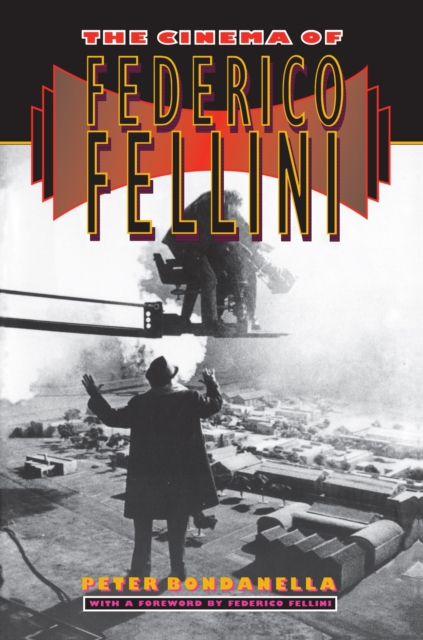
This major artistic biography of Federico Fellini shows how his exuberant imagination has been shaped by popular culture, literature, and his encounter with the ideas of C.
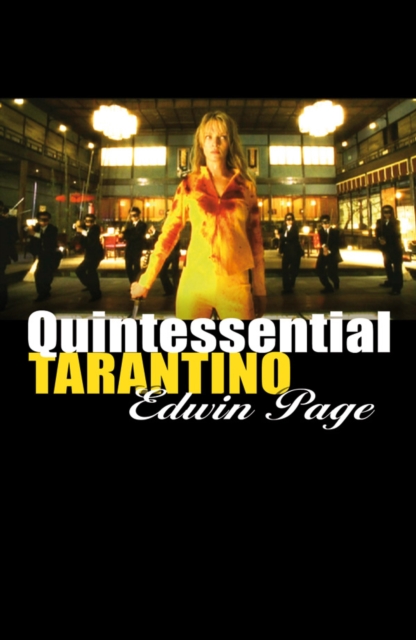
From Reservoir Dogs in 1992 to the Kill Bill series of films, the films of Quentin Tarantino have always provoked a reaction from critics and audiences alike - many attracting a cult-like following.
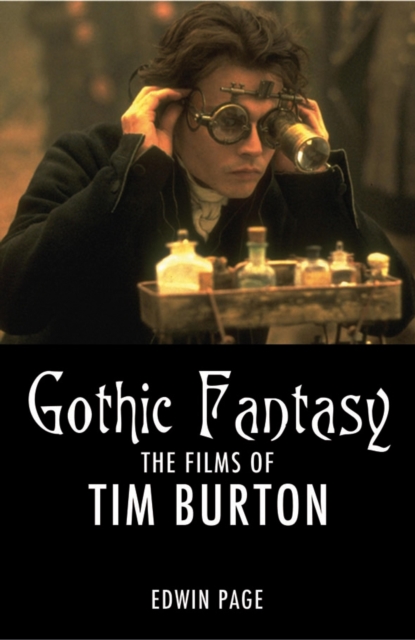
Edwin Page takes us on a journey through the films of Tim Burton, through which we gain insights into the mysterious, and somewhat reclusive film director responsible for them.
Judith Williamson takes herself to the movies, and this book contains the reviews she wrote as film critic for Time Out, City Limits, the radical alternative London weekly listings paper, and the New Statesman.
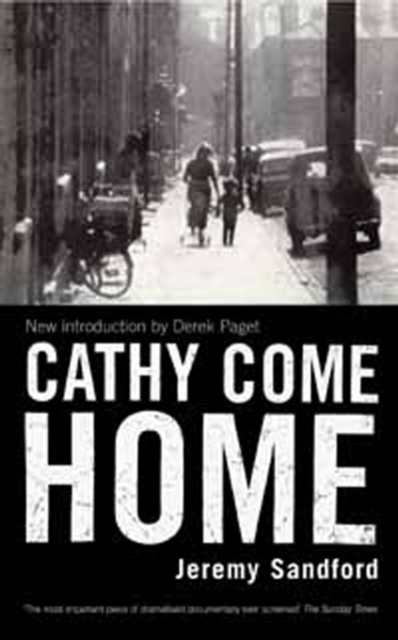
Sandford's 'Cathy Come Home' details the issue of homelessness and the life of a young woman in 1960s London as she moves from her own home, to council accomodation, and finally emergency accomodation for the homeless before being evicted and her children taken into care.
In this, the first comprehensive book on Liliana Cavani, Gaetana Marrone redraws the map of postwar Italian cinema to make room for this extraordinary filmmaker, whose representations of transgressive eroticism, spiritual questing, and psychological extremes test the limits of the medium, pushing it into uncharted areas of discovery.
Now faced with the "e;zero hour"e; created by a new freedom of expression and the dramatic breakup of the Soviet Union, Soviet cinema has recently become one of the most interesting in the world, aesthetically as well as politically.
Patrice Petro challenges the conventional assessment of German film history, which sees classical films as responding solely to male anxieties and fears.
A collaborator with Warner Brothers and Paramount in the early days of sound film, the German film director Ernst Lubitsch (1892-1947) is famous for his sense of ironic detachment and for the eroticism he infused into such comedies as So This Is Paris and Trouble in Paradise.
Spanish filmmaker Carlos Saura, who began his career under the censorship of Franco's regime, has forged an international reputation for his unique cinematic treatment of emotional and spiritual responses to repressive political conditions.