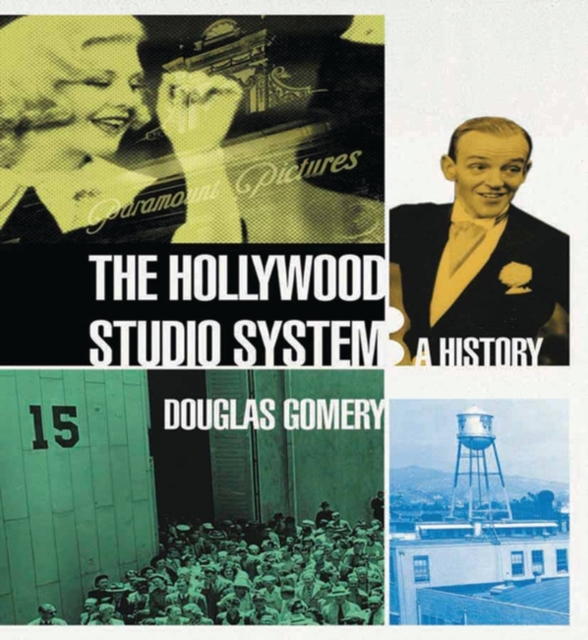
Despite being one of the biggest industries in the United States, indeed the World, the internal workings of the 'dream factory' that is Hollywood is little understood outside the business.
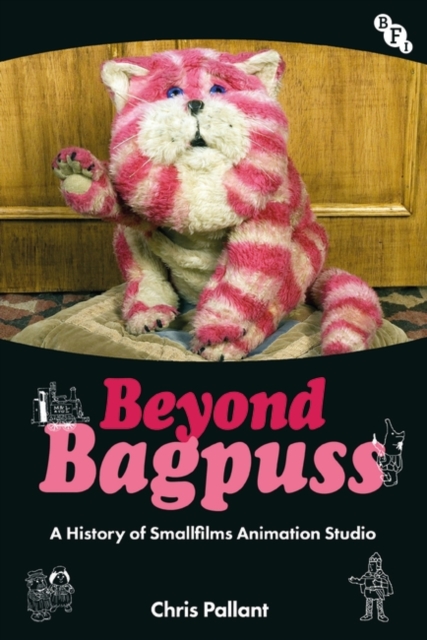
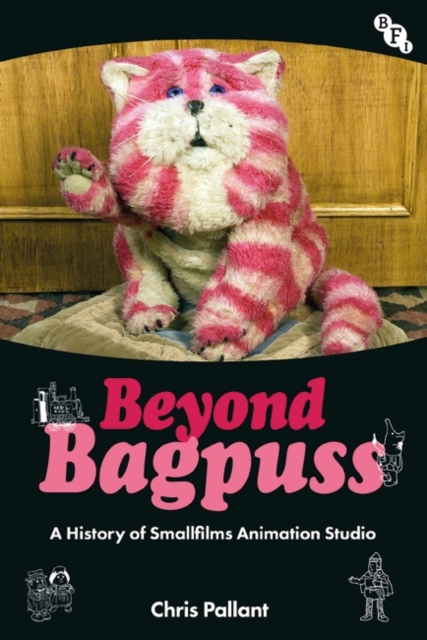
Ivor the Engine, Noggin the Nog, Pingwings, Pogles Wood, Clangers, and Bagpuss - the iconic animations produced by the Canterbury-based Smallfilms studio between 1958 and 1984 - constitute a significant thread of British cultural history.
Ivor the Engine, Noggin the Nog, Pingwings, Pogles Wood, Clangers, and Bagpuss - the iconic animations produced by the Canterbury-based Smallfilms studio between 1958 and 1984 - constitute a significant thread of British cultural history.
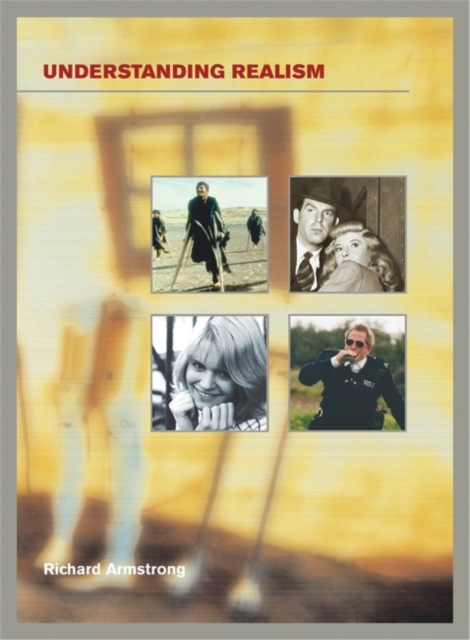
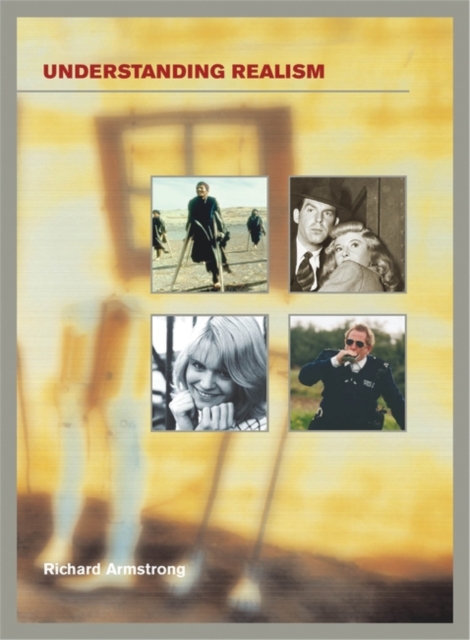
In a world, in which camcorders and CCTV are witness to our every move and Big Brother and The Blair Witch Project are phenomenally popular and widely imitated, the divide between reality and liction has become increasingly blurred.
In a world, in which camcorders and CCTV are witness to our every move and Big Brother and The Blair Witch Project are phenomenally popular and widely imitated, the divide between reality and liction has become increasingly blurred.
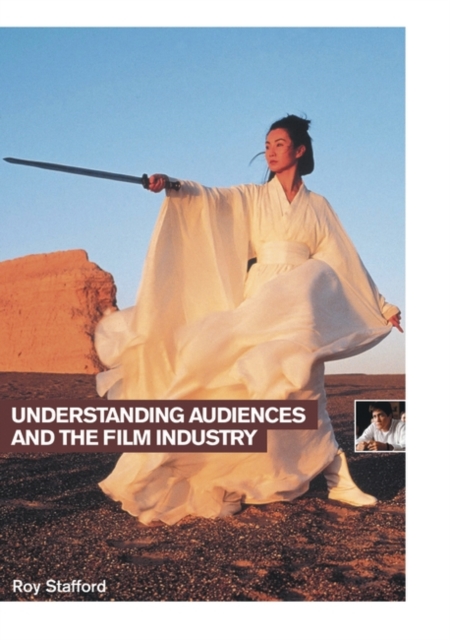
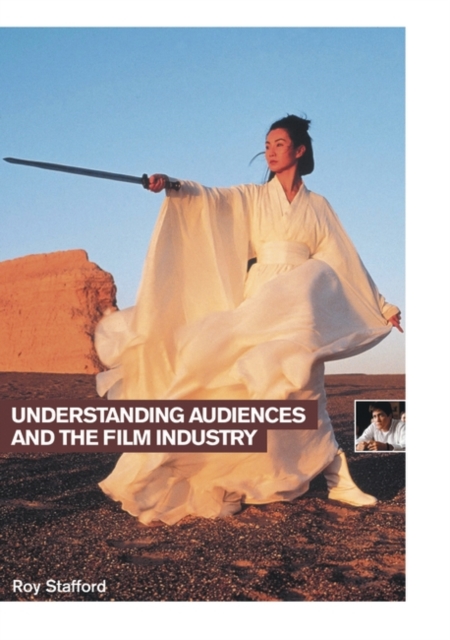
Brings together an introduction to academic study of audiences as 'readers' of films and an investigation into how the film industry perceives audiences as part of its industrial practices.
Brings together an introduction to academic study of audiences as 'readers' of films and an investigation into how the film industry perceives audiences as part of its industrial practices.
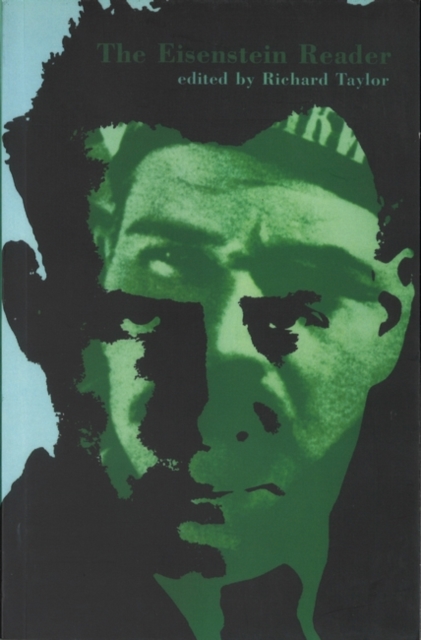
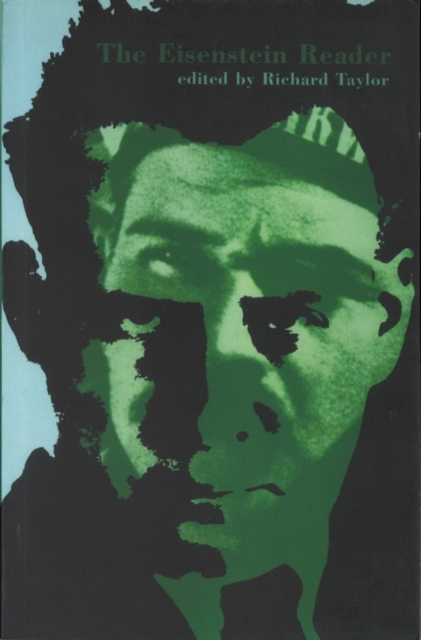
For the first time in one volume, this book presents in concise, chronological form, Sergei Eisenstein's most significant work, including his famous theories of montage and articles on subjects as diverse as sound, film language and Russian history.
For the first time in one volume, this book presents in concise, chronological form, Sergei Eisenstein's most significant work, including his famous theories of montage and articles on subjects as diverse as sound, film language and Russian history.
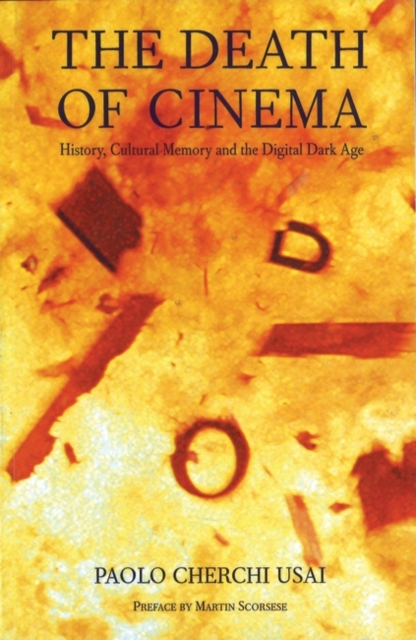
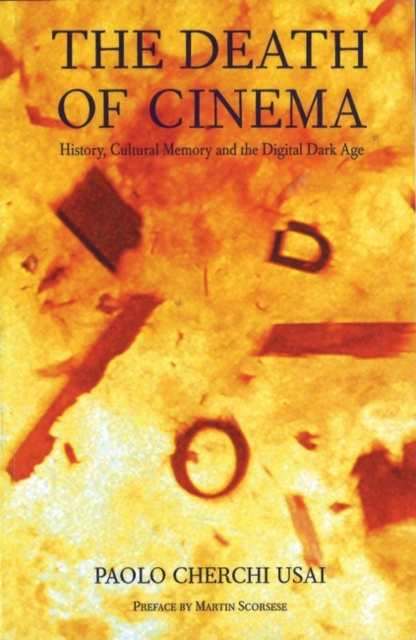
Provocative polemic on digital media; Features foreword by Martin Scorsese, extract overleaf; It is estimated that about one and a half billion hours of moving images were produced in 1999, twice as many as a decade before.
Provocative polemic on digital media; Features foreword by Martin Scorsese, extract overleaf; It is estimated that about one and a half billion hours of moving images were produced in 1999, twice as many as a decade before.
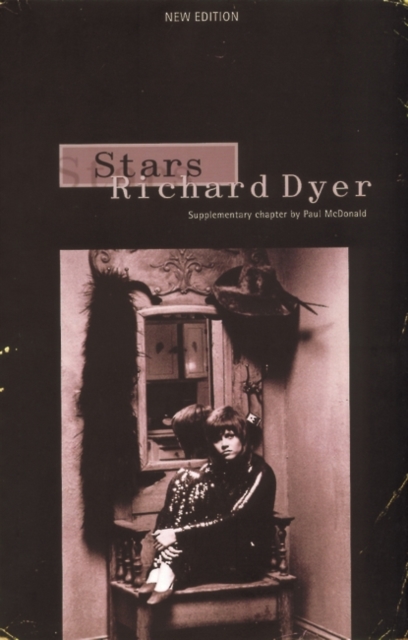
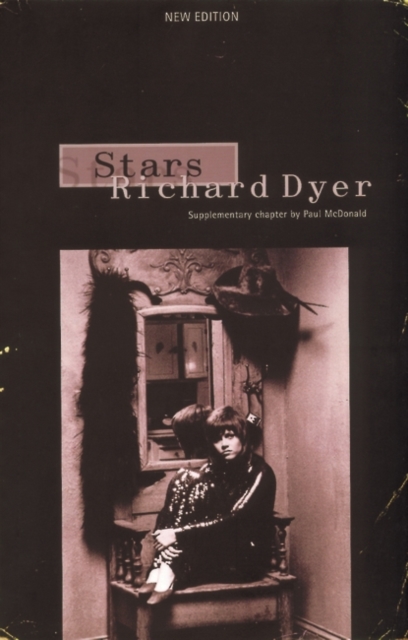
Through the intensive examination of films, magazines, advertising and critical texts, Dyer analyses the historical, ideological and aesthetic significance of stars, changing the way we understand screen icons.
Through the intensive examination of films, magazines, advertising and critical texts, Dyer analyses the historical, ideological and aesthetic significance of stars, changing the way we understand screen icons.
Martin Shingler presents the mother volume for Palgrave's Film Stars series in three easily-navigable chapters in which he provides a summative and instructive account of star studies for today's film student.
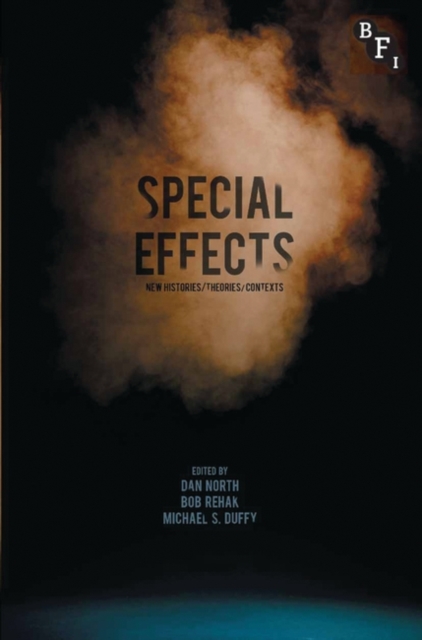
As blockbusters employ ever greater numbers of dazzling visual effects and digital illusions, this book explores the material roots and stylistic practices of special effects and their makers.
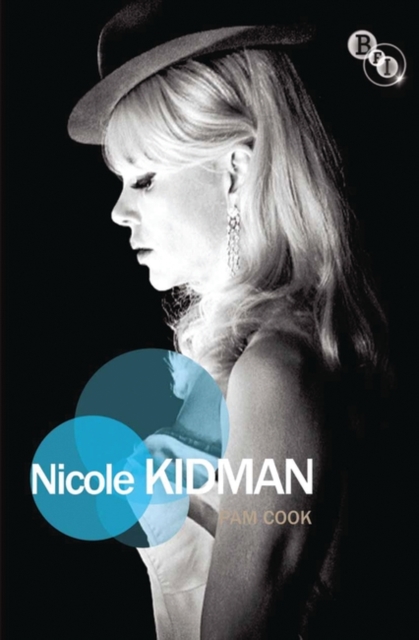
Pam Cook's study of the star persona of Nicole Kidman traces Kidman's career trajectory through an examination of her (sometimes controversial) film choices and places her in the context of a globalised media and celebrity culture.
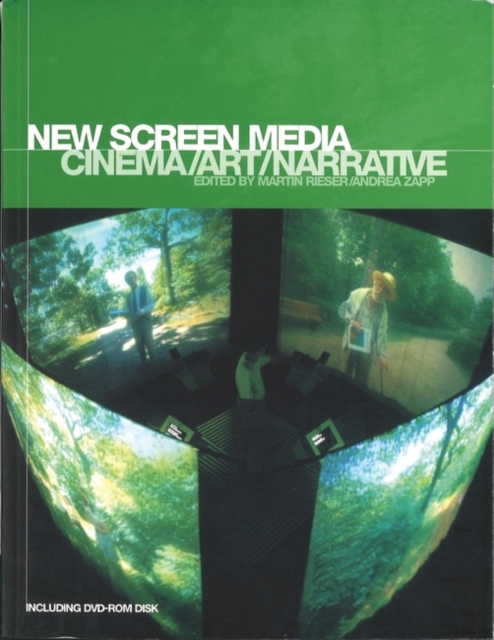
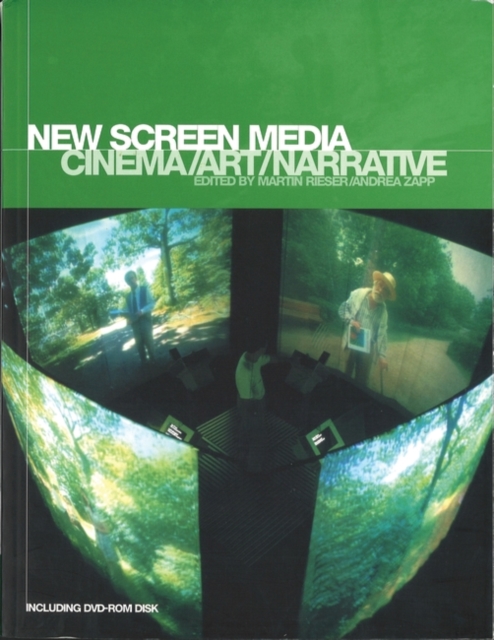
This text presents the work of cultural theorists and philosophers of new media, together with the perspectives of artists experimenting with different interactive models critically examining their own practice.
This text presents the work of cultural theorists and philosophers of new media, together with the perspectives of artists experimenting with different interactive models critically examining their own practice.
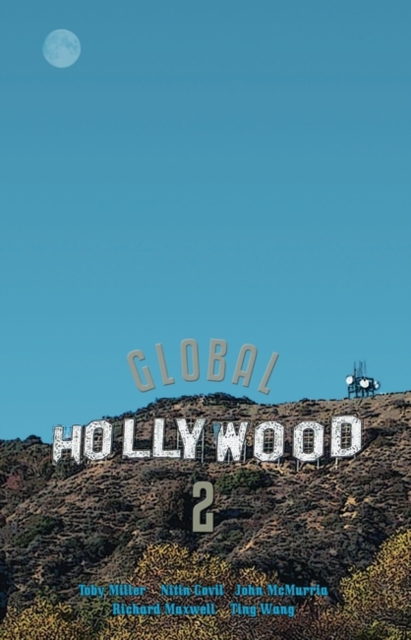
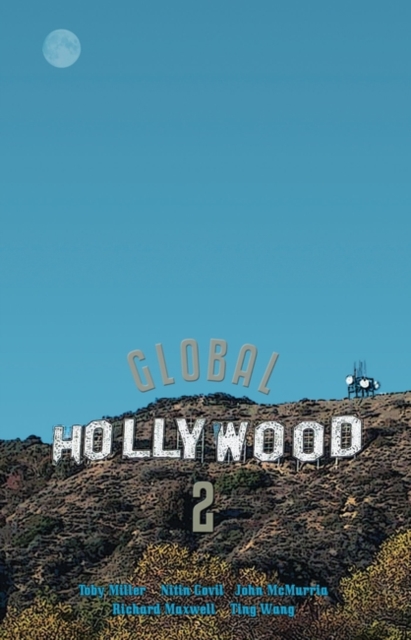
Substantially revised and updated, this book highlights how Hollywood has transformed itself to attain ever global clout and reach and the material factors underlining Hollywood's apparent artistic success.
Substantially revised and updated, this book highlights how Hollywood has transformed itself to attain ever global clout and reach and the material factors underlining Hollywood's apparent artistic success.
This teaching pack, suitable for AS/A2 Media and Film Studies, offers a suitable case study for industry and institution and help students demonstrate an understanding of key concepts and contemporary Hollywood.
This teaching pack, suitable for AS/A2 Media and Film Studies, offers a suitable case study for industry and institution and help students demonstrate an understanding of key concepts and contemporary Hollywood.
Alongside the commercial cinema of narrative and spectacle there has always been another practice - call it avant-garde, experimental or artists' film (as opposed to art cinema).
Alongside the commercial cinema of narrative and spectacle there has always been another practice - call it avant-garde, experimental or artists' film (as opposed to art cinema).
Michael Le Grice, a pioneer of 'structural film' in the 1970s and whose first video and computer works were exhibited in the late 1960s, provides a collection of his most notable essays.
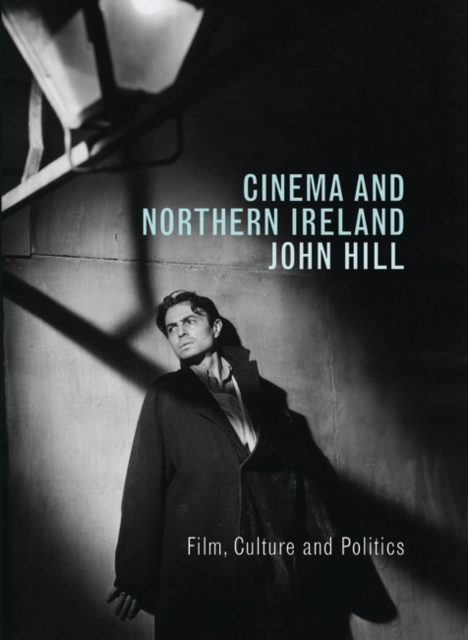
Traces the history of film production in Northern Ireland from the beginnings of a local film industry in the 1920s and 1930s, when the first Northern Irish 'quota quickies' were made, through the propaganda films of the 1940s and 1950s and on to the cinema of the 'Troubles'.
Traces the history of film production in Northern Ireland from the beginnings of a local film industry in the 1920s and 1930s, when the first Northern Irish 'quota quickies' were made, through the propaganda films of the 1940s and 1950s and on to the cinema of the 'Troubles'.
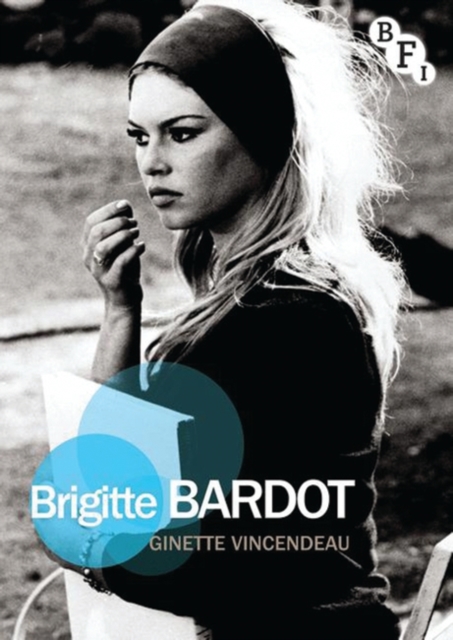
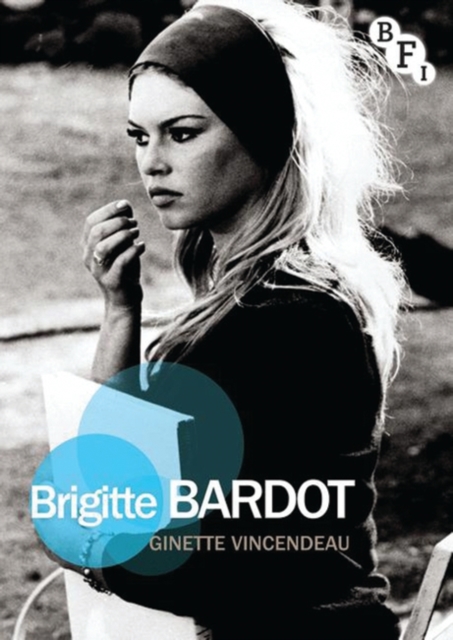
Ginette Vincendeau analyses Bardot's rise to fame as a highly-acclaimed French international film star and fashion icon from her early days as a fashion model and ballet dancer to her period of 'high stardom' between 1956 and 1960.
Ginette Vincendeau analyses Bardot's rise to fame as a highly-acclaimed French international film star and fashion icon from her early days as a fashion model and ballet dancer to her period of 'high stardom' between 1956 and 1960.