This book examines troupes, plays, festivals, performative practices, and audiences active during the final years of the Franco dictatorship and the beginning of the transition to democracy.
The accessibility of cultural resources via digital platforms is empowering Vietnamese cultural professionals to promote their culture to local and international audiences.
El presente volumen contiene una nueva traducción de La gaviota y El tío Vania, dos textos emblemáticos de Antón Pávlovich Chéjov (1860-1904), uno de los más grandes dramaturgos modernos, cuyas obras hacen parte del repertorio escénico mundial y son referentes imprescindibles para la comprensión del denominado sistema Stanislavski, desarrollado por el gran director y pedagogo ruso, quien asoció la puesta en escena de las obras chejovianas a sus indagaciones (específicamente al denominado "análisis activo").
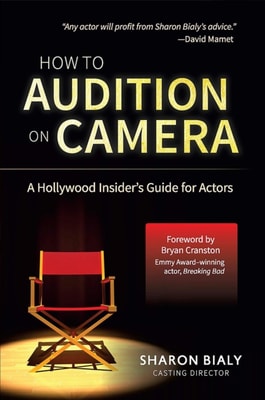
In How to Audition On Camera, Casting Director Sharon Bialy answers the twenty-five questions actors ask most frequently about how to nail an audition.
El presente volumen contiene el texto dramático y las partituras de El bosque sobre el bosque, las sombras de Humboldt~Farsa operática, espectáculo de gran formato, mencionado por el diario El Tiempo dentro de lo mejor de la cultura en el 2019.
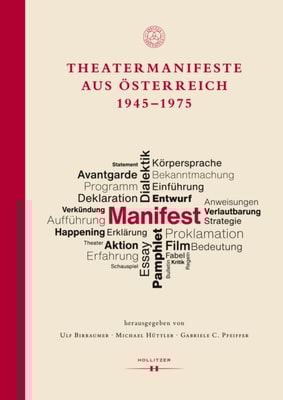
Manifeste, Pamphlete, Proklamationen, Anweisungen – österreichische Künstler:innen waren in den Jahren 1945 bis 1975 nicht nur auf der Bühne und in Galerien, in Kellern, auf der Straße und öffentlichen Plätzen mit Happenings, Aktionen, Performances und Aufführungen ideenreich zugange, sondern sie meldeten sich auch schriftlich zu Wort.
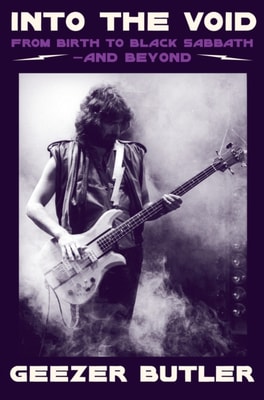
A Rough Trade Book of the YearThe Sunday Times bestsellerThe much-anticipated first book from Black Sabbath bassist Geezer ButlerWith over 70 million records sold, heavy metal pioneers Black Sabbath are one of the most influential bands of all time.
Some of the most raucous evenings in the history of theater are chronicled in this lively discussion of occasions when theater-makers changed the course of theatrical, and sometimes world, history.
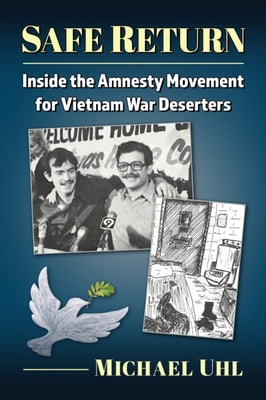
In 1971, antiwar activists Michael Uhl and Tod Ensign founded the Safe Return Committee in New York City, seeking amnesty for those who resisted the Vietnam War.
Breaking the Code reveals the efforts of director-producer Otto Preminger to bring his aesthetic vision to the screen even if it meant challenging the Production Code, a system of self-censorship that shaped the movies during the four decades it was in force.
A Stage for Debate presents a detailed analysis of the repertoire of the leading German-language stage of the nineteenth century, Vienna's Burgtheater.
A Stage for Debate presents a detailed analysis of the repertoire of the leading German-language stage of the nineteenth century, Vienna's Burgtheater.
A concise guide to global performances of Shakespeare, this volume combines methodologies of dramaturgy, film and performance studies, critical race and gender studies and anthropological thick description.
The Science Fiction Film in Contemporary Hollywood focuses on the American science fiction (SF) film during the period 2001-2020, in order to provide a theoretical mapping of the genre in the context of Conglomerate Hollywood.
When the young composer-lyricist Douglas Cohen first secured the musical rights to the novel No Way to Treat a Lady by William Goldman-the acclaimed author of The Princess Bride and Marathon Man-he hoped it would be his big break, the first step on a gilt path to artistic triumph and commercial success in the form of a hit Broadway musical.
The Science Fiction Film in Contemporary Hollywood focuses on the American science fiction (SF) film during the period 2001-2020, in order to provide a theoretical mapping of the genre in the context of Conglomerate Hollywood.
Choice Outstanding TitleWar movies have long been the most influential genre in Russian cinema, so much so that in the Soviet Union's militaristic society, cinema front was used to describe the film industry itself.
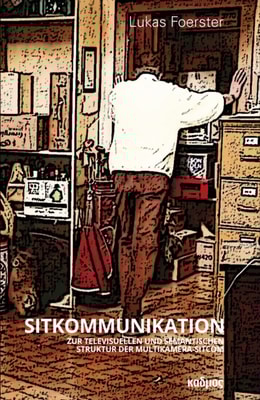
Wenn in den letzten ein, zwei Jahrzehnten die Rede von einem »Golden Age of Television« war und der Fernsehserie attestiert wurde, sie trete das Erbe des anspruchsvollen Kinofilms, wenn nicht gar der literarischen Epik des 19.
This book explores the notion of home in the wake of the so-called refugee crisis, and asks how home and belonging can be rethought through the act of creative practices and collective writing with refugees and asylum seekers.
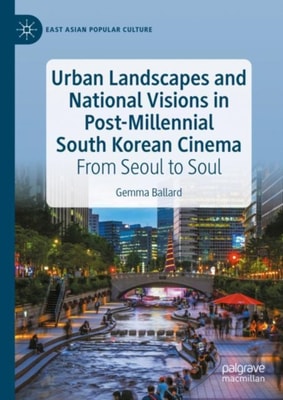
This book explores South Korean cinema's inimitable relationship with the urban landscape and identifies the ways in which Seoul is utilised as a celluloid canvas, national artefact and, above all else, a distinctive cultural backdrop.
While tap dancers Fred Astaire, Gene Kelly, and Eleanor Powell were major Hollywood stars, and the rhythms of Black male performers such as the Nicholas Brothers and Bill "e;Bojangles"e; Robinson were appreciated in their time, Black female tap dancers seldom achieved similar recognition.
Some of the most raucous evenings in the history of theater are chronicled in this lively discussion of occasions when theater-makers changed the course of theatrical, and sometimes world, history.
In 1971, antiwar activists Michael Uhl and Tod Ensign founded the Safe Return Committee in New York City, seeking amnesty for those who resisted the Vietnam War.
Foreword by John Russo Updated and Expanded with a New Coda A provocative, fascinating, and compulsively readable account of one of the most shocking, influential, and successful films of all time, The Exorcist, with a new coda on The Exorcist: Believer and the upcoming The Exorcist: Deceiver.
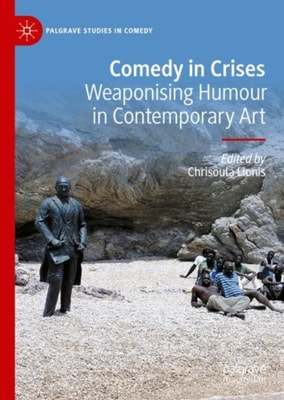
Comedy in Crises provides a novel contribution to an emerging comedy studies field, offering a fresh approach and understanding toward both the motivation and reception of humour in diverse contemporary art contexts.
This extensively revised and updated edition offers a comprehensive account of the latest research and practice issues relating to perfectionism in sport, dance, and exercise.
Embodied Nostalgia is a collection of interlocking case studies that focus on how social dance in musical theatre brings forth the dancer on stage as a site of embodied history, cultural memory, and nostalgia, and asks what social dance is doing performatively, dramaturgically, and critically in musical theatre.