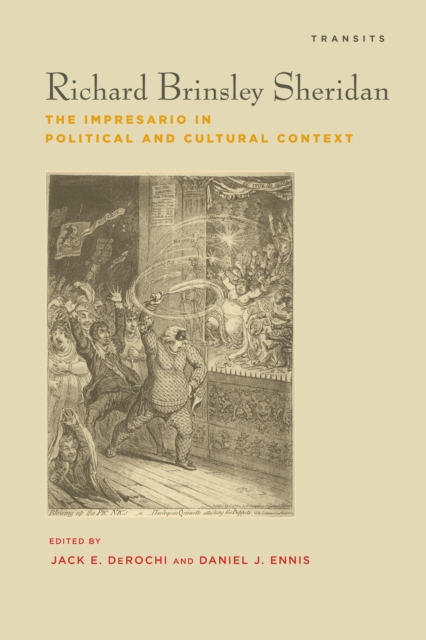
This new collection of essays on Richard Brinsley Sheridan brings the most important British playwright of the eighteenth century back to the forefront of literary and cultural studies of the era.
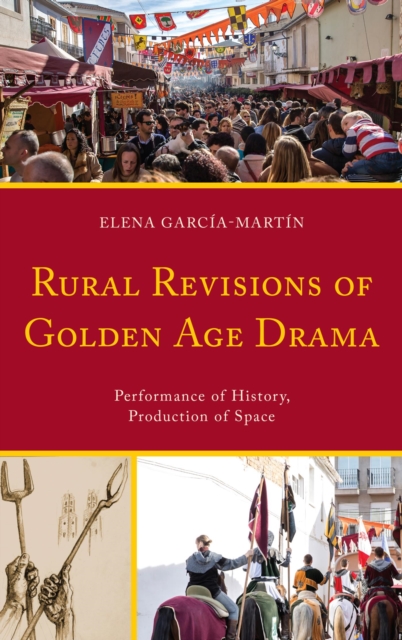
This work focuses on rural community versions of Spanish Early Modern Theatre and deals with cultural heritage and the contemporary impact of Golden Age theatre on local rural communities.
This important contribution to the Theatre And series explores what the possibilities and limits of 'community' contribute to our understanding of theatre, and what theatrical practice and representation reveal about the tensions inherent in community settings.
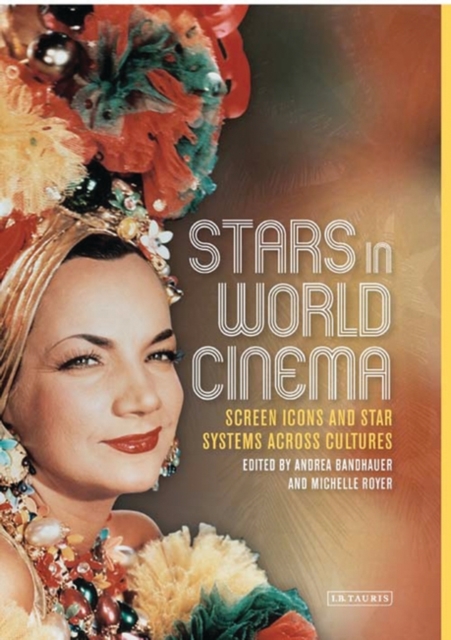
Deflecting the attention from Hollywood, Stars in World Cinema fills an important gap in the study of film by bringing together Star Studies and World Cinema.
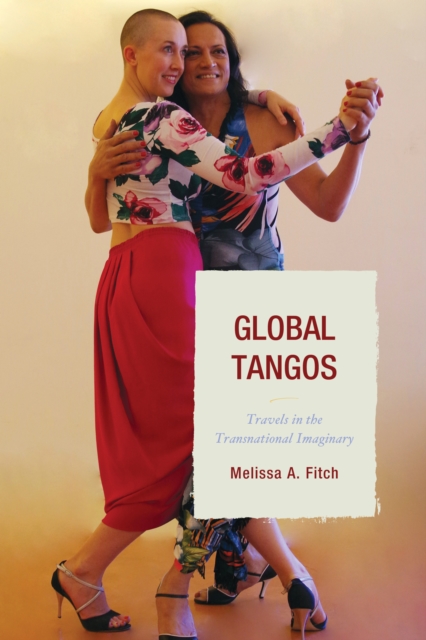
Global Tangos: Travels in the Transnational Imaginary argues against the hackneyed rose-in-mouth cliches of Argentine tango, demonstrating how the dance may be used as a way to understand transformations around the world that have taken place as a result of two defining features of globalization: transnationalism and the rise of social media.
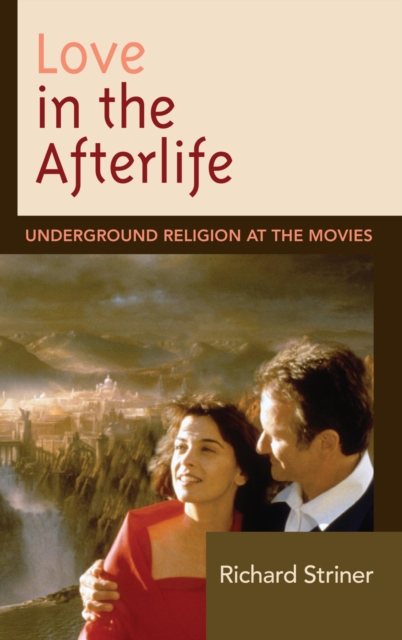
This is a definitive study of films that have been built around the themes of love, death, and the afterlife-films about lovers who meet again (and love again) in heaven, via reincarnation, or through other kinds of after-death encounters.
Providing a detailed historical overview of animated film and television in the United States over more than a century, this book examines animation within the U.
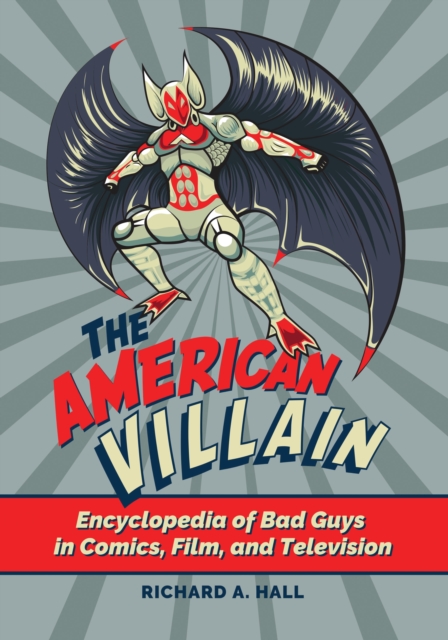
The American Villain: Encyclopedia of Bad Guys in Comics, Film, and Television provides one go-to reference for the study of the most popular and iconic villains in American popular culture.
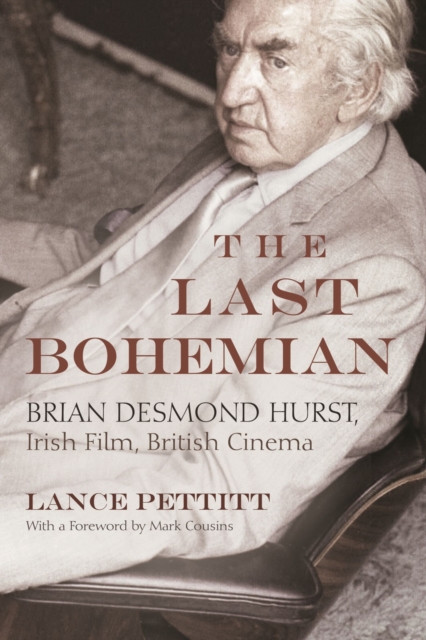
The Last Bohemian offers the first extended, critical evaluation of all of Brian Desmond Hurst's films, reappraising the reputation of a director who was born in 1895 in Belfast and died in Belgravia, London, in 1986.
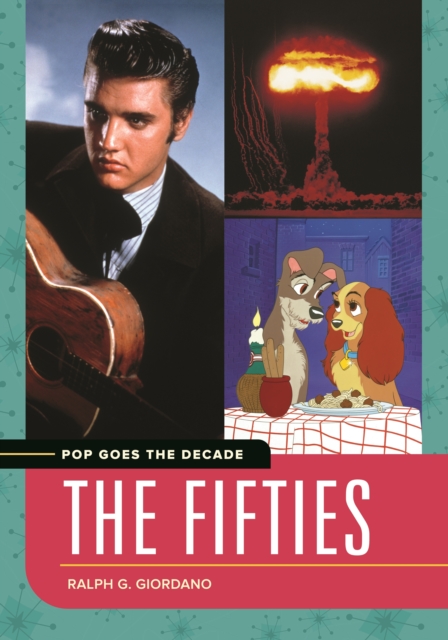
Covering significant historical and cultural moments, public figures and celebrities, art and entertainment, and technology that influenced life during the decade, this book documents the 1950s through the lens of popular culture.
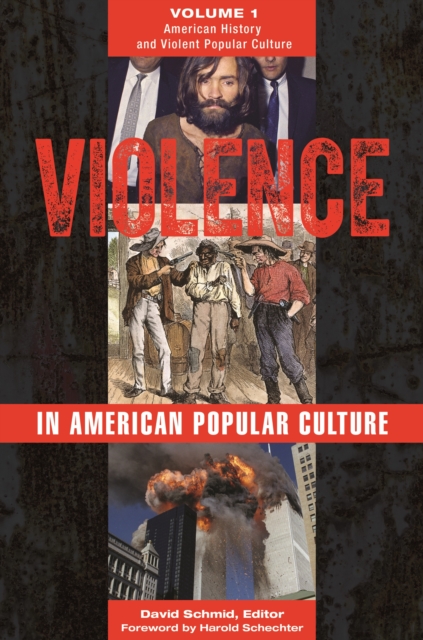
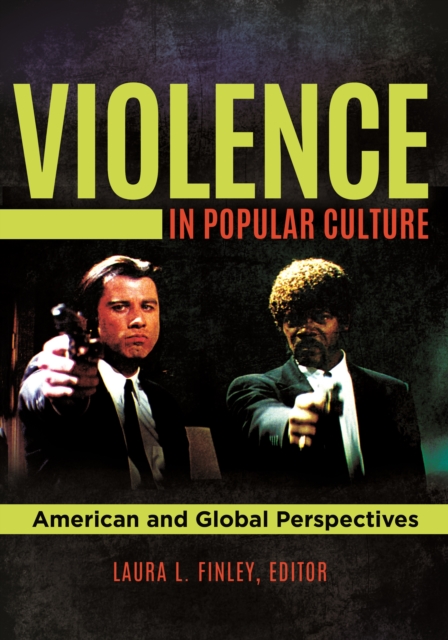
This timely collection provides a historical overview of violence in American popular culture from the Puritan era to the present and across a range of media.
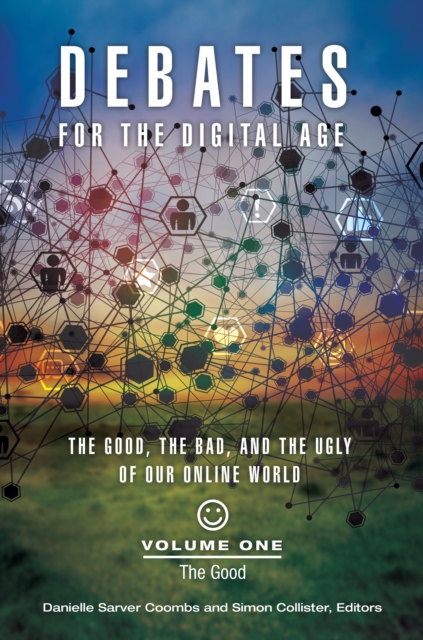
By evaluating the Internet's impact on key cultural issues of the day, this book provides a comprehensive overview of the seismic technological and cultural shifts the Internet has created in contemporary society.
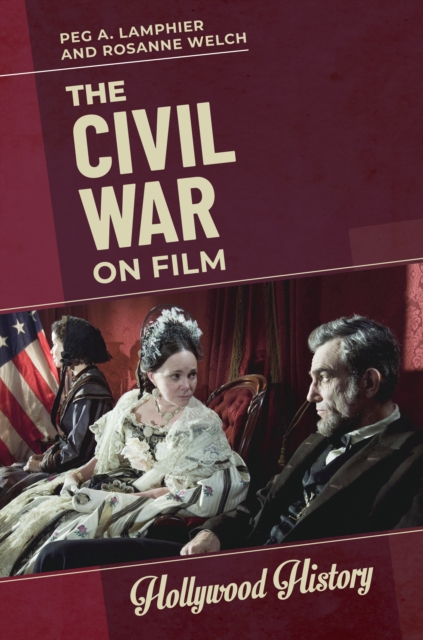
The Civil War on Film informs high-school and college readers interested in Civil War film history on issues that arise when film viewers confuse entertainment with historical accuracy.
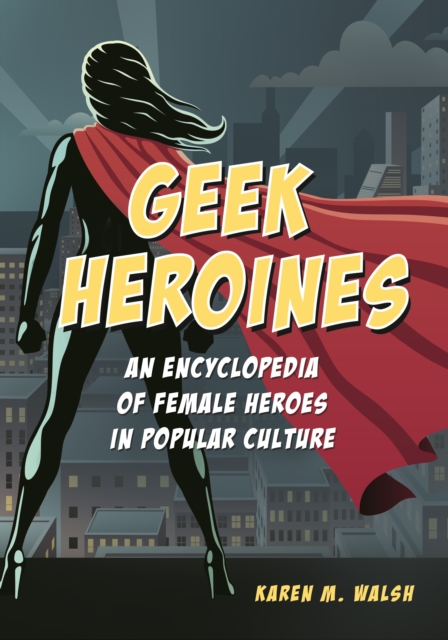
Geek Heroines not only tells the stories of fictional and real women, but also explores how they represent changes in societal views of women, including women of color and the LGBTQ community.
Marco Paolini: A Deep Map breaks new ground in the field of Italian political theatre by outlining the unique approach of one of Italy's most celebrated playwrights, Marco Paolini, whose work has hitherto remained mostly inaccessible to English-speaking audiences.
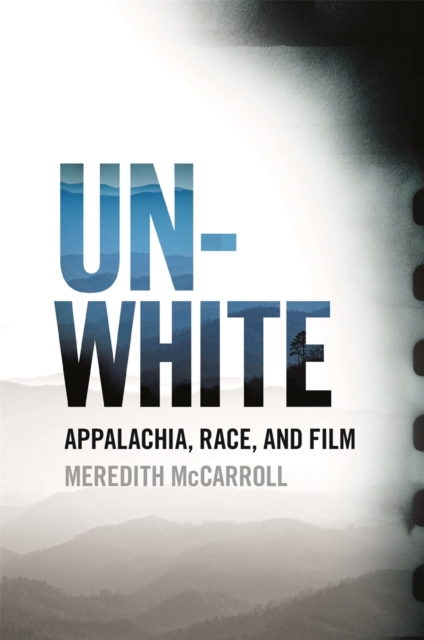
Appalachia resides in the American imagination at the intersections of race and class in a very particular way, in the tension between deep historic investments in seeing the region as "e;pure white stock"e; and as deeply impoverished and backward.
A comprehensive resource, this book reviews current and historical examples of violence in film, television, radio, music, music videos, video games, and novels.
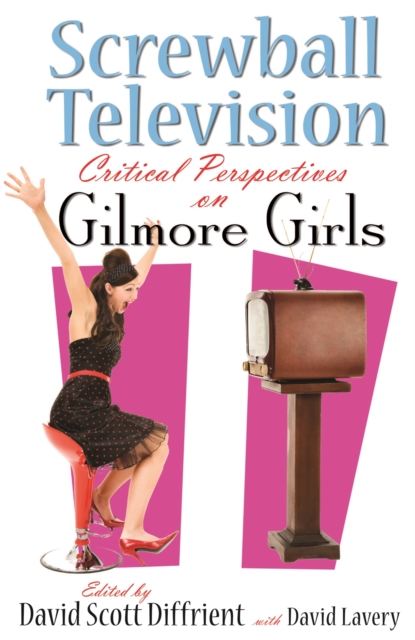
Bringing together seventeen original essays by scholars from around the world, Screwball Television offers a variety of international perspectives on Gilmore Girls.
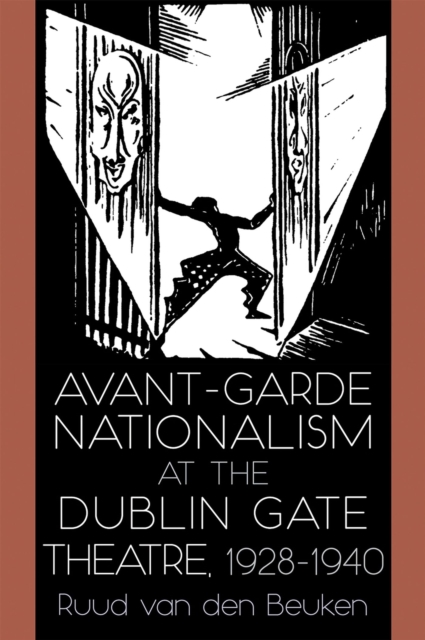
In 1928, Hilton Edwards and Micheal mac Liammoir founded the Dublin Gate Theatre, which quickly became renowned for producing stylistically and dramaturgically innovative plays in a uniquely avant-garde setting.
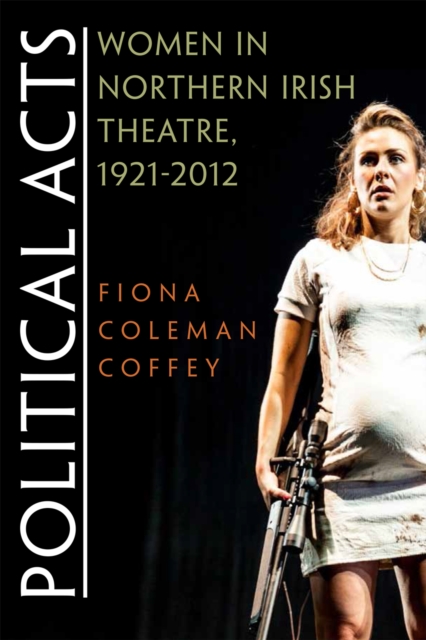
Since the establishment of the Northern Irish state in 1921, theatre has often captured and reflected the political, social, and cultural changes that the North has experienced.
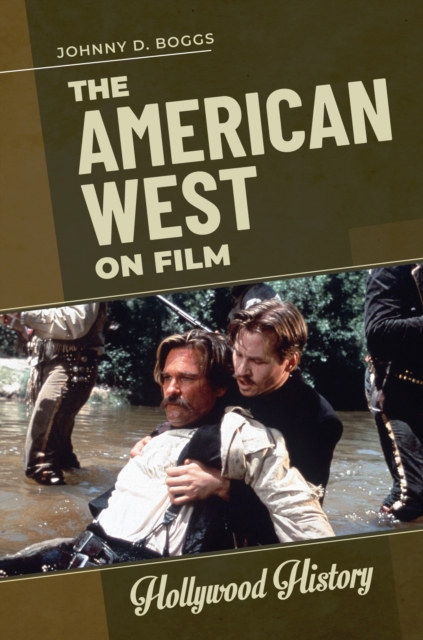
More than a history of Western movies, The American West on Film intertwines film history, the history of the American West, and American social history into one unique volume.
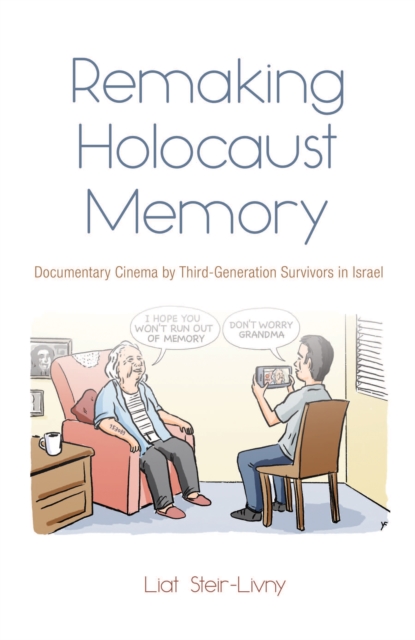
Since the late 1990s in Israel, third-generation Holocaust survivors have become the new custodians of cultural memory, and the documentary films they produce play a major role in shaping a societal consensus of commemoration.
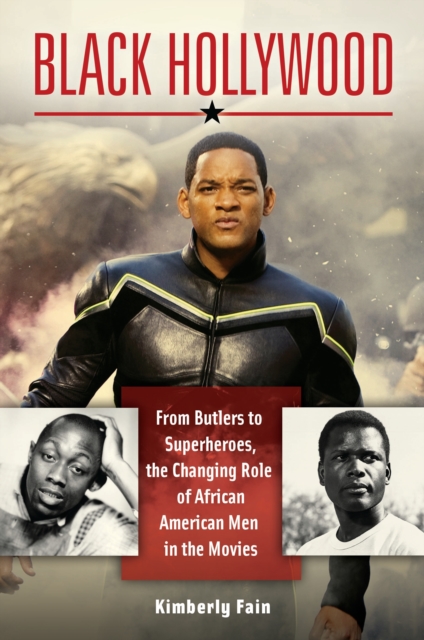
This thought-provoking work examines the dehumanizing depictions of black males in the movies since 1910, analyzing images that were once imposed on black men and are now appropriated and manipulated by them.
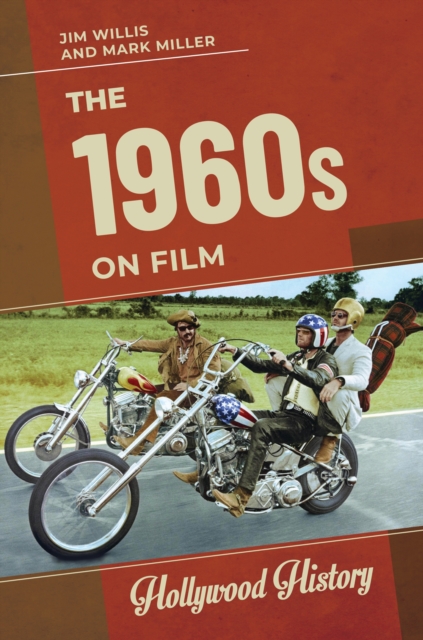
The 1960s on Film tells the narrative of the 1960s through the lens of the movie camera, analyzing 10 films that focus on the people, events, and issues of the decade.
Documenting the evolution of teens and media from the 1950s through 2010, this book examines the films, books, television shows, and musical artists that impacted American culture and shaped the "e;coming of age"e; experience for each generation.
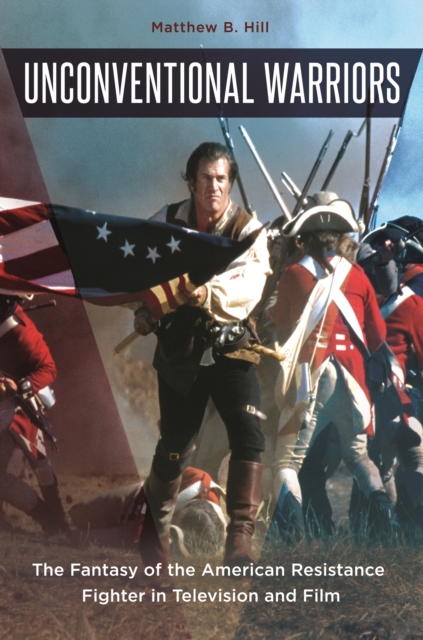
Tracing the "e;American Guerrilla"e; narrative through more than one hundred years of film and television, this book shows how the conventions and politics of this narrative influence Americans to see themselves as warriors, both on screen and in history.
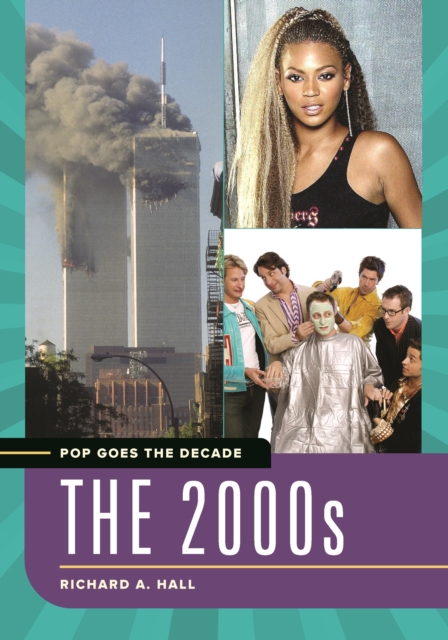
Pop Goes the Decade: The 2000s comprehensively examines popular culture in the 2000s, placing the culture of the decade in historical context and showing how it not only reflected but also influenced its times.
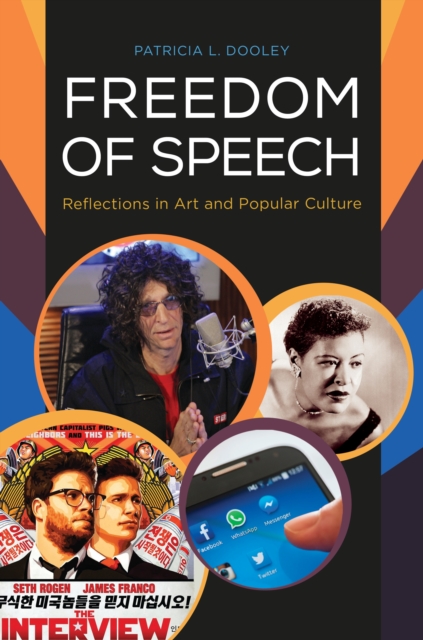
This book examines how freedom of speech is reflected in pop culture by looking at numerous examples of films, websites, television shows, and songs that have touched on-and impacted-this issue.
Using a broad array of historical and literary sources, this book presents an unprecedented detailed history of the superhero and its development across the course of human history.