Shortlisted for the Indie Book Awards, Christopher Bland Prize and The People's Book PrizeA Waterstones Best Memoir of 2024An Independent and Stylist Best Non-Fiction BookThe captivating true story of an underdog business - a feminist bookshop founded in Thatcher's Britain - from a woman at the heart of the women's liberation movement.
From one of our most distinguished film scholars, comes a rich, penetrating, amusing book about the golden age of movies and how the studios worked to manufacture stars.
Consuming Visions explores the relationship between cinema and writing in early twentieth-century Brazil, focusing on how the new and foreign medium of film was consumed by a literary society in the throes of modernization.
The crime melodramas of the 1940s known now as film noir shared many formal and thematic elements, from unusual camera angles and lighting to moral ambiguity and femmes fatales.
The essays in this collection make a contribution to the greening of film studies and expand the scope of ecocriticism as a discipline traditionally rooted in literary studies.
The Personals reveals how classified ads are not just a few commercial lines of text in print or online - they can be a treasure trove of fascinating human stories; stories of love, loss, loneliness, redemption and hope.
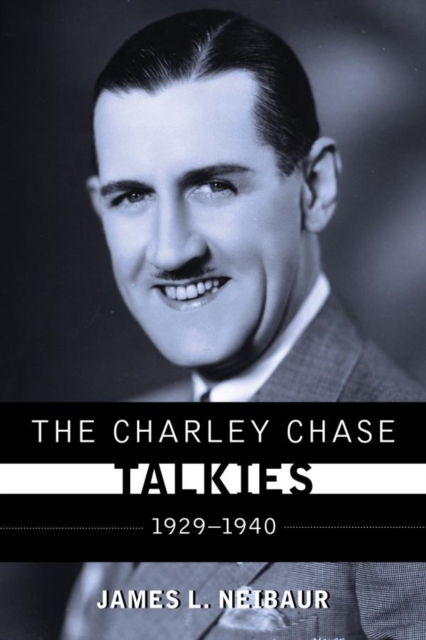
Charley Chase began his film career in early 1913 working as a comedian, writer, and director at the Al Christie studios under his real name, Charles Parrott.
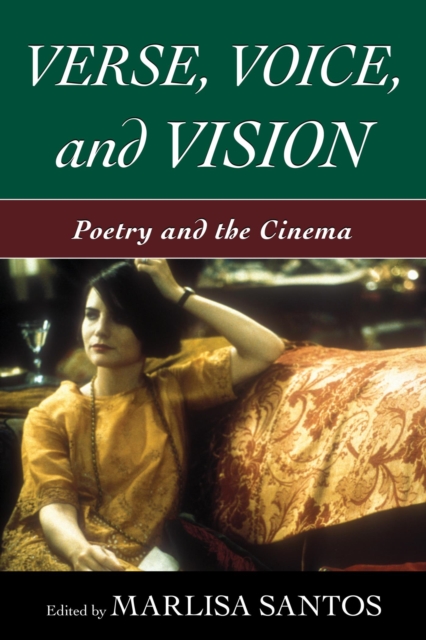
Although it is a somewhat underrepresented form of literature in popular sensibility, poetry finds relevance in the modern world through its appearance in cinema.
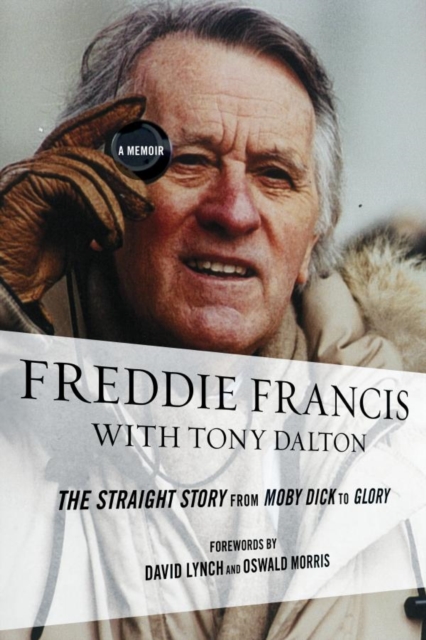
In a film career that spanned more than seven decades, Freddie Francis distinguished himself as both an award-winning cinematographer and as a director of classic British horror films of the 1960s and 70s.
Widely recognized in his character of the Tramp, Charlie Chaplin transcended the role of actor to become screenwriter, director, composer, producer, and finally studio head.
First broadcast in the not too distant past on a television station in Minnesota, Mystery Science Theater 3000 soon grew out of its humble beginnings and found a new home on cable television.
Before she achieved immortality on the long-running situation comedy Bewitched, Agnes Moorehead had established a distinguished career as a character actress.
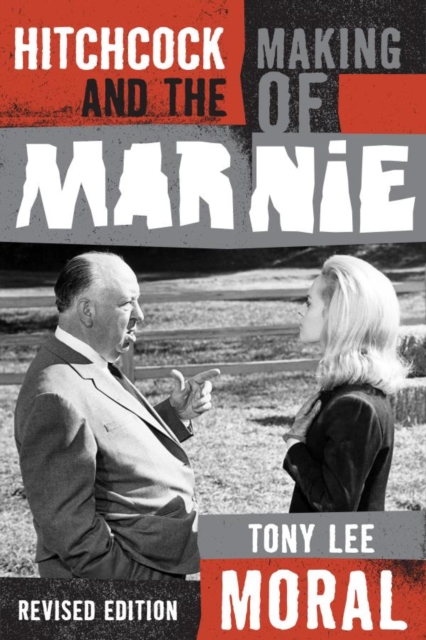
After a decade of successful films that included Rear Window, Vertigo, North by Northwest, and Psycho, Alfred Hitchcock produced Marnie, an apparent artistic failure and an unquestionable commercial disappointment.
Nonfiction films about sports have been around for decades, but the previously neglected subgenre of the documentary has become increasingly popular in the last several years.
Oliver Stone has written and directed many memorable films while also developing a reputation for tackling controversial subjects, such as the Turkish prison system (Midnight Express), the Vietnam war (Platoon and Born on the Fourth of July), insider trading (Wall Street), presidential assassination (JFK), and a voyeuristic media (Natural Born Killers).
John Boorman has written and directed more than 25 television and feature films, including such classics as Deliverance, Point Blank, Hope and Glory, and Excalibur.
Released in 1954, On the Waterfront is considered one of the greatest films of all time, winning eight Academy Awards-including Best Picture-and placing in the top 20 on the American Film Institute's 100 Films survey.
In 1977, Star Wars blazed across the screen to become one of the highest grossing and most beloved movies of all time, spawning an unprecedented merchandising phenomenon.
Although considered a relatively new genre, the mockumentary has existed nearly as long as filmmaking itself and has become one of the most common forms of film and television comedy today.
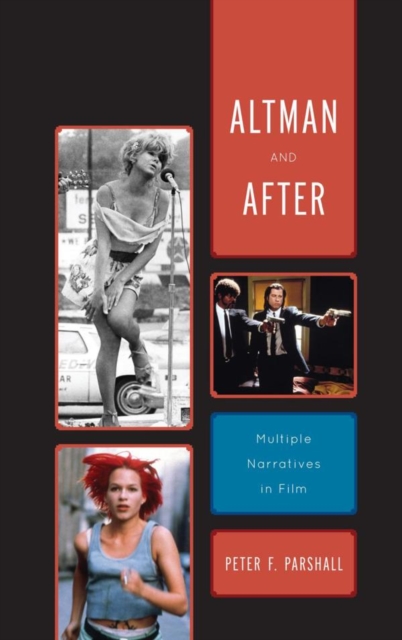
In American cinema, films with multiple plots can be traced back to Grand Hotel in 1932, but the form was used only sporadically in subsequent decades.
In African American Folksong and American Cultural Politics: The Lawrence Gellert Story, scholar and musician Bruce Conforth tells the story of one of the most unusual collections of African American folk music ever amassed-and the remarkable story of the man who produced it: Lawrence Gellert.
Over the last several decades, the boundaries of languages and national and ethnic identities have been shifting, altering the notion of borders around the world.