Largely neglected for the four centuries after his death, the fifteenth century Italian artist Piero della Francesca is now seen to embody the fullest expression of the Renaissance perspective painter, raising him to an artistic stature comparable with that of Leonardo da Vinci and Michelangelo.
Largely neglected for the four centuries after his death, the fifteenth century Italian artist Piero della Francesca is now seen to embody the fullest expression of the Renaissance perspective painter, raising him to an artistic stature comparable with that of Leonardo da Vinci and Michelangelo.
'We live within a spectacle of empty clothes and unworn masks'In this series of remarkable pieces from across his career, John Berger celebrates and dissects the close links between art and society and the individual.
Artist, architect, poet and philosopher, Leon Battista Alberti revolutionized the history of art with his theories of perspective in On Painting (1435).
Beginning with Cimabue and Giotto in the thirteenth century, Vasari traces the development of Italian art across three centuries to the golden epoch of Leonardo and Michelangelo.
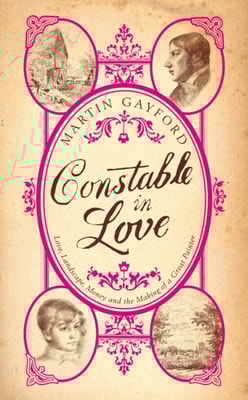
When John Constable fell in love with Maria Bicknell, granddaughter of a Suffolk country neighbour, he little knew how long it would take to make her his wife.
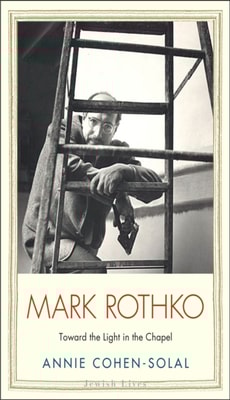
From the prizewinning Jewish Lives series, a fascinating exploration of the life and work of one of America’s most famous and enigmatic postwar visual artists Mark Rothko, one of the greatest painters of the twentieth century, was born in the Jewish Pale of Settlement in 1903.
This monograph explores the social constructs surrounding artistic production in early modern Iberia through the lenses of gender and class by examining the rarely considered contribution of creative women in Spain and Portugal between 1550 and 1700.
The first book on the central importance of literary sources in the paintings of Cy TwomblyMany of Cy Twombly's paintings and drawings include handwritten words and phrases-naming or quoting poets ranging from Sappho, Homer, and Virgil to Mallarme, Rilke, and Cavafy.
The first genuinely interdisciplinary study of creativity in early modern EnglandIn the seventeenth century, the concept of creativity was far removed from most of the fundamental ideas about the creative act - notions of human imagination, inspiration, originality and genius - that developed in the eighteenthand nineteenth centuries.
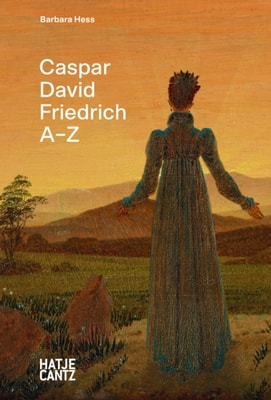
Von A wie Atelier bis Z wie Zeit: Caspar David Friedrichs Werke und die Malerei der RomantikDie Kunsthistorikerin und Autorin Barbara Hess vermittelt in diesem empfehlenswerten Buch neue Sichtweisen auf einen der prägendsten Künstler der deutschen Romantik – Caspar David Friedrich.
Elizabeth Gwillim (1763-1807) and her sister Mary Symonds (1772-1854) produced over two hundred watercolours depicting birds, fish, flowers, people, and landscapes around Madras (now Chennai).
Mit der Suche nach dem im elterlichen Garten vergrabenen Gorilla beginnt Valérie Favres Reise in die Welt der Imagination, der Fantasien, Alpträume, Erinnerungen und Werke der Kunstgeschichte.
Learn with Terry Harrison, the master of simple techniques, as he demonstrates how to create weathered windmills, old shacks and huts, farmhouses, cottages, timbered barns and more.
Even if you have never picked up a paintbrush before, professional watercolour teacher and artist Stephen Coates will show you how to paint lakes and rivers in watercolour using just three brushes, three colours, a plastic palette and a watercolour pad.
Learn how to start a botanical sketchbook, to improve both your drawing skills and your appreciation of the natural world, with renowned botanical illustrator and tutor Dianne Sutherland.
Even if you have never picked up a paintbrush before, Geoff Kersey shows you how to paint convincing seascapes in watercolour using just three brushes, three colours, a plastic palette and a watercolour pad.
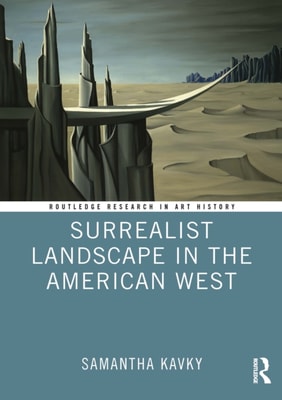
Focusing on the period of the Second World War, this book explores the emergence of surrealist landscape as a genre throughout the period of surrealist exile in the Americas.
Focusing on the period of the Second World War, this book explores the emergence of surrealist landscape as a genre throughout the period of surrealist exile in the Americas.