This volume is the first collection of articles dedicated to Ludwig Wittgenstein's thoughts on colour, focusing in particular on his so-called Remarks on Colour, a piece of writing that has received comparably little attention from Wittgenstein scholars.
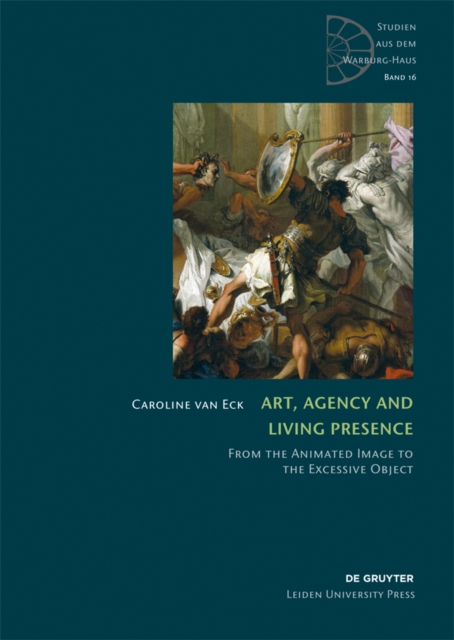
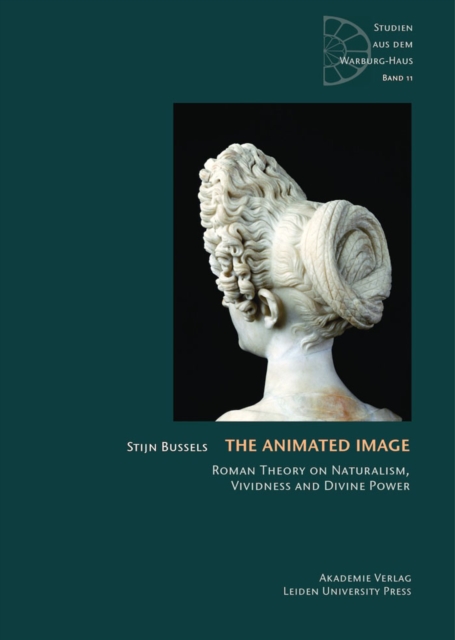
Throughout history, and all over the world, viewers have treated works of art as if they are living beings: speaking to them, falling in love with them, kissing or beating them.
It has often been argued that the arrival of the early-20th-century avant-gardes and modernisms coincided with an in-depth exploration of the materiality of art and writing.
The pictorial turn in the humanities and social sciences has foregrounded the political power of images and the extent to which historical, political, social, and cultural processes and practices are shaped visually.
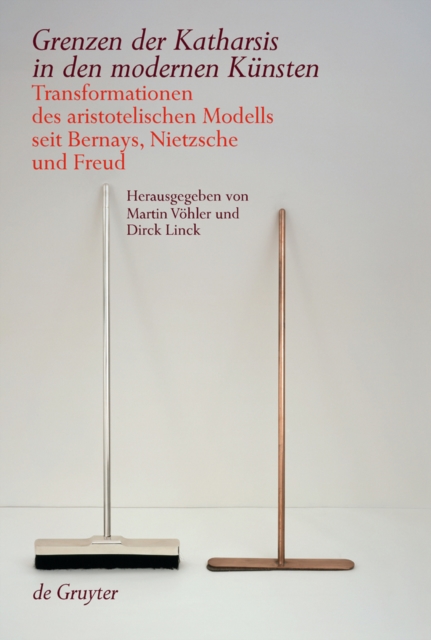
Aristoteles hatte die Erregung von Furcht und Mitleid streng begrenzt auf die kathartische Wirkung der Tragödie bezogen: Weder ein Zuviel noch ein Zuwenig an Leid, an Ethos oder an Nähe ist erlaubt, wenn sich die gewünschte Wirkung einstellen soll.
Der Band widmet sich einem Thema, dessen Aktualität sich nicht nur aus den psychologischen und neurologischen Erkenntnissen der Gegenwart begründet, sondern auch durch eine Vielzahl neuer Deutungen in den Kultur- und Geisteswissenschaften.
Der Band eröffnet die neue Reihe des Mediävistenverbandes, in der interdisziplinäre Studien aus dem Bereich der Mittelalterforschung veröffentlicht werden.
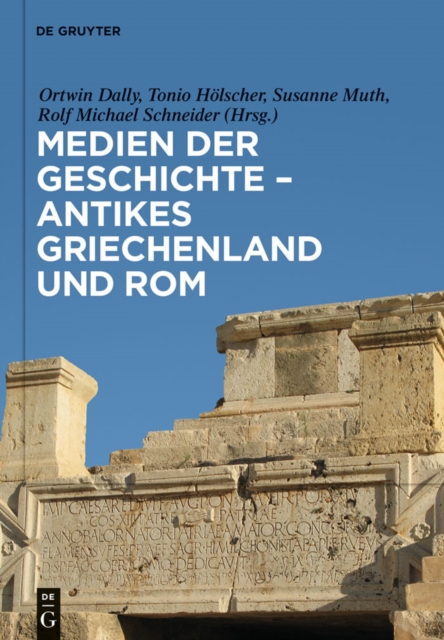
Viele romische Autoren schrieben uber den Gedanken, dass ein Abbild - gleich ob eine Skulptur oder ein Gemalde, eine verbale Beschreibung oder die Darstellung auf einer Buhne - nicht die Reprasentation eines Originals, sondern ein Prototyp sei, und fragten, ob einem Bild Aspekte des Lebens zu eigen seien.