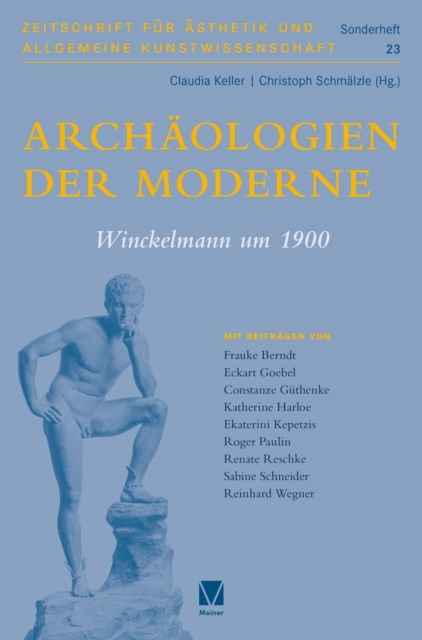
Der Band präsentiert das breite Spektrum an Positionen in der west- und osteuropäischen Kunstphilosophie im Zusammenhang mit der Wirkung der Staatlichen Akademie der Kunstwissenschaften in Moskau (GAChN, 1921–1930).
Der Bild- und Textkatalog widmet sich Kindheits- und Jugendwerken der berühmten Brüder Jacob Grimm (1785–1863) und Wilhelm Grimm (1786–1859) und erschließt ausgewählte Zeichnungen vor ihrem biographischen Hintergrund.
Diese kompakte Abhandlung beleuchtet Dürers Werdegang vom Goldschmied zum Maler und Grafiker und sein Interesse an der damals aufkommenden humanistischen Geisteshaltung.
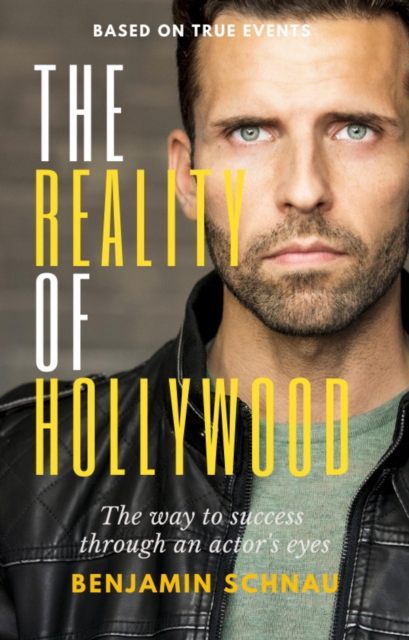
I want to share my story with you as I know that manypeople are out there who have the same dream and desire tobecome an established successful actor or actress in Hollywood.
In a book that can be read from either end, two leading thinkers present alternative answers to one of the most difficult and divisive questions of our times Suzanne Nossel, CEO of PEN America, argues that alongside the necessary and long-overdue elevation of minority voices in recent years, there has also arisen an uncompromising intolerance most notably on university campuses and online that wrongly equates a wide range of offensive speech with violence and seeks to shut it down.
Schopenhauers Philosophie lässt sich als eine Morphologie von Erkenntnisformen lesen: In jedem der vier Teile der »Vorlesung über Die gesamte Philosophie« bzw.
BG55 непубликувани авторски песни на певицата, създадени по образци на автентични народни песни от Пазарджишко,с ноти и текст,класифицирани по вид и с обяснения на чуждиците, непознатите и диалектни думи.
Dieses Buch untersucht erstmals systematisch und umfassend Gestalt und Auswirkungen nationalsozialistischer Kulturpolitik in Tirol und Vorarlberg – vom "Anschluss" im März 1938 bis zum Ende des NS-Regimes im Mai 1945.
Eigentlich beginnt alles ganz harmlos: Der patriotische Jaromir von Eynhuf beschließt, seinem Landesvater zu dessen Regierungsjubiläum seine Milchzahnsammlung zu verehren.
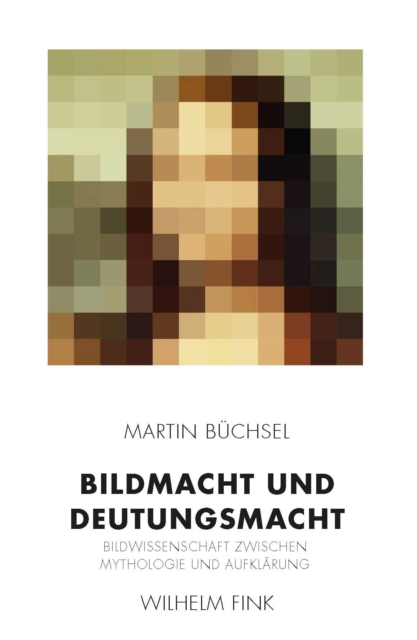
Die Bildwissenschaft, so scheint es, steckt in einer Sackgasse: Teile von ihr sind zur antiaufklärerischen Ideologie geworden, die Interpreten erlaubt, autoritäre Positionen der Auslegung als Macht des Bildes zu beschreiben.
Die legendäre Künstlerkolonie im dänischen Skagen - mit Malern wie Anna und Michael Ancher, Marie und Peder Severin Krøyer - bildet Hintergrund und Schauplatz des neuen Romans von Stina Lund («Preiselbeertage»).
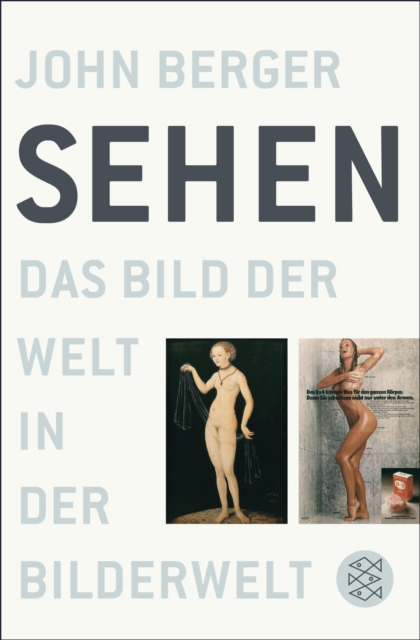
Das Foto eines vertrauten Menschen kann uns berühren «wie das Licht eines Sterns» (Roland Barthes); die Bilder flüchtender Kinder führen die Schrecken des Krieges geradezu schmerzhaft vor Augen.
Undurchsichtige Rituale, rätselhafte Symbole und zahl-reiche Verschwörungstheorien: Geheimbünde üben auf die Gesellschaft eine große Faszination aus, so ist das auch bei den Freimaurern.
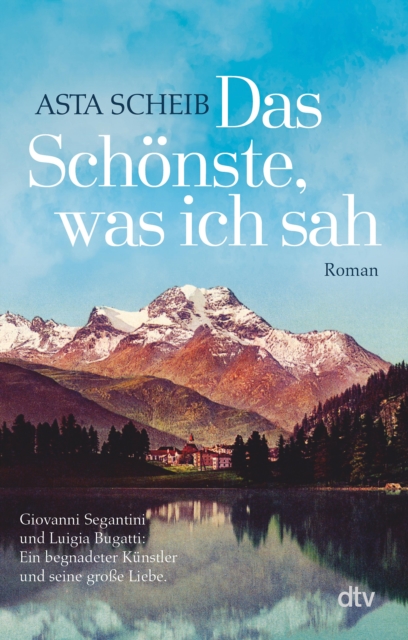
Giovanni Segantinis große LiebeAls Giovanni Segantini sich 1875 siebzehnjährig an der Akademie Brera einschreibt, hat er eine albtraumhafte Kindheit und Jugend hinter sich.
Wer sich mit Bildern im Protestantismus beschäftigt, stößt zwangsläufig auf die Cranach-Portraits Martin Luthers und Katharina von Boras, »dem« protestantischen Erzelternpaar.
An illuminating one-volume compendium of primary documents on the art of medieval and Renaissance EuropeThis unique collection brings together notebooks, letters, treatises, and contracts dealing with the art of the Middle Ages and Renaissance, providing extraordinary insights into the personalities and conditions of the times and revealing the stylistic and philosophical concerns that evolved during these intensively creative eras.
An illuminating one-volume compendium of primary documents on the art of medieval and Renaissance EuropeThis unique collection brings together notebooks, letters, treatises, and contracts dealing with the art of the Middle Ages and Renaissance, providing extraordinary insights into the personalities and conditions of the times and revealing the stylistic and philosophical concerns that evolved during these intensively creative eras.
Die Künste des Kinos – eine faszinierende Analyse des ästhetischen Potenzials des FilmsIn seinem neuen Buch Die Künste des Kinos unternimmt der renommierte Philosoph Martin Seel eine tiefgründige Analyse der Verbindung zwischen dem Kino und anderen Kunstformen.
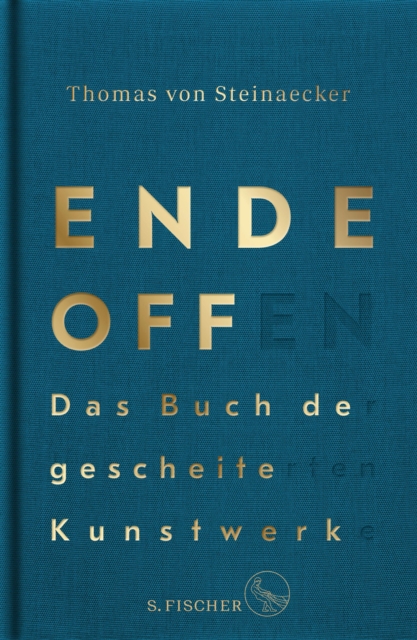
Die faszinierende Kulturgeschichte der gescheiterten KunstwerkeWeshalb gibt es von Stanley Kubricks monumentalem Filmvorhaben zu Napoleon nur ein Drehbuch?
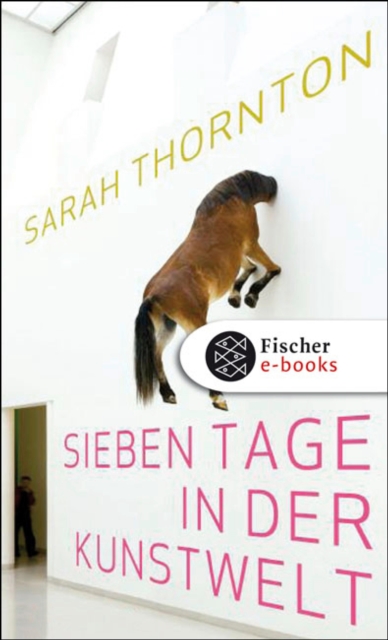
Was Robert Altmans Film »Prêt-à-Porter« für die Modewelt war, ist Sarah Thorntons Buch für die Welt des riesigen Boom-Marktes der Gegenwartskunst: Nach welchen Regeln funktioniert sie?
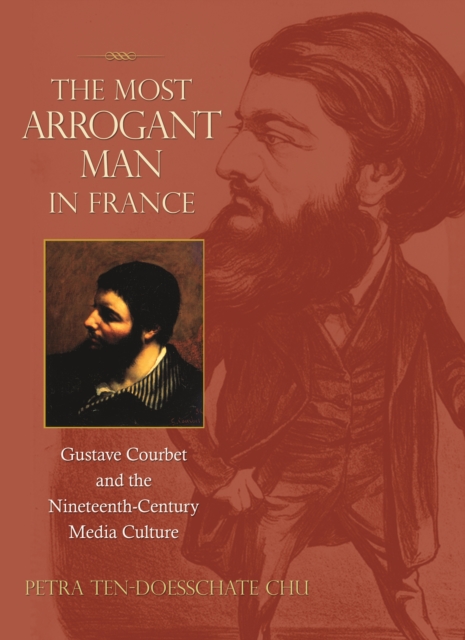
A comprehensive reinterpretation of the pioneering and media-savvy artistThe modern artist strives to be independent of the public's tasteand yet depends on the public for a living.
A comprehensive reinterpretation of the pioneering and media-savvy artistThe modern artist strives to be independent of the public's tasteand yet depends on the public for a living.
Dieses eBook: "Fantasiestücke in Callots Manier" ist mit einem detaillierten und dynamischen Inhaltsverzeichnis versehen und wurde sorgfältig korrekturgelesen.