Von der Galluspforte bis zur Performance-Kunst, von Hans Holbein bis zu Jean Tinguely – in 24 Essays nimmt die Kunsthistorikerin Jana Lucas die Leserinnen und Leser mit auf eine Reise durch die Basler Kunstgeschichte vom Mittelalter bis in die Gegenwart.
An entirely new perspective on Byzantine art and culture through the lens of secular artA winged centaur with the spotted body of a leopard playing a lute; a naked man with an animal head; a goat-footed Pan; a four-bodied lion; sphinxes and hippocamps.
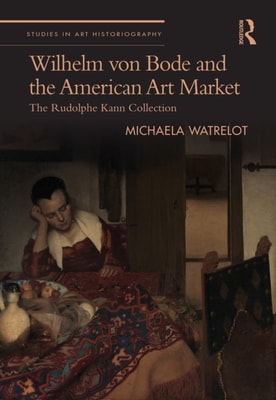
Based on an extensive and very meticulous study of different archives and the evaluation of original, previously unpublished, archival material, this book highlights the key aspects and trends of the European and American art markets in the late nineteenth and early twentieth centuries.
An entirely new perspective on Byzantine art and culture through the lens of secular artA winged centaur with the spotted body of a leopard playing a lute; a naked man with an animal head; a goat-footed Pan; a four-bodied lion; sphinxes and hippocamps.
An important new examination of Islamic themes in the art of Albrecht DurerAlbrecht Durer's depictions of Muslim figures and subjects are considered by many to be among his most perplexing images.
Brilliant and controversial, art critic Sadakichi Hartmann wrote copiously about American and European art and the shaping of American culture during the decades from 1890 to 1910.
Through a combination of theory, practice, and a range of interdisciplinary case studies, this book expands how we define and think about the critical role and relationship between design and emergencies.
Resonating with contemporary ecological and queer theory, this book pioneers the theorization of the Victorian idyll, establishing its nature, lineaments, and significance as a formal mode widely practised in nineteenth-century British culture across media and genre.
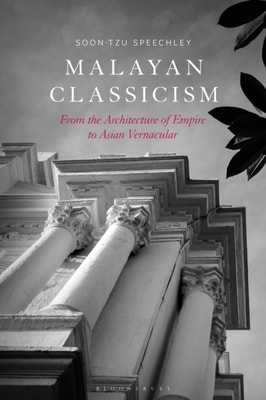
Through a broad range of case studies spanning from imperial monuments to rural residences, Malayan Classicism puts forward a fundamentally new understanding of classical architecture in the Asian colonial context.
This volume presents for the first time a curated selection of essays written over the last 30 years by leading design thinker and educator, Tevfik Balcioglu.
Arts, Ecologies, Transitions provides in-depth insights into how aesthetic relations and current artistic practices are fundamentally ecological and intrinsically connected to the world.
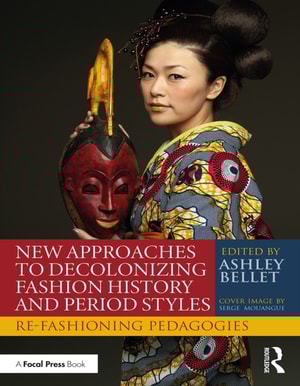
New Approaches to Decolonizing Fashion History and Period Styles: Re-Fashioning Pedagogies offers a wide array of inclusive, global, practical approaches for teaching costume and fashion history.
"La historia del siglo xx muestra que hasta prácticamente los años sesenta, cuando emerge la contestación gay, lésbica y trans en las calles, la representación de la diversidad sexual se mueve en líneas generales en el ámbito privado, en la ocultación, en la vergüenza.
Drawing on original designer interviews, this book explores how design interventions can and do support sex and gender equity and what barriers still stand in the way.
This monograph explores the social constructs surrounding artistic production in early modern Iberia through the lenses of gender and class by examining the rarely considered contribution of creative women in Spain and Portugal between 1550 and 1700.
Figures of Chance I: Chance in Literature and the Arts (16th-21st Centuries) proposes a transhistorical analysis that will serve as a reference work on the evolution of literary and artistic representations of chance and contingency.
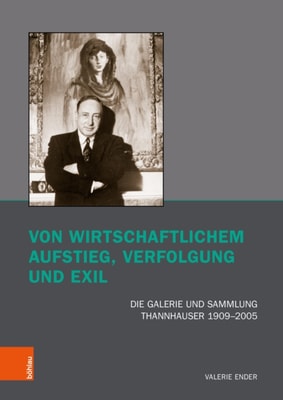
Die Galerie Thannhauser gehörte mit ihren Häusern in München (1909-1928), Luzern (1919-1928) und Berlin (1927-1937) neben den Kunsthandlungen Cassirer, Alfred Flechtheim, Paul Rosenberg, Ambroise Vollard oder auch der Galerie Wildenstein zu den bedeutendsten Förderern der Moderne im Europa der Vor- und Zwischenkriegszeit.
This volume presents for the first time a curated selection of essays written over the last 30 years by leading design thinker and educator, Tevfik Balcioglu.
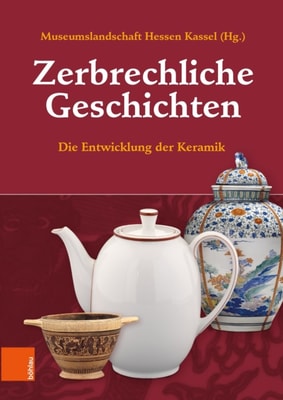
"Zerbrechliche Geschichten - Die Entwicklung der Keramik" stellt die vielfältigen und bedeutenden Keramiksammlungen der Museumslandschaft Hessen Kassel erstmals in einem Band vor.
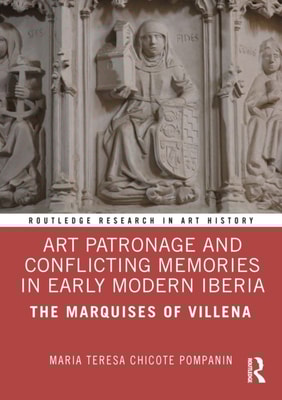
This volume investigates the mechanisms (artworks, treatises, and other forms of cultural patronage) that the Marquises of Villena and their opponents used to operate in the cultural battlefield of the time with the aim of understanding how their conflicting historical memories were constructed and manipulated.
Based on an extensive and very meticulous study of different archives and the evaluation of original, previously unpublished, archival material, this book highlights the key aspects and trends of the European and American art markets in the late nineteenth and early twentieth centuries.
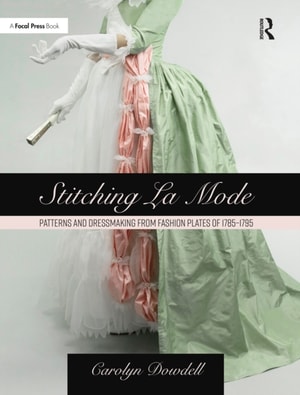
Stitching La Mode: Patterns and Dressmaking from Fashion Plates of 1785-1795 brings to life women's unique and extravagant fashions of 1785-1795 in a beautifully illustrated and accessible way.
Drawing on original designer interviews, this book explores how design interventions can and do support sex and gender equity and what barriers still stand in the way.
Seit den frühen 1980er Jahren hat sich die Forschung zur Kulturgeschichte des Geruchssinns vom Nischenansatz zu einem gewichtigen Zweig der Historiografie entwickelt, der auch die Medien, Projekte, Themen und Tropen der Kunst, Musik und Literatur in ein neues Licht rückt.
Con Breve historia del arte prehistórico y del Creciente Fértil (Mesopotamia y Antiguo Egipto) el lector tiene la oportunidad de conocer las tres grandes etapas iniciales de la historia del arte universal: las primeras creaciones del Homo Sapiens durante el Paleolítico superior a las que siguieron el arte neolítico y la edad de los metales; el arte mesopotámico en el Próximo Oriente y el arte del Egipto milenario, desde la protohistoria y el mítico faraón Narmer, pasando por las pirámides de Gizeh, la escultura en el Reino Antiguo y las creaciones del Reino Medio, hasta las colosales obras aéreas y subterráneas del Imperio Nuevo, adornadas en sus muros de espléndidas pinturas al fresco: los templos de Karnak y Luxor, las tumbas del Valle de los Reyes, de las Reinas y de los Nobles en Deir el Bahari, la escuela de Tell el-Amarna en torno al hereje Akhenatón, el speos de Abú Simbel presidido por las cuatro estatuas colosales de Ramsés II, el renacimiento saíta y la época ptolemaica hasta la caída del país del Nilo en poder de Roma.