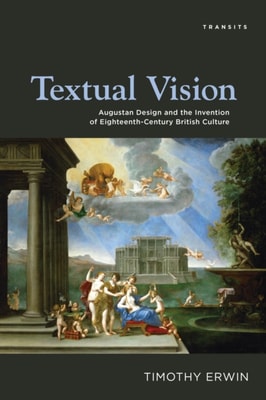
A stylish critique of literary attitudes towards painting, TextualVision explores the simultaneous rhetorical formation and empirical fragmentation of visual reading in enlightenment Britain.
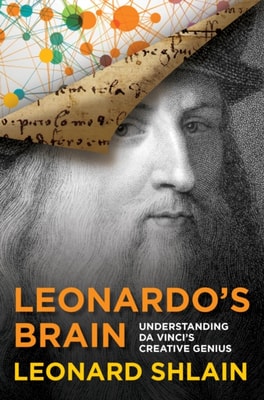
Best-selling author Leonard Shlain explores the life, art, and mind of Leonardo da Vinci, seeking to explain his singularity by looking at his achievements in art, science, psychology, and military strategy and then employing state of the art left-right brain scientific research to explain his universal genius.
Since media is omnipresent in our lives, it is crucial to understand the complex means and dimensions of media in history, and how we have arrived at the current digital culture.
Intersecting art, science and the scenographic mise-en-sc ne, this book provides a new approach to anatomical drawing, viewed through the contemporary lens of scenographic theory.
Situated within the wider post-secular turn in politics and international relations, this volume focuses not on religion per se, but rather explicitly on theology.
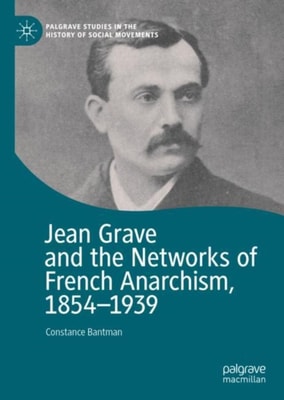
This biography charts the life and fascinating long militant career of the French anarchist journalist, editor, theorist, writer, campaigner and educator Jean Grave (1854-1939), from the run up to the 1871 Paris Commune to the eve of the Second World War.
Dieser Band stellt das Spannungsfeld von Wirklichkeit und Animation in den Mittelpunkt und lotet aus, inwieweit dieses Verhältnis interdisziplinär begriffen und (medien)theoretisch erfasst werden kann.
This thought provoking book deals with religious scholarship and important controversies of the early modern period, specifically those relating to the question of the salvation of the pagans and the afterlife.
Der vorliegende Band ist der neunte Band einer Reihe, in der sich eine Gruppe von Wissenschaftlerinnen und Wissenschaftlern, die sich 2014 an der Technischen Universität Dresden unter der Bezeichnung WEITERSEHEN – interdisziplinäre Perspektiven Dresdner Serienforschung zusammengefunden haben, mit sozial- und kulturwissenschaftlichen Fragen im Kontext aktueller TV Serien beschäftigt.
This book provides an overview of the institutional and intellectual development of sociology in Brazil from the early 1900s to the present day; through military coups, dictatorships and democracies.
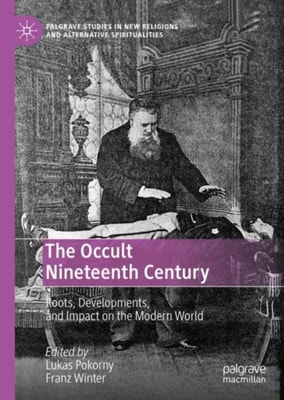
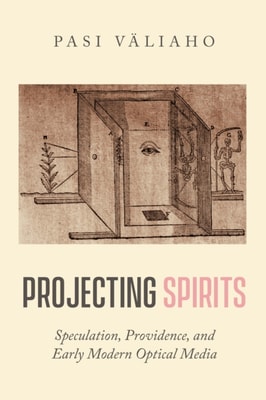
The nineteenth century witnessed a proliferation of alternative religious currents and practices, appropriating earlier traditions, entangling geographically distinct spiritual discourses, and crafting a repository of mindscapes eminently suitable to be accommodated by later generations of thinkers and practitioners.
The Politics of Reality Television encompasses an international selection of expert contributions who consider the specific ways media migrations test our understanding of, and means of investigating, reality television across the globe.
The end of the eighteenth century saw the start of a new craze in Europe: tiny portraits of single eyes that were exchanged by lovers or family members.
As Jewish writers, artists, and intellectuals made their way into Western European and Anglo-American cultural centers, they encountered a society obsessed with decadence.
Considered one of Russia’s greatest philosophers, Vladimir Soloviev (1853–1900) was also a theologian, historian, poet, and social and political critic.
Modernism in Havana reached its climax during the turbulent years of the 1950s as a generation of artists took up abstraction as a means to advance artistic and political goals in the name of Cuba Libre.
Frederic Church (1826–1900), the most celebrated painter in the United States during the mid-19th century, created monumental landscapes of North and South America, the Arctic, and the Middle East.
One of the most distinguished cultural and intellectual historians of our time, Frank Turner taught a landmark Yale University lecture course on European intellectual history that drew scores of students over many years.
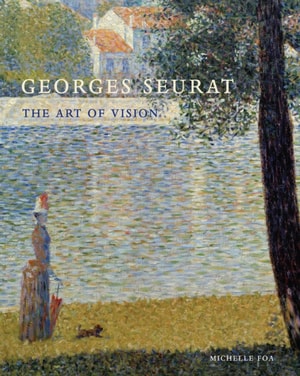
This revelatory study of Georges Seurat (1859–1891) explores the artist’s profound interest in theories of visual perception and analyzes how they influenced his celebrated seascape, urban, and suburban scenes.
A vivid portrait of two remarkable twentieth-century thinkers and their landmark collaboration on the use and abuse of caricature and propaganda in the modern world In 1934, Viennese art historian and psychoanalyst Ernst Kris invited his mentee E.
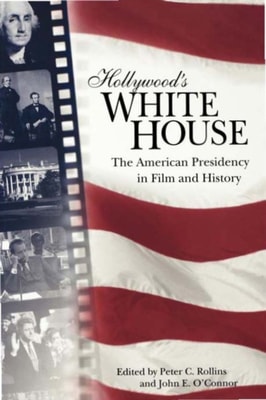
"e; Winner of the 2003 Ray and Pat Browne Book Award, given by the Popular Culture Association The contributors to Hollywood's White House examine the historical accuracy of these presidential depictions, illuminate their influence, and uncover how they reflect the concerns of their times and the social and political visions of the filmmakers.
Piet Mondrian pioneered the de Stijl movement—Dutch for “The Style”—that emerged in the early 20th century and which served as an important transition from a focus on Symbolism and Realism to a new and growing focus on abstraction.
Katsushika Hokusai is the most famous of a sequence of names used by a versatile and long-lived Japanese artist who worked in many genres and schools, evolving a unique style that made him known then as well as now as a true master.
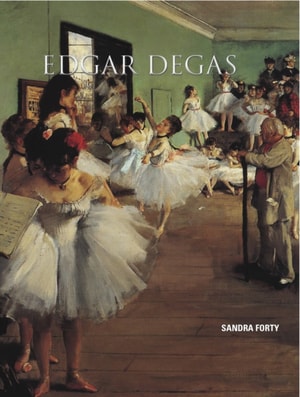
Edgar Degas began as a classical painter of genre history scenes and died as one of the greatest and most innovative names in French art—although as with so many other artists, he did not receive a great deal of recognition in his lifetime.
The Flemish artist Pieter Bruegel—sometimes called Peasant Bruegel—was the first great artist to paint scenes of ordinary peasant life and show the common man and woman as they went about their daily tasks and amusements.
War Baby / Love Child examines hybrid Asian American identity through a collection of essays, artworks, and interviews at the intersection of critical mixed race studies and contemporary art.
Paul Cézanne, a French artist and Post-Impressionist painter, was an important catalyst to the transition from the 19th-century conception of artistic endeavor to the modern and radically different world of art that emerged full bore in the 20th century.
A bold reorientation of art history that bridges the divide between fine art and material culture through an examination of objects and their usesArt history is often viewed through cultural or national lenses that define some works as fine art while relegating others to the category of craft.
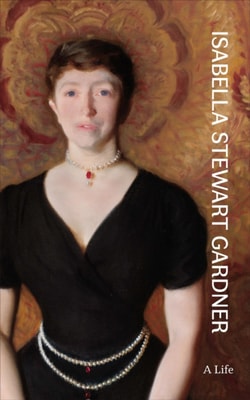
A major new biography of legendary art collector and philanthropist Isabella Stewart GardnerIsabella Stewart Gardner (1840-1924) assembled an extraordinary collection of art from diverse cultures and eras-and built a Venetian-style palazzo in Boston to share these exquisite treasures with the world.
This book examines the economic circumstances in which films were produced, distributed, exhibited, and consumed during the spoken era of film production until 1970.