Stories of Remarkable People and Enduring Love in the Time of WoodstockIn the 1960s and '70s, Frank Yandolino rode the hippie counterculture movement alongside visionaries like Artie Kornfeld and Michael Lang, and he helped put together the Woodstock Festival of 1969, the eras emblem of love and peace.
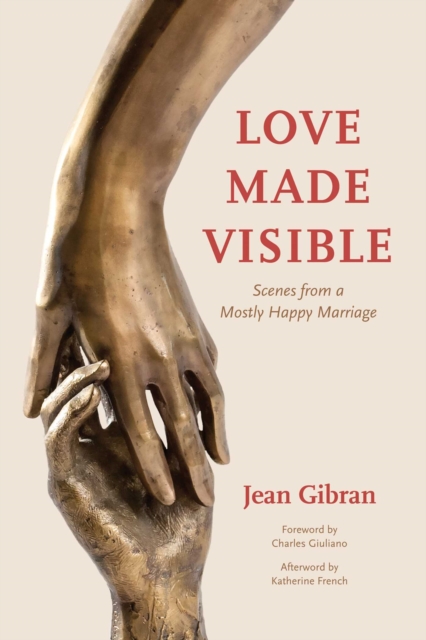
A TOUCHING MEMOIR OF ART AND MARRIAGE IN BOSTON'S VIBRANT SOUTH END In Love Made Visible, Jean Gibran portrays her role as spouse of a gifted artist and their often stormy family life together in Boston's diverse South End.
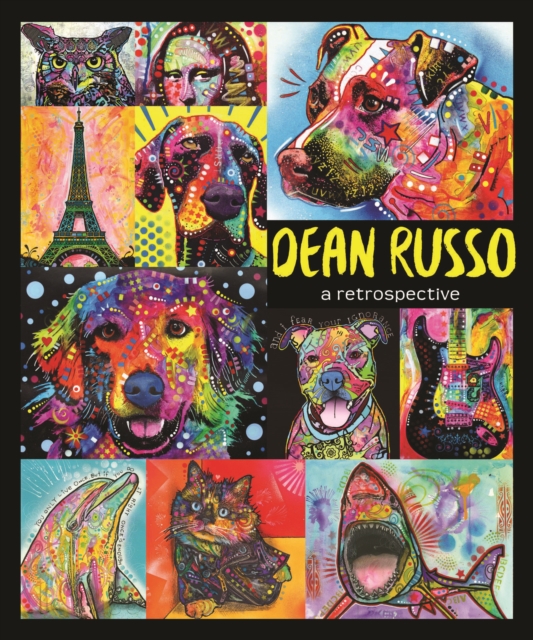
The Beauty of the Beast Featuring 200 superb images, this book is the first retrospective of the work of Dean Russo, a Brooklyn-based artist known for his soulful animal portraits.
A larger-than-life figure in the design community with a client list to match, Paula Scher turned her first major project as a partner at Pentagram into a formative twenty-five-year relationship with the Public Theater in New York.
Headline: A peak behind the Hollywood mask by one of its foremost makeup artistsIn Hollywood's heyday, almost every major studio had a Westmore heading up the makeup department.
Violet Oakley: An Artist's Life is the first full-length biography of Violet Oakley (1874-1961), the only major female artist of the beaux-arts mural movement in the United States, as well as an illustrator, stained glass artist, portraitist and author.
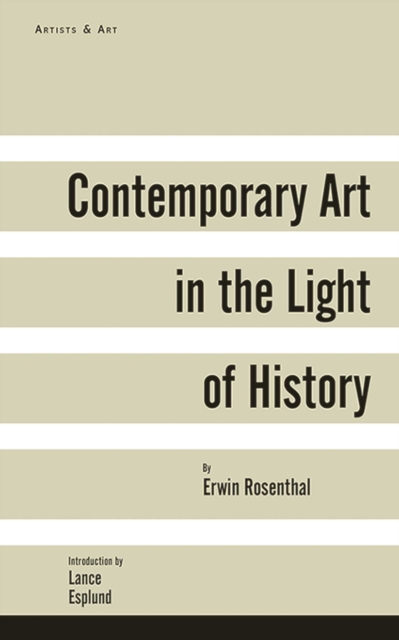
Erwin Rosenthals Contemporary Art in the Light of History, originally published in 1971, is a small masterpiece of writing on the art of the twentieth century.
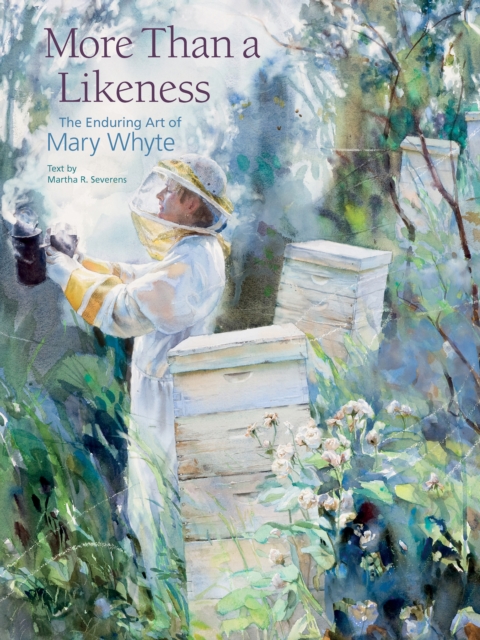
More Than a Likeness: The Enduring Art of Mary Whyte is the first comprehensive book on the life and work of one of today's most renowned watercolorists.
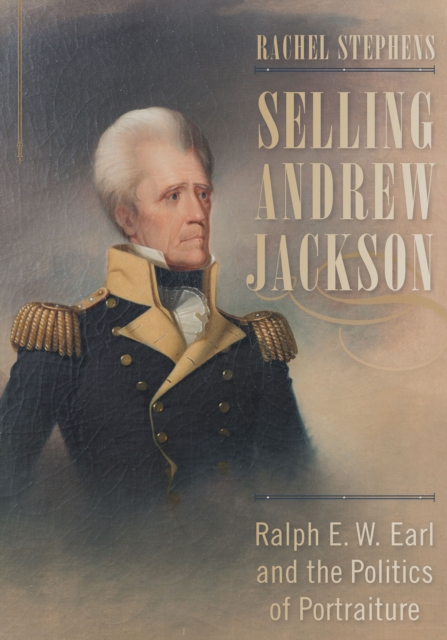
A thorough examination of the portrait painter who helped shape the image and reputation of an American presidentSelling Andrew Jackson is the first book-length study of the American portrait painter Ralph E.
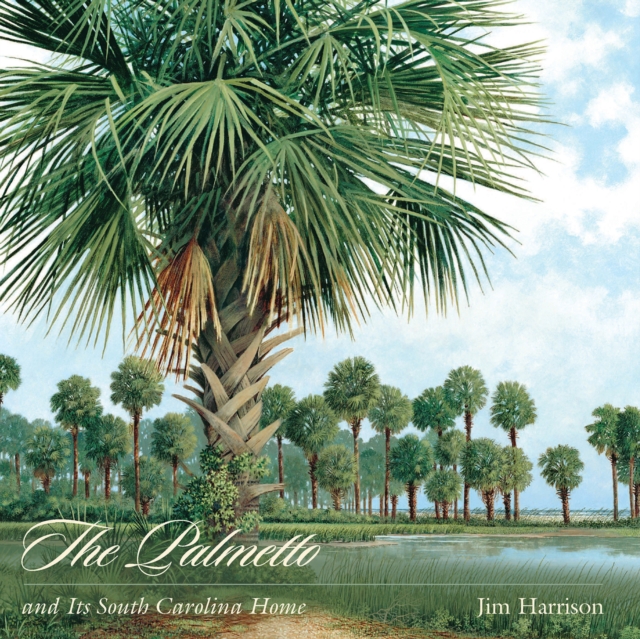
With its fanlike evergreen fronds, soft trunk, and strong root system, the palmetto is a wind-adapted palm that can bend with strong sea breezes without breaking or being uprooted.
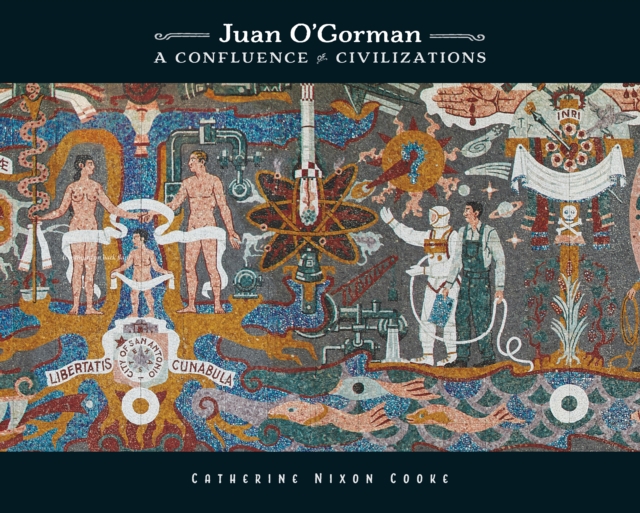
To create the "e;Confluence of Civilizations"e; mural commissioned for the 1968 World's Fair in San Antonio, Texas, Juan O'Gorman collected natural stones from all over Mexicotwelve colors in allfield stones that the artist knew would never fade or change their hue.
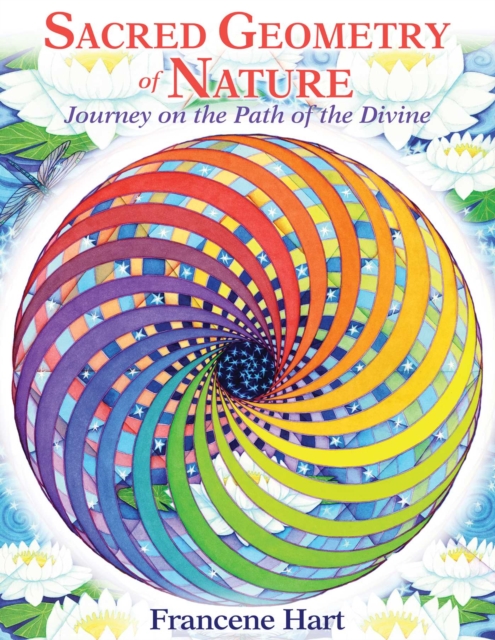
A fully illustrated inspirational art book from visionary painter Francene Hart Includes more than 80 full-color reproductions of Harts intricate watercolor paintings and the stories behind them Recounts the evolution of her art and her discovery of the hidden order of Nature that led to her masterful artistic integrations of Nature, Spirit, and Sacred Geometry Explores how to tap into the energies provided by spirit guides and power animals, like Jaguar, Raven, Octopus, and Dolphin, and harness the intelligence of the heart for creative inspiration and visionEvery one of us possesses the potential to receive visionary experiences and integrate them into our lives.
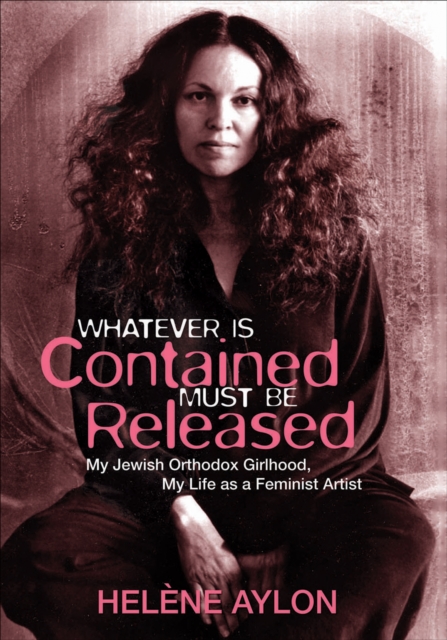
'[A] richly evocative, captivating, and reflective memoir"e; of a feminist artist who broke free of the limits placed on her by family, Judaism and society (Publishers Weekly).
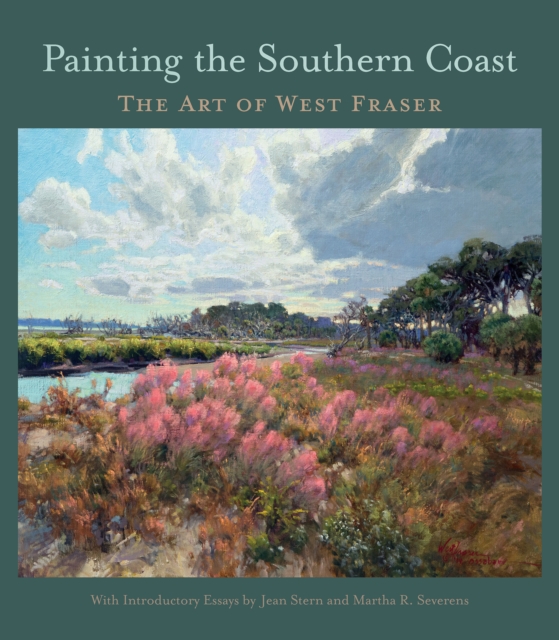
The beauty and spirit of coastal landscapes and waterways captured and celebrated in artPainting the Southern Coast: The Art of West Fraser is a stunning collection of the works of West Fraser, one of the nation's most respected painters of representational art.
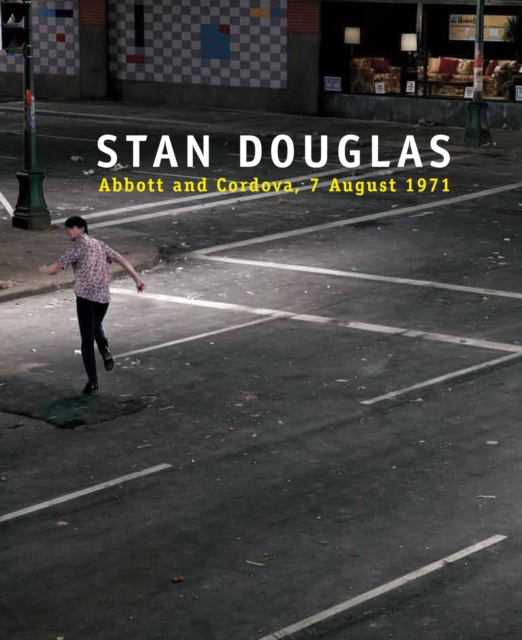
This is an art book on the politics of urban conflict based around artist Stan Douglas' stunning photo installation of the same name, depicting a violent confrontation in 1971 between police and Vancouver's counterculture known as the Gastown Riot.
A major reevaluation of Caravaggio from one of today's leading art historiansThis is a groundbreaking examination of one of the most important artists in the Western tradition by one of the leading art historians and critics of the past half-century.
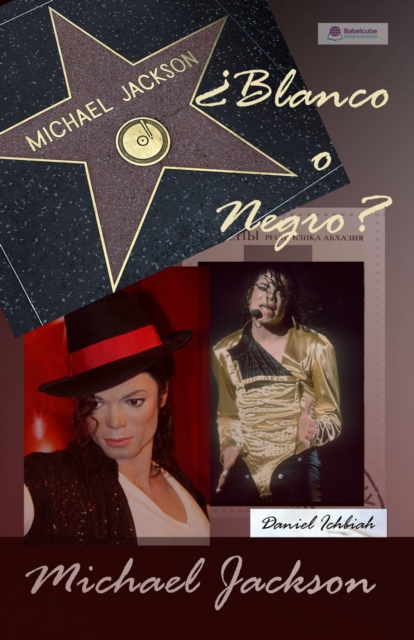
Descripción De todas las estrellas que aparecieron después de muchas décadas, Michael Jackson era la más fascinante, esa que nos lleva casi que a hacerle un análisis inmediato.
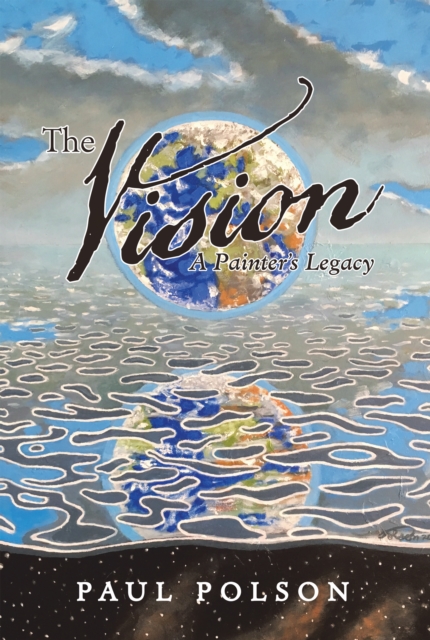
Like most young men during the rebellious sixties, author Paul Polson lived through the societal changes and music of the time as well as the effects of the Vietnam War.
The Great Convergence explores the existential foundations of human consciousness and the deep existential dimensions of reality, as well as their connection to the concept of The Creator.
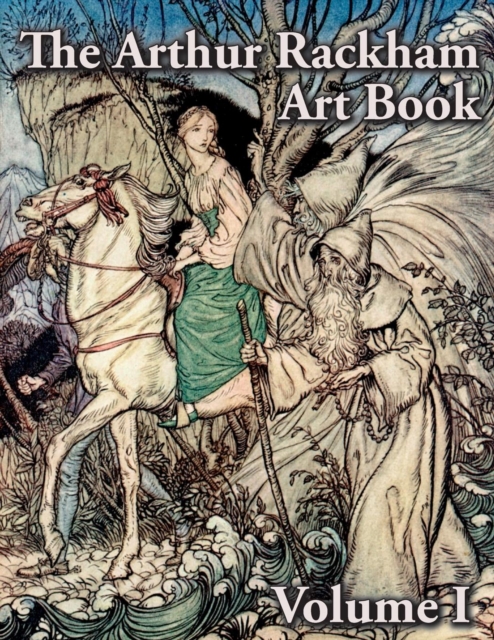
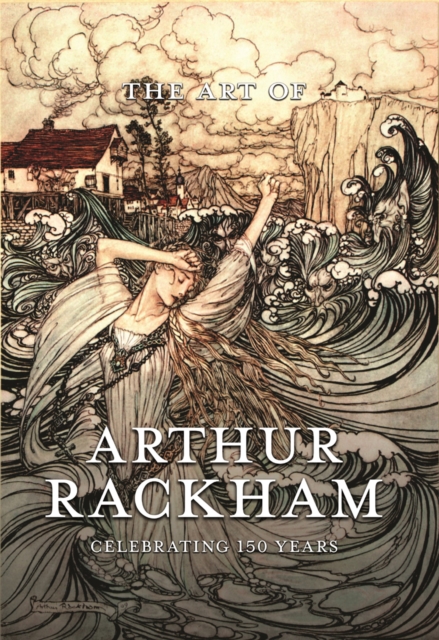
This book forms part of a series, dedicated to the artwork of Arthur Rackham -(1867 - 1939), one of the most celebrated artists of the British Golden Age of Illustration.
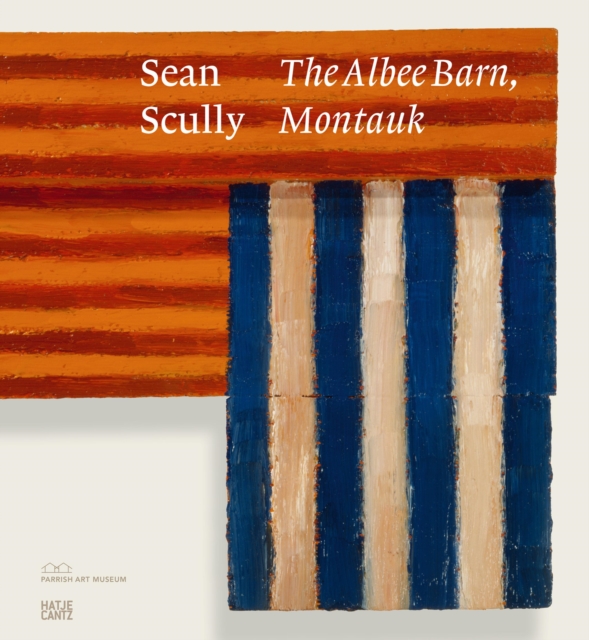
This richly illustrated catalogue brings together over 70 works created by Sean Scully between 1981 and 2024, focusing on the artist's transformative encounter with the natural landscape of Montauk, Long Island.