Actor Kal Penn recounts why he rejected the advice of his aunties and guidance counselors and, instead of becoming a doctor or something practical, embarked on a surprising journey that has included confronting racism in Hollywood, meeting his future husband, and serving as an Obama White House aide in this incredibly joyful and insightful (Kiefer Sutherland) memoir.
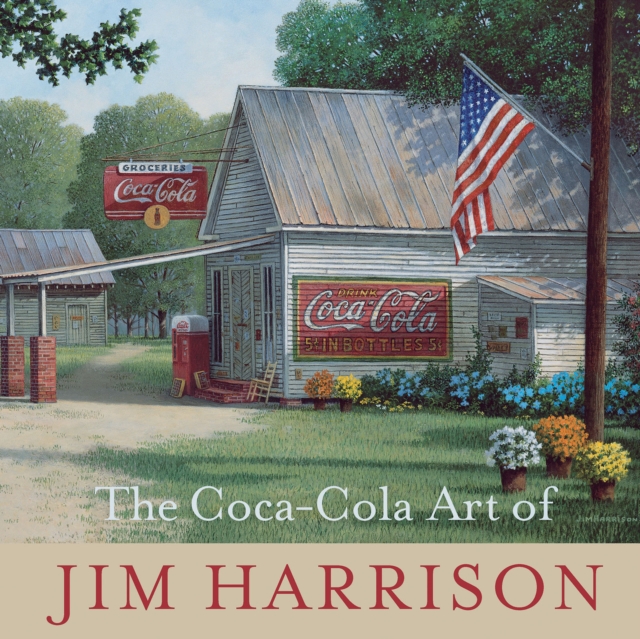
The story of how a summer job spawned a long and rewarding career as an artistCoca-Cola is a true American original and one of the world's most recognized and popular American products.
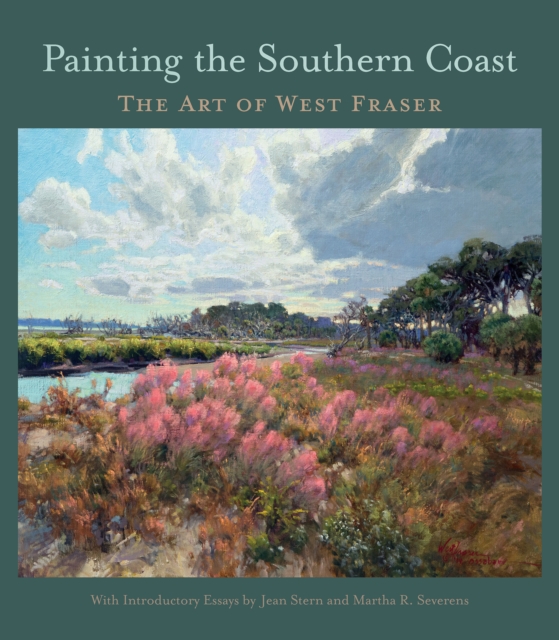
The beauty and spirit of coastal landscapes and waterways captured and celebrated in artPainting the Southern Coast: The Art of West Fraser is a stunning collection of the works of West Fraser, one of the nation's most respected painters of representational art.
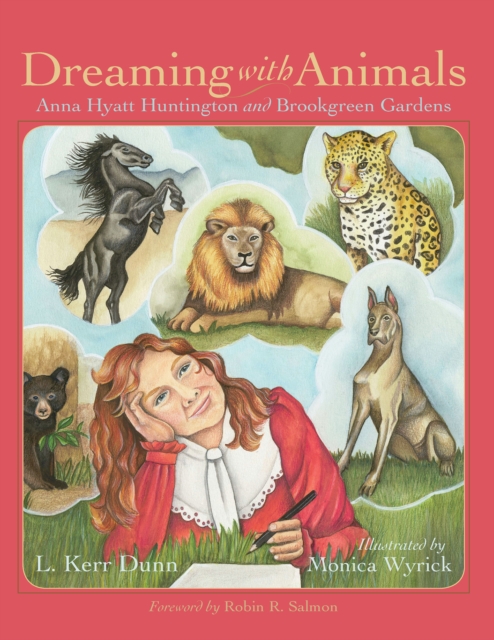
The story of the extraordinary life and art of a renowned female sculptor of realistic animal statuesDreaming with Animals is the first children's biography of celebrated sculptor and Brookgreen Gardens cofounder Anna Hyatt Huntington.
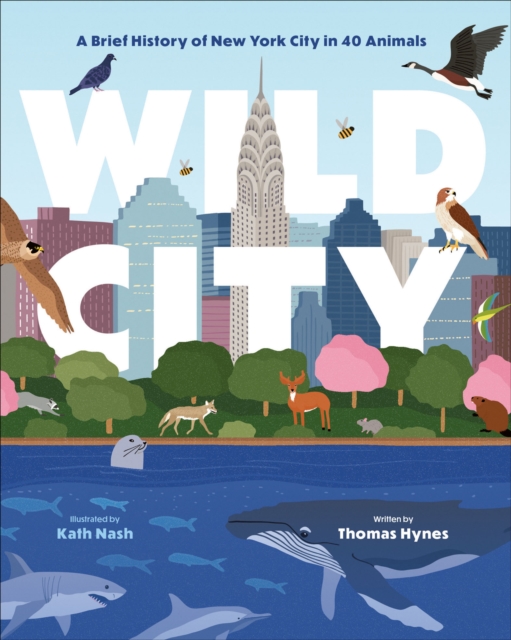
An illustrated guide to 40 of the most well-known, surprising, notorious, mythical, and sublime non-human citizens of New York City, and love letter to its surprising ecological diversity.
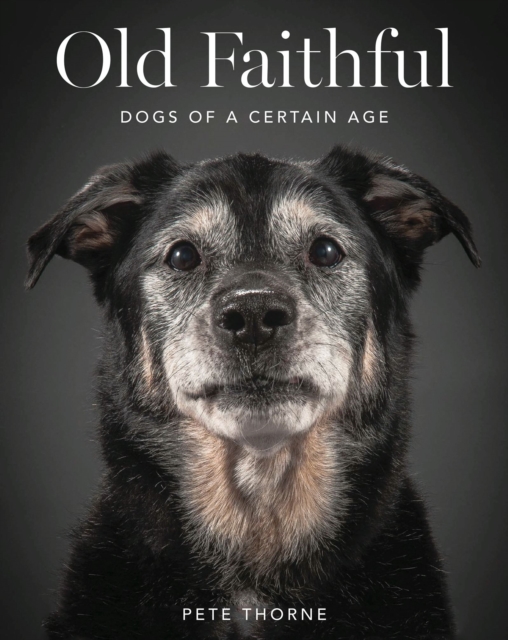
A stunning and indelible collection of portraits and stories that capture dogs of a certain age in all their patchy, scruffy, jowly, and devoted gloryan homage to mans best friend, based on the popular international photography project.
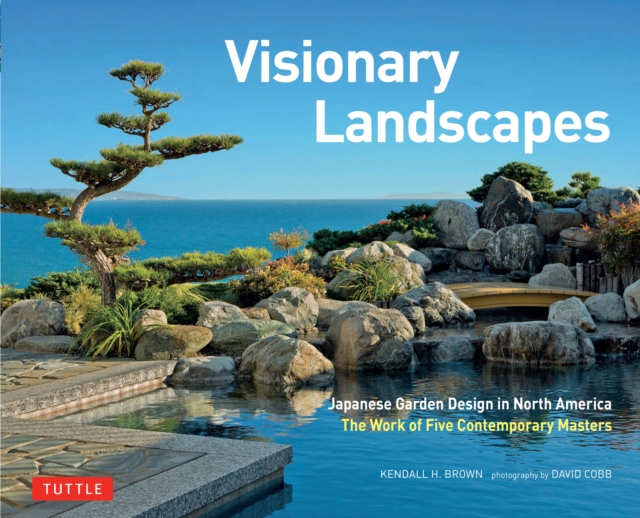
Zen Buddhist priest Shunmyo Masuno understands that today's busy world leaves little time or space for self-reflection, but that a gardeneven in the most urban of spacescan provide some respite.
Through a long and chequered career, Mick Farren has functioned as a writer, poet, rock star, recording artist, rabble-rouser, critic and commentator, and even won a protracted obscenity trial at the Old Bailey.
The thoughtful, revealing and NEW YORK TIMES BESTSELLING memoir from one of the world's most recognisable women, renowned for her bold risk-taking and activism'One of the juiciest memoirs in years .
Discover the enthralling story of the HMS Queen Elizabeth, the Royal Navy's largest ever aircraft carrier and SUBJECT OF THE MAJOR NEW BBC DOCUMENTARY SERIES THE WARSHIP'Fascinating, often funny and sometimes moving .
The author of the hit parody The Panda, the Cat and the Dreadfully Teddy draws on the simple, idyllic world of Beatrix Potter to shed light on some of the most pertinent issues of our time.
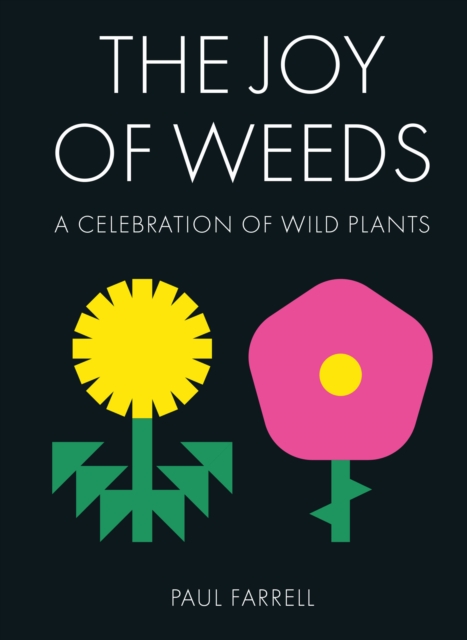
A colourful, illustrated celebration of wild plants around the world, and why we should love them not loathe them, with 50 graphic illustrations by Paul Farrell.
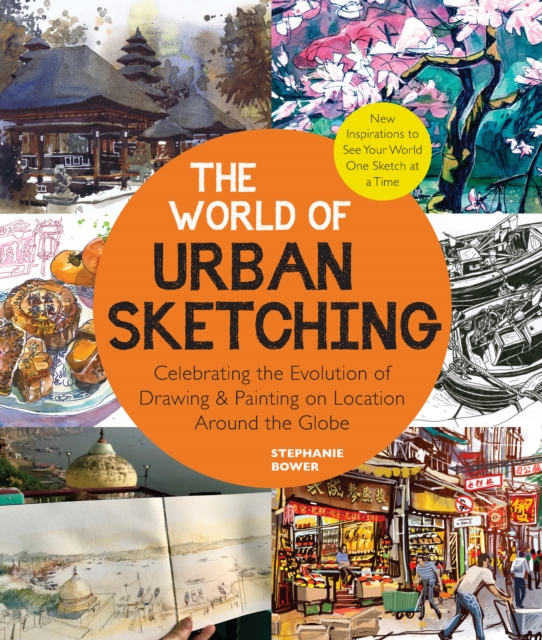
Award-winning urban sketcher and best-selling author Stephanie Bower presents a spectacular, all-new collection of sketchers and their art from 39 countries in a city-to-city tour around the world.
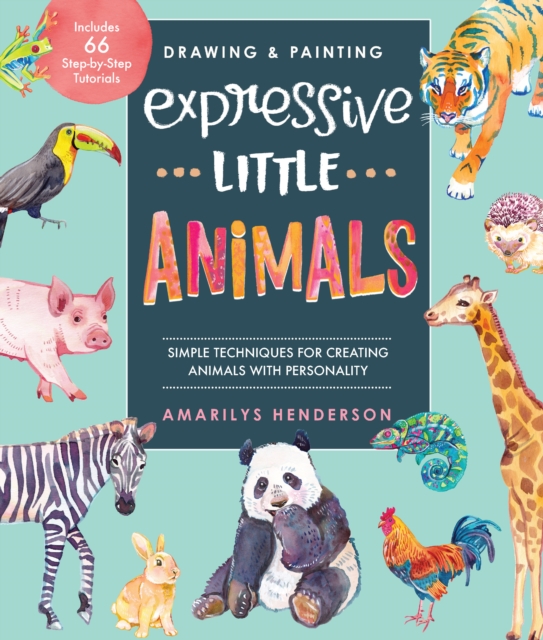
Drawing and Painting Expressive Little Animals presents practical and creative techniques for drawing and painting animals in a variety of mediums and styles, from realistic to cartoon.
Shine is your chance to sit down with Samantha Armytage, co-host of Channel Seven's top-rating Sunrise, where she takes you inside her world and the lessons she's learned (and is still learning!
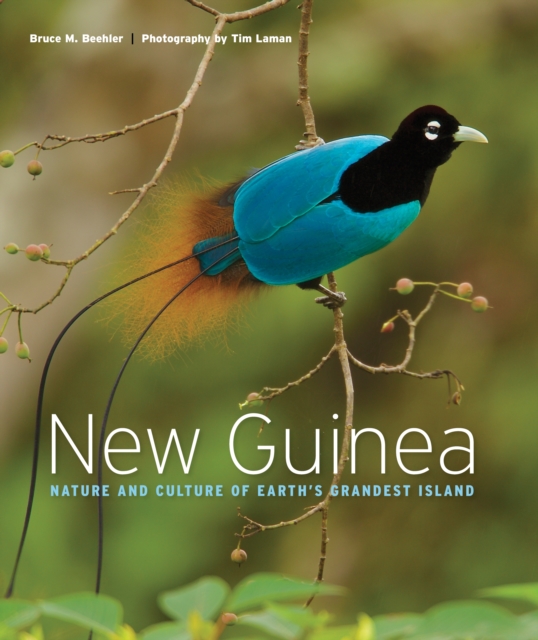
An enthralling exploration of the biologically richest island on Earth, featuring more than 200 spectacular color images by award-winning National Geographic photographer Tim LamanIn this beautiful book, Bruce Beehler, a renowned author and expert on New Guinea, and award-winning National Geographic photographer Tim Laman take the reader on an unforgettable journey through the natural and cultural wonders of the world's grandest island.
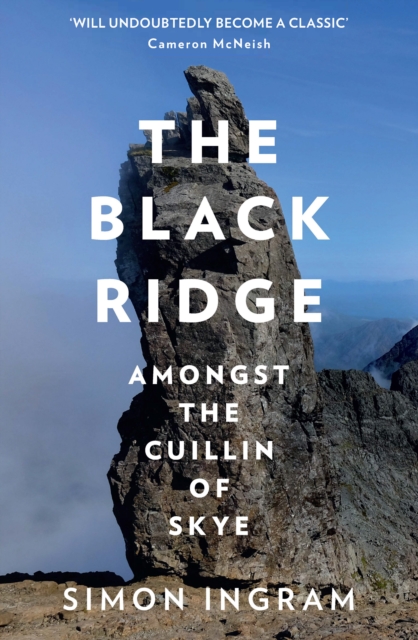
'Will undoubtedly become a classic narrative of this scenically magnificent, legend-rich and geologically unique part of Scotland' Cameron McNeish, The HeraldRising a kilometre out of the storm-scoured waters around Scotland's Isle of Skye is a dark battlement of pinnacles and ridgelines: the Cuillin.