Cultural Democracy explores the crisis of our national cultural vitality, as access to the arts becomes increasingly mediated by a handful of corporations and the narrow tastes of wealthy elites.
Fictions of Art History, the most recent addition to the Clark Studies in the Visual Arts series, addresses art history's complex relationships with fiction, poetry, and creative writing.
An illuminating investigation into a class of enterprising women aspiring to "e;make it"e; in the social media economy but often finding only unpaid workProfound transformations in our digital society have brought many enterprising women to social media platforms from blogs to YouTube to Instagram in hopes of channeling their talents into fulfilling careers.
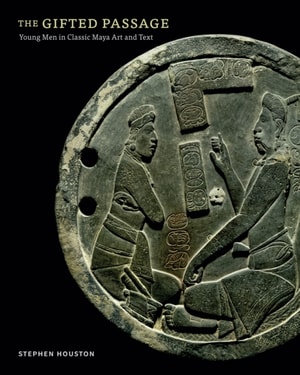
In this thought-provoking book, preeminent scholar Stephen Houston turns his attention to the crucial role of young males in Classic Maya society, drawing on evidence from art, writing, and material culture.
An exploration of what it means to be fabulous-and why eccentric style, fashion, and creativity are more political than everPrince once told us not to hate him 'cause he's fabulous.
A compact and accessible edition of Hume’s political and moral writings with essays by a distinguished set of contributors A key figure of the Scottish Enlightenment, David Hume was a major influence on thinkers ranging from Kant and Schopenhauer to Einstein and Popper, and his writings continue to be deeply relevant today.
Sometime before 1579, Zhou Lujing, a professional writer living in a bustling commercial town in southeastern China, published a series of lavishly illustrated books, which constituted the first multigenre painting manuals in Chinese history.
A portrait of empire through the biographies of a Native American, a Pacific Islander, and the British artist who painted them both Three interconnected eighteenth-century lives offer a fresh account of the British empire and its intrusion into Indigenous societies.
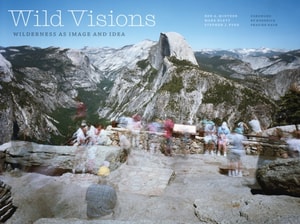
A stunning combination of landscape photography and thematic essays exploring how the concept of wilderness has evolved over time Our ideas of wilderness have evolved dramatically over the past one hundred and fifty years, from a view of wild country as an inviolable "e;place apart"e; to one that exists only within the matrix of human activity.
From the 1920s through the 1950s, two individuals, Joseph Urban and Norman Bel Geddes, did more, by far, to create the image of “America” and make it synonymous with modernity than any of their contemporaries.
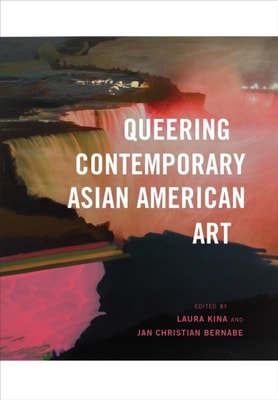
Queering Contemporary Asian American Art takes Asian American differences as its point of departure, and brings together artists and scholars to challenge normative assumptions, essentialisms, and methodologies within Asian American art and visual culture.
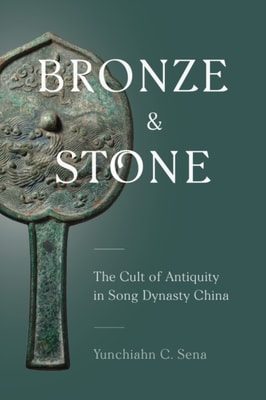
Despite Chinas long tradition of venerating the past as the ultimate source of cultural authority, the discourse of antiquity prior to the Song period (9601279) demonstrated little concern for ancient objects.
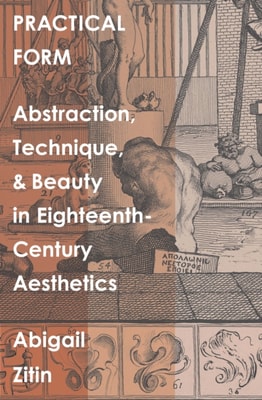
A groundbreaking study of the development of form in eighteenth-century aesthetics In this original work, Abigail Zitin proposes a new history of the development of form as a concept in and for aesthetics.
From the fluttering fabric of a tent, to the blurred motion of the potters wheel, to the rhythm of a horse puppets wooden hoovesthese scenes make up a set of mid-1980s art exhibitions as part of the U.
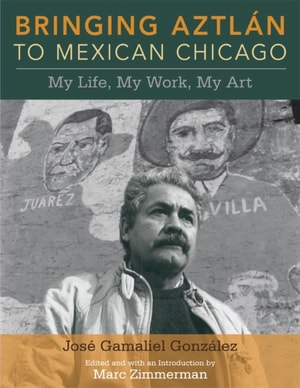
Bringing Aztlan to Mexican Chicago is the autobiography of Jose Gamaliel Gonzalez, an impassioned artist willing to risk all for the empowerment of his marginalized and oppressed community.
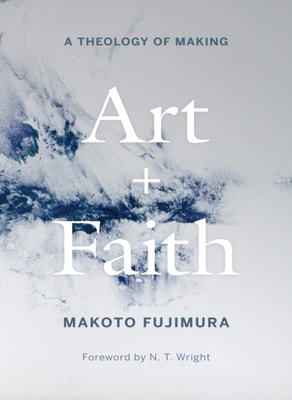
From a world-renowned painter, an exploration of creativity's quintessential-and often overlooked-role in the spiritual life Written over thirty years of painting and creating in his studio, this book is Makoto Fujimura's broad and deep exploration of creativity and the spiritual aspects of "e;making.
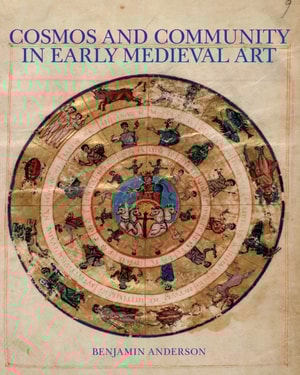
In the rapidly changing world of the early Middle Ages, depictions of the cosmos represented a consistent point of reference across the three dominant states—the Frankish, Byzantine, and Islamic Empires.
How Robespierre's career and legacy embody the dangerous contradictions of democracyMaximilien Robespierre (1758-1794) is arguably the most controversial and contradictory figure of the French Revolution, inspiring passionate debate like no other protagonist of those dramatic and violent events.
Where previous accounts of the Renaissance have not fully acknowledged the role that music played in this decisive period of cultural history, Laurenz Lutteken merges historical music analysis with the analysis of the other arts to provide a richer context for the emergence and evolution of creative cultures across civilizations.
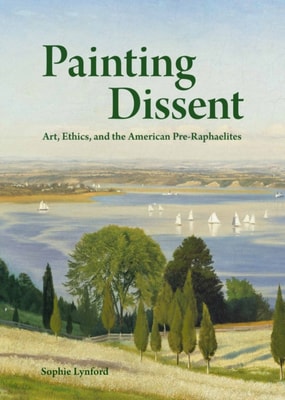
A revelatory history of the first artist collective in the United States and its effort to reshape nineteenth-century art, culture, and politicsThe American Pre-Raphaelites founded a uniquely interdisciplinary movement composed of politically radical abolitionist artists and like-minded architects, critics, and scientists.
A vivid account of Dutch seventeenth-century art and material culture against the backdrop of the geopolitics of the early modern worldThe seventeenth century witnessed a great flourishing of Dutch trade and culture.
This book is a full-color catalogue raisonne interprets the distinctive furniture made by John Shearer, one of the most accomplished and intriguing furniture makers during the post-Revolutionary period.
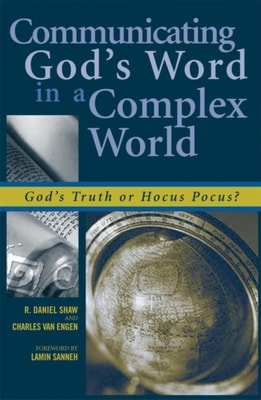
Communicating God's Word in a Complex World reaches out to the growing number of missionaries, pastors, Bible translators and teachers, mission and theological educators and students dealing with communicating the gospel.
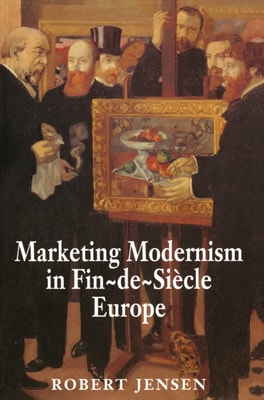
In this fundamental rethinking of the rise of modernism from its beginnings in the Impressionist movement, Robert Jensen reveals that market discourses were pervasive in the ideological defense of modernism from its very inception and that the avant-garde actually thrived on the commercial appeal of anti-commercialism at the turn of the century.
From individual grains to desert dunes, from the bottom of the sea to the landscapes of Mars, and from billions of years in the past to the future, this is the extraordinary story of one of nature's humblest, most powerful, and most ubiquitous materials.
A timely defense of liberalism that draws vital lessons from its greatest midcentury proponentsToday, liberalism faces threats from across the political spectrum.
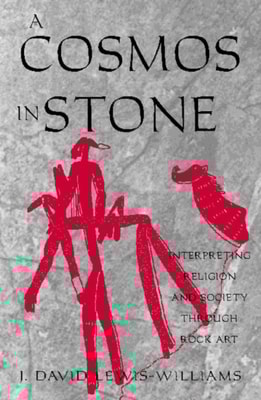
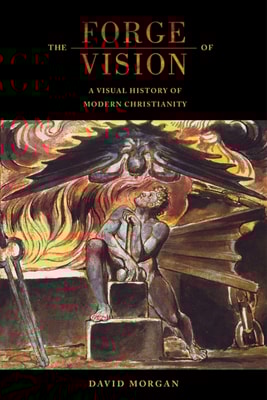
Religions teach their adherents how to see and feel at the same time; learning to see is not a disembodied process but one hammered from the forge of human need, social relations, and material practice.
Focusing on one landmark catastrophic event in the history of an emerging modern nation-the Great Kanto Earthquake that devastated Tokyo and surrounding areas in 1923-this fascinating volume examines the history of the visual production of the disaster.
This provocative study asks why we have held on to vivid images of the Nazis' total control of the visual and performing arts, even though research has shown that many artists and their works thrived under Hitler.
This is the first book of its kind to examine the development of the confessional subject in video art and demonstrate how it can provide a vital platform for navigating the politics of self, subjectivity, and resistance in society.