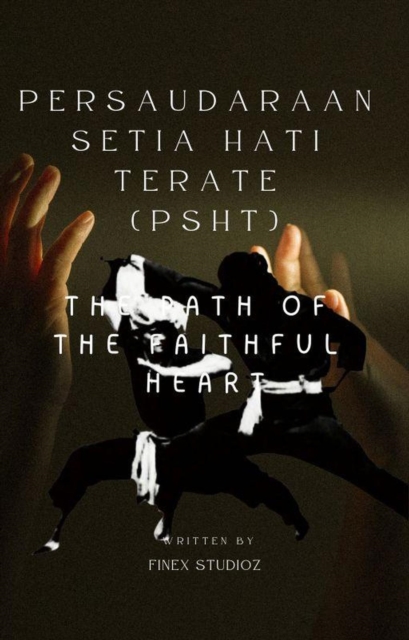
From the refined sensitivity of Cikalong, born from the meditation of a Javanese nobleman, to the massive brotherhood of PSHT and the modern sporting focus of organizations like KPS Nusantara, Indonesian Pencak Silat is a vibrant and diverse ecosystem.
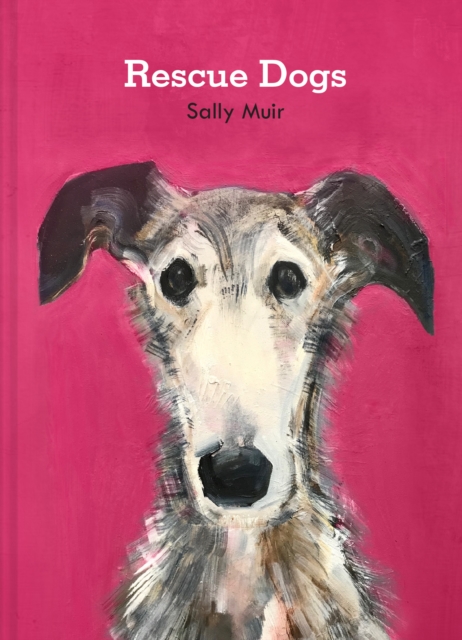
Following the success of A Dog a Day and Old Dogs, Sally Muir returns with an adorable collection of beautiful rescue dog portraits that will melt even the coldest of hearts.
From the sacred halls of the Mataram Kingdom to the training grounds of Indonesia's most elite soldiers, the journey of Merpati Putih is a powerful narrative of preservation, adaptation, and service.
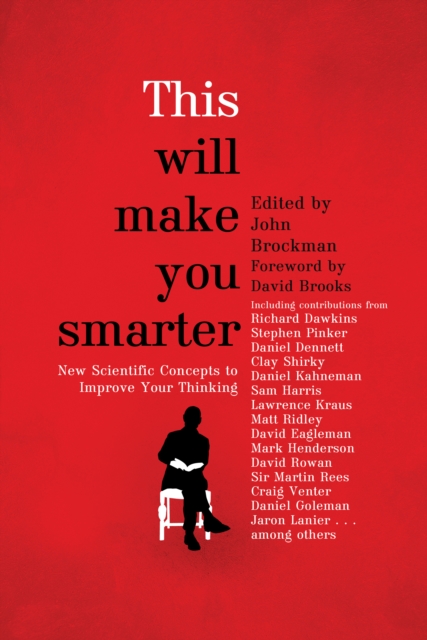
Over 150 of the world's leading scientists and thinkers offer their choice of the ideas, strategies and arguments that will help all of us understand our world, and its future, better.
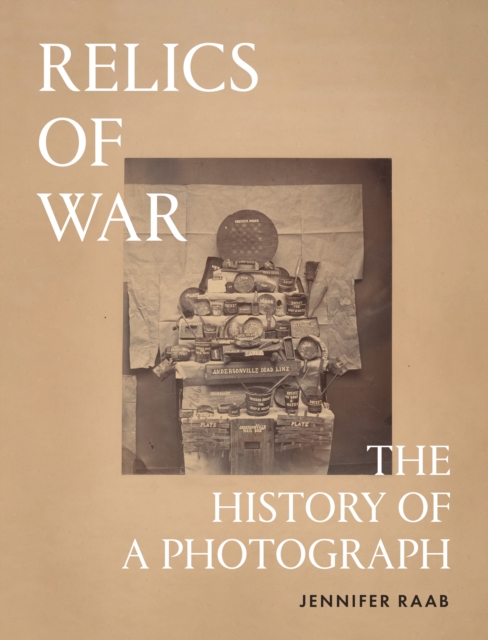
How a single haunting image tells a story about violence, mourning, and memoryIn 1865, Clara Barton traveled to the site of the notorious Confederate prison camp in Andersonville, Georgia, where she endeavored to name the missing and the dead.
How a single haunting image tells a story about violence, mourning, and memoryIn 1865, Clara Barton traveled to the site of the notorious Confederate prison camp in Andersonville, Georgia, where she endeavored to name the missing and the dead.
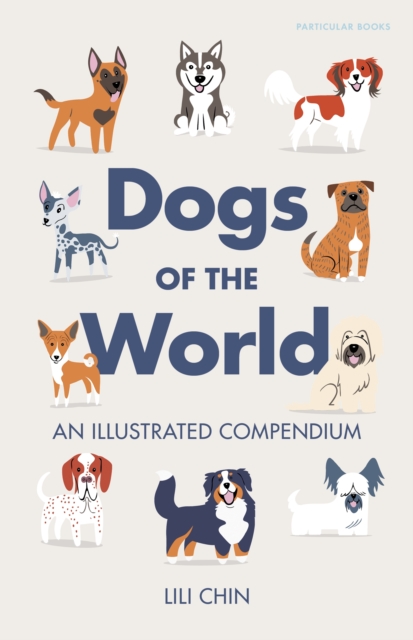
In Dogs of the World, animal illustrator Lili Chin introduces more than six hundred breeds of dog from around the globe in a captivating canine gallery, from the English Springer Spaniel and Moroccan A di to the Thai Ridgeback and the New Guinea Singing Dog as well as those dogs with no defined breed at all.
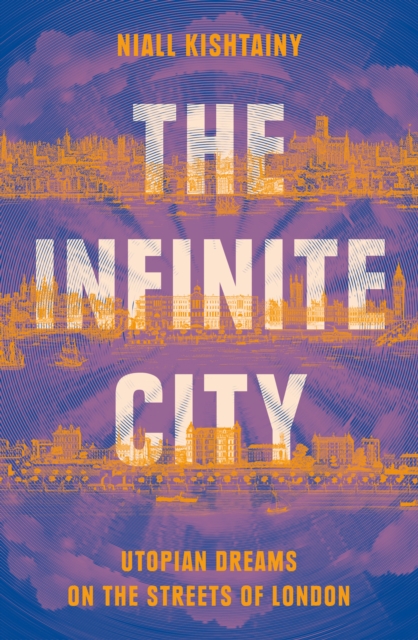
'Glorious' Guardian'Vigorous, rigorous and eminently readable' SPECTATORIn his soaring new book, Niall Kishtainy draws us into the imaginative worlds of Thomas More, the Diggers, William Morris and Extinction Rebellion protestors.
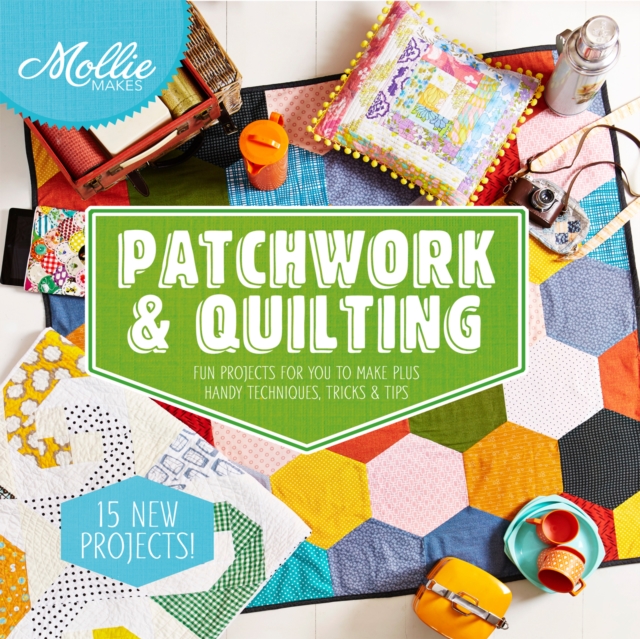
Quilting is a hugely popular pastime, with many people all over the world producing beautiful quilts to be displayed as wall hangings for display, as well as to be used as bedcovers and throws.
WINNER: Business Book Awards 2018 - 'Selling The Dream' category (1st edition)In an increasingly competitive professional services sector, it is vital that firms have an effective tendering strategy.
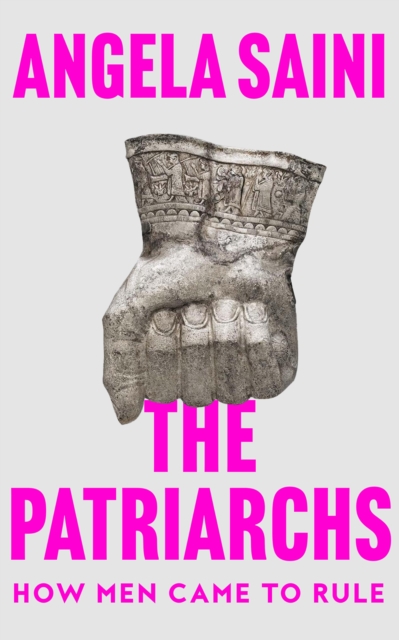
SHORTLISTED FOR THE ORWELL PRIZE FOR POLITICAL WRITING 2023A WATERSTONES BOOK OF YEAR FOR POLITICS 2023'I learned something new on every page of this totally essential book' Sathnam Sanghera'By thinking about gendered inequality as rooted in something unalterable within us, we fail to see it for what it is: something more fragile that has had to be constantly remade and reasserted.
DISTINGUISHED FAVORITE: NYC Big Book Award 2021 - Marketing & PRMany organizations and leaders struggle to respond effectively to fast-evolving customer expectations driven by innovations in products, services and technologies such as AI and mobile.
Win the attention of high-level decision makers in large corporations; spark their interest and earn their trust to achieve long-term, sustainable mutual value.
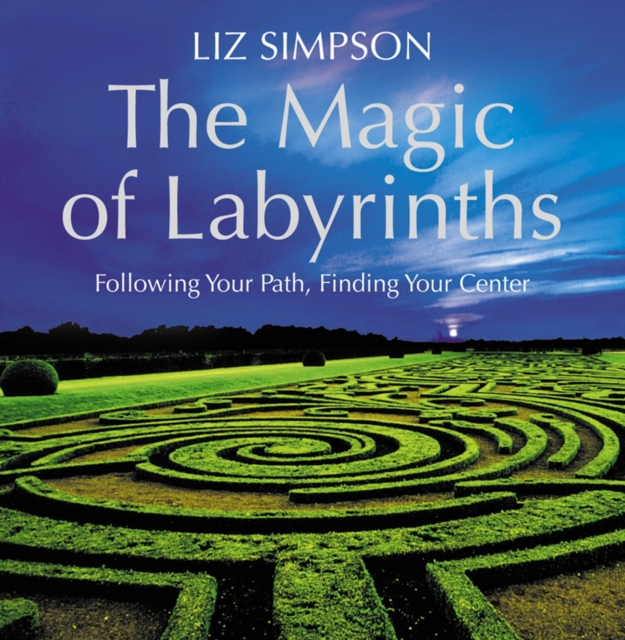
Many of us long to connect with something greater than ourselves to experience the sacred in our daily lives, and to enhance our sense of spiritual enlightenment - yet often we don't know where to begin.
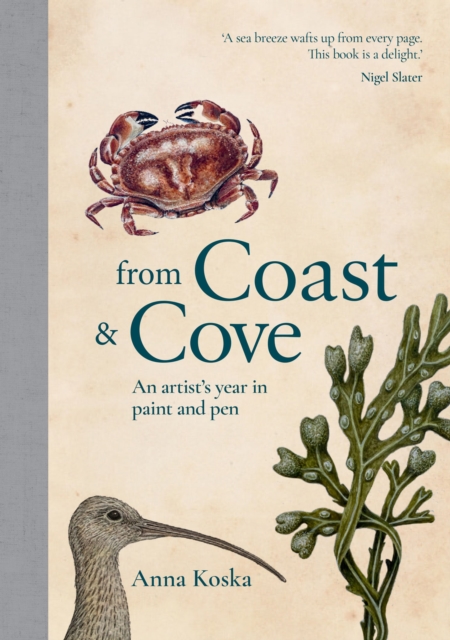
Highly respected illustrator Anna Koska is best known for her drawings of fish and fruit and is widely celebrated by food journalists and restaurateurs.
Win the attention of high-level decision makers in large corporations; spark their interest and earn their trust to achieve long-term, sustainable mutual value.
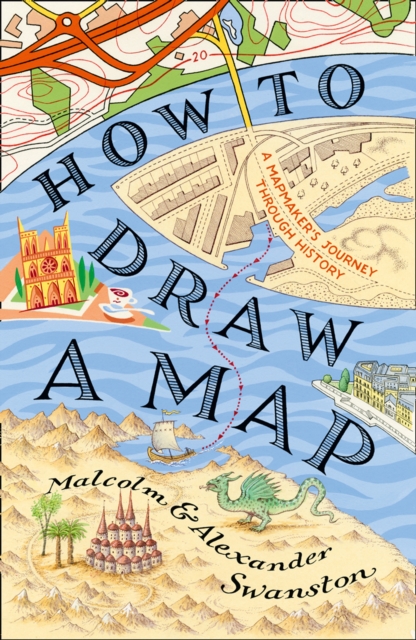
How to Draw a Map is a fascinating meditation on the centuries-old art of map-making, from the first astronomical maps to the sophisticated GPS guides of today.
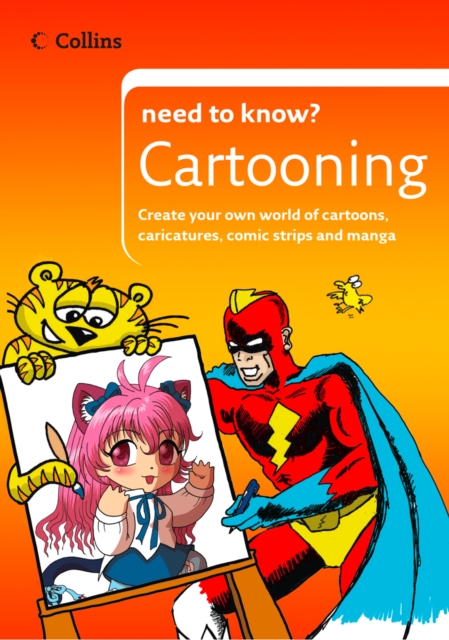
This practical step-by-step guide provides an ideal introduction to the exciting and fun world of cartooning, covering a wide range of cartoons, caricatures, comic strips and manga.
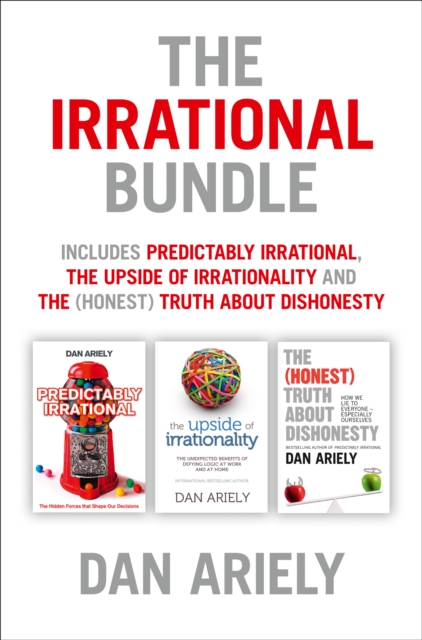
Dan Ariely's three New York Times bestselling books on his groundbreaking behavioral economics research, Predictably Irrational, The Upside of Irrationality, and The (Honest) Truth About Dishonesty, are now available for the first time in a single volume.
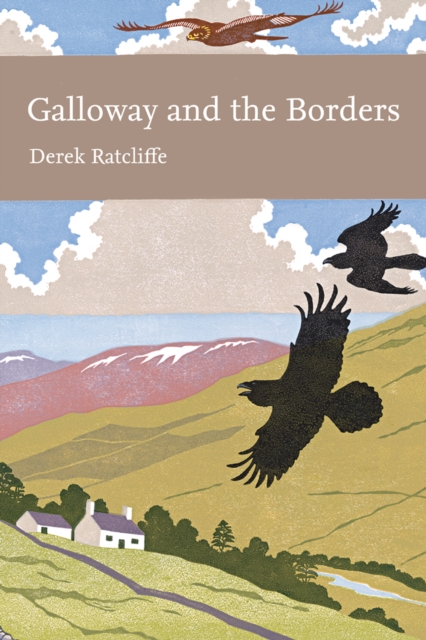
Another volume in the widely-read New Naturalist series, this book is an in-depth study of the natural developments and history of Galloway and surrounding areas.
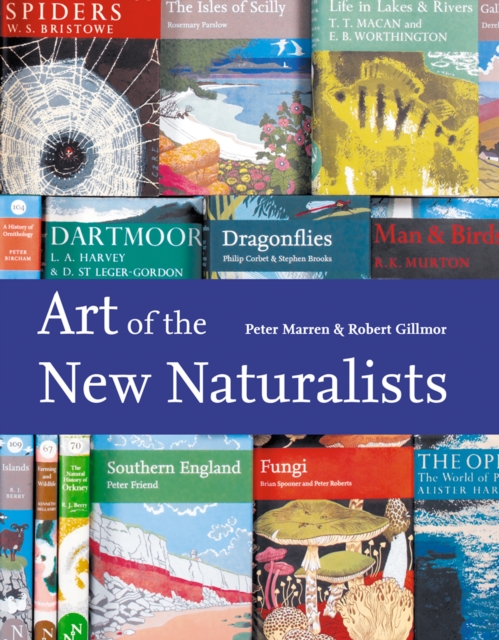
The stunning, specially commissioned cover illustrations are one of the great joys of the New Naturalist series, lending it a distinctive style which has inspired nature enthusiasts for many decades.
'Highly readable, subtle and thought-provoking scientific history' ScotsmanIn this penetrating work, Pyenson and Pyenson identify that major advances in science stem from changes in three distinct areas of society: the social institutions that promote science, the sensibilities of scientists themselves and the goal of the scientific enterprise.