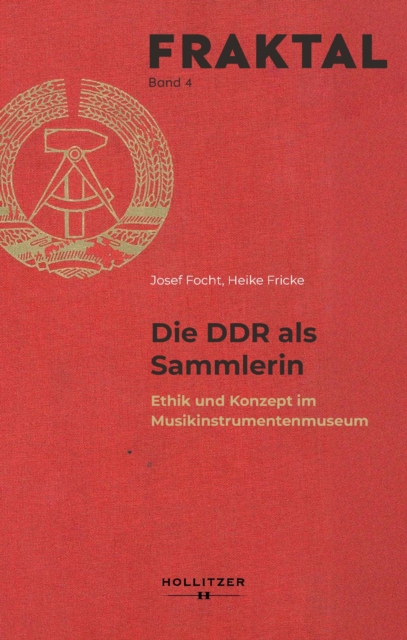
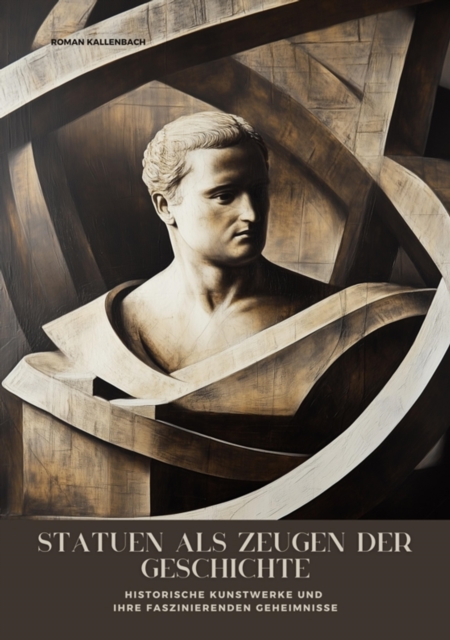
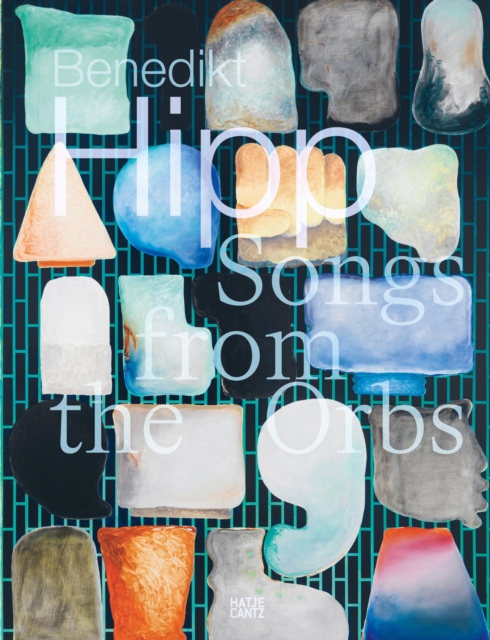
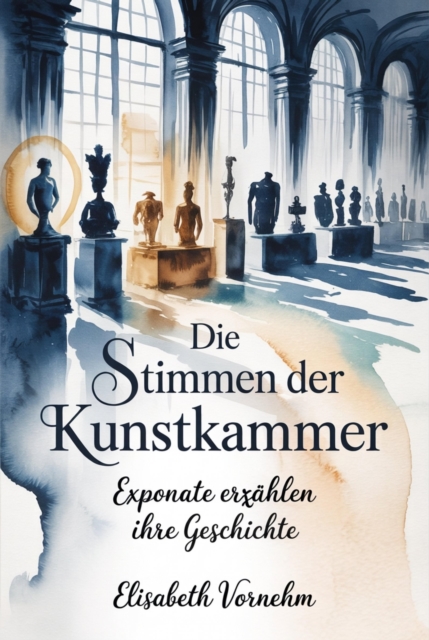
Immer wieder wird eine blumige Rhetorik vom Sammeln und Bewahren bemuht, sobald von Museen, ihren Konzepten und ihren Bestanden die Rede ist, obwohl das Museumswesen kaum gesetzliche Regelungen kennt.
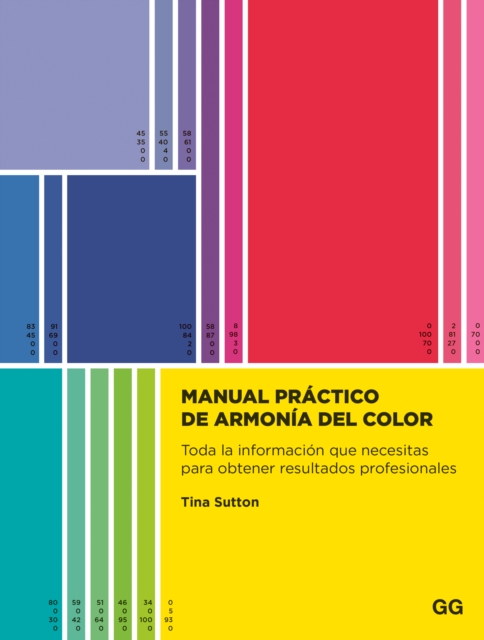
Manual de referencia para artistas y disenadores, esta nueva edicion de este clasico sobre combinacion cromatica revisa todas las bases de la teoria del color y se actualiza con nuevos colores, paletas y herramientas que te permitiran ganar seguridad en tus elecciones cromaticas.
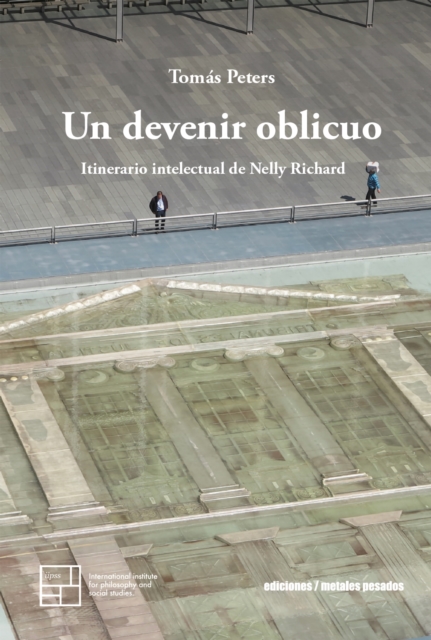
A modo de cartografia de problemas, lineamientos teorico-politicos e influencias intelectuales, Un devenir oblicuo propone trazar un recorrido en torno a la obra de Nelly Richard y la conformacion de la critica cultural, desde 1970 hasta el presente.
- Siga los pasos de algunos de los artistas mas famosos del mundo: algunas obras de arte realmente excepcionales han sido inspiradas por artistas lejos de su entorno habitual.
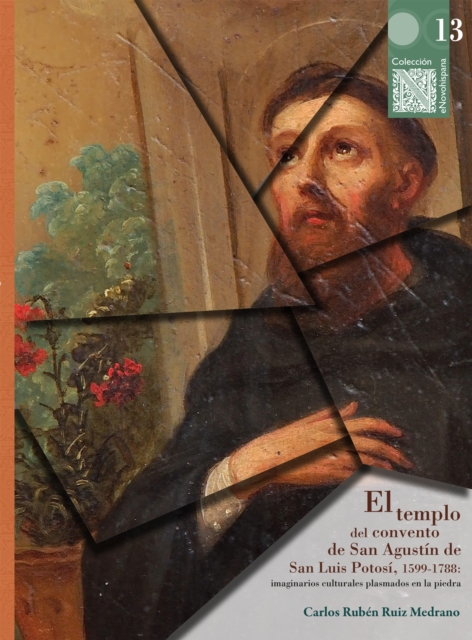
La presente obra constituye un esfuerzo por analizar y entender desde diversas vertientes -fundamentalmente a partir de la historia cultural- las representaciones religiosas y el discurso iconografico que se asociaban al conjunto arquitectonico del templo del convento de San Agustin, erigido en la ciudad de San Luis Potosi a lo largo de los siglos XVII y XVIII.
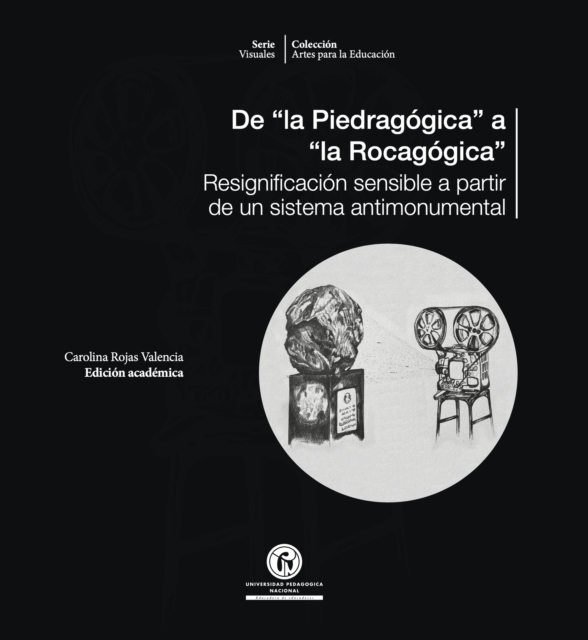
Este libro entrega los principales resultados del proyecto de investigacion-creacion "e;La Piedragogica: Creacion de un antimonumento para hacerle preguntas a una piedra"e;.
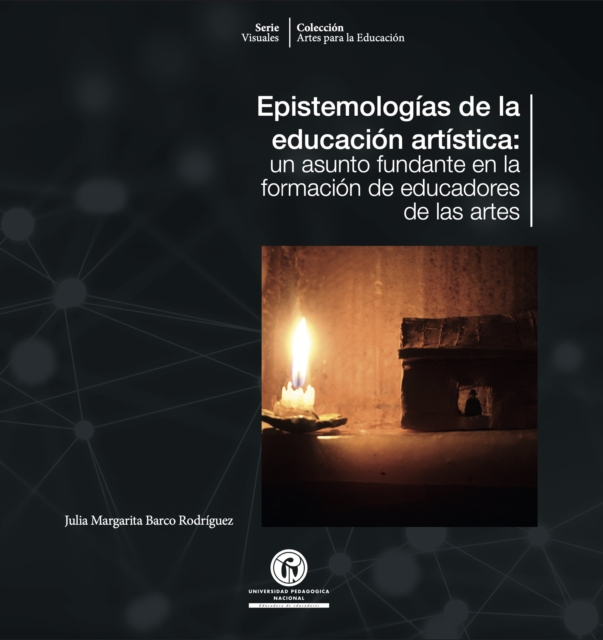
Esta obra, construida con intencion didactica, trata teorias y discursividades que respaldan diferentes enfoques implicados en la construccion de conocimiento en educacion artistica.
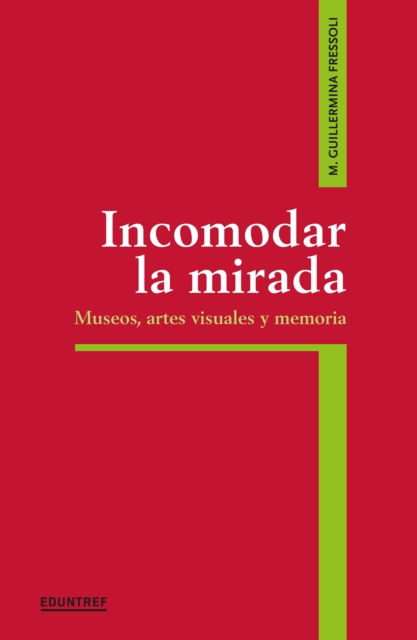
"La construcción de la mirada recorre las reflexiones que descubren a los materiales museográficos y de las artes visuales que Guillermina Fressoli elige para entrometerse en el recuerdo de sujetos particulares y colectivos, que señalan y rememoran, en sus obras, las figuras desdichadas del tiempo y el espacio acontecido como puente para la reflexión de lo sensible.
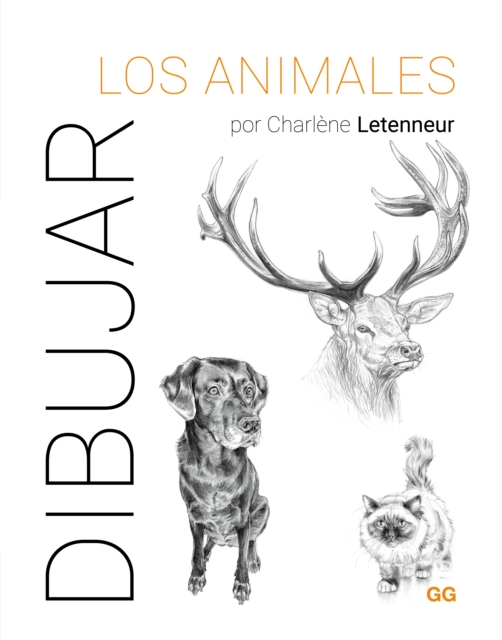
Aprende a dibujar de forma realista felidos, canidos, ursidos, equidos, bovidos, cervidos, leporidos, peces y aves de acuerdo con los principios fundamentales de su representacion: simplificar los volumenes, detallar las formas del cuerpo y la cabeza, adaptar las proporciones y el pelaje o el plumaje segun la especie.
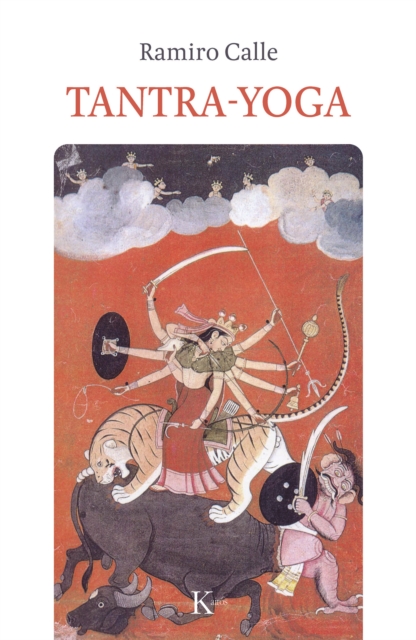
En este volumen de la serie «La sabiduría del yoga», Ramiro Calle nos invita a profundizar en los aspectos más elevados de la práctica yóguica: la meditación (dhyana) y la iluminación (samadhi).
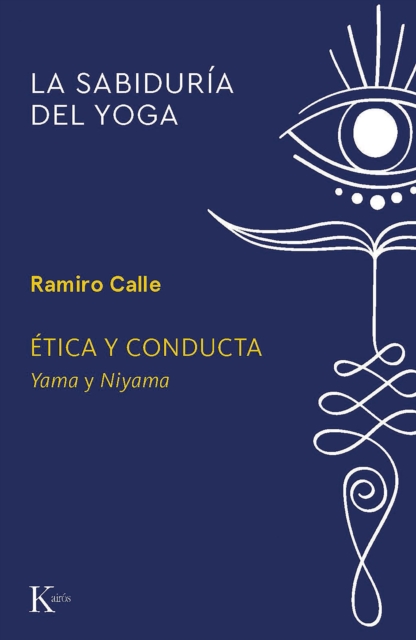
En este volumen de la serie «La sabiduría del yoga», Ramiro Calle profundiza en dos aspectos esenciales de la práctica yóguica: las prácticas éticas (yama) y de conducta (niyama), esenciales tanto para la práctica del yoga como para desenvolvernos en la vida cotidiana.
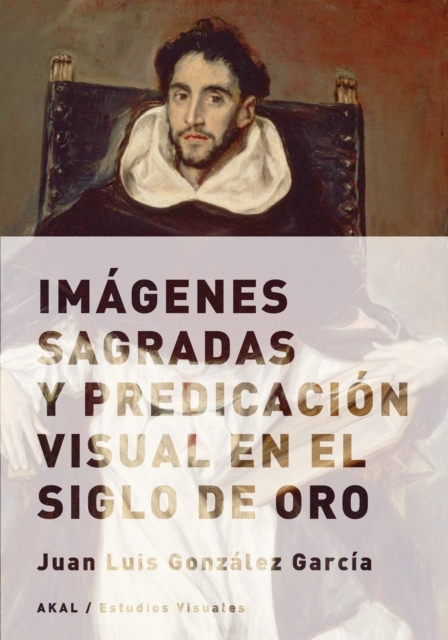
"Dada la voluntad de difusión y acción eficaz que hizo ostensible la religiosidad del Siglo de Oro, puede entenderse naturalmente su fascinación por los instrumentos audiovisuales de adoctrinamiento y la función óptica de la comprensión.
Fear, Ospen, Bastardilla, Hueso, Stinkfish, Era y Toxicomano, precursores del grafiti en Bogota, narran su propia vida, y con cada relato se descubren los principios y el contexto de su obra.
Sintesis lucida de las principales ideas que han determinado la vision y el estudio del arte, este breve ensayo es una reflexion sobre el fenomeno artistico -desde el paleolitico hasta las instalaciones contemporaneas- y sobre los intentos de historiarlo y estudiarlo cientificamente, que encuentra con puntualidad los nudos de esa trama de ideas en el pensamiento de Platon, en la transformacion de la vision del artista en el siglo XVII y en la obra de Hegel, que, como reconocen otros historiadores del arte, resulta fundamental para comprender el nacimiento de la historia del arte en el siglo XIX.
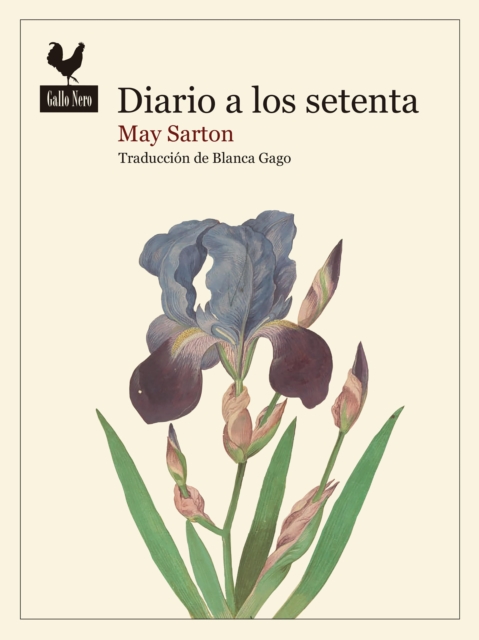
«Esta mañana de mis setenta años ha amanecido en calma y sin viento: el mar es azul pálido y, aunque los campos todavía se ven de color tierra parda, por fin empiezan a asomar los primeros narcisos.
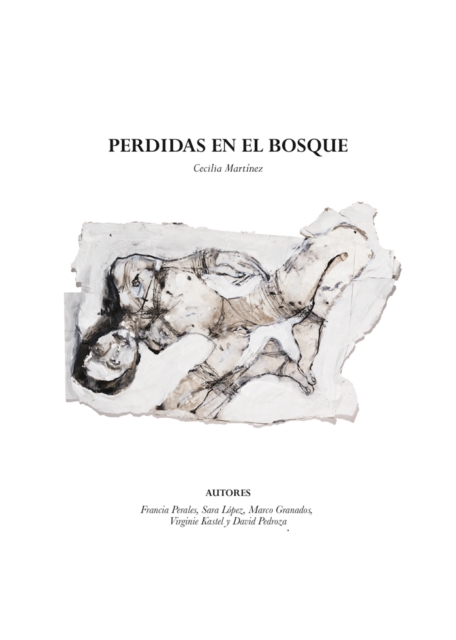
"Perdidas en el bosque" es un catálogo de la artista visual Cecilia Martínez, en el que se aborda su obra y el tratamiento dado a la violencia contra la mujer.
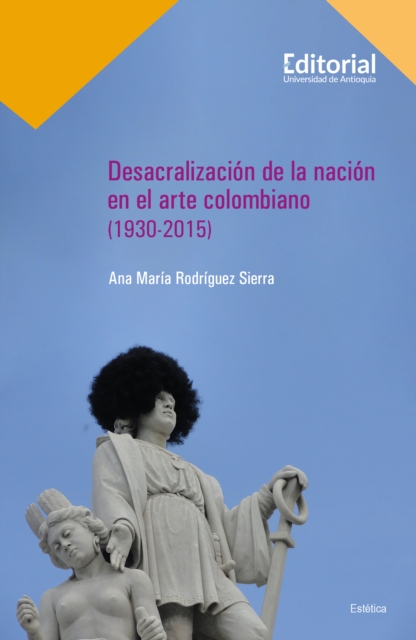
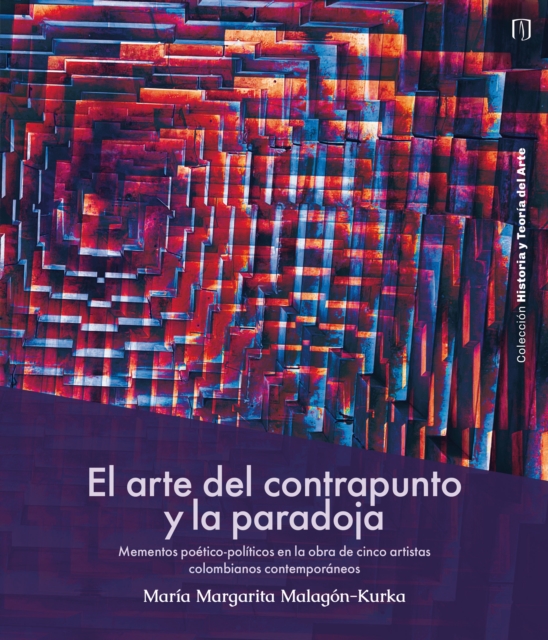
El arte contemporáneo exhibe una cara esperpéntica de la nación colombiana y desacraliza sus símbolos mediante el uso de distintos recursos, como la desheroización de las figuras patrias, el cuestionamiento a unos discursos históricos que los artistas conciben como desfasados y excluyentes, y la superposición de la actualidad sobre el pasado.
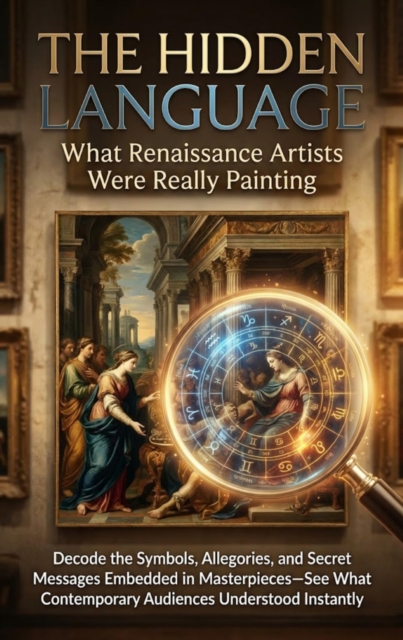
Renaissance paintings aren't just beautiful-they're visual puzzles packed with meanings that contemporary viewers recognized immediately but modern audiences miss entirely.
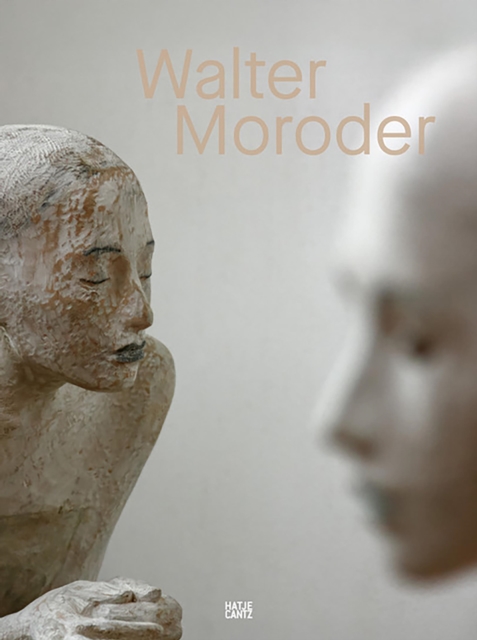
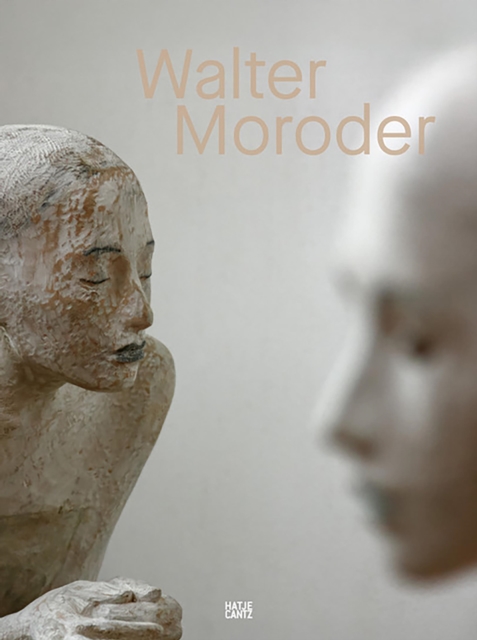
Timeless sculptures between presence and absence - an insight into the unique artistic world of Walter MoroderWalter Moroder is one of the most distinctive sculptors of our time.
El Festival Internacional de Cortometrajes Experimentales, más conocido como FINCORTEX, es el primer festival de este género creado en Colombia en el año 2005 por el artista, investigador y docente universitario: Ricardo Antonio Saavedra Vega en la ciudad de Tunja.
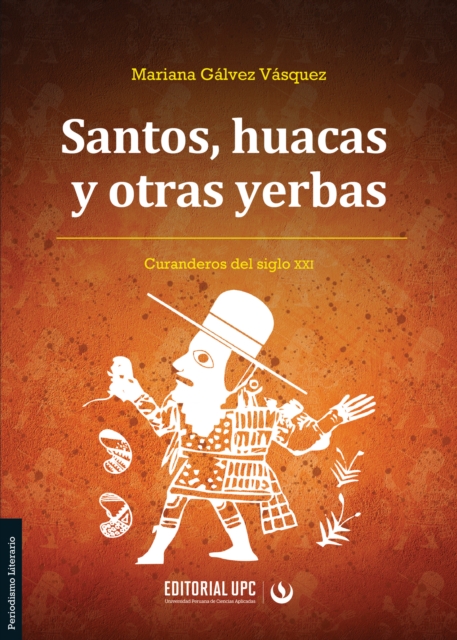
Santos, huacas y otras yerbas nos introduce en el universo del arte ancestral del curanderismo situado en la región peruana de Lambayeque, lugar que vio nacer a la autora del libro, la periodista Mariana Gálvez Vásquez.
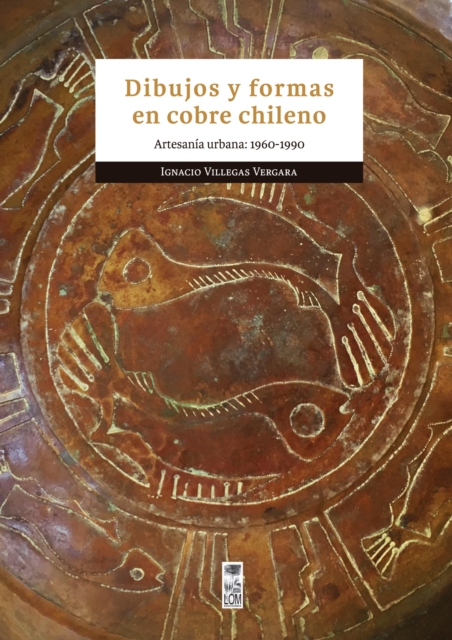
Villegas hace aqui un recorrido historico por la teoria y la practica de una manifestacion cultural que tuvo distintas connotaciones segun la epoca en que se desarrollo.
A pesar de la persistencia que la fabricación de imágenes ha demostrado a lo largo de la historia humana, no se ha establecido, hasta ahora, una ciencia general de la imagen que pueda dar cuenta de esa unidad simbólica fundamental.
Ein Leben zwischen Rausch, Rastlosigkeit und Ruhm - das wahre Portrat Edvard MunchsEdvard Munch gilt als einer der bedeutendsten Kunstler der Moderne gefeiert, gefurchtet, missverstanden.
Este libro busca comenzar a saldar una deuda de la disciplina con su propia historia y apunta a reflexionar y poner en valor la historia del arte en el contexto de las ciencias sociales y humanas, y del analisis cultural general.
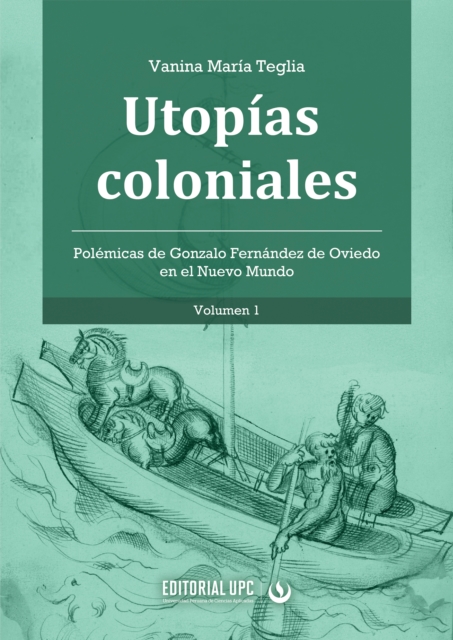
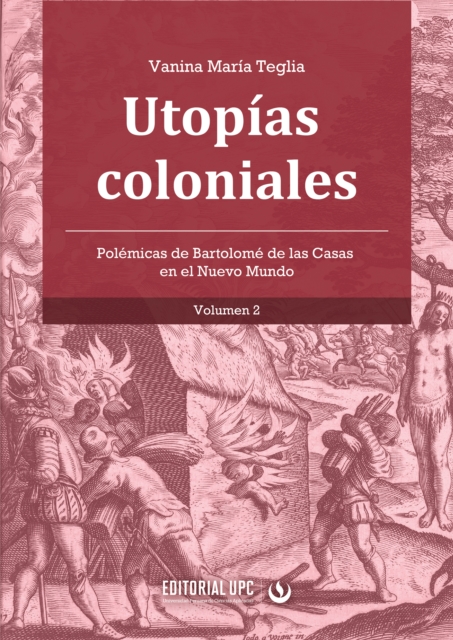
Este segundo volumen explora las controversias en torno a las utopias coloniales en America y se enfoca en los escritos de fray Bartolome de las Casas, conocido como el defensor de los indios.
Timeless sculptures between presence and absence - an insight into the unique artistic world of Walter MoroderWalter Moroder is one of the most distinctive sculptors of our time.
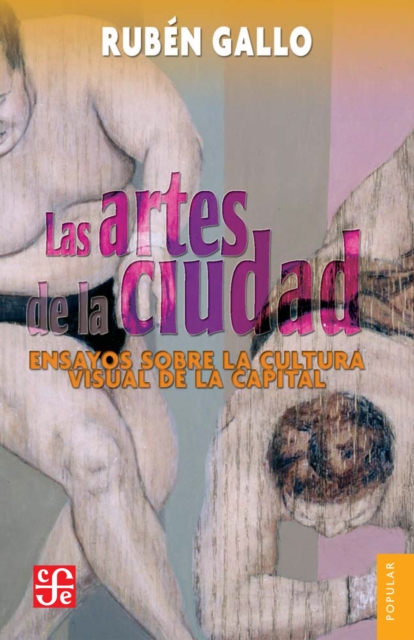
Durante los noventa, el arte exhibido en México integró obras que fueron definidas como "conceptuales" o experimentales, pero que, para Rubén Gallo, están particularmente marcadas por la irreverencia y el humor.
Juan Fernando Herrán, Juan Manuel Echavarría, Clemencia Echeverri, Óscar Muñoz y Doris Salcedo hacen parte de una generación de artistas colombianos cuyo trabajo está imbricado profundamente con las realidades sociales, políticas y ambientales del país.