Viel Lärmen um Nichts Eichendorff - In dieser Romanze um den Prinzen Romano, der mit seinem Widersacher Herrn Publikum um die Hand der schönen Gräfin Aurora buhlt, erstehen auch Gestalten wie Graf Leontin und der Dichter Faber aus der Novelle Ahnung und Gegenwart auf zu neuem Leben und spielen ihre Rollen.
Ovids Sammlung von 14 Briefen mythischer Frauen und der Dichterin Sappho sowie von drei Briefpaaren, in denen jeweils eine mythische Frau auf das Schreiben des um sie werbenden bzw.
Escribir hoy en día sobre la poesía épica colonial del siglo XVI implica necesariamente asumir una posición revisionista en el campo de los estudios coloniales, una postura que someta a crítica las ideas preconcebidas sobre la poesía épica en el discurso teórico de los estudios coloniales, y que convirtieron este género literario en un género fantasma: el fantasma de la épica colonial.
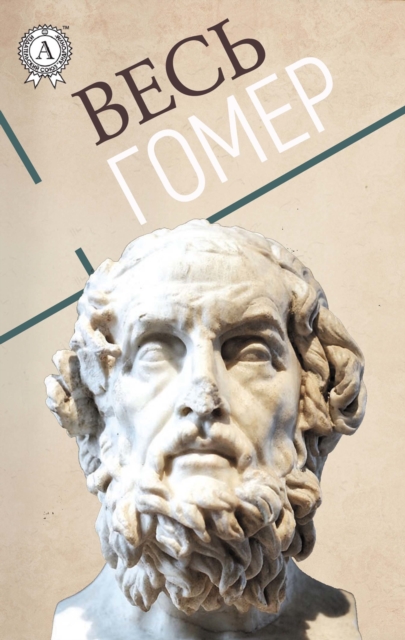
The Iliad - Homer - The Iliad Ancient Greek: romanized: Ilias, Attic Greek: sometimes referred to as the Song of Ilion or Song of Ilium) is an ancient Greek epic poem in dactylic hexameter, traditionally attributed to Homer.
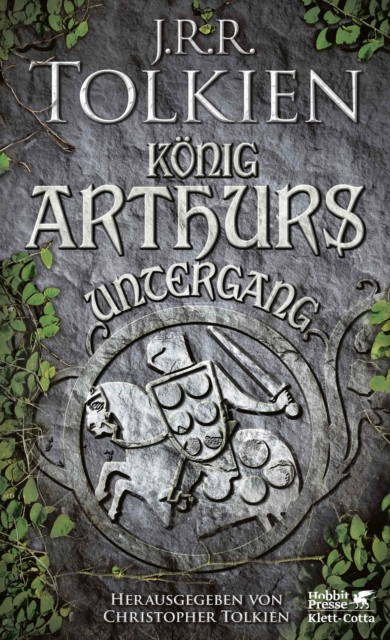
Mit Zauberkraft gezeugt, als unerkannter Königssohn groß gezogen, als kaum beachteter Knappe derjenige, der das Schwert Excalibur aus Amboss und Stein zieht – und damit zum König und Retter Britanniens wird: Artus.
In den Beständen der Sondersammlungen der Universitätsbibliothek Rostock befindet sich ein aus mehrfacher Sicht interessanter 'Reynke Vosz de olde'-Druck aus der ersten Hälfte des 16.
Il volume offre un commento ai frammenti delle tragedie latine di età repubblicana incentrate su diverse fasi del mito di Medea: la Medea exul di Ennio, il Medus di Pacuvio, la Medea sive Argonautae di Accio.
Während in der antiken Mythologie die Fähigkeit zur Tierverwandlung nicht durchweg negative Konnotationen hatte, erfährt die Verwandlung vor allem im christlichen Kontext eine radikale Umdeutung als Fluch und Strafe.
Ein Logenplatz für Homer: Die Epen Ilias und Odyssee, gemeinhin dem angeblich blinden Dichter zugeschrieben, sind die ältesten literarischen Werke Europas und gehören unbestritten zu den einflussreichsten der Weltliteratur.
Als Jüngling verkleidet, erlauschte Baronin von Kamphoevener an den Lagerfeuern türkischer Hirten orientalische Geschichten, die aus dem ewigen Märchenvorrat der Menschheit zu stammen scheinen.
»Ein klassisches Ereignis, eine Theatererholung ersten Ranges war die Übersetzung von Walter Jens«, schrieb Armin Eichholz im Münchner Merkur anläßlich der Premiere des »Agamemnon« im Residenztheater.
Mit Raoul Schrott entdecken, wie modern Euripides istLiebe und Leidenschaft, Mord und Heimtücke, Zweifel und Verantwortung – Euripides' Tragödien sind Fundament der Weltliteratur und von verblüffender Aktualität: ›Alkestis‹ ist das erste feministische Drama der Weltgeschichte, seine ›Bakchen‹ analysieren das Sektenwesen und seine ›Orestie‹ – die hier erstmals seit der Antike wieder präsentiert wird – ist nach wie vor eines der besten Stücke über Terrorismus und Populismus.
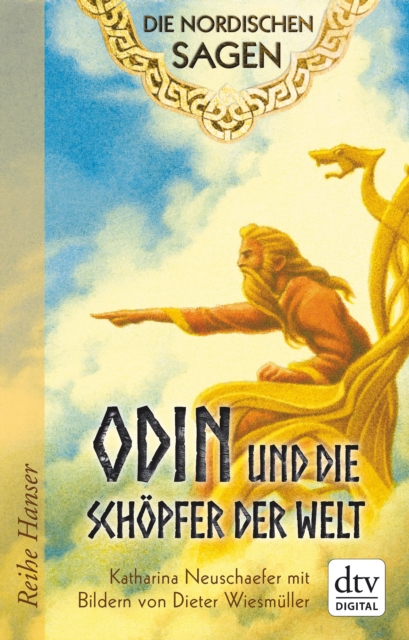
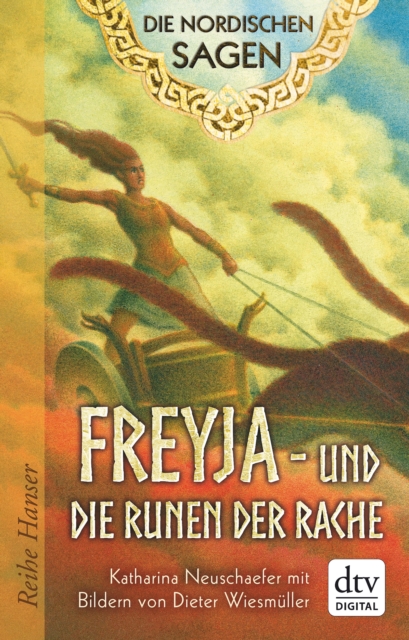
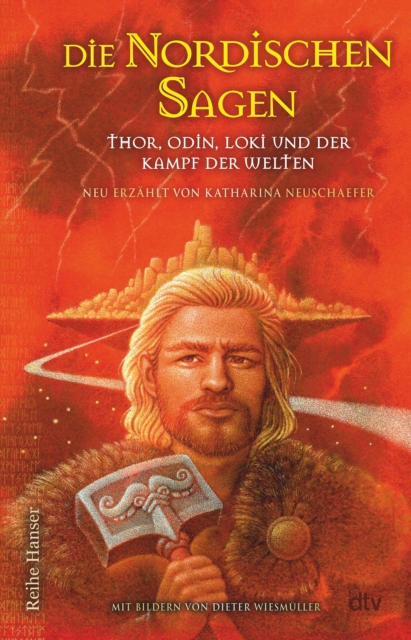
Endlich Ordnung am nordischen GötterhimmelÜber die nordischen Göttermythen weiß man hierzulande meist deutlich weniger als über die griechischen und römischen.
Endlich Ordnung am nordischen GötterhimmelÜber die nordischen Göttermythen weiß man hierzulande meist deutlich weniger als über die griechischen und römischen.
Endlich Ordnung am nordischen GötterhimmelÜber die nordischen Göttermythen weiß man hierzulande meist deutlich weniger als über die griechischen und römischen.
Endlich Ordnung am nordischen GötterhimmelÜber die nordischen Göttermythen weiß man hierzulande meist deutlich weniger als über die griechischen und römischen.
Endlich Ordnung am nordischen GötterhimmelÜber die nordischen Göttermythen weiß man hierzulande meist deutlich weniger als über die griechischen und römischen.
Geistliche Schätze aus der Pilgerreise für heuteEs ist faszinierend, wie John Bunyans Erzählung "Die Pilgerreise" unser Glaubensleben bereichern kann - heute genauso wie schon über Jahrhunderte hinweg.
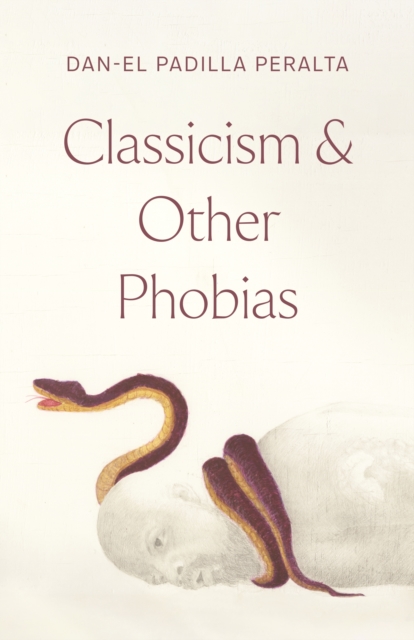
A provocative case for why immortalizing Greek and Roman culture as ';classical' marginalizes and devalues Black lifeGreek and Roman antiquity has been enshrined in disciplines and curricula at all levels of education, perpetuating what the historian of political thought J.
This book consists of two main, interrelated thematic units: the reception of Aeschylus' Dionysiac plays in Bacchae and the refiguration of the latter in the Byzantine drama Christus Patiens.
In a time of acute crisis when our societies face a complex series of challenges (race, gender, inclusivity, changing pedagogical needs and a global pandemic) we urgently need to re-access the nature of our engagement with the Classical World.
Berserker - Die berüchtigten Krieger: Die mystischen Kämpfer der nordischen Mythologie und ihre ewige LegendeDie Berserker gehören zu den faszinierendsten und furchteinflößendsten Gestalten der nordischen Mythologie.
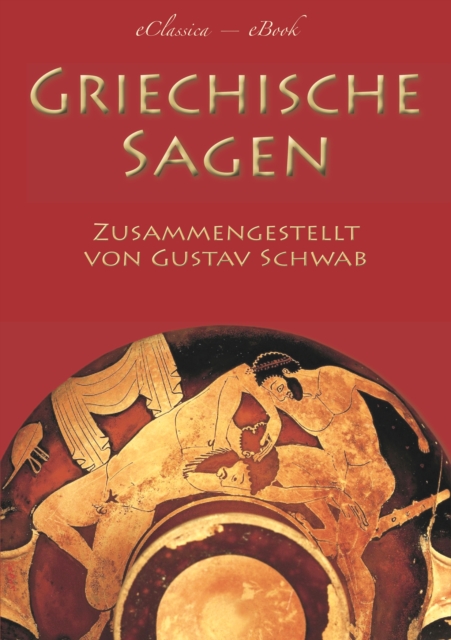
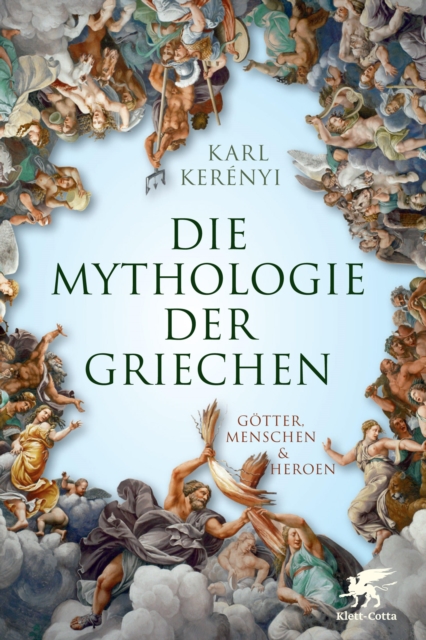
Die olympischen Götter und die Giganten, die Heldentaten des Herakles, die Fahrt der Argonauten, der Kampf gegen Troia und Odysseus' lange Heimkehr: Diese berühmten Mythen der klassischen Antike begegnen uns ständig – in Film und Fernsehen, im Museum, im Theater.