Clásico multicitado y a menudo mal comprendido, El arte de amar ha sido leído como la obra irónica que sin duda su autor visualizó, pero también ha sido objeto del horror y la censura ante el supuesto poder de corrupción de su mensaje, en fechas tan recientes como la primera mitad del siglo xx.
Vom karnevalesken Außenseiter zum scharfsinnigen corrupter of words – der Narr als eine zentrale Reflexionsinstanz der Frühen Neuzeit und ihrer (Welt-)Bühne: Die Studie untersucht zum einen den Narren als Epochenmotiv, als eine in dieser und für diese Zeit besonders signifikante Gestalt.
Nas palavras de Alcino Francisco, jornalista radicado em Londres, mais do que um livro que retrata os romances próprios da idade da juventude, este livro é um documento histórico que serve para memória futura sobre o que aconteceu nas relações entre Cuba e Angola no período após a independência.
The Literature of Ancient Egypt presents a wide-ranging anthology of Egyptian religious, poetic, didactic, and narrative writings, bringing together hymns, funerary texts, moral instructions, tales, and mythological material from a civilization whose literary record spans millennia.
"Las estrellas es una despedida literaria de una hija a una madre, en detalles y al mismo tiempo despojada; un ejercicio espiritual laico, aunque no ateo —abundan los fetiches sincréticos, el ritual pagano, la confesión sin penitencias—.
Embark on a profound intellectual journey with "e;Plato: The Complete Works,"e; a comprehensive collection of the timeless philosophical inquiries by one of the founding figures in Western philosophy.
Delve into the world of timeless wisdom and enchanting storytelling with "e;Aesop's Fables,"e; a beloved collection of short tales that have entertained and educated generations of readers.
SHORTLISTED FOR THE BAILLIE GIFFORD PRIZE 2017 SHORTLISTED FOR THE LONDON HELLENIC PRIZE 2017 WINNER OF THE PRIX MEDITERRANEE 2018From the award-winning, best-selling writer: a deeply moving tale of a father and son's transformative journey in reading - and reliving - Homer's epic masterpiece.
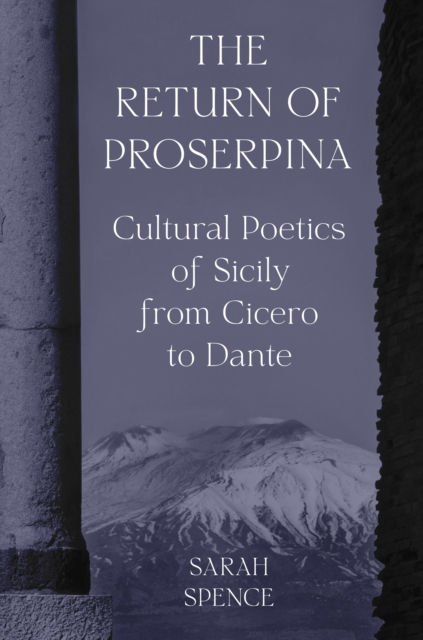
Sicily and the strategies of empire in the poetic imagination of classical and medieval EuropeIn the first century BC, Cicero praised Sicily as Rome's first overseas province and confirmed it as the mythic location for the abduction of Proserpina, known to the Greeks as Persephone, by the god of the underworld.
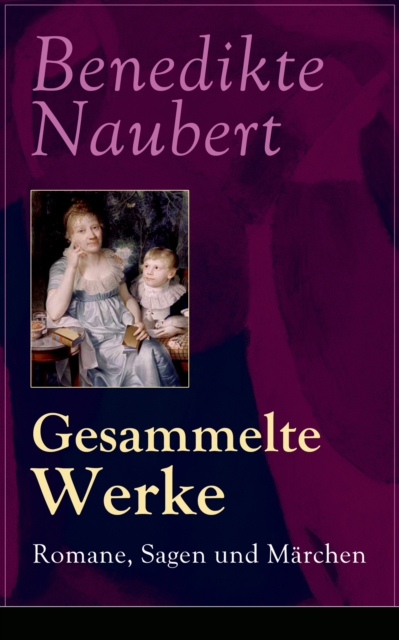
Dieses eBook: "Gesammelte Werke: Romane, Sagen und Märchen" ist mit einem detaillierten und dynamischen Inhaltsverzeichnis versehen und wurde sorgfältig korrekturgelesen.
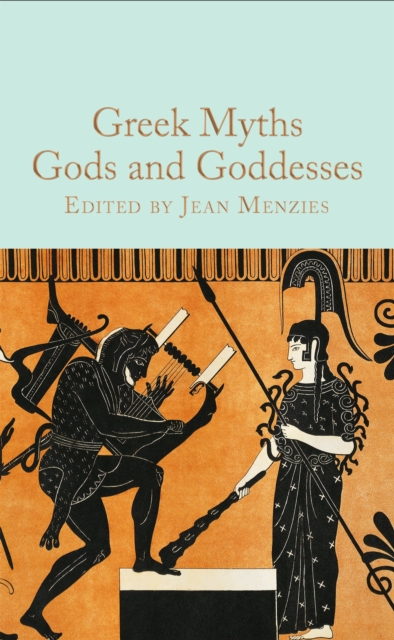
The stories of the gods and goddesses of ancient Greece are sprawling, dramatic and wonderfully strange; their lives intertwine with mortals and their behaviours fluctuate wildly from benevolent to violent, from didactic to fickle, from loving to enraged.
In der europäischen Literatur sind die Sagas einzig: nirgendwo als auf Island entstand eine solch spannende, in der Volkssprache abgefasste Prosaliteratur.
In der europäischen Literatur sind die Sagas einzig: nirgendwo als auf Island entstand eine solch spannende, in der Volkssprache abgefasste Prosaliteratur.
A new translation of a great historical epic, recounting the turbulent life and times of Chinggis Khan'Bear the sword andHew asunder high and haughty necksSlash apart all strong and self-willed shoulders'Born poor into a world of dangers and hardships, Chinggis (or Genghis) Khan would grow up to unify Mongolia and conquer a vast empire stretching from modern-day Beijing to Baghdad.
Ancient Egyptian Literature gathers representative writings from the Nile Valley's long textual tradition, presenting myths, hymns, moral instructions, historical narratives, tales, and religious compositions in a form intended for the serious general reader.
Dieses eBook: "Märchen & Sagen vom Meer: Die rote Perle, Der fliehende Holländer, Die Seelen der Ertrunkenen, Scylla, Das Abenteuer mit den drei Fischen, Meerlilie, Klabauterman, Der Wetterbeschwörer.
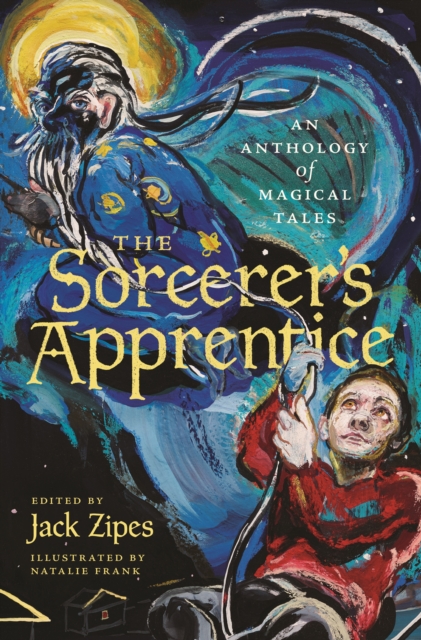
A diverse new anthology that traces the meaning and magic of the sorcerer's apprentice tale throughout history"e;The Sorcerer's Apprentice"e; might conjure up images of Mickey Mouse from the Disney film Fantasia, or of Harry Potter.
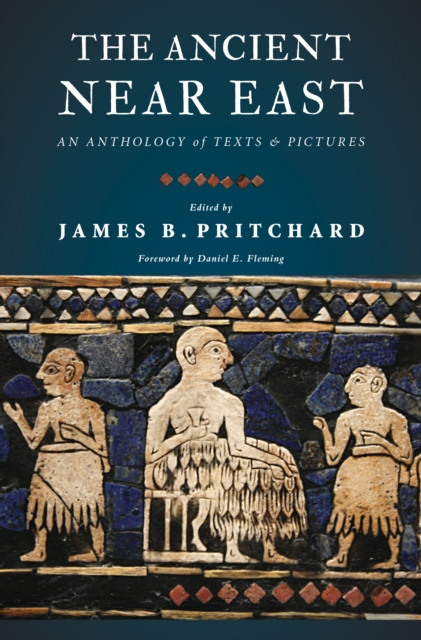
Two classic illustrated anthologies, now combined in one convenient volumeJames Pritchard's classic anthologies of the ancient Near East have introduced generations of readers to texts essential for understanding the peoples and cultures of this important region.
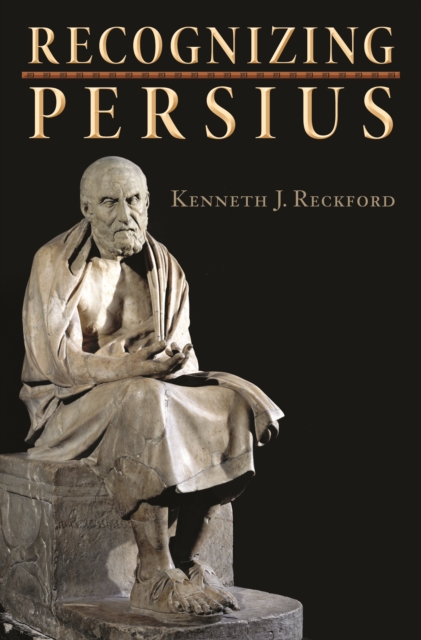
Recognizing Persius is a passionate and in-depth exploration of the libellus--or little book--of six Latin satires left by the Roman satirical writer Persius when he died in AD 62 at the age of twenty-seven.
This ebook compiles Edgar Allan Poe's greatest writings, including novels, short stories and poems such as "The Narrative of Arthur Gordon Pym of Nantucket", "The Fall of the House of Usher", "The Tell-Tale Heart", "The Raven" and "The Cask of Amontillado".
Jules Verne's 'The Great Travels & Travellers (Illustrated Edition)' provides readers with a fascinating look into the world of exploration and adventure.