The Junior Classics - Volume 1 - William Allan Neilson - The purpose of The Junior Classics is to provide, in ten volumes containing about five thousand pages, a classified collection of tales, stories, and poems, both ancient and modern, suitable for boys and girls of from six to sixteen years of age.
Alexander III of Macedon Alexandros III ho Makedn; commonly known as Alexander the Grea was a king (basileus) of the ancient Greek kingdom of Macedon[a] and a member of the Argead dynasty.
Die Ilias Homer - Tragische menschliche Verirrung und Schuld, und die dennoch immer noch mögliche humane Lösung sind das spezifische Thema des ersten Kunstwerkes der Weltliteratur.
Der gute Mond - Marie von Ebner-Eschenbach - Vor vierzehn Tagen haben wir ihn zur letzten Ruhestätte begleitet: Herr Franz von Meyer, Herr Joseph von Müller und ich, Johann Ritter von Schmidt.
Wieland der Schmied Unbekannt - In Seeland am Ostmeer lebte einstmals der Riese Wate, der aus königlichem Geschlecht stammt, seine Mutter Waghilde aber war eine Meerfrau.
Der letzte Mohikaner - James Cooper - Der berühmteste der Lederstrumpf-Romane, seit 1841 zum ersten Mal neu übersetzt: Im Sommer 1757 kämpfen Briten und Franzosen erbittert um die Vorherrschaft im Nordosten Amerikas einer endlosen Wildnis aus Wald, in der stolze Indianer-Völker leben.
Viel Lärmen um Nichts Eichendorff - In dieser Romanze um den Prinzen Romano, der mit seinem Widersacher Herrn Publikum um die Hand der schönen Gräfin Aurora buhlt, erstehen auch Gestalten wie Graf Leontin und der Dichter Faber aus der Novelle Ahnung und Gegenwart auf zu neuem Leben und spielen ihre Rollen.
Dietrich von Bern Unbekannt - In den Zeiten, da Germanen als die Herren im Römerreich lebten, regierte in der Stadt Verona, die auch Bern genannt wurde, der mächtige Gotenkönig Dietrich.
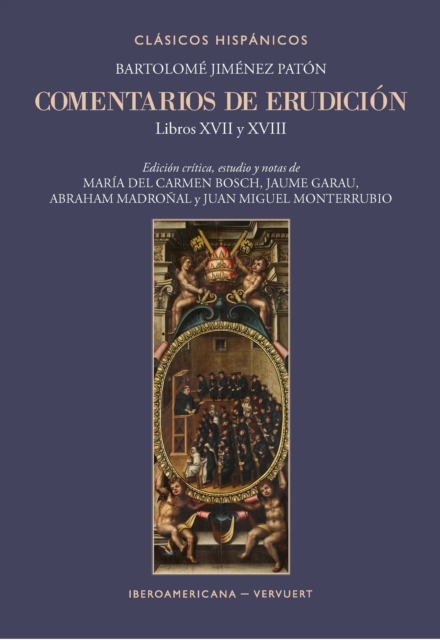
Se publican en este volumen los libros XVII y XVIII del tomo cuarto de los Comentarios de erudición del maestro Bartolomé Jiménez Patón, el único que ha llegado a nosotros.
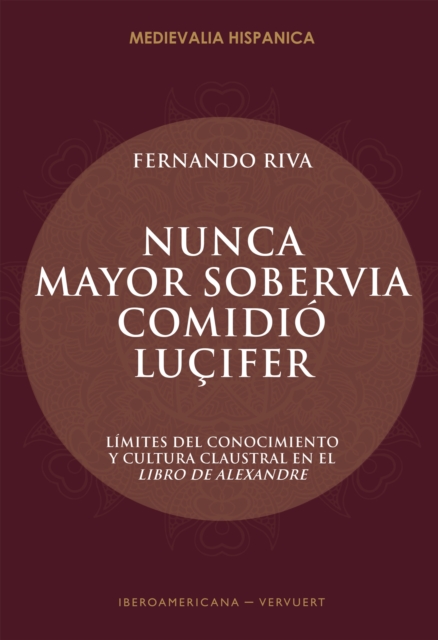
Escribir hoy en día sobre la poesía épica colonial del siglo XVI implica necesariamente asumir una posición revisionista en el campo de los estudios coloniales, una postura que someta a crítica las ideas preconcebidas sobre la poesía épica en el discurso teórico de los estudios coloniales, y que convirtieron este género literario en un género fantasma: el fantasma de la épica colonial.
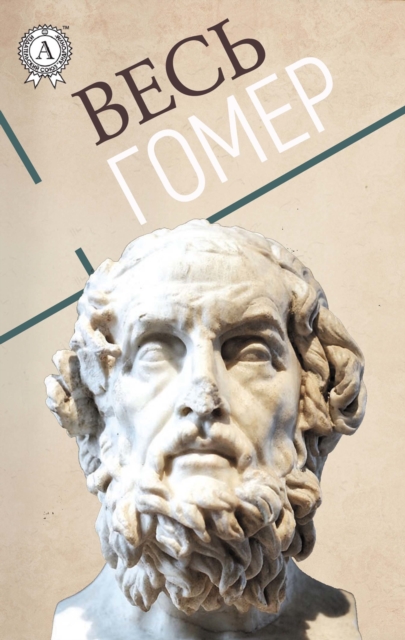
The Iliad - Homer - The Iliad Ancient Greek: romanized: Ilias, Attic Greek: sometimes referred to as the Song of Ilion or Song of Ilium) is an ancient Greek epic poem in dactylic hexameter, traditionally attributed to Homer.
"Ich kann allen Psychotherapeuten und Beratern dieses Buch ans Herz legen – den Systemikern wie auch allen anderen, die sich für den therapeutischen Einsatz des Schreibens interessieren.
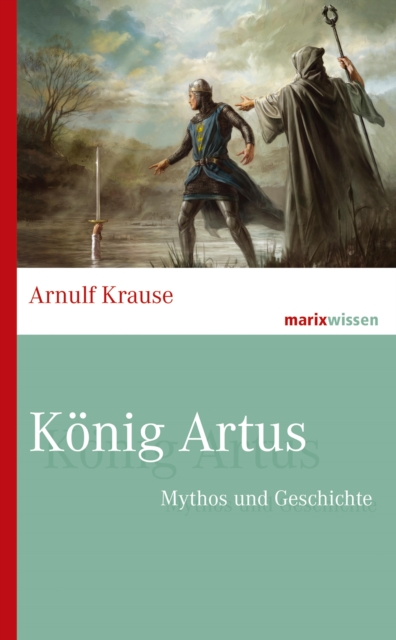
Mit Zauberkraft gezeugt, als unerkannter Königssohn groß gezogen, als kaum beachteter Knappe derjenige, der das Schwert Excalibur aus Amboss und Stein zieht – und damit zum König und Retter Britanniens wird: Artus.
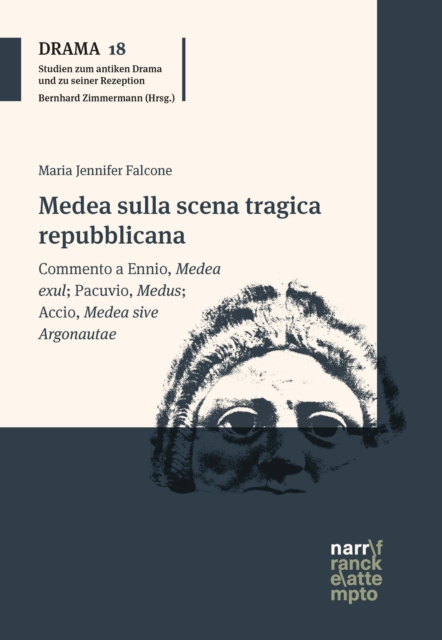
Il volume offre un commento ai frammenti delle tragedie latine di età repubblicana incentrate su diverse fasi del mito di Medea: la Medea exul di Ennio, il Medus di Pacuvio, la Medea sive Argonautae di Accio.
Die mythische Figur Athamas ist in die Literaturgeschichte als Prototyp des durch die Götter mit Wahnsinn gestraen Menschen eingegangen: Er tötet seinen Sohn Learchos, verfolgt seine Frau Ino und seinen anderen Sohn Melikertes und zwingt sie dazu, sich ins Meer zu stürzen.
Die mythische Figur Athamas ist in die Literaturgeschichte als Prototyp des durch die Götter mit Wahnsinn gestraen Menschen eingegangen: Er tötet seinen Sohn Learchos, verfolgt seine Frau Ino und seinen anderen Sohn Melikertes und zwingt sie dazu, sich ins Meer zu stürzen.
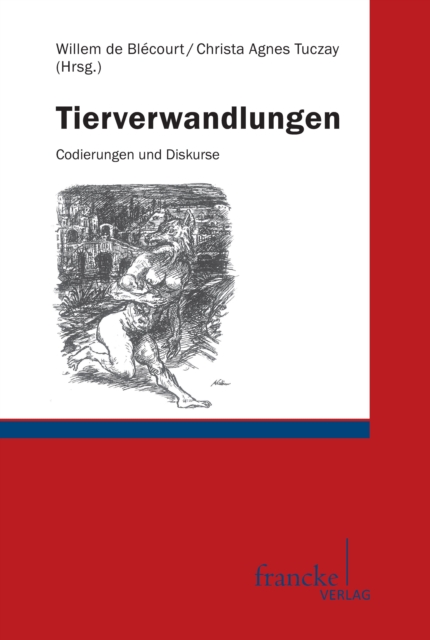
Während in der antiken Mythologie die Fähigkeit zur Tierverwandlung nicht durchweg negative Konnotationen hatte, erfährt die Verwandlung vor allem im christlichen Kontext eine radikale Umdeutung als Fluch und Strafe.