With a novel approach to Aristotle's zoology, this study looks at animals as creatures of nature (physis) and reveals a scientific discourse that, in response to his predecessors, exiles logos as reason and pursues the logos intrinsic to animals' bodies, empowering them to sense the world and live.
With a novel approach to Aristotle's zoology, this study looks at animals as creatures of nature (physis) and reveals a scientific discourse that, in response to his predecessors, exiles logos as reason and pursues the logos intrinsic to animals' bodies, empowering them to sense the world and live.
This book offers a new, accurate and actable translation of one of Euripides' most popular plays, together with a commentary which provides insight into the challenges it sets for production and suggestions for how to solve them.
This book offers a new, accurate and actable translation of one of Euripides' most popular plays, together with a commentary which provides insight into the challenges it sets for production and suggestions for how to solve them.
Future Thinking in Roman Culture is the first volume dedicated to the exploration of prospective memory and future thinking in the Roman world, integrating cutting edge research in cognitive sciences and theory with approaches to historiography, epigraphy, and material culture.
Future Thinking in Roman Culture is the first volume dedicated to the exploration of prospective memory and future thinking in the Roman world, integrating cutting edge research in cognitive sciences and theory with approaches to historiography, epigraphy, and material culture.
This book explores Grahame's engagements with classical antiquity in The Wind in the Willows, including ancient epic, parody (Batrachomyomachia), and pastoral imagery.
This book explores Grahame's engagements with classical antiquity in The Wind in the Willows, including ancient epic, parody (Batrachomyomachia), and pastoral imagery.
Pytheas of Massalia (Marseille), mariner, explorer, geographer and astronomer, made a pioneering voyage into the then unknown Atlantic around 325 BC, reaching Britain and the Baltic; this book collects and translates the references to him and his book (which is lost), and discusses and explains them.
Pytheas of Massalia (Marseille), mariner, explorer, geographer and astronomer, made a pioneering voyage into the then unknown Atlantic around 325 BC, reaching Britain and the Baltic; this book collects and translates the references to him and his book (which is lost), and discusses and explains them.
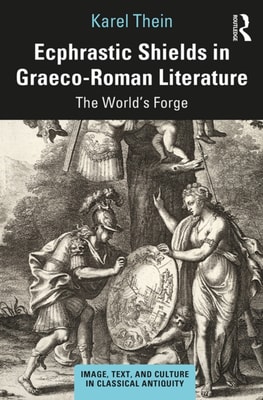
This volume takes a fresh look at ekphrasis as a textual practice closely connected to our embodied imagination and its verbal dimension; it offers the first detailed study of a large family of ancient ecphrastic shields, often studied separately, but never as an ensemble with its own development.
This volume takes a fresh look at ekphrasis as a textual practice closely connected to our embodied imagination and its verbal dimension; it offers the first detailed study of a large family of ancient ecphrastic shields, often studied separately, but never as an ensemble with its own development.
This book explores the areas in which novels such as Chariton's Callirhoe and Heliodorus's Aithiopika are ideal beyond the ideal love relationship and considers how concepts of the ideal connect to archetypal and literary patterns as well as reflecting contemporary ideological and cultural elements.
This book explores the areas in which novels such as Chariton's Callirhoe and Heliodorus's Aithiopika are ideal beyond the ideal love relationship and considers how concepts of the ideal connect to archetypal and literary patterns as well as reflecting contemporary ideological and cultural elements.
This book provides a new translation of all the surviving portions of the description of India written by Megasthenes in about 310 BCE, the fullest account of Indian geography, history and customs available to the classical world.
This book provides a new translation of all the surviving portions of the description of India written by Megasthenes in about 310 BCE, the fullest account of Indian geography, history and customs available to the classical world.
This collection of essays by a leading authority on Suetonius, one of our most significant historical sources for the early Roman Empire, provides an in-depth examination of his works, whose literary value has in the past been overlooked.
This collection of essays by a leading authority on Suetonius, one of our most significant historical sources for the early Roman Empire, provides an in-depth examination of his works, whose literary value has in the past been overlooked.
Monsters in Greek literature are often thought of as creatures which exist in mythological narratives, however, as this book shows, they appear in a much broader range of ancient sources and are used in creation narratives, ethnographic texts, and biology to explore the limits of the human body and of the human world.
Monsters in Greek literature are often thought of as creatures which exist in mythological narratives, however, as this book shows, they appear in a much broader range of ancient sources and are used in creation narratives, ethnographic texts, and biology to explore the limits of the human body and of the human world.
This volume focuses on teaching Classics in carceral contexts in the US and offers an overview of the range of incarcerated adults, their circumstances, and the ways in which they are approaching and reinterpreting Greek and Roman texts.
This volume focuses on teaching Classics in carceral contexts in the US and offers an overview of the range of incarcerated adults, their circumstances, and the ways in which they are approaching and reinterpreting Greek and Roman texts.
This volume offers 18 new studies reflecting the latest scholarship on Latin verse, explored both in its original context and in subsequent contexts as it has been translated and re-imagined.
This volume offers 18 new studies reflecting the latest scholarship on Latin verse, explored both in its original context and in subsequent contexts as it has been translated and re-imagined.
How Greek Tragedy Works is a journey through the hidden meanings and dual nature of Greek tragedy, drawing on its foremost dramatists to bring about a deeper understanding of how and why to engage with these enduring plays.
How Greek Tragedy Works is a journey through the hidden meanings and dual nature of Greek tragedy, drawing on its foremost dramatists to bring about a deeper understanding of how and why to engage with these enduring plays.
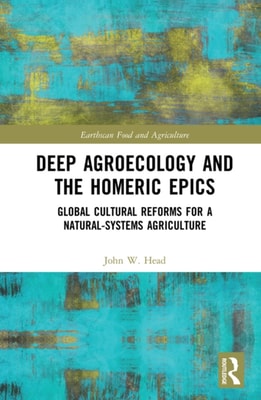
Drawing on the Homeric epics, this multidisciplinary work reveals the cultural transformations which need to take place in order to transition from today's modern extractive agricultural system to a sustainable natural-systems agriculture.
Drawing on the Homeric epics, this multidisciplinary work reveals the cultural transformations which need to take place in order to transition from today's modern extractive agricultural system to a sustainable natural-systems agriculture.
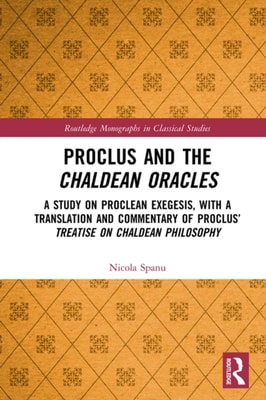
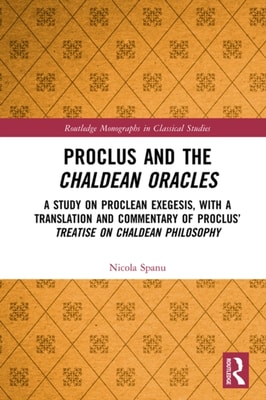
This volume examines the discussion of the Chaldean Oracles in the work of Proclus, as well as offering a translation and commentary of Proclus' Treatise On Chaldean Philosophy.
This volume examines the discussion of the Chaldean Oracles in the work of Proclus, as well as offering a translation and commentary of Proclus' Treatise On Chaldean Philosophy.
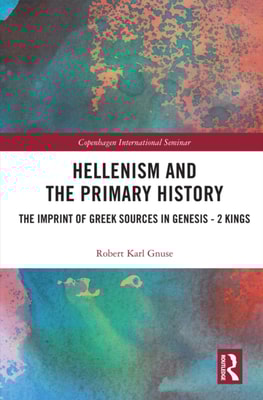
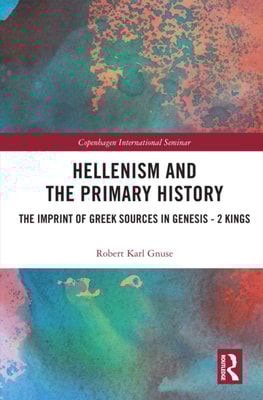
This collection of essays seeks to demonstrate that many biblical authors deliberately used Classical and Hellenistic Greek texts for inspiration when crafting many of the narratives in the Primary History.
This collection of essays seeks to demonstrate that many biblical authors deliberately used Classical and Hellenistic Greek texts for inspiration when crafting many of the narratives in the Primary History.
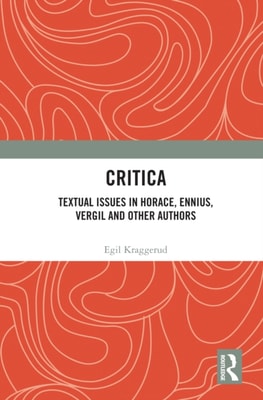
Gathering together over 60 new and revised discussions of textual issues, this volume represents notorious problems in well-known texts from the classical era by authors including Horace, Ennius, and Vergil.
Gathering together over 60 new and revised discussions of textual issues, this volume represents notorious problems in well-known texts from the classical era by authors including Horace, Ennius, and Vergil.