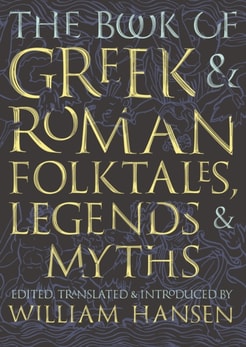
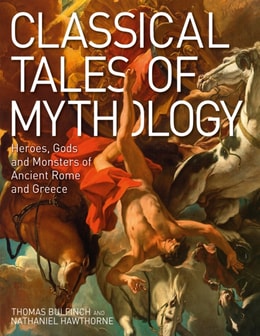
The first anthology ever to present the entire range of ancient Greek and Roman stories-from myths and fairy tales to jokesCaptured centaurs and satyrs, talking animals, people who suddenly change sex, men who give birth, the temporarily insane and the permanently thick-witted, delicate sensualists, incompetent seers, a woman who remembers too much, a man who cannot laugh-these are just some of the colorful characters who feature in the unforgettable stories that ancient Greeks and Romans told in their daily lives.
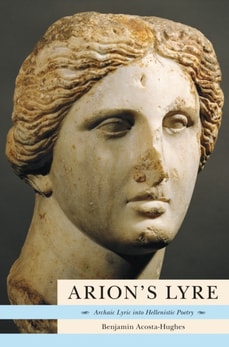
Arion's Lyre examines how Hellenistic poetic culture adapted, reinterpreted, and transformed Archaic Greek lyric through a complex process of textual, cultural, and creative reception.
Recognizing Persius is a passionate and in-depth exploration of the libellus--or little book--of six Latin satires left by the Roman satirical writer Persius when he died in AD 62 at the age of twenty-seven.
From Loki to Thor, Ragnarok to BeowulfA gripping and truly mesmerising delve into the Norse legendsFrom bestselling books to blockbusting Hollywood movies, the myths of the Scandinavian gods and heroes are part of the modern day landscape.
Meet legendary heroes, powerful goddesses and vengeful monsters in this beautiful hardback collection of more than 20 epic tales from Greek and Roman mythology, featuring lavish full-color illustrations throughout.
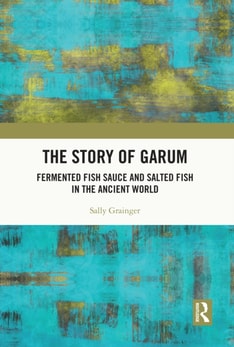
The Story of Garum recounts the convoluted journey of that notorious Roman fish sauce, known as garum, from a smelly Greek fish paste to an expensive luxury at the heart of Roman cuisine and back to obscurity as the Roman empire declines.
The Story of Garum recounts the convoluted journey of that notorious Roman fish sauce, known as garum, from a smelly Greek fish paste to an expensive luxury at the heart of Roman cuisine and back to obscurity as the Roman empire declines.
Arguing for renewed attention to covert same-sex-oriented writing (and to authorial intention more generally), this study explores the representation of female and male homosexuality in late sixteenth- through mid-eighteenth-century British and French literature.
Arguing for renewed attention to covert same-sex-oriented writing (and to authorial intention more generally), this study explores the representation of female and male homosexuality in late sixteenth- through mid-eighteenth-century British and French literature.
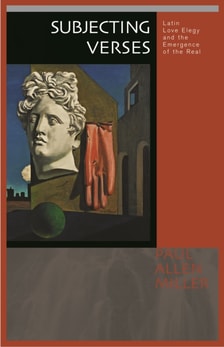
European literature and theory of the twentieth century have been intensely preoccupied with questions of 'Desire', whereas 'love' has increasingly represented a fractured and strange, if not actually suspect, proposal: this is a prime symptom of an age of deep cultural mutation and uncertainty.
European literature and theory of the twentieth century have been intensely preoccupied with questions of 'Desire', whereas 'love' has increasingly represented a fractured and strange, if not actually suspect, proposal: this is a prime symptom of an age of deep cultural mutation and uncertainty.
The Gynaeciorum libri, the 'Books on [the diseases of] women,' a compendium of ancient and contemporary texts on gynaecology, is the inspiration for this intensive exploration of the origins of a subfield of medicine.
The Gynaeciorum libri, the 'Books on [the diseases of] women,' a compendium of ancient and contemporary texts on gynaecology, is the inspiration for this intensive exploration of the origins of a subfield of medicine.
In Ovid and the Cultural Politics of Early Modern England, Liz Oakley-Brown considers English versions of the Metamorphoses - a poem concerned with translation and transformation on a multiplicity of levels - as important sites of social and historical difference from the fifteenth to the early eighteenth centuries.
In Ovid and the Cultural Politics of Early Modern England, Liz Oakley-Brown considers English versions of the Metamorphoses - a poem concerned with translation and transformation on a multiplicity of levels - as important sites of social and historical difference from the fifteenth to the early eighteenth centuries.
Over the course of the nineteenth century, the figure of Persephone rapidly evolved from what was essentially a decorative metaphor into a living goddess who embodied the most spiritual aspects of ancient Greek religion.
Over the course of the nineteenth century, the figure of Persephone rapidly evolved from what was essentially a decorative metaphor into a living goddess who embodied the most spiritual aspects of ancient Greek religion.
The powerful influence of Petrarch on the development of Renaissance vernacular poetry has long been recognized as one of the major factors in early modern cultural history; this work provides a far more comprehensive catalogue of the direct evidence for that influence in England than any yet available.
The powerful influence of Petrarch on the development of Renaissance vernacular poetry has long been recognized as one of the major factors in early modern cultural history; this work provides a far more comprehensive catalogue of the direct evidence for that influence in England than any yet available.
Reading Ecclesiastes explores the literary style and themes of the Book of Ecclesiastes, investigating its overall theological messages and the cultural perspectives which readers bring to bear on their act of reading.
Reading Ecclesiastes explores the literary style and themes of the Book of Ecclesiastes, investigating its overall theological messages and the cultural perspectives which readers bring to bear on their act of reading.
In Spenser and Ovid, Syrithe Pugh gives the first sustained account of Ovid's presence in the Spenser canon, uncovering new evidence to reveal the thematic and formal debts many of Spenser's poems owe to Ovid, particularly when considered in the light of an informed understanding of all of Ovid's work.
In Spenser and Ovid, Syrithe Pugh gives the first sustained account of Ovid's presence in the Spenser canon, uncovering new evidence to reveal the thematic and formal debts many of Spenser's poems owe to Ovid, particularly when considered in the light of an informed understanding of all of Ovid's work.
Exploring Edmund Spenser's writings within the historical and aesthetic context of colonial agricultural reform in Ireland, his adopted home, this study demonstrates how Irish events and influences operate in far more of Spenser's work than previously suspected.
Exploring Edmund Spenser's writings within the historical and aesthetic context of colonial agricultural reform in Ireland, his adopted home, this study demonstrates how Irish events and influences operate in far more of Spenser's work than previously suspected.
Travel, Communication and Geography in Late Antiquity brings together a set of papers that consider anew issues of travel, communication and landscape in Late Antiquity.
Travel, Communication and Geography in Late Antiquity brings together a set of papers that consider anew issues of travel, communication and landscape in Late Antiquity.
Herodotus is the epochal authority who inaugurated the European and Western consciousness of collective identity, whether in an awareness of other societies and of the nature of cultural variation itself or in the fashioning of Greek self-awareness - and necessarily that of later civilizations influenced by the ancient Greeks - which was perpetually in dialogue and tension with other ways of living in groups.
Herodotus is the epochal authority who inaugurated the European and Western consciousness of collective identity, whether in an awareness of other societies and of the nature of cultural variation itself or in the fashioning of Greek self-awareness - and necessarily that of later civilizations influenced by the ancient Greeks - which was perpetually in dialogue and tension with other ways of living in groups.
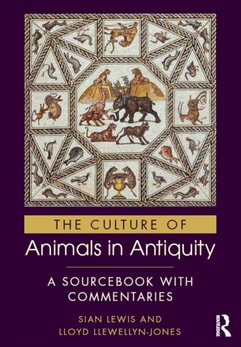
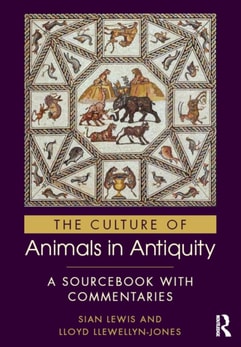
The Culture of Animals in Antiquity provides students and researchers with well-chosen and clearly presented ancient sources in translation, some well-known, others undoubtedly unfamiliar, but all central to a key area of study in ancient history: the part played by animals in the cultures of the ancient Mediterranean.
The Culture of Animals in Antiquity provides students and researchers with well-chosen and clearly presented ancient sources in translation, some well-known, others undoubtedly unfamiliar, but all central to a key area of study in ancient history: the part played by animals in the cultures of the ancient Mediterranean.