This is the OCR-endorsed edition covering the Latin AS and A-Level (Group 1) prescription of Cicero's pro Caelio, 51 58, 61 68, and the A-Level (Group 2) prescription of 33 50, giving full Latin text, commentary and vocabulary, with a detailed introduction that also covers the prescribed material to be read in English for A Level.
This is the OCR-endorsed edition covering the Latin AS and A-Level (Group 1) prescription of Tacitus Annals XII, 25-26, 41 43, 52 53, 56 59, 64 69, giving full Latin text, commentary and vocabulary, with a detailed introduction.
This is the OCR-endorsed edition covering the Latin A-Level (Group 2) prescription of Annals XIV, 1 13, giving full Latin text, commentary and vocabulary, with a detailed introduction that also covers the prescribed material to be read in English for A Level.
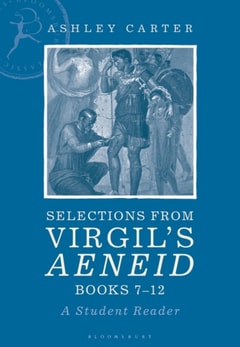
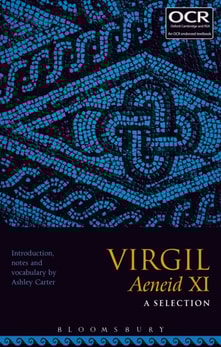
This reader of Virgil's text features passages from the second half of the Aeneid and is designed to help students understand and appreciate Virgil's poem, as well as improve their Latin reading skills.
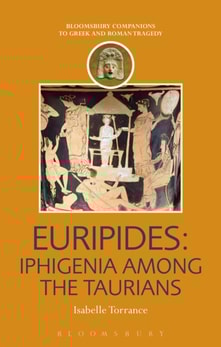
In this new student introduction to a Greek tragedy, Isabelle Torrance looks at what makes Iphigenia among the Taurians a successful tragedy in ancient Greek terms, and how dramatic excitement is achieved through the exotic setting, the cast of characters, and the chorus.
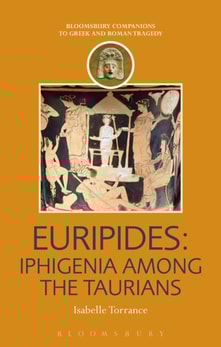
In this new student introduction to a Greek tragedy, Isabelle Torrance looks at what makes Iphigenia among the Taurians a successful tragedy in ancient Greek terms, and how dramatic excitement is achieved through the exotic setting, the cast of characters, and the chorus.
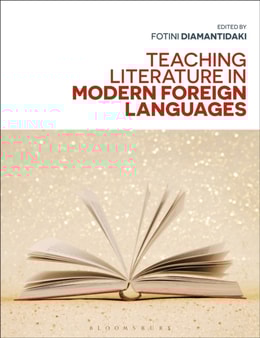
From plays to poetry, Le Petit Nicolas to the Association for Language Learning (ALL) Literature wiki, this book shows trainee teachers of MFL, teachers in schools, teacher educators, how literature can be an essential tool for developing students' cultural awareness as well as language skills.
This is the endorsed publication from OCR and Bloomsbury for the Latin A-Level (Group 2) prescription of Apuleius' Metamorphoses V, giving full Latin text, commentary and vocabulary for sections 11 24.
This is the endorsed publication from OCR and Bloomsbury for the Latin AS and A-Level (Group 1) prescription of Cicero's Philippic II sections 44 50 ( viri tui similis esses) and 78 (C.
This is the endorsed publication from OCR and Bloomsbury for the Latin AS and A-Level (Group 1) prescription of Histories Book I sections 4 (finis Neronis .
This is the endorsed publication from OCR and Bloomsbury for the Latin A-Level (Group 4) prescription of Ovid's Amores, giving full Latin text, commentary and vocabulary for Amores 2.
This is the endorsed publication from OCR and Bloomsbury for the Latin AS and A-Level (Group 3) prescription of Aeneid Book XI, lines 1 224, and the A-Level (Group 4) prescription of Aeneid Book XI, lines 498 521, 532 596, 648 689, and 725 835, giving full Latin text, commentary and vocabulary, with a detailed introduction that also covers the prescribed text to be read in English for A Level.
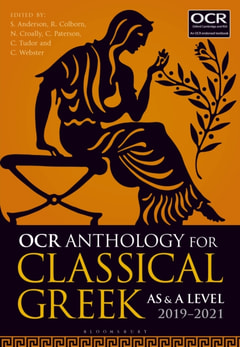
This is the endorsed publication from OCR and Bloomsbury for the Greek AS and A-Level set text prescriptions for 2019-21 giving full Greek text, commentary and vocabulary and a detailed introduction for each text that also covers the prescription to be read in English for A Level.
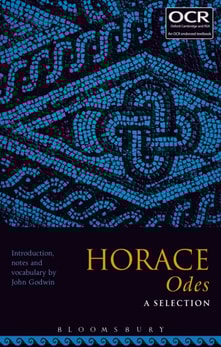
This is the endorsed publication from OCR and Bloomsbury for the Latin A-Level (Group 4) prescription of Horace's Odes, giving full Latin text, commentary and vocabulary for Odes 3.
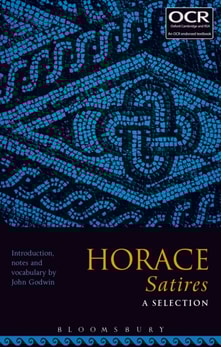
This is the endorsed publication from OCR and Bloomsbury for the Latin AS and A-Level (Group 3) prescription of Horace's Satires, giving full Latin text, commentary and vocabulary for Satires 1.
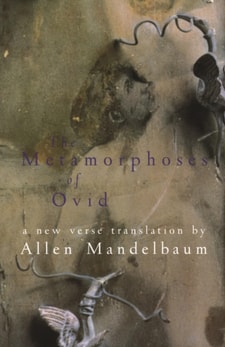
Through National Book Award-winning translator Allen Mandelbaum's poetic artistry, this gloriously entertaining achievement of literature classical myths filtered through the worldly and far from reverent sensibility of the Roman poet Ovid is revealed anew.
Engaging, authoritative, and affordably priced, The Bedford Glossary of Critical and Literary Terms is a comprehensive reference that clearly and accessibly defines hundreds of important literary and critical terms from classical times to the present, making them real and relevant to twenty-first century students through examples drawn from contemporary literary and popular culture.
First published in 1934, this book covers a broad array of ancient Greek literature, taking into account the most acknowledged of the Greek authors as well as those less well known.
First published in 1934, this book covers a broad array of ancient Greek literature, taking into account the most acknowledged of the Greek authors as well as those less well known.
Analysing six Greek tragedies - the Orestes triology, Ajax, Antigone and Philoctetes - and Hamlet, this book also contains a chapter on the Greek and the Elizabethan dramatic forms and one on religious drama.
Analysing six Greek tragedies - the Orestes triology, Ajax, Antigone and Philoctetes - and Hamlet, this book also contains a chapter on the Greek and the Elizabethan dramatic forms and one on religious drama.
This volume, offering an insight into the literary world of Rome in the fourth century AD, reflects an increased interest in the writers of the 150 years before the collapse of the Western Empire, who have long been over-shadowed by the pre-eminence accorded since the eighteenth century to the Golden and Silver ages.
This volume, offering an insight into the literary world of Rome in the fourth century AD, reflects an increased interest in the writers of the 150 years before the collapse of the Western Empire, who have long been over-shadowed by the pre-eminence accorded since the eighteenth century to the Golden and Silver ages.
Thomas Campion, Milton, Crashaw, Herbert, Bourne, Walter Savage Landor - all these poets, between them spanning the period from the Elizabethan to the Victorian age, wrote a substantial body of Latin verse in addition to their better-known English poetry, representing part of the vast and almost unexplored body of Neo-Latin literature which appealed to an international reading public throughout Europe.
Thomas Campion, Milton, Crashaw, Herbert, Bourne, Walter Savage Landor - all these poets, between them spanning the period from the Elizabethan to the Victorian age, wrote a substantial body of Latin verse in addition to their better-known English poetry, representing part of the vast and almost unexplored body of Neo-Latin literature which appealed to an international reading public throughout Europe.
That the works of the ancient tragedians still have an immediate and profound appeal surely needs no demonstration, yet the modern reader continually stumbles across concepts which are difficult to interpret or relate to - moral pollution, the authority of oracles, classical ideas of geography - as well as the names of unfamiliar legendary and mythological figures.
That the works of the ancient tragedians still have an immediate and profound appeal surely needs no demonstration, yet the modern reader continually stumbles across concepts which are difficult to interpret or relate to - moral pollution, the authority of oracles, classical ideas of geography - as well as the names of unfamiliar legendary and mythological figures.
In this critical and historical interpretation of Petrarch's major Italian work, the collection of poems he called the Rerum vulgarium fagmenta, Peter Hainsworth presents Petrarch as a poet of outstanding sophistication and seriousness, occupied with issues which are still central to debates about poetry and language.
In this critical and historical interpretation of Petrarch's major Italian work, the collection of poems he called the Rerum vulgarium fagmenta, Peter Hainsworth presents Petrarch as a poet of outstanding sophistication and seriousness, occupied with issues which are still central to debates about poetry and language.
This volume, first published in 1974, offers a selection of modern perspectives on Seneca, covering his prose treatises, his letters and his tragedies.
This volume, first published in 1974, offers a selection of modern perspectives on Seneca, covering his prose treatises, his letters and his tragedies.
In Stagecraft in Euripides, first published in 1985, Professor Michael Halleran examines certain aspects of the dramaturgy of the most extensively preserved Attic tragedian.
In Stagecraft in Euripides, first published in 1985, Professor Michael Halleran examines certain aspects of the dramaturgy of the most extensively preserved Attic tragedian.