The annual Robert Traver Fly-Fishing Award features a distinguished original work of short fiction or nonfiction that embodies an implicit love of fly-fishing, respect for the sport and the natural world in which it takes place, and high literary values.
In The Gateless Gate, one of modern Zen Buddhism's uniquely influential masters offers classic commentaries on the Mumonkan, one of Zen's greatest collections of teaching stories.
This book offers a complete translation of the Majjhima Nikaya, or Middle Length Discourses of the Buddha, one of the major collections of texts in the Pali Canon, the authorized scriptures of Theravada Buddhism.
This volume offers a complete translation of the Samyutta Nikaya, The Connected Discourses of the Buddha, the third of the four great collections in the Sutta Pitaka of the Pali Canon.
The Kagyu school of Tibetan Buddhism began in the eleventh century with such renowned figures as Marpa and Milarepa, and its seminal meditative traditions are Mahamudra and the six Dharmas of Naropa.
Jetsun Milarepa, Tibet's renowned and beloved saint, is known for his penetrating insights, wry sense of humor, and ability to render any lesson into spontaneous song.
'This book is a love letter to the Mediterranean - full of flavours and the kind of wisdom that only a woman who travels with her own set of knives can impart.
Nationally recognized River Teeth: A Journal of Nonfiction Narrative has published a host of new and significant voices in creative nonfictionincluding essays, memoir, and literary journalismsince 1999.
This collection of twelve short stories and one essay by Vietnamese writers reveals the tragic legacy of Agent Orange and raises troubling moral questions about the physical, spiritual, and environmental consequences of war.
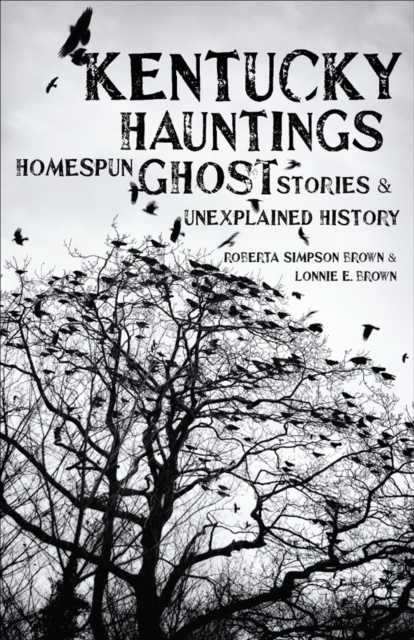
"e;This wonderful collection of Kentucky ghost stories"e; is a treasure trove of history, heritage, and commentary on the oral tradition of storytelling (Elizabeth Tucker, author of Haunted Halls).
Literary works honoring the role of women and quilting in history-from Harriet Beecher Stowe, Joyce Carol Oates, Alice Walker, Sharyn McCrumb, and others.
Nationally recognized River Teeth: A Journal of Nonfiction Narrative has published a host of new and significant voices in creative nonfictionincluding essays, memoir, and literary journalismsince 1999.
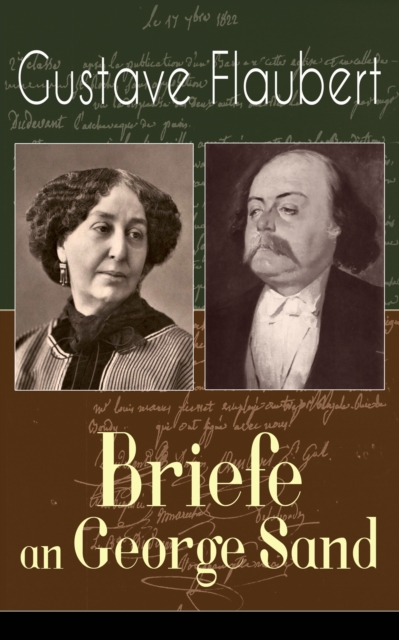
Dieses eBook: "Gustave Flaubert: Briefe an George Sand" ist mit einem detaillierten und dynamischen Inhaltsverzeichnis versehen und wurde sorgfältig korrekturgelesen.
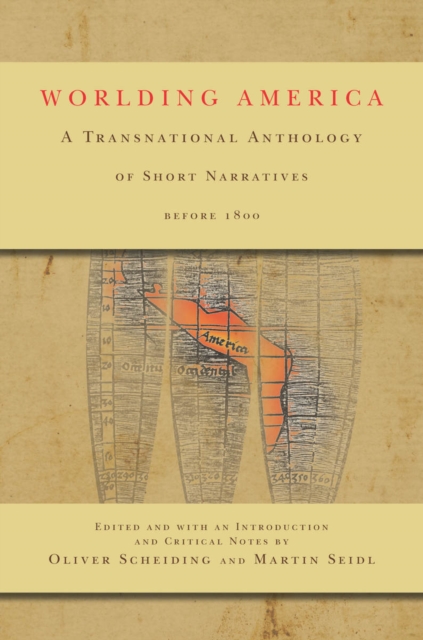
Worlding America explores the circulation of short narratives in the early Americas through a combination of neglected primary materials and scholarly commentary.
Spanning time, styles, and traditions, a dazzling collection of essential works from 140 Latine writers, scholars, and activists from across the worldfrom warrior poet Audre Lorde to novelist Edwidge Danticat and performer and author Elizabeth Acevedo and artist/poet Cecilia Vicuagathered in one magnificent volume.