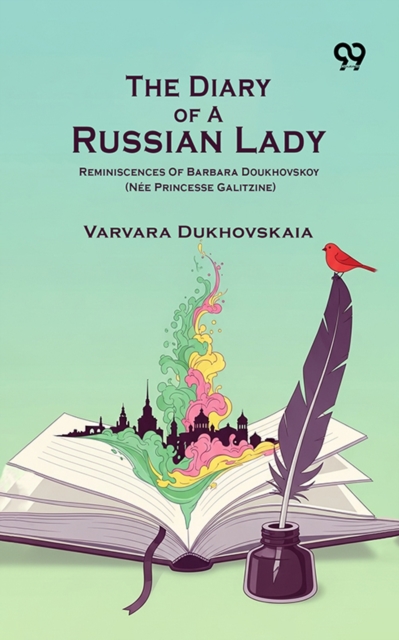
The diary of a Russian lady: Reminiscences of Barbara Doukhovskoy (Nee Princesse Galitzine) offers an intimate portrait of a woman's life shaped by privilege, reflection, and emotional depth.
The conqueror: Being the true and romantic story of Alexander Hamilton Book I presents a vivid and humanized portrayal of an iconic historical figure shaped by instability, ambition, and the tensions of a rapidly evolving world.
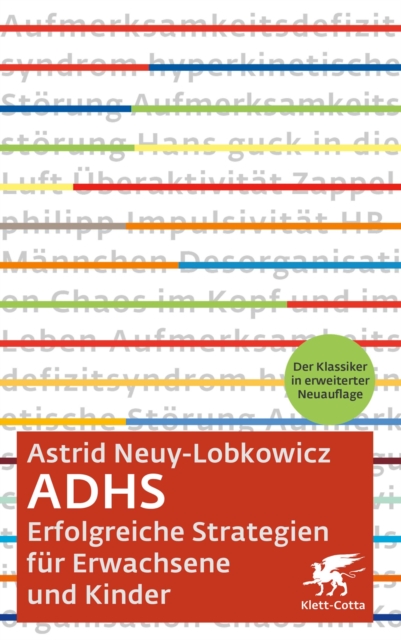
Alles, was Sie uber ADHS wissen mussenDAS Grundlagenwerk jetzt vollstandig aktualisiert und erweitert: Dieses bewahrte Buch gibt konkrete und leicht umsetzbare Anleitungen nicht nur fur die Betroffenen, sondern auch fur die Angehorigen und das gesamte soziale Umfeld.
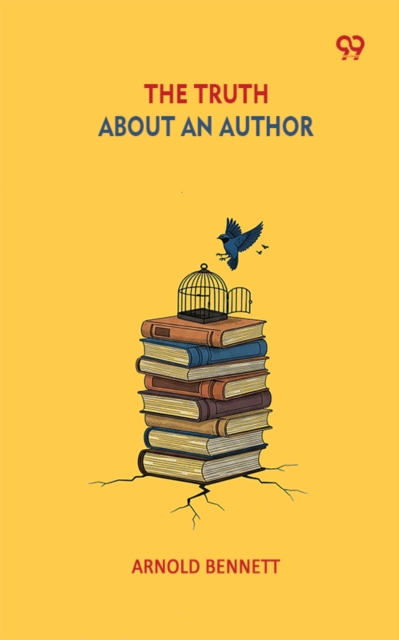
The truth about an author is an autobiographical account that offers an unvarnished look into the life of a writer navigating the complexities of the literary world.
Memories and portraits offers a thoughtful collection of essays blending personal recollection with vivid character and place sketches that illuminate the author's formative experiences.
Alles, was Sie uber ADHS wissen mussenDAS Grundlagenwerk jetzt vollstandig aktualisiert und erweitert: Dieses bewahrte Buch gibt konkrete und leicht umsetzbare Anleitungen nicht nur fur die Betroffenen, sondern auch fur die Angehorigen und das gesamte soziale Umfeld.
The conqueror: Being the true and romantic story of Alexander Hamilton Book II presents a vivid and humanized portrayal of an iconic historical figure shaped by instability, ambition, and the tensions of a rapidly evolving world.
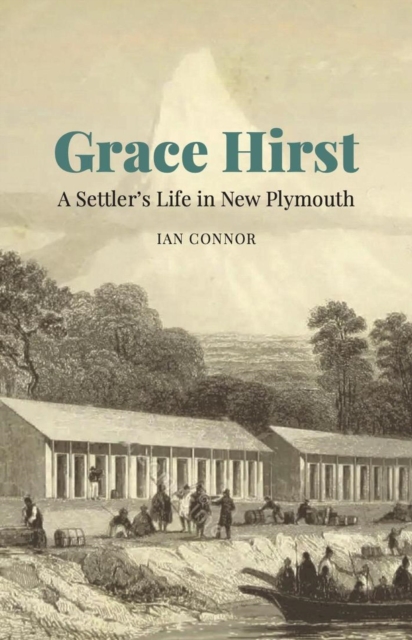
Grace Hirst - A Settler's Life in New Plymouth is an important family and social history based on a treasure-trove of letters sent to her family in England over nearly 50 years.
Every Happy Ending implies a not-so-happy beginning, and David Rat's story—from a groundbreaking career as the drummer of the 'Noise-Rock' cult band Rat At Rat R to a devastating addiction to heroin—follows a path from soaring heights (and highs) to the hellish basement of desperate addiction (the lowest of all possible lows).
The Social Dynamics of Family Violence explores family violence through the life course, from child abuse and neglect to intimate partner violence and elder abuse.
The Social Dynamics of Family Violence explores family violence through the life course, from child abuse and neglect to intimate partner violence and elder abuse.
Touched: A Memoir of Child Sexual Abuse and Survival chronicles one man's experience with sexual abuse and his lifelong journey toward healing and self-understanding.
Little journeys to the homes of the great Volume 9: Little journeys to the homes of great reformers offers a reflective examination of influential reformers whose ideas reshaped social, spiritual, and political life.
Edison: His life and inventions opens with a vivid portrayal of a changing world on the brink of a technological revolution, tracing the early life of a boy whose relentless curiosity would soon reshape the modern age.
The Diary and Letters of Madame D'Arblay Volume 2 offers an intimate glimpse into life within a royal household, emphasizing the balance between personal reflection and social observation.
Memoirs of the courts of Louis XV and XVI Volume 1 presents an inside view of royal life shaped by proximity to power and daily intimacy with influence.
Little journeys to the homes of the great: Little journeys to the homes of eminent artists Volume 6 presents a reflective collection that examines the lives and creative spirit of influential artists through thoughtful observation rather than strict chronology.
Memoirs of Marguerite de Valois Queen of Navarre - Volume 1 opens with a reflection on early life shaped by duty, faith, and the shifting forces of a powerful court.
The memoirs of Count Grammont - Volume 3 offers an account shaped by shifting loyalties, elaborate social rituals, and the contrast between disciplined military life and the indulgent atmosphere of prominent courts.
Memoirs of Louis XIV and his court and of the regency Volume 4 presents a detailed observation of power, ambition, and social hierarchy within a highly structured royal environment.
Life and letters of Thomas Henry Huxley Volume 2 presents a portrait of a scientific thinker whose ideas and public efforts shaped shifting understandings of knowledge, education, and inquiry.
Memoirs of Sir Wemyss Reid 1842-1885 presents a reflective account of a life shaped by intellectual curiosity, professional discipline, and public responsibility.
Memoirs of Louis XIV and his court and of the regency Volume 8 presents a detailed observation of power, ambition, and social hierarchy within a highly structured royal environment.
Memoirs of the courts of Louis XV and XVI - Complete offers an intimate examination of royal court life, revealing the subtle forces that shaped authority, influence, and daily existence within a powerful social hierarchy.
A zola dictionary: The characters of the Rougon-Macquart novels of Emile Zola serves as a companion volume that explains the intricate network of individuals who shape the larger narrative arc of a major literary cycle.
The life of John Bunyan traces the journey of a 17th-century English figure whose personal struggles and spiritual quest shaped his enduring contributions to literature and religious thought.
The autobiography of Georg Ebers: The story of my life from childhood to manhood Volume 3 is an autobiographical account that traces the early experiences and formative influences that shaped a notable intellectual and scholar.
Life and letters of Thomas Henry Huxley Volume 3 presents a reflective continuation of the scientist's life, concentrating on the tension between declining health and unwavering dedication to the advancement of scientific and educational reform.