Gustavus Myers Outstanding Book Award from the Gustavus Myers Center for the Study of Bigotry and Human RightsThis new edition of an immensely influential book gives voice to Mexic Amerindian women silenced for hundreds of years by the dual censorship of being female and indigenous.
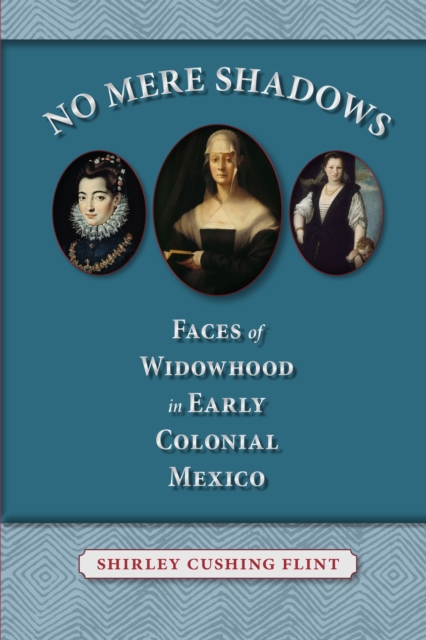
Three generations of women in one family are the characters in this intimate historical study of what it meant to be a widow in sixteenth-century Mexico City.
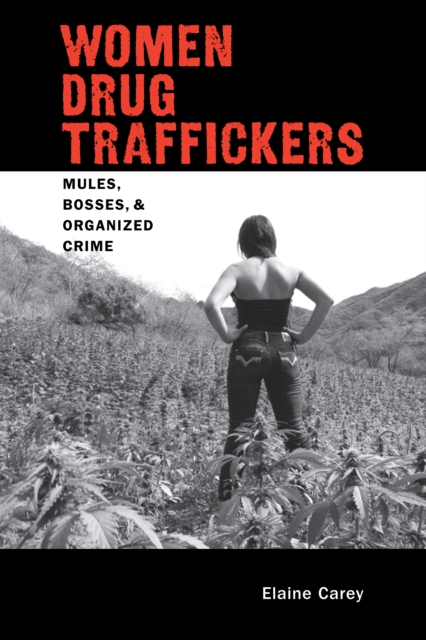
In the flow of drugs to the United States from Latin America, women have always played key roles as bosses, business partners, money launderers, confidantes, and courierswork rarely acknowledged.
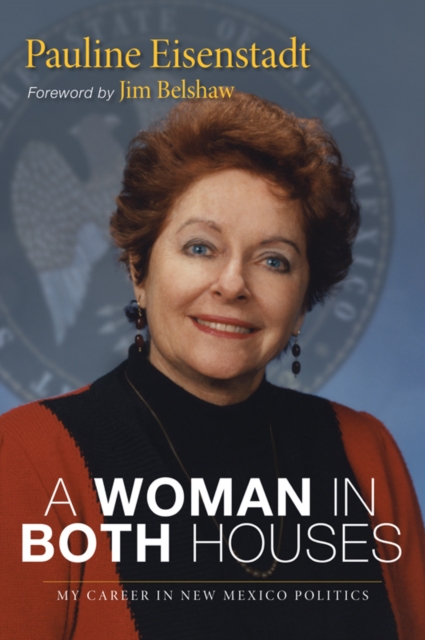
The first woman to serve in both houses of the New Mexico legislature, Pauline Eisenstadt has witnessed many exciting moments in the state's political history and made much of that history herself.
The new edition of this AJN Book of the Year continues to provide nurses with the most comprehensive, current, and reliable information available so they can develop the skills to efficiently and effectively respond to disasters or public health emergencies.
Whisperin' Bill: An Unprecedented Life in Country Music presents a revealing portrait of Bill Anderson, one of the most prolific songwriters in the history of country music.
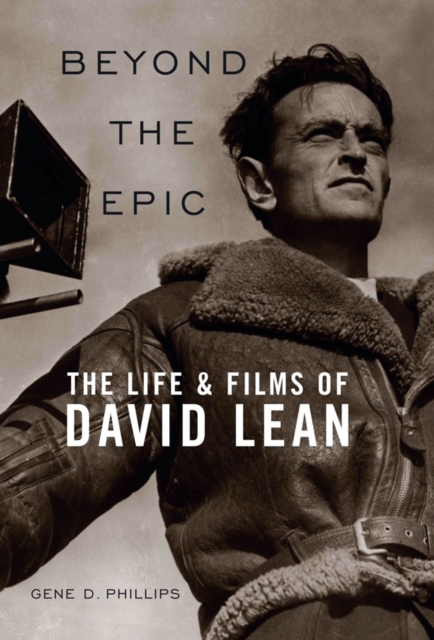
Two-time Academy Award winner Sir David Lean (19081991) was one of the most prominent directors of the twentieth century, responsible for the classics The Bridge on the River Kwai (1957), Lawrence of Arabia (1962), and Doctor Zhivago (1965).
Partners in Conflict examines the importance of sexuality and gender to rural labor and agrarian politics during the last days of Chile's latifundia system of traditional landed estates and throughout the governments of Eduardo Frei and Salvador Allende.
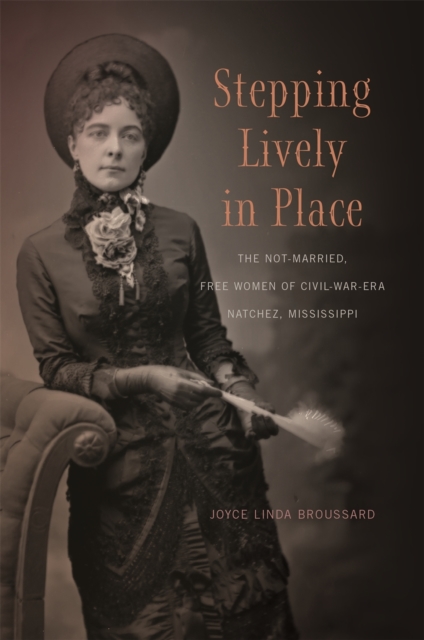
Enlivened with profiles and vignettes of some of the remarkable people whose histories inform this study, Stepping Lively in Place shows how free, single women navigated life in a busy slave-based river-port town before and during the Civil War, and how these women transitioned during Reconstruction, emancipation, and thereafter.
Examines the intersection of male and female spheres in American literature Although they wrote in the same historical milieu as their male counterparts, women writers of the 19th- and early 20th-centuries have generally been "e;ghettoized"e; by critics into a separate canonical sphere.
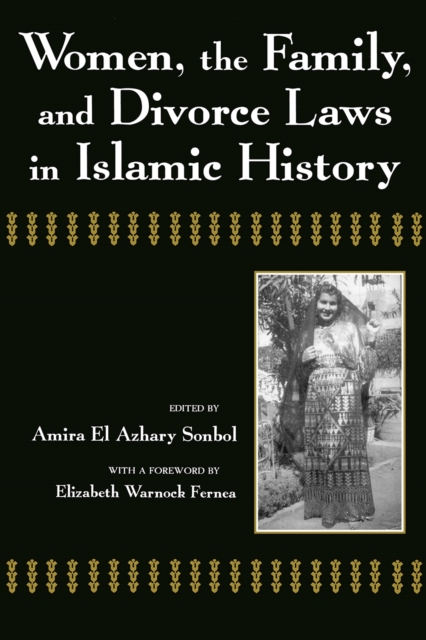
The eighteen essays in this volume cover a wide range of material and reevaluate women's studies and Middle Eastern studies, Muslim women and the Shari'a courts, the Ottoman household, Dhimmi communities, children and family law, morality, and violence.
Enlivened with profiles and vignettes of some of the remarkable people whose histories inform this study, Stepping Lively in Place shows how free, single women navigated life in a busy slave-based river-port town before and during the Civil War, and how these women transitioned during Reconstruction, emancipation, and thereafter.
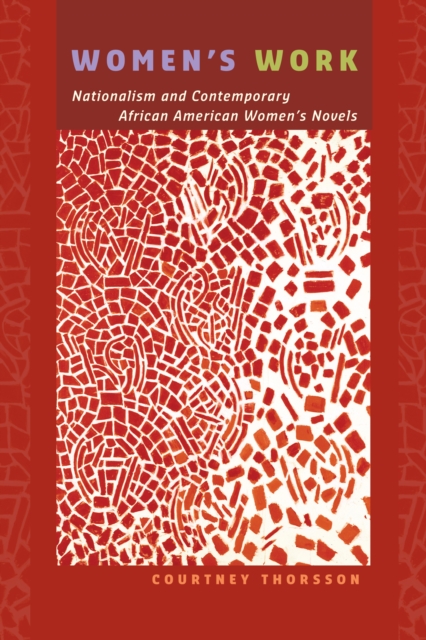
In Women's Work, Courtney Thorsson reconsiders the gender, genre, and geography of African American nationalism as she explores the aesthetic history of African American writing by women.
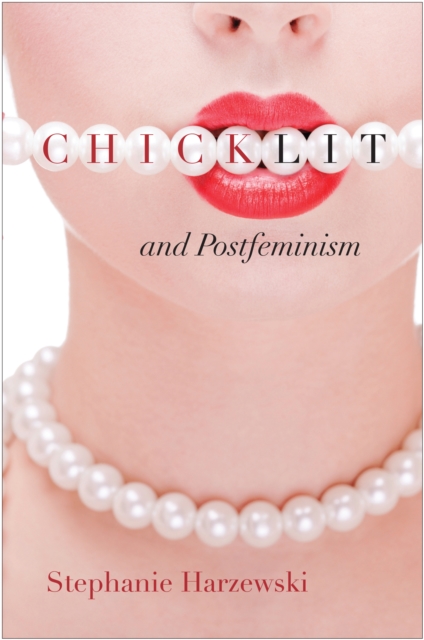
Originally a euphemism for Princeton University's Female Literary Tradition course in the 1980s, "e;chick lit"e; mutated from a movement in American women's avant-garde fiction in the 1990s to become, by the turn of the century, a humorous subset of women's literature, journalism, and advice manuals.
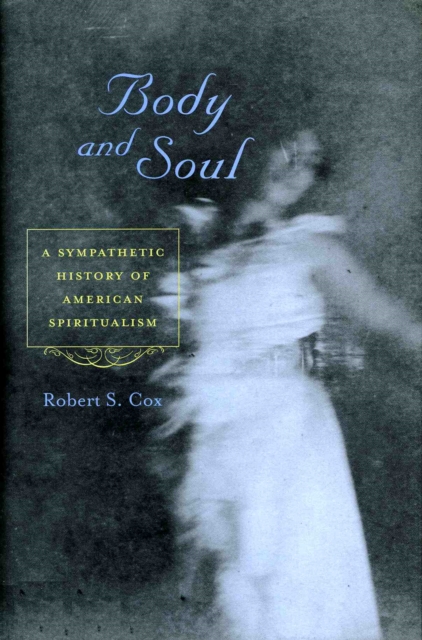
A product of the "e;spiritual hothouse"e; of the Second Great Awakening, Spiritualism became the fastest growing religion in the nation during the 1850s, and one of the principal responses to the widespread perception that American society was descending into atomistic particularity.
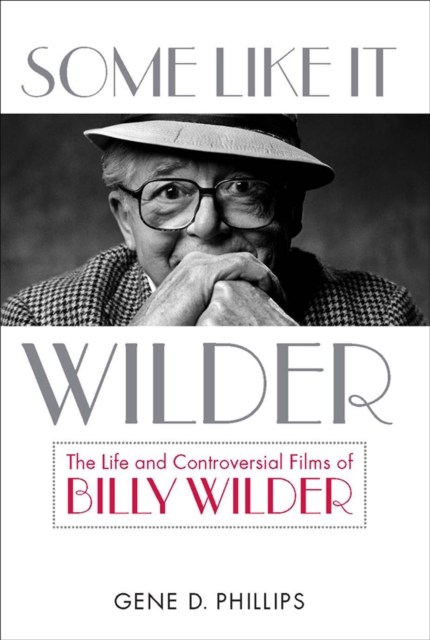
One of the most accomplished writers and directors of classic Hollywood, Billy Wilder (19062002) directed numerous acclaimed films, including Sunset Boulevard (1950), Sabrina (1954), The Seven Year Itch (1955), Witness for the Prosecution (1957), and Some Like It Hot (1959).
Two-time Academy Award winner Sir David Lean (19081991) was one of the most prominent directors of the twentieth century, responsible for the classics The Bridge on the River Kwai (1957), Lawrence of Arabia (1962), and Doctor Zhivago (1965).
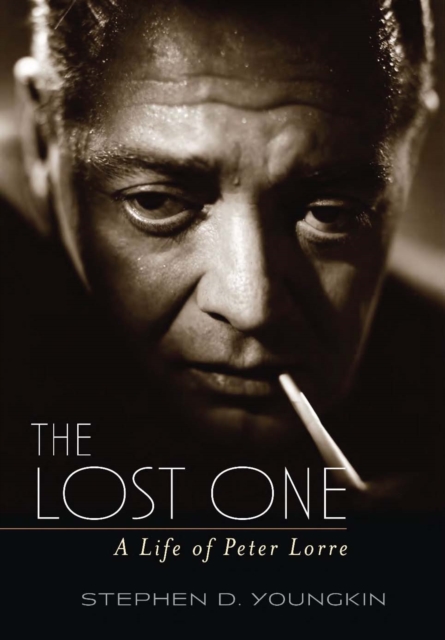
Often typecast as a menacing figure, Peter Lorre achieved Hollywood fame first as a featured player and later as a character actor, trademarking his screen performances with a delicately strung balance between good and evil.
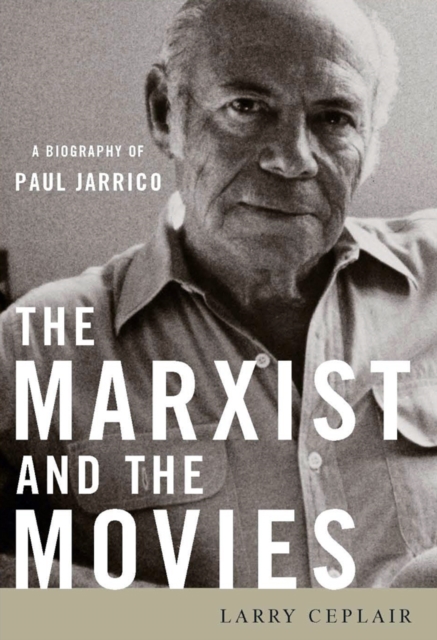
As part of its effort to expose Communist infiltration in the United States and eliminate Communist influence on movies, from 19471953 the House Committee on Un-American Activities subpoenaed hundreds of movie industry employees suspected of membership in the Communist Party.
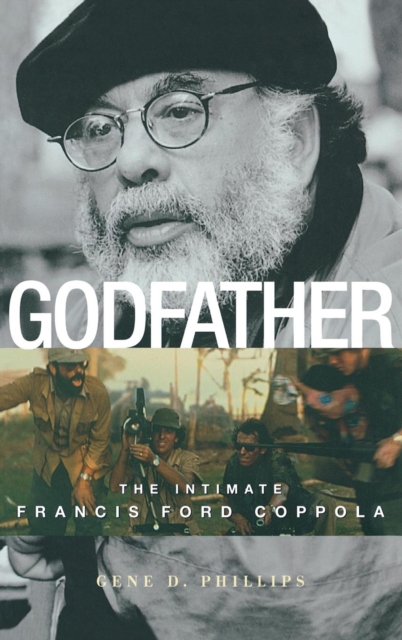
This critical biography by the acclaimed film historian is "e;certainly the definitive work on the director"e; behind The Godfather and Apocalypse Now (Publishers Weekly).
Written for everyone interested in women's and gender history, History Matters reaffirms the importance to feminist theory and activism of long-term historical perspectives.
In a career that spanned 60 years, Paul Whiteman changed the landscape of American music, beginning with his million-selling recordings in the early 1920s of "e;Whispering,"e; "e;Japanese Sandman,"e; and "e;Three O'Clock in the Morning.