On Bowie is a thoughtful and loving meditation on the life of the late David Bowie that explores his creative legacy and the enduring and mutual connection he enjoyed with his fansInnovative.
Flea, the iconic bassist and co-founder, alongside Anthony Kiedis, of the immortal Red Hot Chili Peppers finally tells his fascinating origin story, complete with all the dizzying highs and the gutter lows you'd expect from an LA street rat turned world-famous rock star.
*The Sunday Times Bestseller**Featuring an exclusive new chapter*On 23 September, 2005, at the Joiners Arms in Southampton, Frank Turner played his last gig with his hardcore band, Million Dead.
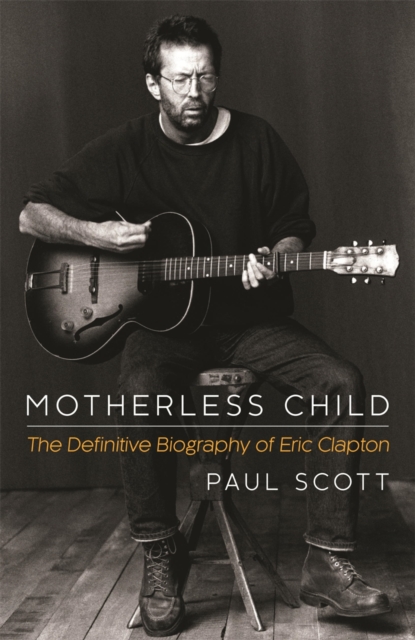
From the Yardbirds to Cream, Blind Faith to Derek and the Dominos, and a hugely-successful solo career, Eric Clapton's fifty years in the music business can look like an uninterrupted rise to become one of the greatest guitar players who ever lived.
Rich Cohen enters the Stones epic as a young journalist on the road with the band and quickly falls under their sway - privy to the jokes, the camaraderie, the bitchiness, the hard living.
In 2002 - along with Cheryl Cole, Nadine Coyle, Sarah Harding and Nicola Roberts - Kimberley Walsh won a place in the Popstars The Rivals band Girls Aloud, and her life changed forever.
Ronnie James Dio was a heavy metal icon and frontman of three of the best-selling, most influential and famous rock bands in history: Rainbow, Black Sabbath and his own multi-million selling band, Dio.
The Sunday Times bestsellerGrowing up in Liverpool in the 1960s and '70s, when skinheads, football violence and fear of just about everything was the natural order of things, a young Will Sergeant found the emerging punk scene provided a shimmer of hope amongst a crumbling city still reeling from the destruction of the Second World War.
'Like all good diarists Paling's musings are funny, tender and uncensored' Sunday Times6 April 2007Writing income for the year so far: minus 300'I feel that this might just be the year in which something happens.
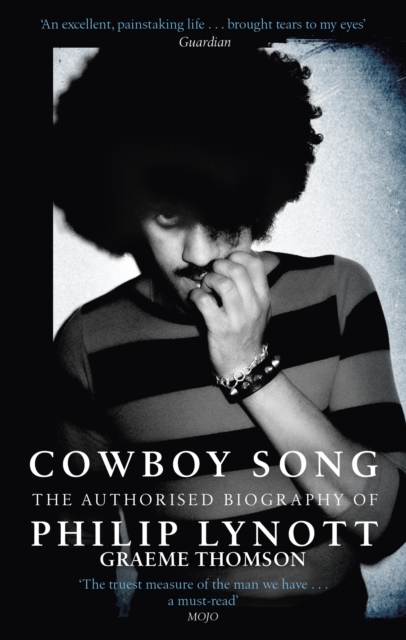
'The truest measure of the man we have thus far' - Mojo'Affectionate, impeccably researched biography' - Mail on Sunday'Head and shoulders above the usual rock hagiography' - Sunday TelegraphThe first biography to be written with the cooperation of the Lynott Estate, Cowboy Song is the definitive authorised account of the extraordinary life and career of Thin Lizzy guiding spirit, Philip Lynott.
Coming to London aged thirteen from desperate poverty in Jamaica; pregnant at fifteen; fifteen years later singing in Boney M, one of the biggest international groups of the late-1970s; a messy group split during the 1980s; a 1990s solo career interrupted by six bouts of cancer - ovarian, breast, lymph node (twice), spine and oesophagus - and having to learn to walk again.
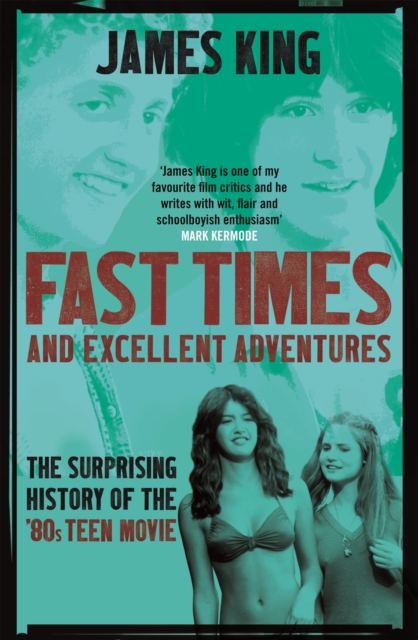
'Brilliant' Mail on SundayTake a trip back to the era of troubled teens and awesome soundtracks; of Reagan, rap and Ridgemont High; of MTV, VHS and 'Axel F'; of outsiders, lost boys and dead poets; of Bill and Ted, Brooke Shields and the Brat Pack; of three Porky's, two Coreys and one summer when everyone called her Baby .
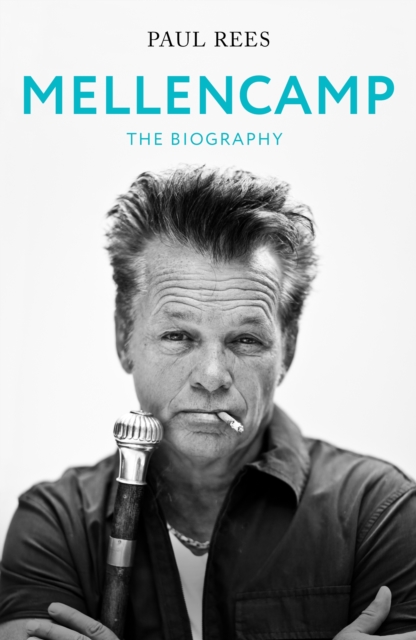
The definitive biography of John Mellencamp featuring exclusive interviews and never-before-told details about the life of the iconic American rock and roll original.
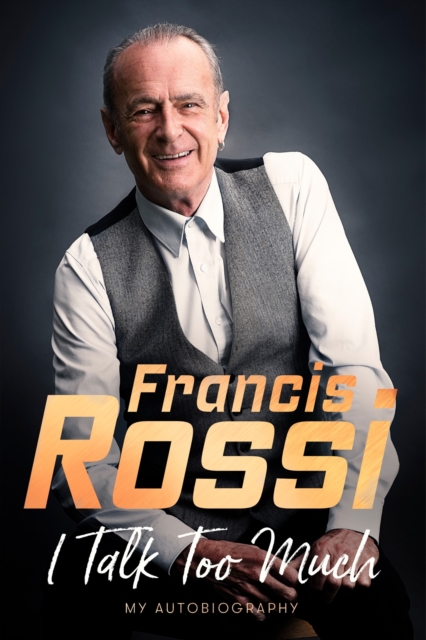
THE SUNDAY TIMES BESTSELLER'THE ROCK 'N' ROLL AUTOBIOGRAPHY OF THE YEAR' MAIL ON SUNDAY'Essential for fans and great reading for anyone else' Classic RockBreak-ups, make-ups, groupies, band politics, court battles, the tragic death of Rick Parfitt .
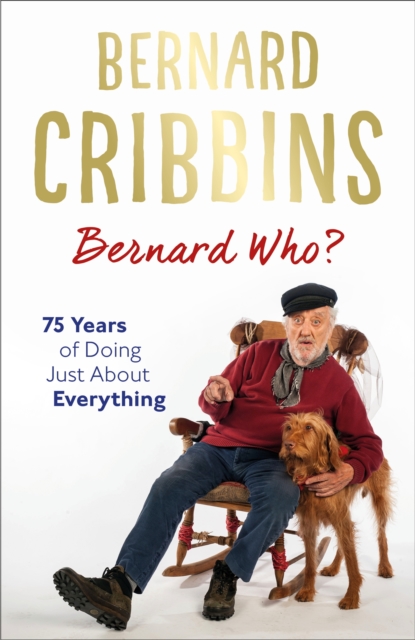
'Essential' DAILY MAIL CELEBRITY BIOGRAPHIES OF THE YEAR'The book reads like it's Bernard sitting down and telling a story' Steve Wright, BBC Radio 2'A fitting celebration of one of our most versatile and enduring acting talents' Sunday Express'A rollicking good read - charming, unassuming and full of amiable, homespun wit' The OldieThe long-awaited autobiography of national treasure Bernard Cribbins.
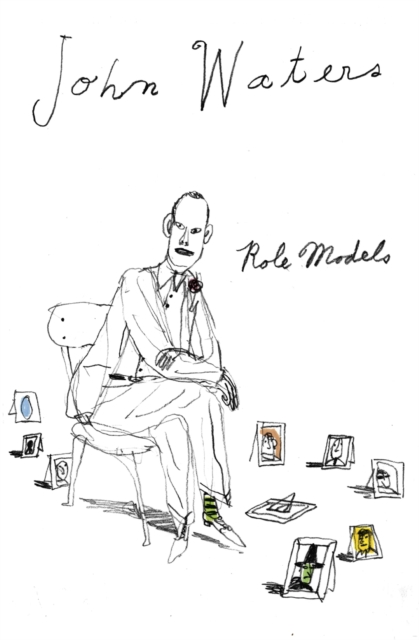
Role Models is a wild and witty self-portrait of John Waters, America's 'Pope of Trash', told through intimate profiles of his favourite personalities - some famous, some unknown, some criminal, some surprisingly middle of the road.
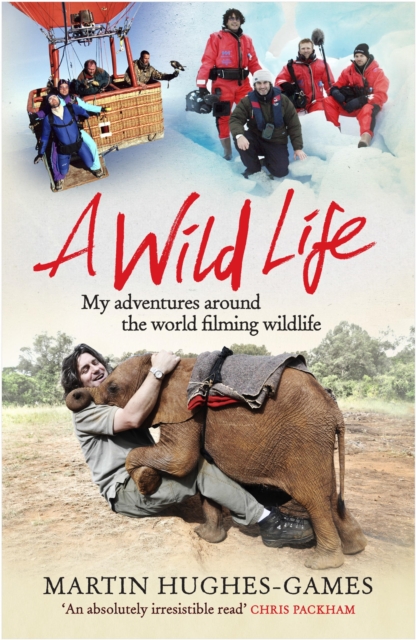
The frozen wastes of the Southern Ocean; the tropical rainforests of South America, the scorching grasslands of Africa, the dizzy heights of the snow-capped peaks of the Himalayas: Martin Hughes-Games has been to every continent on earth filming natural history programmes.
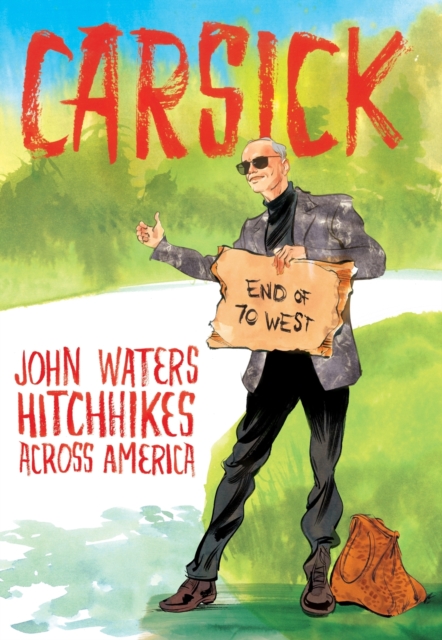
From the Pope of Trash himself, John Waters, Carsick is his hilarious (if not always 100% true) account of hitchhiking fearlessly into the heart of middle America.
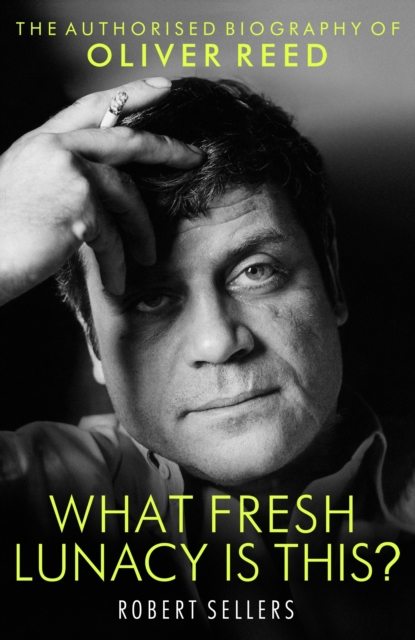
Oliver Reed may not have been Britain's biggest film star - for a period in the early 70s he came within a hairsbreadth of replacing Sean Connery as James Bond - but he is an august member of that small band of people, like George Best and Eric Morecambe, who transcended their chosen medium, became too big for it even, and grew into cultural icons.
En julio de 2012 tuve el privilegio de conocer al gran clarinetista y solista instrumental de la música klezmer, Giora Feidman, en Bad Staffelstein, Oberfranken.
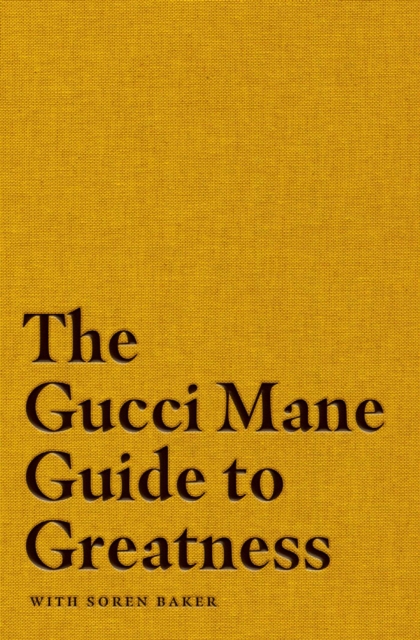
From the platinum selling recording artist and New York Times bestselling author of The Autobiography of Gucci Mane comes THE GUCCI MANE GUIDE TO GREATNESS -an unprecedented look at Gucci Mane's secrets to success, health, wealth and self-improvement.
The goddaughter of Igor Stravinsky and a graduate of Hollywood High, Eve Babitz posed in 1963, at age twenty, playing chess with the French artist Marcel Duchamp.
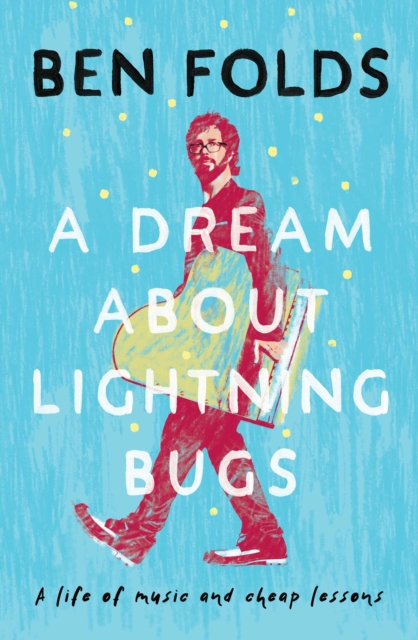
Ben Folds is an internationally celebrated musician, singer-songwriter and former front man of the alternative rock band, Ben Folds Five, beloved for songs such as ';Brick', ';You Don't Know Me', ';Rockin' the Suburbs' and ';The Luckiest'.
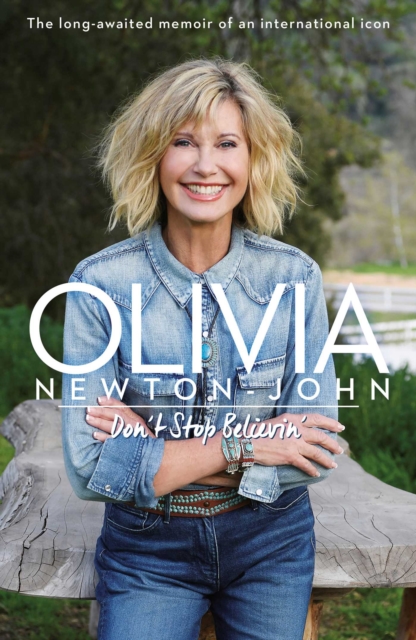
THE NEW YORK TIMES BESTSELLER With candour, humour and warmth, legendary musician, actress, activist, and icon Olivia Newton-John reveals her life story from her unforgettable rise to fame in the classic musicalGreaseto her passionate advocacy for health and wellness in light of her battles with cancer.