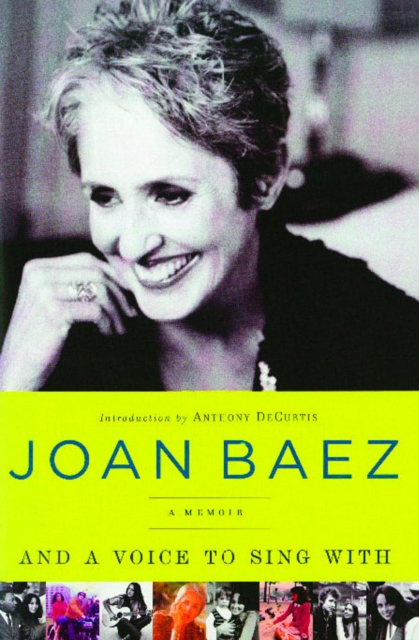
The perfect time for a reissue: In October 2009, PBS will air a ninety-minute primetime special on Joan Baez as part of the Emmy Award-winning American Masters series.
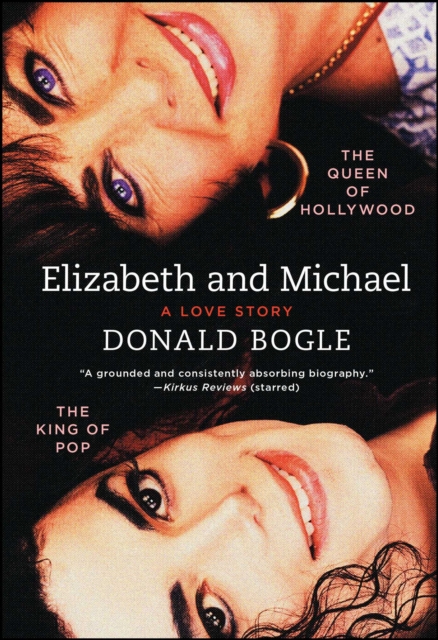
Discover the unique, profound, and unlikely yet enduring friendship between two of the most prominent and beloved celebrities of all timeElizabeth Taylor and Michael Jacksonin this exhaustively researchedconsistently absorbing (Kirkus Reviews, starred review) biography.
';A vivid page-turner' (NPR) detailing the rise, fall, and redemption of Broadwayits stars, its biggest shows, its producers, and all the drama, intrigue, and power plays that happened behind the scenes.
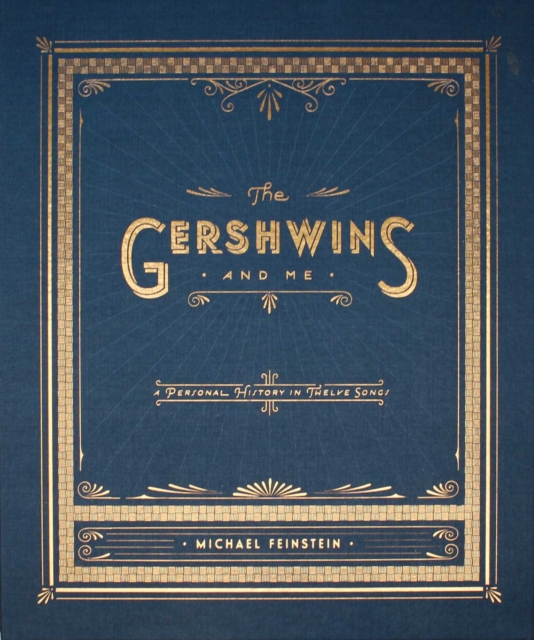
From celebrated entertainer Michael Feinstein comes a beautifully illustrated account of the lives and legacies of the Gershwinstold through stories of twelve of their greatest songs.
Dieses eBook: "Briefe eines Verstorbenen" ist mit einem detaillierten und dynamischen Inhaltsverzeichnis versehen und wurde sorgfältig korrekturgelesen.
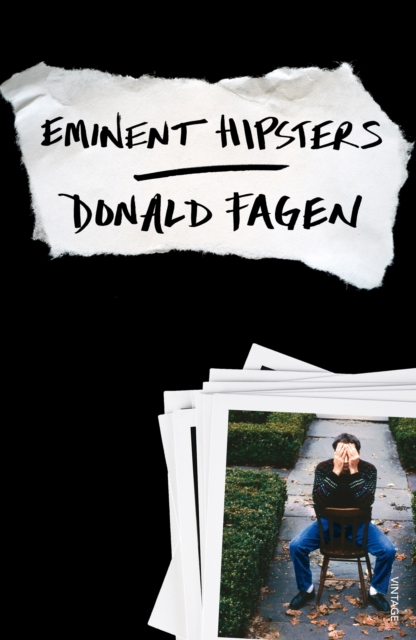
In Eminent Hipsters, musician and songwriter Donald Fagen, best known as the co-founder of the rock band Steely Dan, presents an autobiographical portrait that touches on everything from the cultural figures that mattered the most to him as a teenager, to his years in the late 1960s at Bard College, to a hilarious account of a recent tour he made with Boz Scaggs and Michael McDonald.
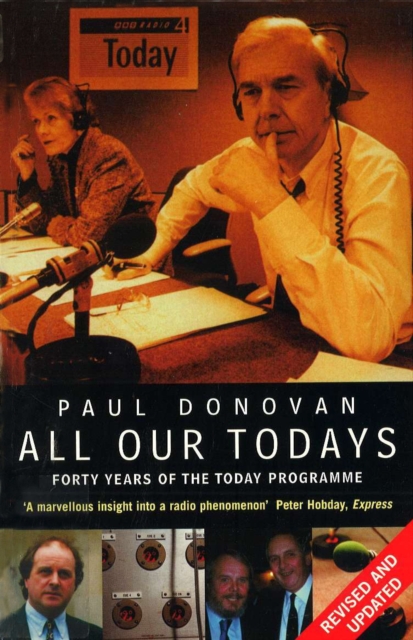
All Our Todays is the first book about the BBC's most influential news and current affairs programme, published to celebrate Today's 40th anniversary in October 1997.
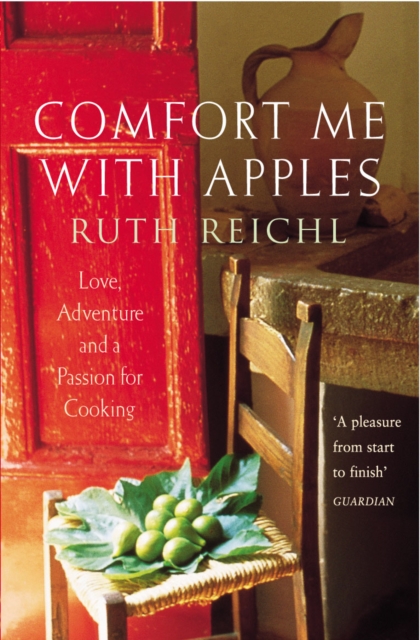
In this delightful sequel to her bestseller Tender at the Bone, the beloved food writer Ruth Reichl returns with more tales full of love, life, humour and marvellous meals.
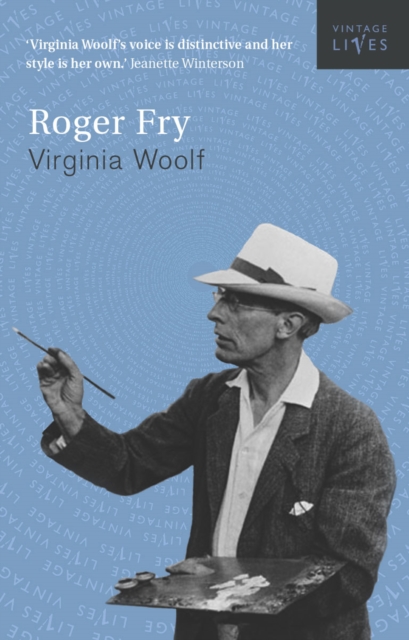
Virginia Woolf was a close friend of Roger Fry for many years - after his death she wrote this loving account of his passion for art, his own painting, and his challenging critical theories.
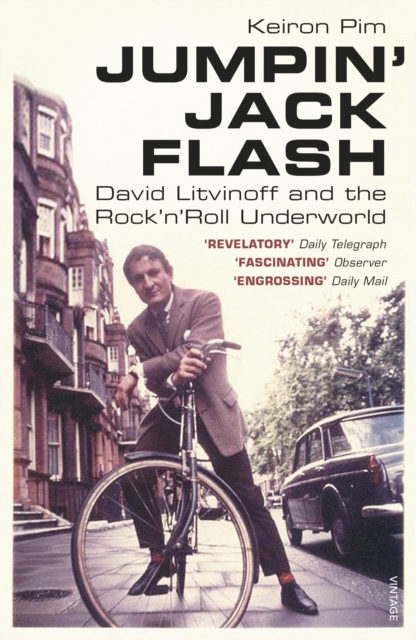
'REVELATORY' - DAILY TELEGRAPH *****'FASCINATING' - OBSERVER'ENGROSSING' - DAILY MAIL'You ll worry at your hunger to keep on reading, but you won t be able to stop' - GUARDIAN, Book of the Year David Litvinoff was one of the great mythic characters of 60s London.
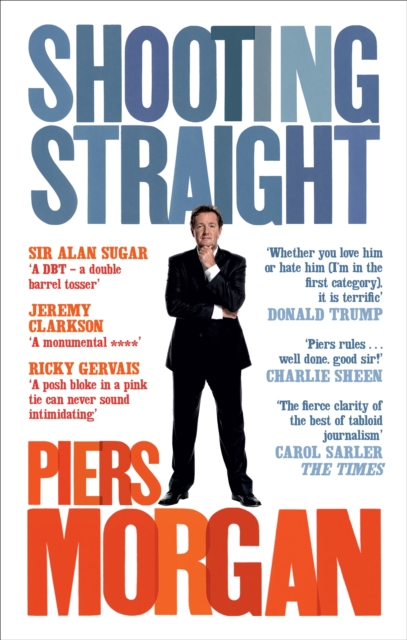
Despite many wanting him to fail, Piers Morgan took over from US TV legend Larry King at CNN in 2010 and went on to cover some of the most shocking news events in recent US history, such as the killing of Osama bin Laden, the devastation caused by Hurricane Sandy and horrific shooting rampages including the Newtown school massacre.
Winner of the National Book Awards Autobiography of the YearThe long-awaited autobiography of one of Britain's best-loved actors*As seen in David and Jay s Touring Toolshed on BBC Two*Born the son of a Billingsgate market porter at the height of the Second World War, David Jason spent his early life dodging bombs and bullies, both with impish good timing.
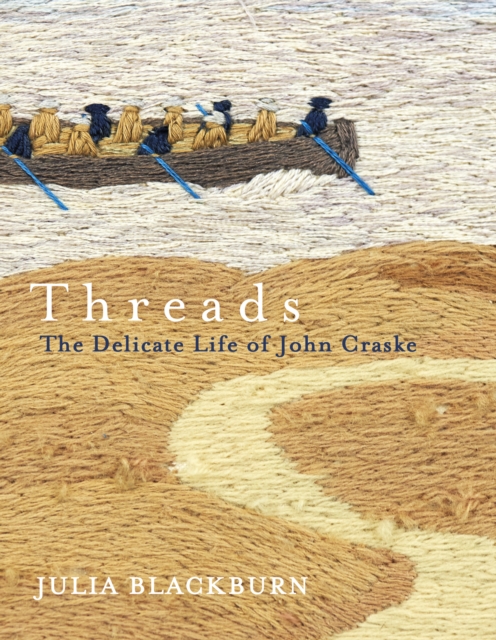
Winner of the East Anglian Book of the Year 2015 Winner of the New Angle Book Prize 2017John Craske, a Norfok fisherman, was born in 1881 and in 1917, when he had just turned thirty-six, he fell seriously ill.
'An invigorating discussion of general ills, this collection of autobiographical essays ranges over adultery and parenthood, ghosts and gods, fiction and football.
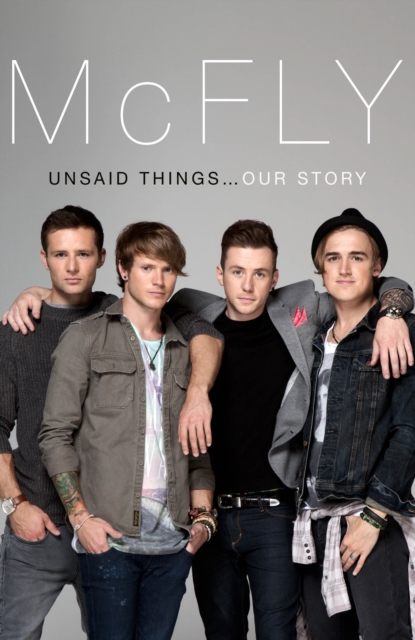
The intimate - and surprising - autobiography of Britain's most adored bandPrepare to meet the real McFly In 2003, Tom Fletcher, Danny Jones, Harry Judd and Dougie Poynter came together and formed what would become one of the most popular and successful bands in the UK.
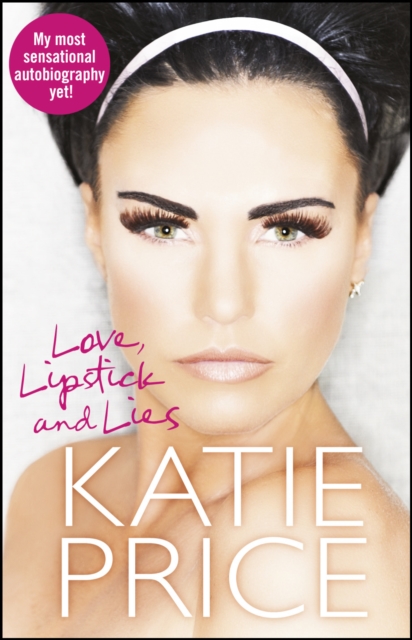
Katie Price: model, businesswoman, author and Celebrity Big Brother 2015 winner, tells all in this explosive autobiographyThe last three years of Katie Price's life have been as dramatic as ever.
** Shortlisted for the William Hill Sports Book of the Year Award **Fanatical about cricket since he was a boy, Miles Jupp would do anything to see his heroes play.
Known for his intelligent and often surreal humour, Paul Merton s weekly appearances on BBC1 s Have I Got News For You as well as Radio 4 s Just A Minute and his travel documentaries have seen him become an artfully rebellious fixture in our lives for over 25 years.
Forged in the Dustbowl of the 1930s, in an America crippled by the Great World Recession, this humble man found solace in song, and soon those songs became the voice of the People men and women who had seen their lives deracinated and destroyed by the vicissitudes of global economic forces beyond their control.
When Fred Dibnah debuted on television in 1979, British audiences immediately embraced a new cultural icon: a steeplejack from Bolton who fell in love with England's decaying industrial landscape and an exhaustive storyteller whose charm and wit was matched only by his down-to-earth manner.
A companion volume to Being an Actor, Callow's classic text about the experience of acting in the theatre, Shooting the Actor reveals the truth about film acting.