This is the first volume to offer a critical overview of the long and complicated history of translations of Virgil from the early modern period to the present day, transcending traditional studies of single translations or particular national traditions in isolation to offer an insightful comparative perspective.
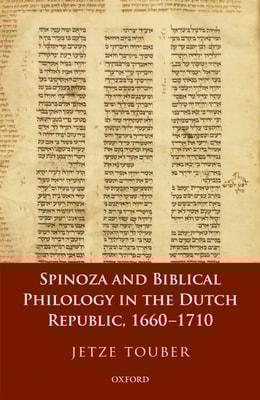
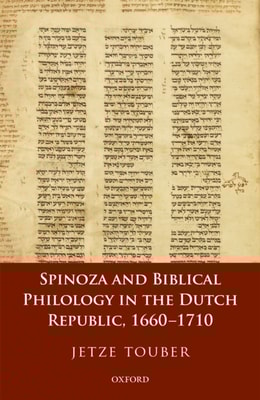
Spinoza and Biblical Philology in the Dutch Republic, 1660-1710 investigates the biblical criticism of Spinoza from the perspective of the Dutch Reformed society in which the philosopher lived and worked.
Spinoza and Biblical Philology in the Dutch Republic, 1660-1710 investigates the biblical criticism of Spinoza from the perspective of the Dutch Reformed society in which the philosopher lived and worked.
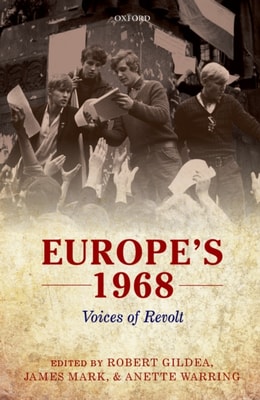
By the late 1960s, in a Europe divided by the Cold War and challenged by global revolution in Latin America, Asia, and Africa, thousands of young people threw themselves into activism to change both the world and themselves.
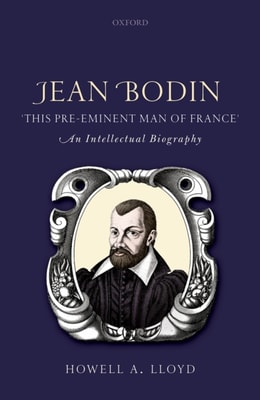
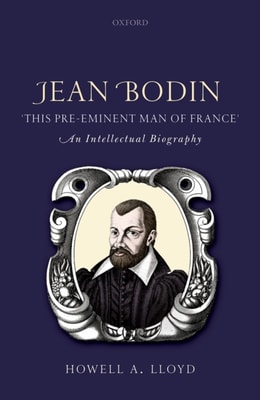
Jean Bodin was a figure of great importance in European intellectual history, known as a jurist, associate of kings and courtiers in sixteenth-century France, and author of influential works in the fields of constitutional and social thought, historical writing, witchcraft, and a great deal else besides.
Jean Bodin was a figure of great importance in European intellectual history, known as a jurist, associate of kings and courtiers in sixteenth-century France, and author of influential works in the fields of constitutional and social thought, historical writing, witchcraft, and a great deal else besides.
Purity, Community, and Ritual in Early Christian Literature investigates the meaning of purity, purification, defilement, and disgust for Christian writers, readers, and listeners from the first to third centuries.
Purity, Community, and Ritual in Early Christian Literature investigates the meaning of purity, purification, defilement, and disgust for Christian writers, readers, and listeners from the first to third centuries.
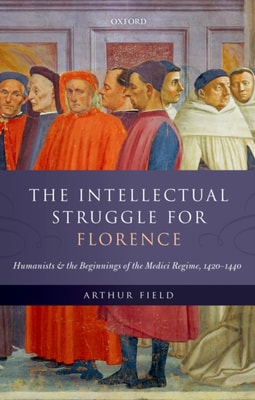
The Intellectual Struggle for Florence is an analysis of the ideology that developed in Florence with the rise of the Medici, during the early fifteenth century, the period long recognized as the most formative of the early Renaissance.
The Intellectual Struggle for Florence is an analysis of the ideology that developed in Florence with the rise of the Medici, during the early fifteenth century, the period long recognized as the most formative of the early Renaissance.
This volume contains thirty new essays by leading experts on British philosophy in the nineteenth century, and provides a comprehensive and unrivalled resource for advanced students and scholars.
This volume contains thirty new essays by leading experts on British philosophy in the nineteenth century, and provides a comprehensive and unrivalled resource for advanced students and scholars.
Inventing the Market: Smith, Hegel, and Political Theory analyses the constructions of the market in the thought of Adam Smith and Georg Wilhelm Friedrich Hegel and discusses their relevance for contemporary political philosophy.
We live in a world which is characterised by both a radical inequality in wealth and incomes and the accelerating depletion of scarce natural resources.
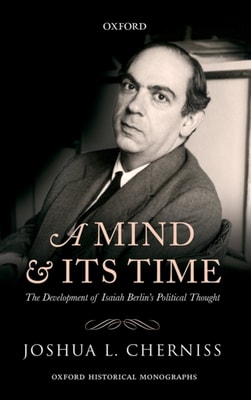
A Mind and its Time offers the most detailed account to date of the genesis and development of Isaiah Berlin's political thought, philosophical views, and historical understanding.
By the late 1960s, in a Europe divided by the Cold War and challenged by global revolution in Latin America, Asia, and Africa, thousands of young people threw themselves into activism to change both the world and themselves.
Frederick Rosen presents an original study of John Stuart Mill's moral and political philosophy, which explores the main themes of his writings--particularly those that emerge from the two major works, System of Logic (1843) and Principles of Political Economy (1848).
This book is no less than a guide to the whole of Western philosophy--the ideas that have undergirded our civilization for two-and-a-half thousand years.
This book is no less than a guide to the whole of Western philosophy--the ideas that have undergirded our civilization for two-and-a-half thousand years.
James Clerk Maxwell (1831-1879) had a relatively brief, but remarkable life, lived in his beloved rural home of Glenlair, and variously in Edinburgh, Aberdeen, London and Cambridge.
James Clerk Maxwell (1831-1879) had a relatively brief, but remarkable life, lived in his beloved rural home of Glenlair, and variously in Edinburgh, Aberdeen, London and Cambridge.