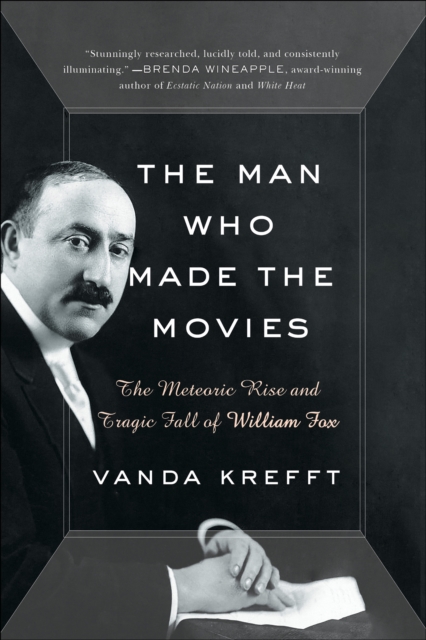
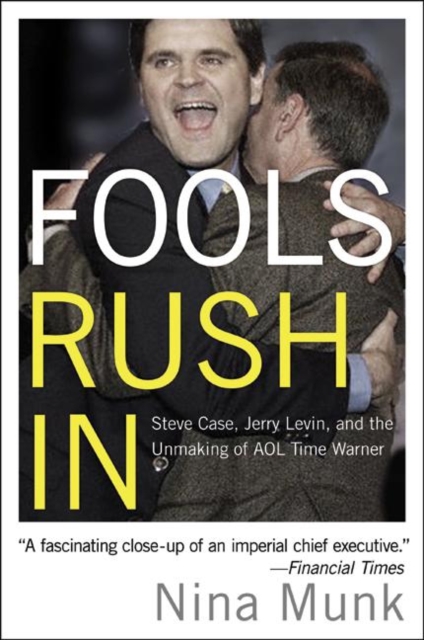
This biography of a forgotten film-industry titan with a still-famous name is both "e;a great American success story and a shudder-provoking cautionary tale"e; (The Wall Street Journal).
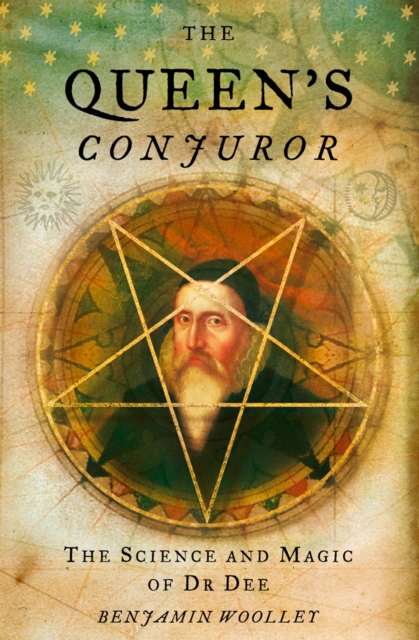
A spellbinding portrait of Queen Elizabeth's conjuror - the great philosopher, scientist and magician, Dr John Dee (1527-1608) and a history of Renaissance science that could well be the next 'Longitude'.
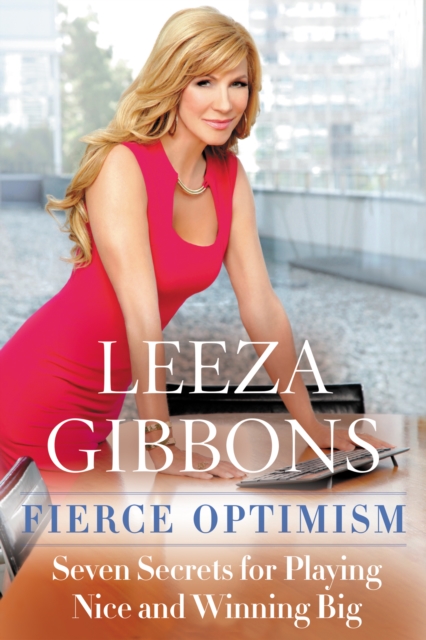
Attitude can be sexy- a practical and inspirational guide for using kindness and positivity as a winning strategy from Celebrity Apprentice champion, Hollywood veteran, and New York Times bestselling author Leeza Gibbons.
The comprehensive and groundbreaking biography of the Nobel Peace Prize-winning politician, one of the most influential and important men in Irish political history.
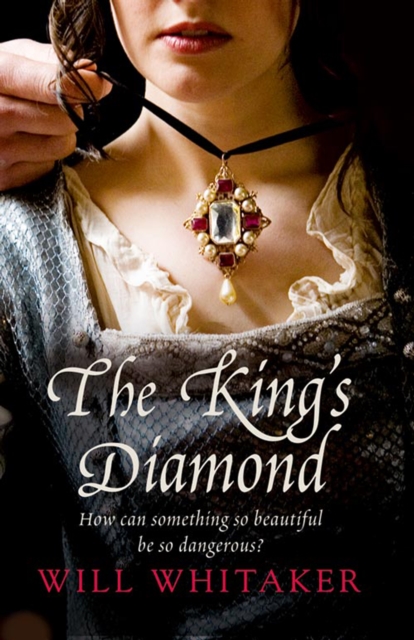
A fast-moving, elegant novel set in contemporary London in the glittery world of charity auctions, big business, high art, and more than enough money to spare.
This highly praised biography is the first to explore fully the way in which her painful early life and rejection by her brother Isaac in particular, shaped the insight and art which made her both Victorian England's last great visionary and the first modern.
Widely considered to be the most important biography of Nelson Mandela, Antony Sampson's remarkable book has been updated with an afterword by acclaimed South African journalist, John Battersby.
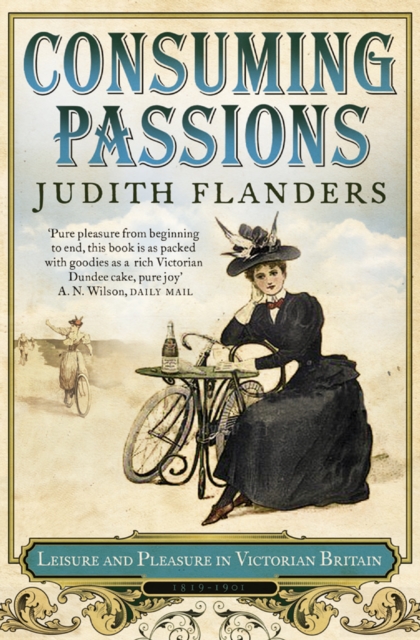
A delightful and fascinating social history of Victorians at leisure, told through the letters, diaries, journals and novels of nineteenth-century men and women, from the author of the bestselling 'The Victorian House'.
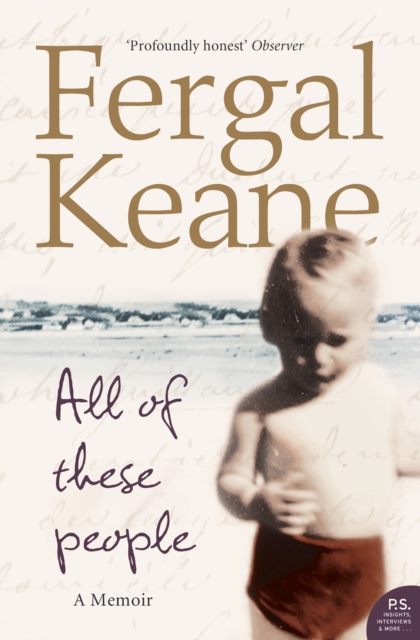
In a memoir of staggering power and candour, award-winning journalist Fergal Keane addresses his experience of wars of different kinds, some very public and others acutely personal.
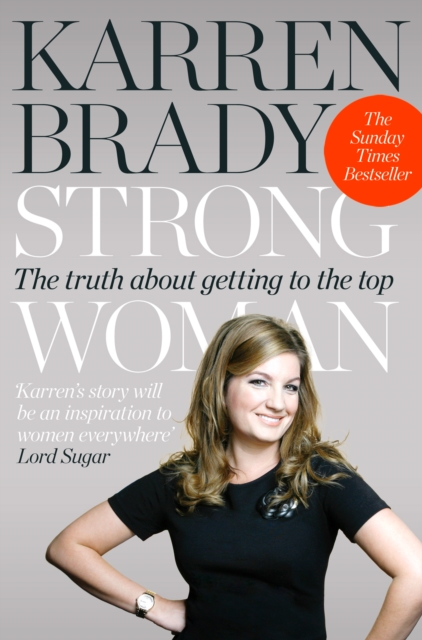
Karren Brady is an inspiration to women everywhere, and her incredible success is borne of her passion, impressive business instinct, ambition, and her very genuine, honest, down-to-earth outlook.
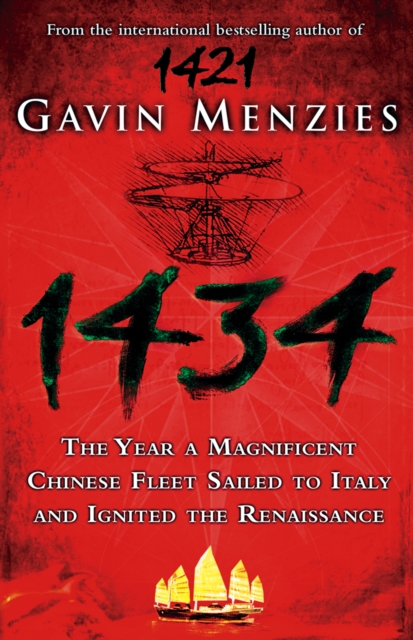
In his bestselling book 1421:The Year China Discovered the World, Gavin Menzies revealed that it was the Chinese that discovered America, not Columbus.
In one of the most explosive and hotly debated books of the past year, Sir Peregrine Worsthorne presents a reactionary and playful look at the origins, evolution and demise of the aristocracy and what we can expect to replace them.
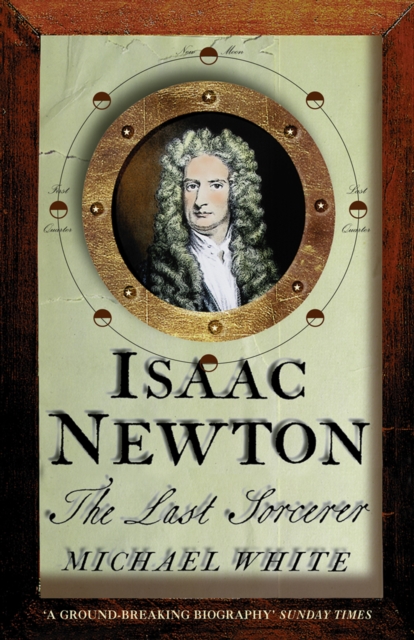
First time in ebook format, this biography of Isaac Newton reveals the extraordinary influence that the study of alchemy had on the greatest Early Modern scientific discoveries.
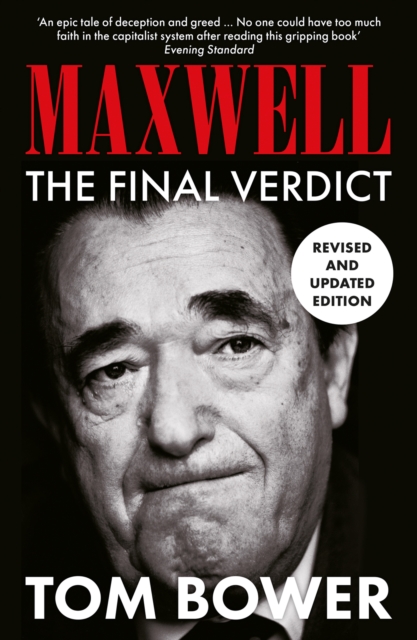
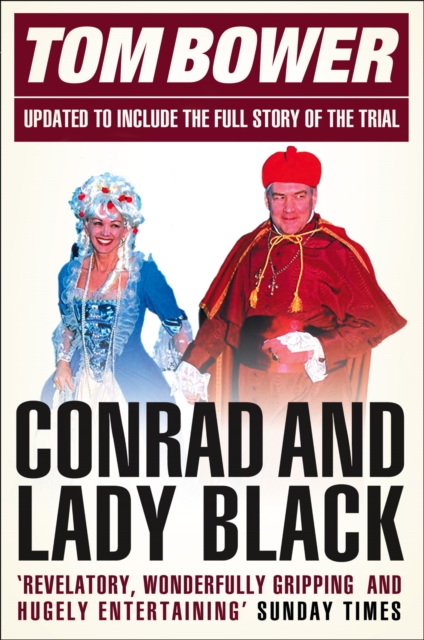
The riveting tale of how the wanabee aristo Conrad Black and his social-mountaineering wife Barbara gulled their way into the City, the Tory party, Wall Street and High Society.
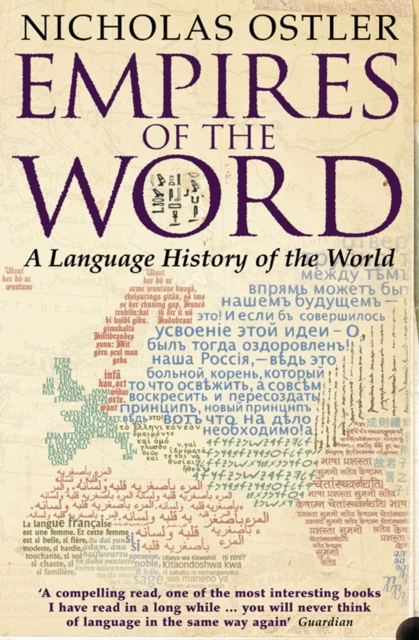
An unusual and authoritative 'natural history of languages' that narrates the ways in which one language has superseded or outlasted another at different times in history.
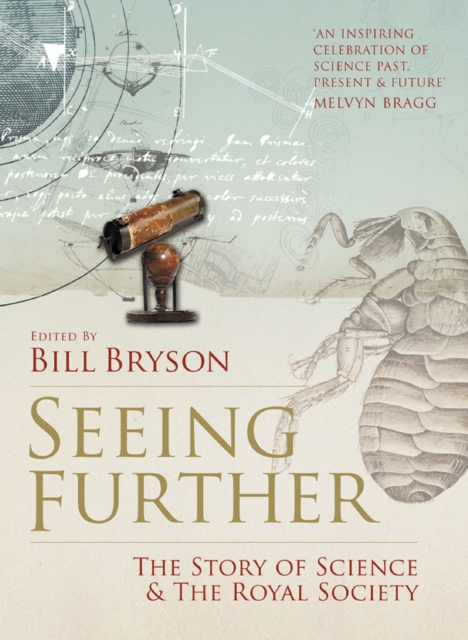
Edited and introduced by Bill Bryson, with contributions from Richard Dawkins, Margaret Atwood, Richard Holmes, Martin Rees, Richard Fortey, Steve Jones, James Gleick and Neal Stephenson amongst others, this beautiful, lavishly illustrated book tells the story of science and the Royal Society, from 1660 to the present.
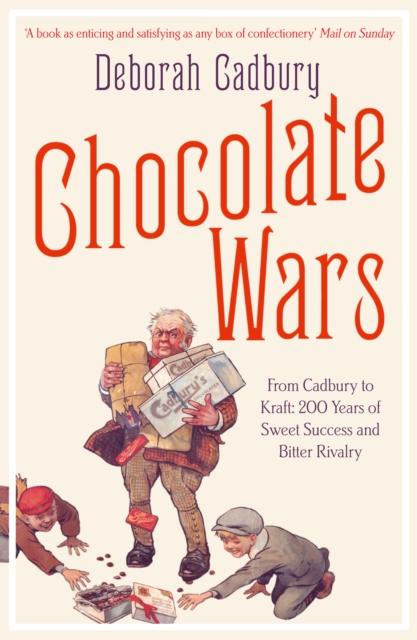
The delicious true story of the early chocolate pioneers by the award-winning writer, and direct descendant of the famous chocolate dynasty, Deborah CadburyIn 'Chocolate Wars' bestselling historian and award-winning documentary maker Deborah Cadbury takes a journey into her own family history to uncover the rivalries that have driven 250 years of chocolate empire-building.