Reissued with a new foreword to mark the centenary of Harold Wilson's birth, Ben Pimlott's classic biography combines scholarship and observation to illuminate the life and career of one of Britain's most controversial post-war statesmen.
In 1988 after decades as an anti-apartheid activist and member of the ANC Albie Sachs lost his right arm and an eye when his car was blown up by South African security agents.
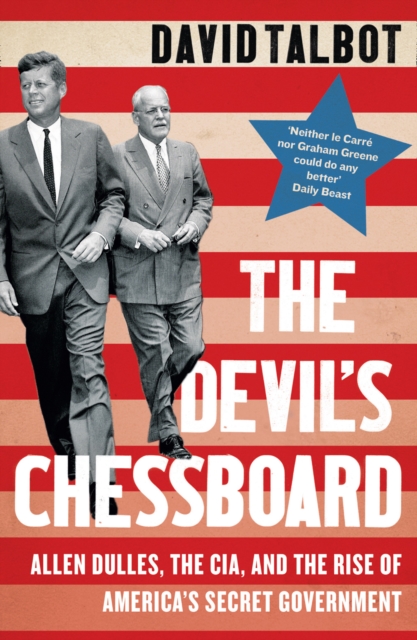
Based on explosive new evidence, bestselling author David Talbot tells America's greatest untold story: the United States' rise to world dominance under the guile of Allen Welsh Dulles, the longest-serving director of the CIA.
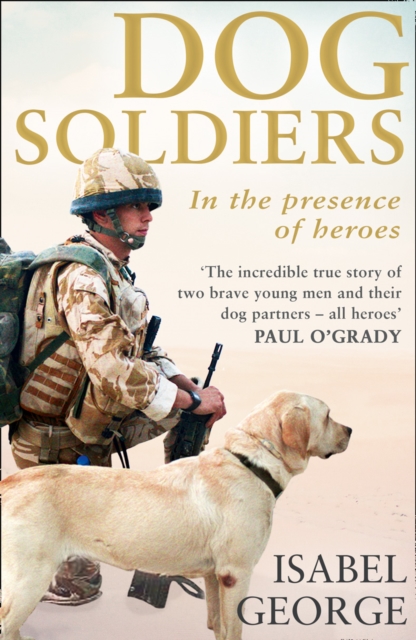
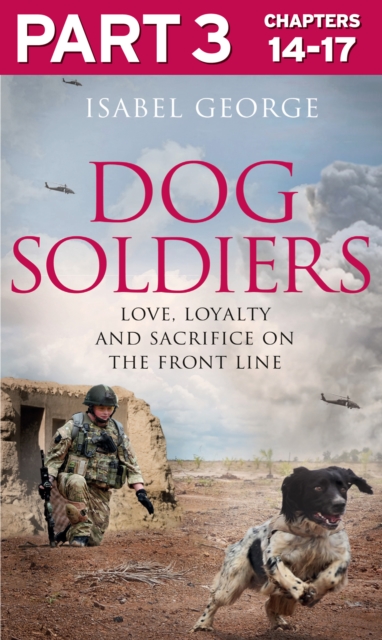
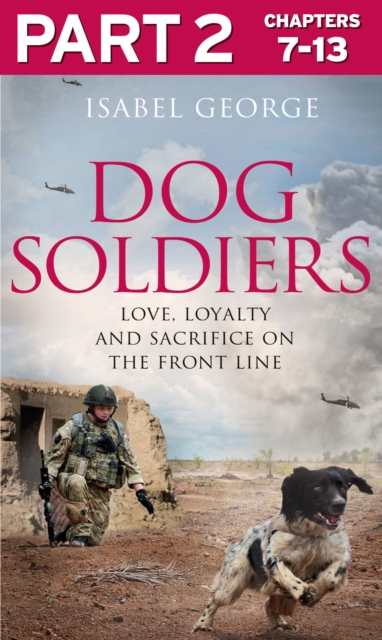
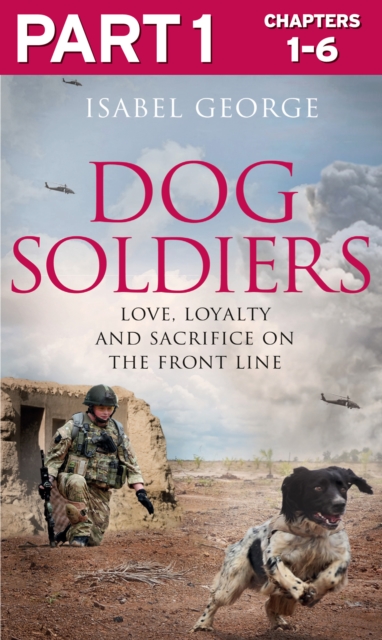
Dog Soldiers tells the story of two brave young 'dog soldiers' (Army bomb dog handlers), killed in action in Afghanistan with their dogs by their side, through the inspirational words of their mothers.
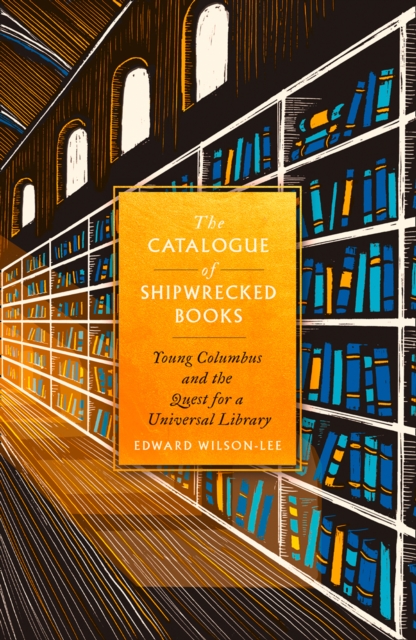
WINNER OF THE 2019 PEN HESSELL-TILTMAN PRIZEThe fascinating history of Christopher Columbus's illegitimate son Hernando, guardian of his father's flame, courtier, bibliophile and catalogue supreme, whose travels took him to the heart of 16th-century Europe' Honor Clerk, Spectator, Books of the YearThis is the scarcely believable - and wholly true - story of Christopher Columbus' bastard son Hernando, who sought to equal and surpass his father's achievements by creating a universal library.
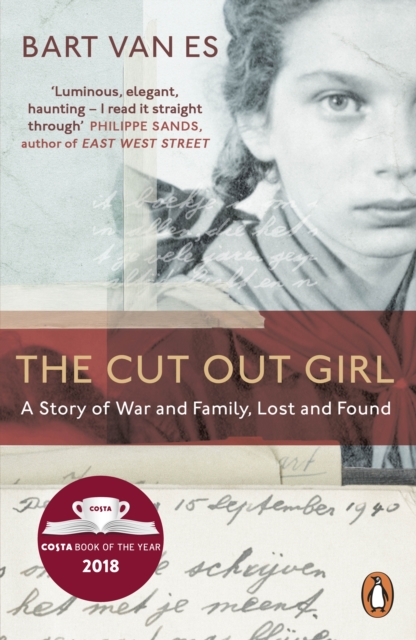
WINNER OF THE COSTA BOOK OF THE YEAR 2018WINNER OF THE SLIGHTLY FOXED BEST FIRST BIOGRAPHY PRIZE 2018'A masterpiece of history and memoir' Evening Standard'Superb.
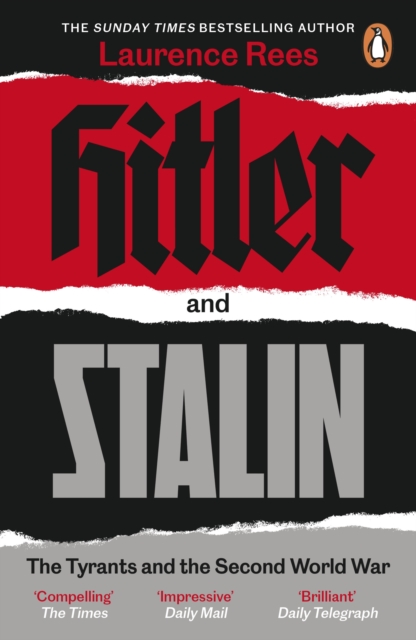
FROM THE SUNDAY TIMES BESTSELLING AUTHOR OF THE HOLOCAUST AND THE NAZI MIND 'You have to read it' Volodymyr Zelensky'Laurence Rees brilliantly combines powerful eye-witness testimony, vivid narrative and compelling analysis in this superb account' Professor Sir Ian Kershaw'In this fascinating study of two monsters, Rees is extraordinarily perceptive and original' Antony BeevorTwo tyrants.
An inspirational and insightful guide for women who want to get it all by doing lessFor women, a glass ceiling at work is not the only barrier to success - it's also the increasingly heavy obligations at home that weigh them down.
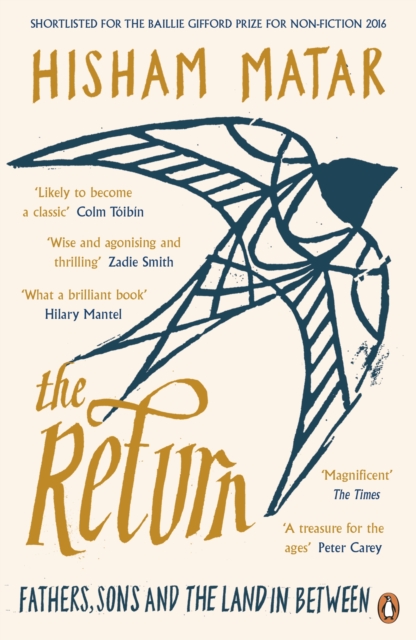
WINNER OF THE PULITZER PRIZE IN BIOGRAPHY WINNER OF THE RATHBONES FOLIO PRIZE SHORTLISTED FOR THE BAILLIE GIFFORD PRIZE FOR NON-FICTION SHORTLISTED FOR THE COSTA BIOGRAPHY AWARDSHORTLISTED FOR THE NATIONAL BOOK CRITICS CIRCLE AWARD FOR AUTOBIOGRAPHYWINNER OF THE SLIGHTLY FOXED BEST FIRST BIOGRAPHY PRIZE ONE OF THE NEW YORK TIMES' TOP 10 BOOKS OF 2016 The Return is at once a universal and an intensely personal tale.
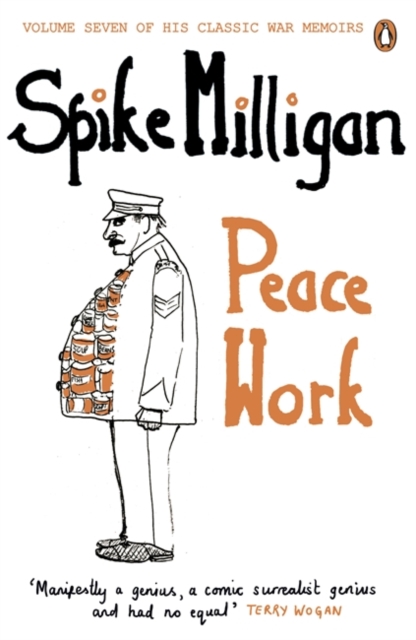
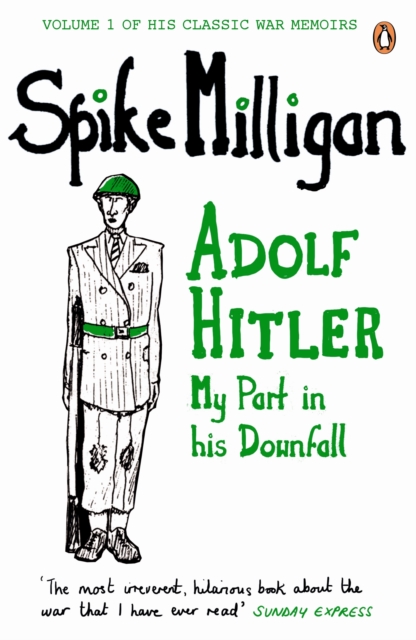
Spike Milligan's legendary war memoirs are a hilarious and subversive first-hand account of the Second World War, as well as a fascinating portrait of the formative years of this towering comic genius, most famous as writer and star of The Goon Show.
Spike Milligan's legendary war memoirs are a hilarious and subversive first-hand account of the Second World War, as well as a fascinating portrait of the formative years of this towering comic genius, most famous as writer and star of The Goon Show.
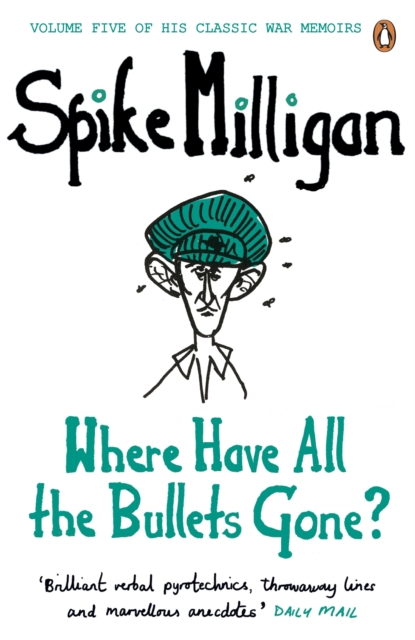
VOLUME FIVE OF SPIKE MILLIGAN'S LEGENDARY MEMOIRS IS A HILARIOUS, SUBVERSIVE FIRST-HAND ACCOUNT OF WW2'The Godfather of Alternative Comedy' Eddie Izzard______________ 'Back to those haunting days in Italy in 1944, at the foot of Mount Vesuvius, with lava running in great red rivulets down the slope towards us, and Jock taking a drag on his cigarette and saying, "e;I think we've got grounds for a rent rebate.
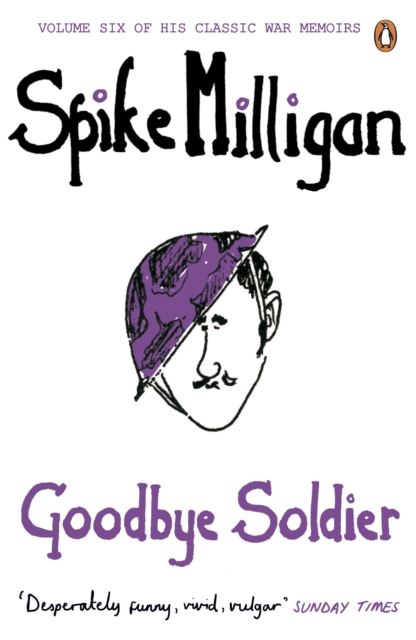
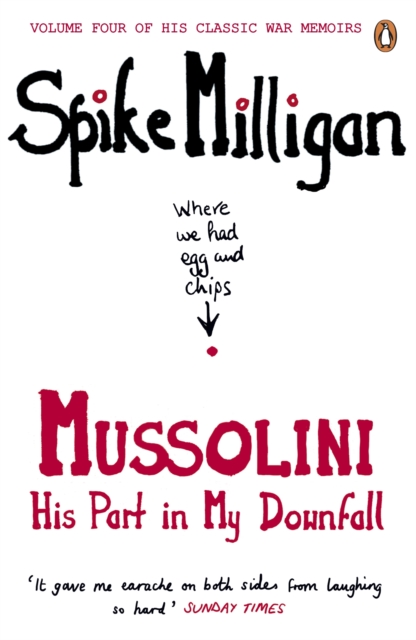
VOLUME FOUR OF SPIKE MILLIGAN'S LEGENDARY MEMOIRS IS A HILARIOUS, SUBVERSIVE FIRST-HAND ACCOUNT OF WW2 'Brilliant verbal pyrotechnics, throwaway lines and marvelous anecdotes' Daily Mail 'Desperately funny, vivid, vulgar' Sunday Times ______________ A voice is calling across the land, 'Bombardier Milligan.
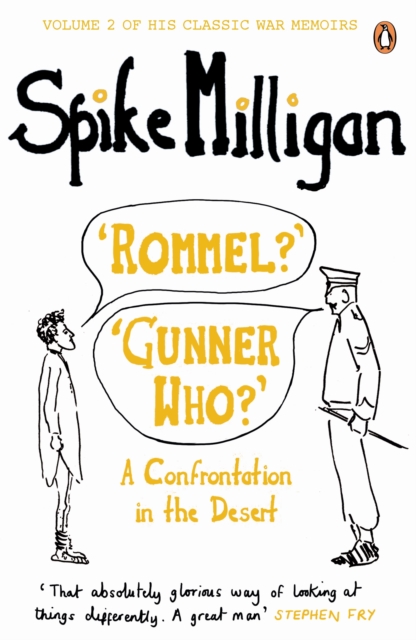
VOLUME TWO OF SPIKE MILLIGAN'S LEGENDARY MEMOIRS IS A HILARIOUS, SUBVERSIVE FIRST-HAND ACCOUNT OF WW2'Brilliant verbal pyrotechnics, throwaway lines and marvelous anecdotes' Daily Mail 'Desperately funny, vivid, vulgar' Sunday Times ______________'Keep talking, Milligan.
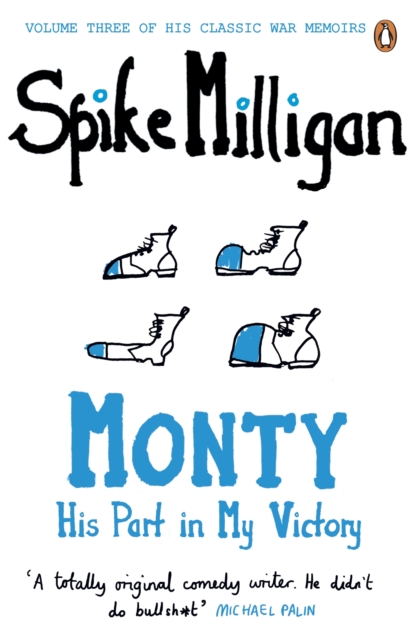
VOLUME THREE OF SPIKE MILLIGAN'S LEGENDARY MEMOIRS IS A HILARIOUS, SUBVERSIVE FIRST-HAND ACCOUNT OF WW2'The most irreverent, hilarious book about the war that I have ever read' Sunday Express 'Brilliant verbal pyrotechnics, throwaway lines and marvelous anecdotes' Daily Mail ______________ 'It's all over, Von Arnheim has surrendered and he's very angry.
Volume one of Spike Milligan's legendary memoirs is a hilarious, subversive first-hand account of WW2'The most irreverent, hilarious book about the war that I have ever read' Sunday Express'Close in stature to Lewis Carroll and Edward Lear in his command of the profound art of nonsense' Guardian______________'At Victoria station the R.
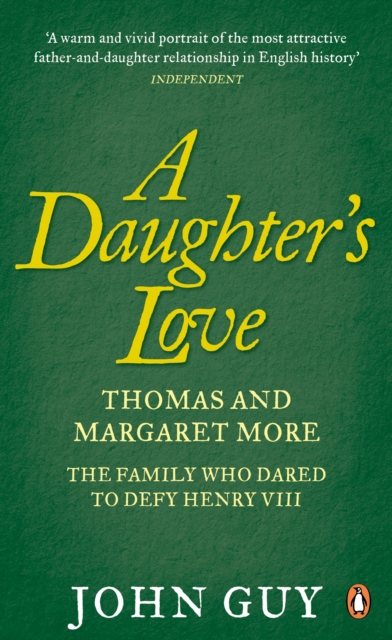
Leading British historian John Guy, author of Thomas Becket and My Heart is My Own, uncovers one of the most touching and compelling family relationships in history in A Daughter's Love.
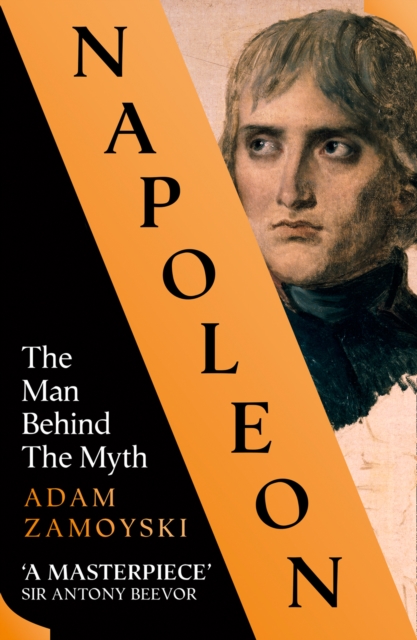
'Napoleon is an out-and-out masterpiece and a joy to read' Sir Antony Beevor, author of StalingradA landmark new biography that presents the man behind the many myths.
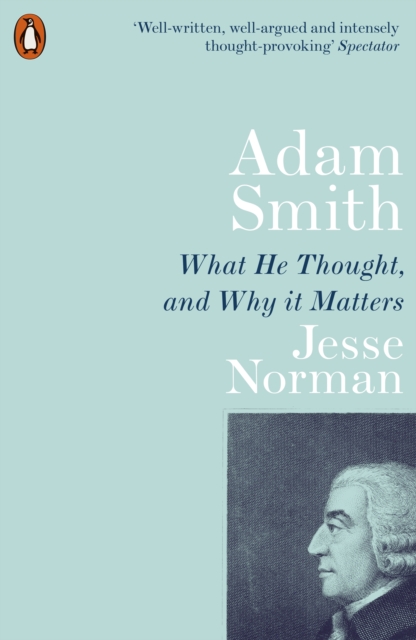
'A superb book' Financial Times, Books of the YearAdam Smith is now widely regarded as 'the father of modern economics' and the most influential economist who ever lived.
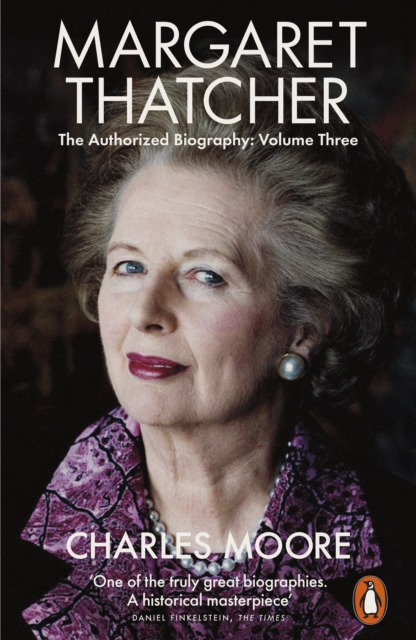
The final part of Charles Moore's bestselling and definitive biography of Britain's first female Prime Minister, 'One of the great biographical achievements of our times' (Sunday Times)A TIMES, SUNDAY TIMES, FINANCIAL TIMES, TELEGRAPH, IRISH TIMES, NEW STATESMAN AND SPECTATOR BOOK OF THE YEARHow did Margaret Thatcher change and divide Britain?
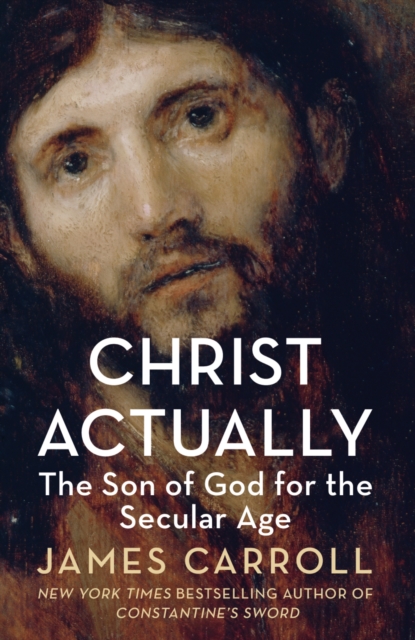
What can we believe about, and how can we believe in, Jesus in the twenty first century, in light of the Holocaust and other atrocities, and the drift from religion that followed?
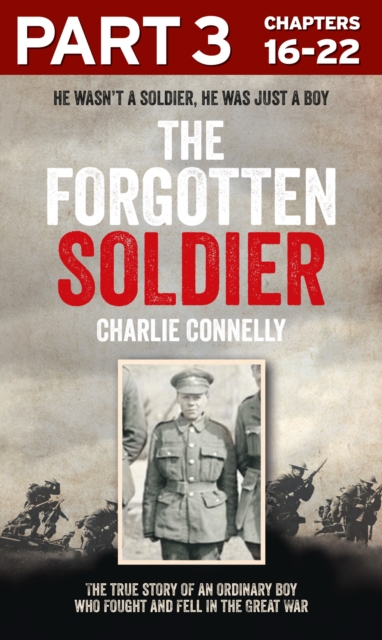
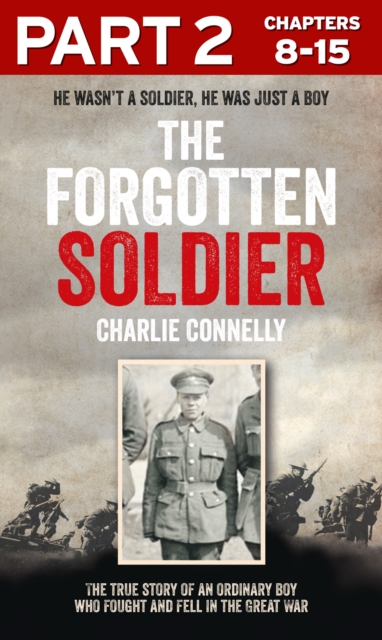
Bestselling author Charlie Connelly returns with a First World War memoir of his great uncle, Edward Connelly, who was an ordinary boy sent to fight in a war the likes of which the world had never seen.
Bestselling author Charlie Connelly returns with a First World War memoir of his great uncle, Edward Connelly, who was an ordinary boy sent to fight in a war the likes of which the world had never seen.