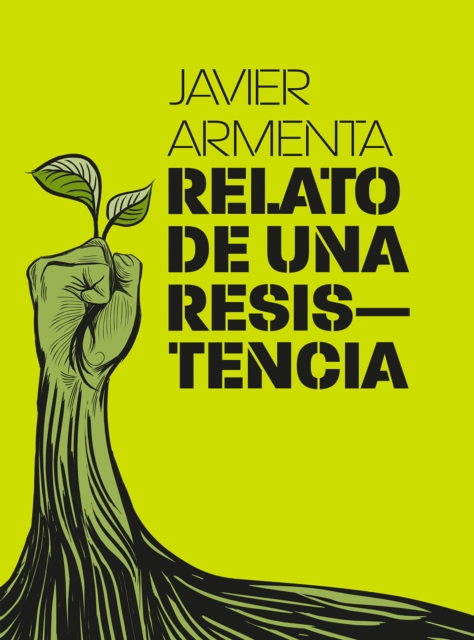
Este libro recoge el testimonio de Javier Armenta, expresidente de la Federación Universitaria de Estudiantes (FEU) de la Universidad de Guadalajara, sobre su encarcelamiento a raíz de su activismo en defensa del ahora Parque Resistencia Huentitán, amenazado por la constructora Iconia, cuyos planes buscaban desaparecerlo para levantar complejos habitacionales.
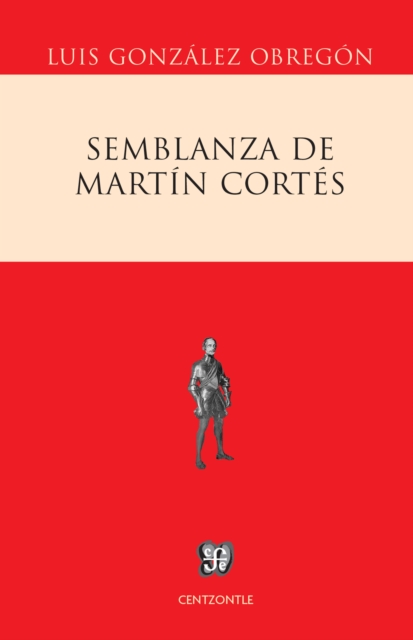
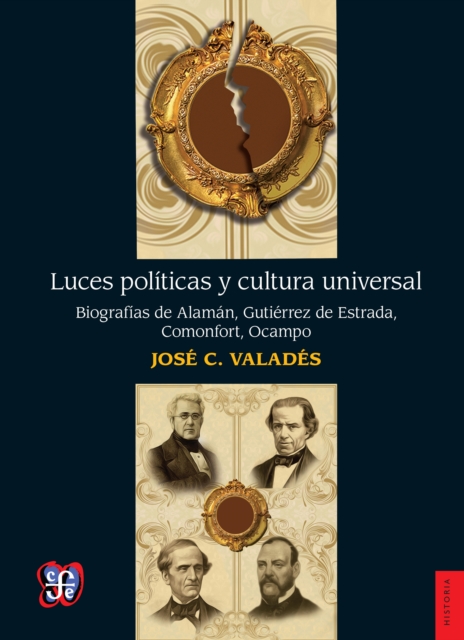
Bosquejo biografico de Martin Cortes, hijo del conquistador, que trato de comandar uno de los primeros intentos por conseguir la independencia de Mexico.
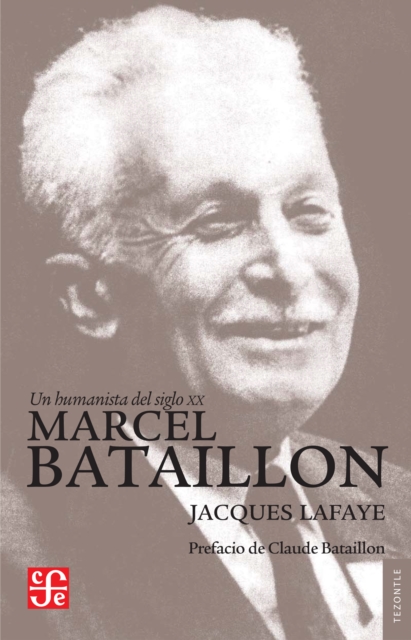
Ensayo biografico sobre la carrera intelectual de Marcel Bataillon que rescata sus primeras preocupaciones en torno a la historia, su profundizacion en ellas y el surgimiento de sus ya clasicos ensayos sobre la America hispanica y el humanismo.
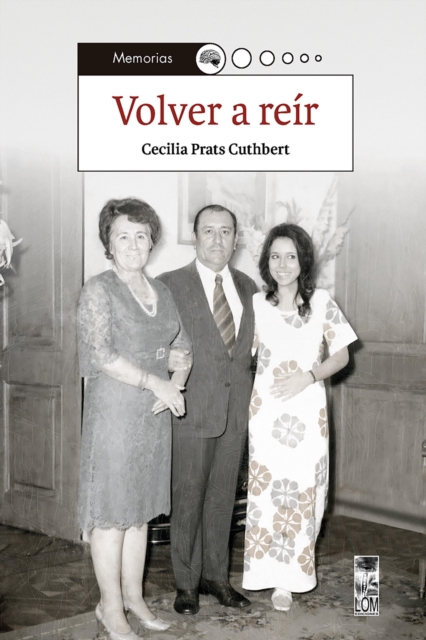
Se trata de un fiel y entranable testimonio de lucha por la verdad y la justicia, dando cuenta de la incansable lucha de las tres hijas del matrimonio Prats Cuthbert por obtener justicia.
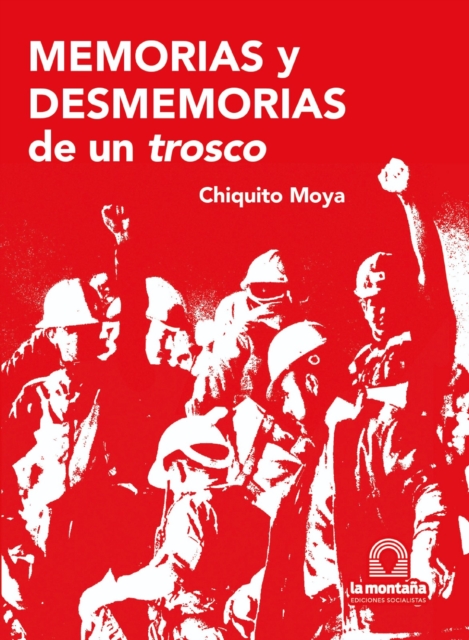
Transcurridos algunos minutos, se dio la orden de retirada y abordamos el vehiculo que nos traslado a toda velocidad y en contra del transito abriendonos camino entre los otros vehiculos, con las armas en la mano y haciendo senas a los choferes para que se apartasen.
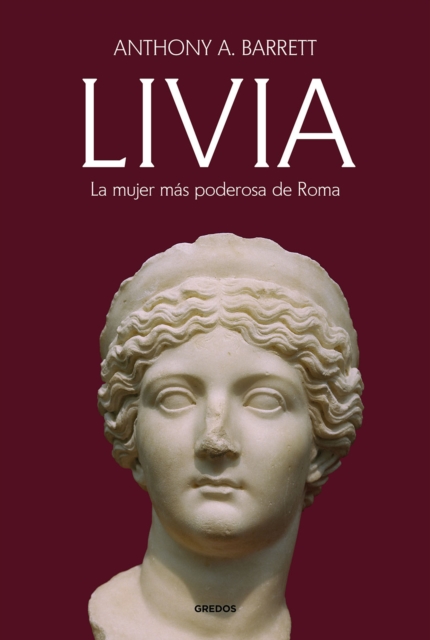
ANATOMÍA DE UNA DE LAS MUJERES MÁS INFLUYENTES DE LA HISTORIA A pesar de no gobernar el Imperio romano directamente, Livia ha sido una de las mujeres más poderosas del mundo.
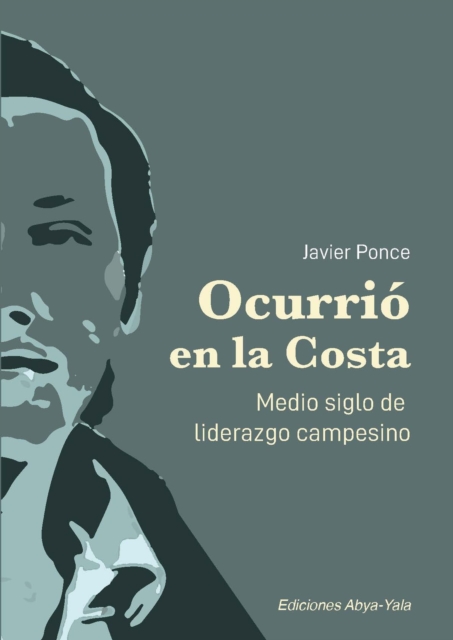
"Joaquín Vásquez, fallecido en abril de 2021, se constituyó, a lo largo de medio siglo, en el único líder campesino del Litoral que sobrevivió a la etapa de lucha por la tierra de los años setenta y ochenta del siglo pasado, gracias a su capacidad para interpretar y responder a los distintos momentos históricos del movimiento rural.
Sergio Muñoz Riveros es un ex revolucionario —militó en el PC hasta 1987— que terminó mirando con recelo las nuevas consignas por encontrarlas demasiado parecidas a las antiguas.
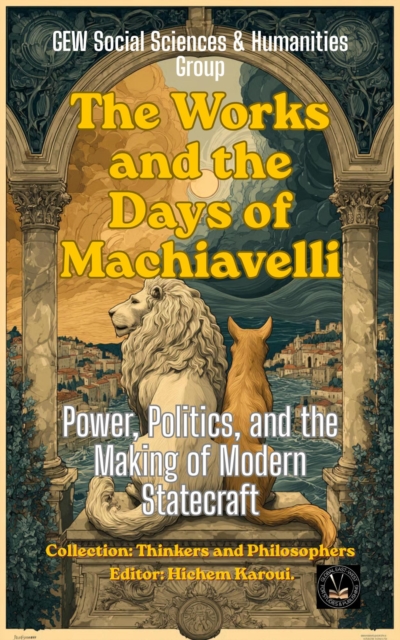
In The Works and the Days of Machiavelli, Hichem Karoui presents a compelling synthesis of the life and ideas of Niccolò Machiavelli, illuminating the intellectual foundations of modern statecraft.
En esta nueva publicacion hemos reunido 10 historias de mujeres extraordinarias, relatadas por 10 destacadas escritoras y escritores de la escena literaria chilena.
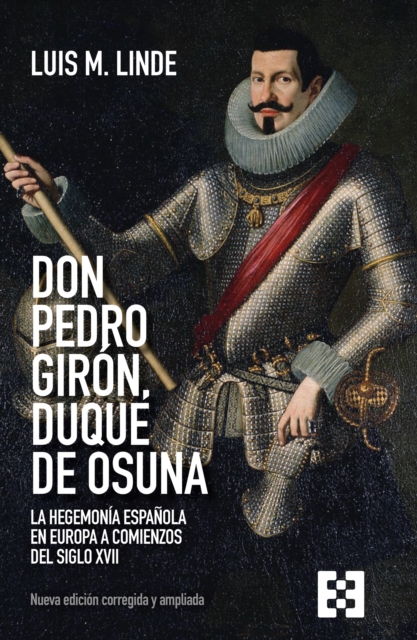
Según el juicio histórico tradicional, Felipe III fue una persona indolente que, durante su reinado (1598-1621), entregó todo el poder a un valido corrupto, el duque de Lerma, con el que se inicia una larga decadencia.
Según el juicio histórico tradicional, Felipe III fue una persona indolente que, durante su reinado (1598-1621), entregó todo el poder a un valido corrupto, el duque de Lerma, con el que se inicia una larga decadencia.
Seleccion de testimonios que develan aspectos no explorados publicamente sobre la vida de Jaime Gzuman , los fundamenteos que lo inspiraron y que, finalmente, lo convritieron en una figura publica y uno de los expositores mas influyentes en la politica chilena.
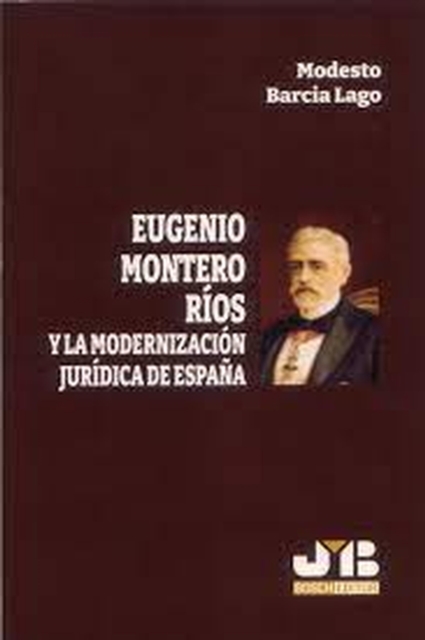
Don Eugenio Montero Ríos (1832-1914) es una de las figuras más destacadas, que, haciendo su pública aparición política en la Constituyente de 1869, nacida de la Revolución "gloriosa" del año anterior, que destronó a Isabel II, transitaría por el período de la Restauración canovista posterior al sexenio democrático.
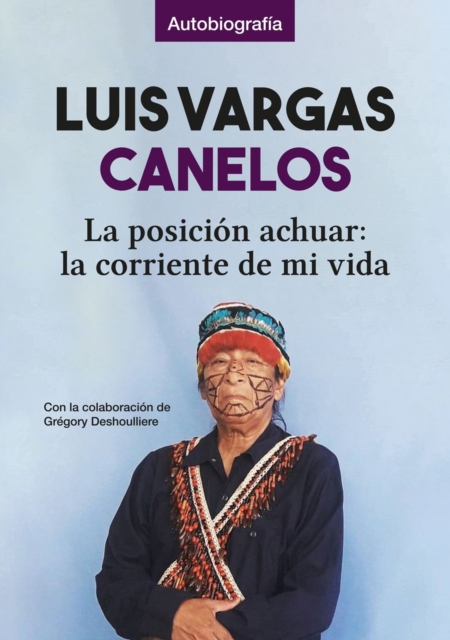
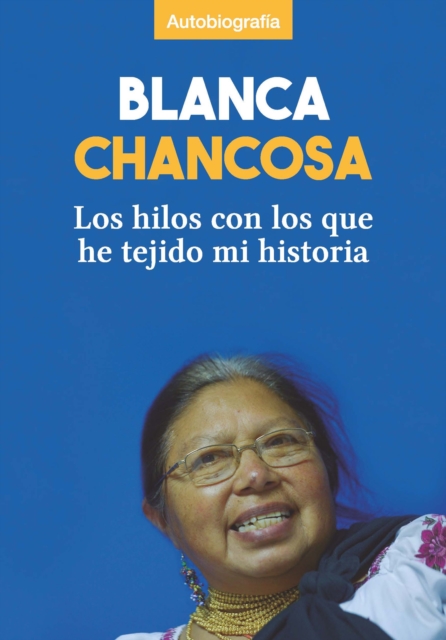
Este testimonio, narrado en primera persona, es, no solo la autobiografia de una mujer extraordinaria sino parte de la historia del movimiento indigena ecuatoriano.
Hija de sobrevivientes de la dictadura chilena y al mismo tiempo sobrina de uno de los victimarios más emblemáticos "El Fanta", se enfrenta al desafío de construir un relato propio en medio de secretos, tergiversaciones, mentiras, e insoportables verdades.
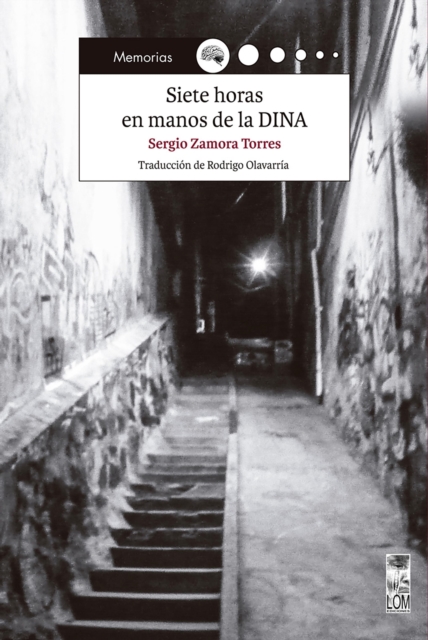
Obra testimonial de un joven de 19 años, militante del MIR, capturado y torturado en la Villa Grimaldi por agentes del Estado durante la dictadura civil-militar en Chile.
'Modisane's book, read today by all South Africans, will expose our raw pasts, private and public in their nature, which are still present in many forms as unacknowledged antecedents .
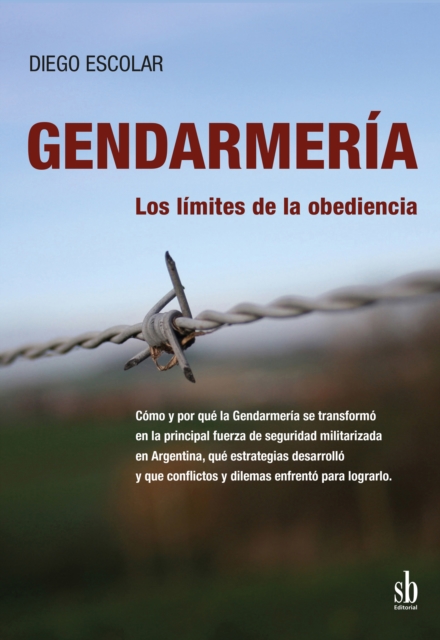
El primero de agosto de 2017 más de 100 efectivos de la Gendarmería Nacional Argentina desalojaron un piquete de seis mapuches y un simpatizante que reclamaban no ser expulsados de sus tierras en la ruta 40, cerca del paraje de Cushamen (Chubut).
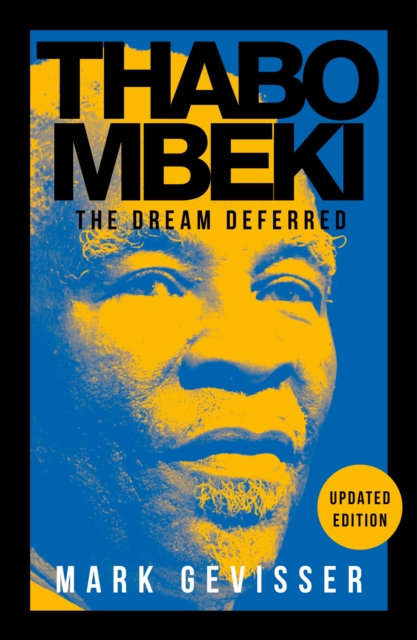
Hailed in the Times Literary Supplement as 'probably the finest piece of non-fiction to come out of South Africa since the end of apartheid', The Dream Deferred is back in print and updated with a brilliant new epilogue.