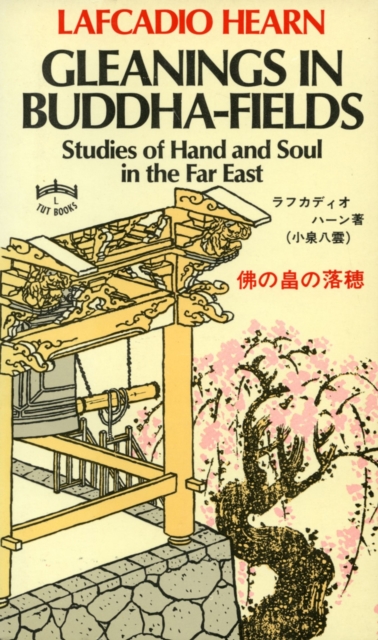
This classic text about Buddhism in Japan by Lafcadio Hearnon of the first Westerns to write about Japanwill be of great interests to scholars and Japanophiles alike.
I was surprised when I saw God's beautiful wonderful miracle signs and I Thank God that He made it possible for me to write the sequel to my first book in english and spanish.
Eine beruhrende Biografie uber Corrie ten Boom, Als der Zweite Weltkrieg die Niederlande erreicht, steht Corrie ten Boom vor einer Entscheidung, die ihr Leben fur immer verandern wird.
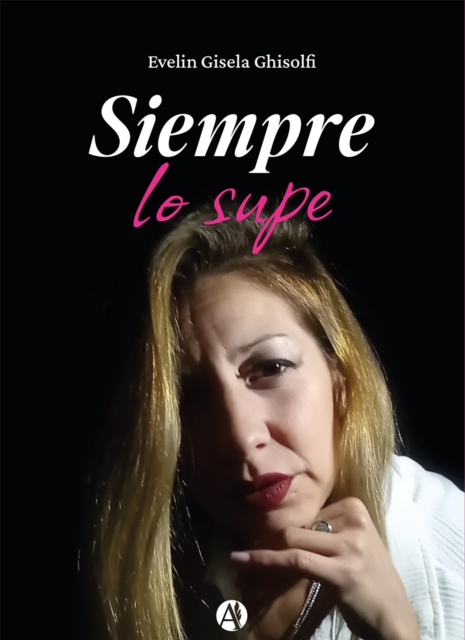
Siempre lo supe es una obra de reflexión espiritual y crecimiento personal que invita al lector a mirar más allá de lo visible y a descubrir el poder que habita en su interior.
The second part of the book "Nur," which deals with the Prophet's biography, continues the presentation of the Prophet's life by the preacher Mustafa Hosny.
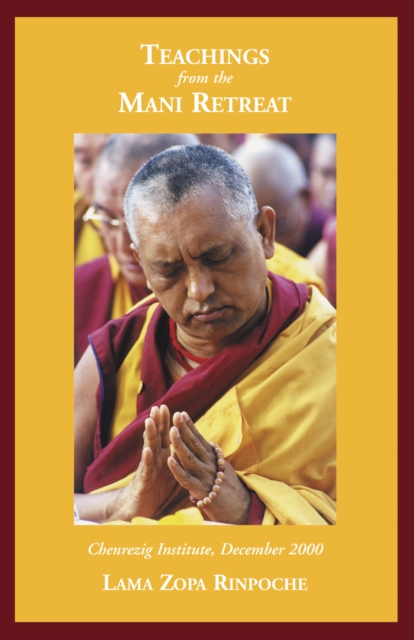
This book is an edited transcript of teachings given by Lama Zopa Rinpoche from December 22 to 26, 2000, as part of the inaugural Mani Retreat at Chenrezig Institute in Queensland, Australia.
The solipsistiThe solipsistic nature of the Western worldview means that primitive individualism trumps all other considerations, and generosity and empathy are actively discouraged, if needs be, eliminated, so empathy, munificent to profusion and kindness, becomes ostracised.
Viele Frauen erleben es auch heute, übersehen, übergangen oder nicht ernst genommen zu werden - eine Erfahrung, die bereits Frauen in biblischer Zeit prägte.
Discover God's gifts hidden in seasons of lackThere are so many ways we experience lack in this life: loneliness, loss, underemployment, empty-nesting, literal hunger, the void left by a habit overcome but not yet replaced.
The Journal of William Ellis is a classic of Pacific literature, ranking with the journals of Captain Cook and his men as a record of life and customs of the traditional Hawaiians.
The Journal of William Ellis is a classic of Pacific literature, ranking with the journals of Captain Cook and his men as a record of life and customs of the traditional Hawaiians.
For fans of the hit series House of David, discover the real King David in more depth and transform your life as you learn from his successes and failures.
For fans of the hit series House of David, discover the real King David in more depth and transform your life as you learn from his successes and failures.
He lived twenty-five years inside a marriage he could not explain and could not leave, not because love held him there, but because something else did.
"e;A great leap forward in understanding and contextualizing Mary's life, after two millennia of her being dismissed and rewritten by patriarchal power structures.
The widespread influence of Buddhism is due in part to the skill with which a way of liberation was refined by it's teachers and became accessible to people of diverse cultures.
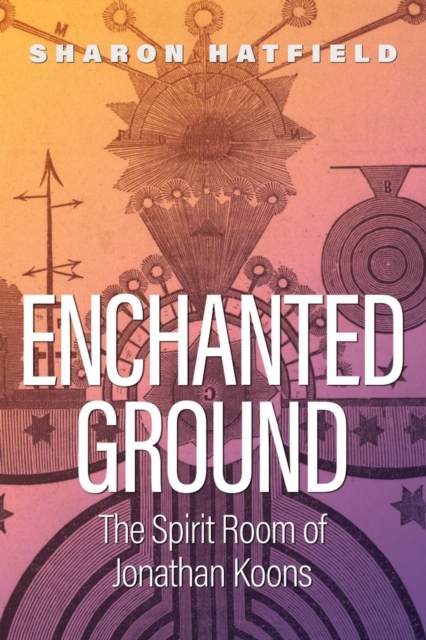
In Enchanted Ground, Sharon Hatfield brings to life the true story of a nineteenth-century farmer-turned-medium, Jonathan Koons, one of thousands of mediums throughout the antebellum United States.
Offering a series of studies on key aspects of the Bonhoeffer's theology, this book emphasizes the biblical texture and dogmatic depth of his work and its continuing legacy.
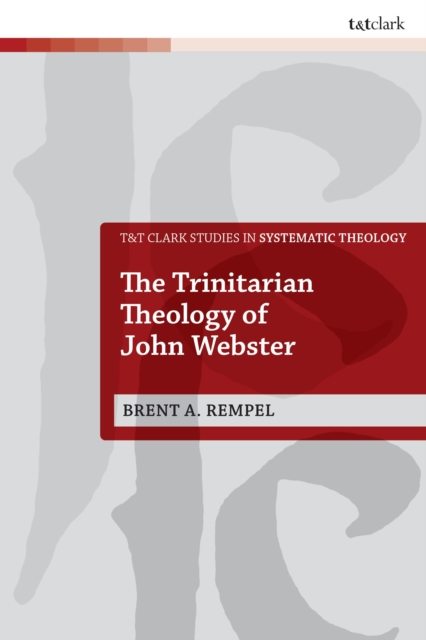
This work traces the contours, shape, and development of Webster's Trinitarian theology and subsequently enliven debates in contemporary systematic theology.
This work traces the contours, shape, and development of Webster's Trinitarian theology and subsequently enliven debates in contemporary systematic theology.
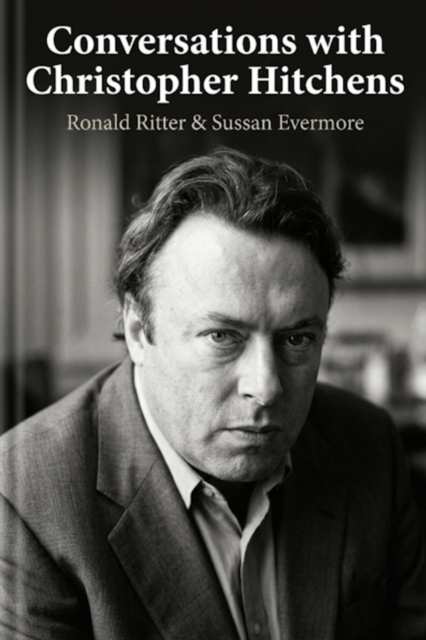
Making contact this way with the late Christopher Hitchens a prominent atheist, may appear a contradiction to his life's work, however once you hear his words about how this is possible, you may reconsider, or should I say, please consider.
In a world where environmental influences and personal choices intertwine, this book delves into the profound relationship that shapes our individual experiences.
A biography of the distinguished novelist, poet, preacher and social reformer, who typifies the Victorian man as closely as the Good Queen herself typifies the Victorian woman.