Khenpo Sherab Zangpo draws on Tibetan Buddhist tradition and his own fascinating life story to describe a way forward for contemporary practitioners, offering lucid guidance on daily practice, finding the right teacher, and cultivating a wiser and more compassionate attitude toward others and ourselves.
The Buddha's profound teachings on the four noble truths are illuminated by a Tibetan master simply and directly, so that readers gain an immediate and personal understanding of the causes and conditions that give rise to suffering as well as the spiritual life as the path to liberation.
Esteemed Tibetologist Jean-Luc Achard contextualizes and provides a clear translation of highly secret precepts on Dzogchen practice unlike anything published.
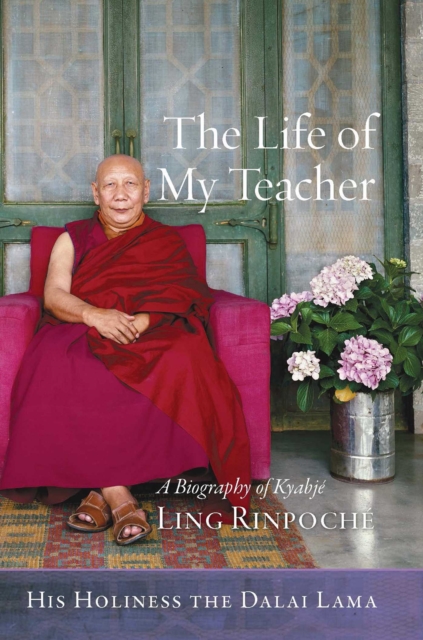
The Dalai Lama tells the life story of his remarkable teacher, Ling Rinpoche, who remained a powerful anchor for him from childhood and into his emergence as a global spiritual leader.
The final installment of the Steps on the Path to Enlightenment series examines the nature of reality with a master class in Buddhist Middle Way philosophy and meditation.
Samsara, Nirvana, and Buddha Nature takes up centrally important premises of Buddhism: the unsatisfactoriness (duhkha) of cyclic existence (samsara), the determination to be free of cyclic existence, and the mind as the basis for both the extreme duhkha of samsara and the bliss of nirvana.
Explore the nature of our material world in a unique sourcebook, conceived by the Dalai Lama, collecting the scientific observations found in classical Buddhist treatises.
Plucked from a humble nomad family to become the leader of one of Tibet's oldest Buddhist lineages, the young Seventeenth Karmapa draws on timeless values to create an urgent ethic for today's global community.
Get to know the teachings and legacy of the celebrated Lerab Lingpa, the influential confidant of the Thirteenth Dalai Lama, in this collection of practical instructions on the Great Perfection and reflections on the nonsectarian (rime) approach to Tibetan Buddhism.
A unique presentation of the Buddhist path by Chkyi Dragpa, the foremost Gelug disciple of the famed nineteenth-century Tibetan master Patrul Rinpoche.
Remembering the Lotus-Born sheds light on the work of Nyangrel Nyima ser (112492), one of the most influential yet least known figures in the history of Tibetan Buddhism.
The Mind of Mahamudra is the third volume in the Tibetan Classics series, which aims to make available accessible paperback editions of key Tibetan Buddhist works drawn from Wisdom Publications' Library of Tibetan Classics.
"e;The ideas, concepts, and methods of various religions must be tried on for size, must be lifted above museum displays, must be confronted and allowed to resonate with one's own character.
Composed while its author was the ruler of Tibet, Mirror of Beryl is a detailed account of the origins and history of medicine in Tibet through the end of the seventeenth century.
The First Panchen Lama's Easy Path (de lam), written nearly four hundred years ago, is like a chest of jewels that has, until now, been locked to English speakers.
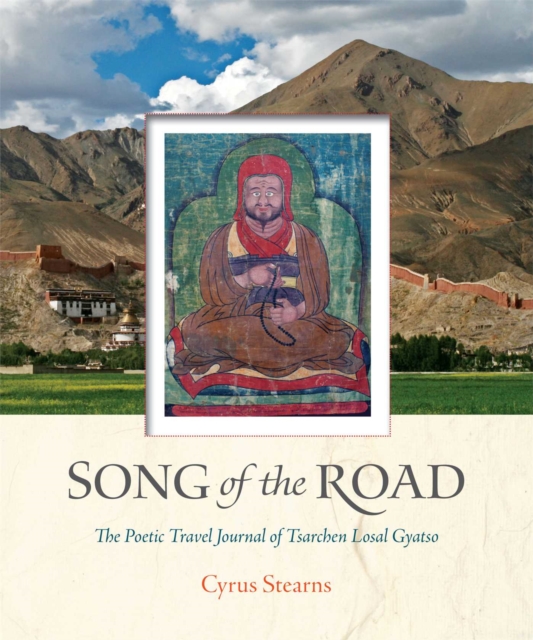
In Song of the Road, Tsarchen Losal Gyatso (1502-66), a tantric master of the Sakya tradition of Tibetan Buddhism, weaves ecstatic poetry, song, and accounts of visionary experiences into a record of pilgrimage to central Tibet.