In The Kings of Israel and Judah, George Rawlinson offers a sober historical reconstruction of the Hebrew monarchy, tracing the fortunes of Saul, David, Solomon, and the divided kingdoms through political conflict, prophetic admonition, dynastic collapse, and imperial conquest.
A soulful collection of illuminating essays and interviews that explore Black peoples spiritual and scientific connection to the land, waters, and climate, curated by the acclaimed author of Farming While BlackAuthor of Farming While Black and co-founder of Soul Fire Farm, Leah Penniman reminds us that ecological humility is an intrinsic part of Black cultural heritage.
A silent crisis has been taking place for some time now: an ongoing eclipse in mission, whereby our understanding of what it is has been obscured by the idols of our Christian passions and biblical perspectives.
Christian Warfare in Rhodesia-Zimbabwe examines the history of the Salvation Army in Rhodesia-Zimbabwe and its relationships with the state and with the rest of the church.
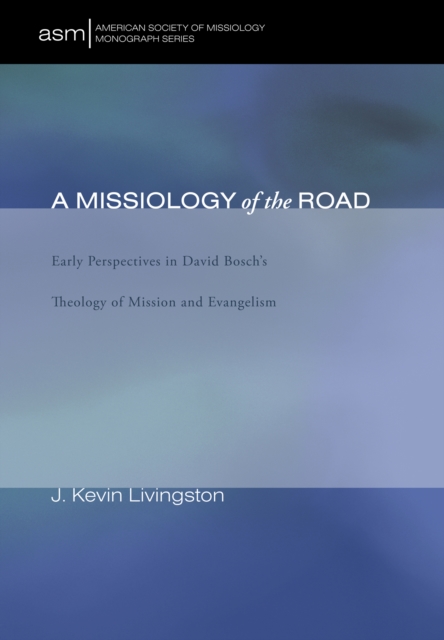
David Bosch (1929-1992) was one of the foremost mission theologians of the twentieth century, at once a prolific scholar, committed church leader, and active participant in the global conciliar and evangelical mission movements.
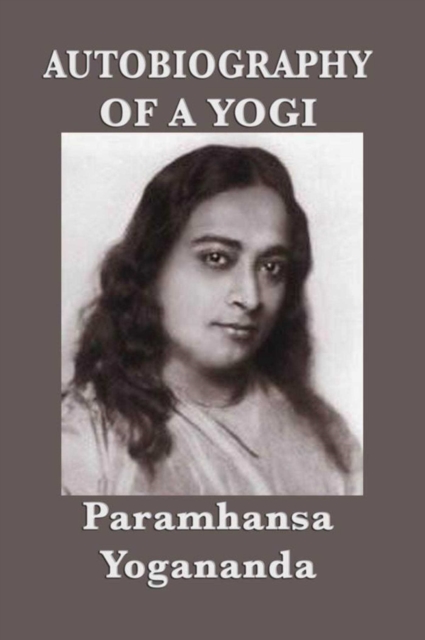
One of the Top 100 Spiritual Books of the Twentieth CenturyNew Bonus Materials added to this edition include The last chapter that Yogananda wrote covering the years 1946-1951 that wasnot available in the original edition.
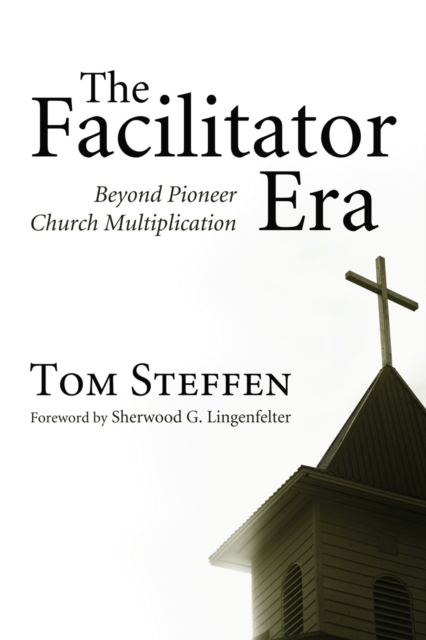
Some time ago, Ralph Winter brilliantly identified three eras of modern missions: Era 1: William Carey focused on the coastlands; Era 2: Hudson Taylor focused on the inlands; Era 3: Donald McGavran and Cameron Townsend focused on unreached peoples.
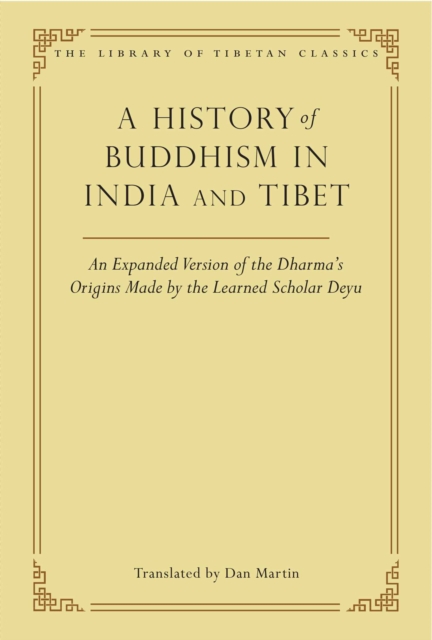
The first complete English translation of an important thirteenth-century history that sheds light on Tibet's imperial past and on the transmission of the Buddhadharma into Central Asia.
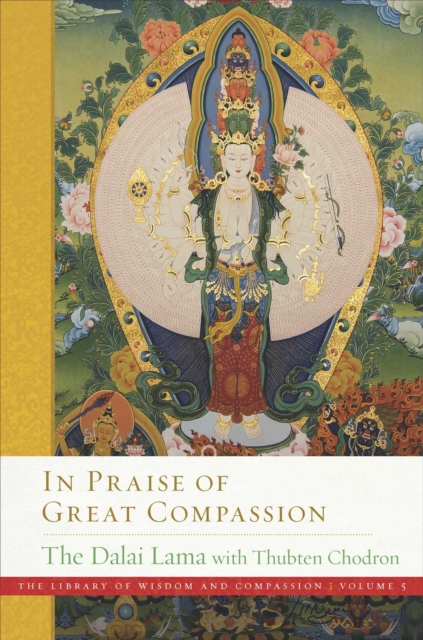
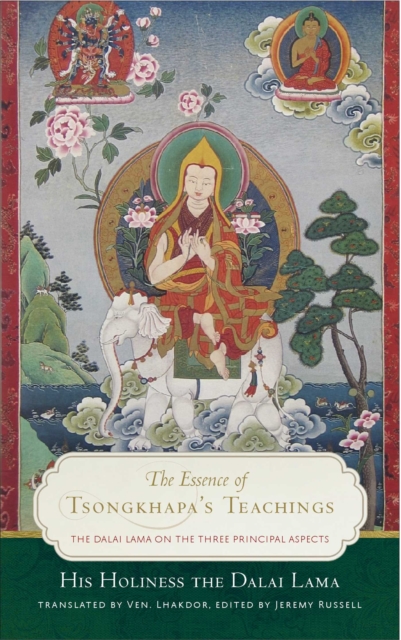
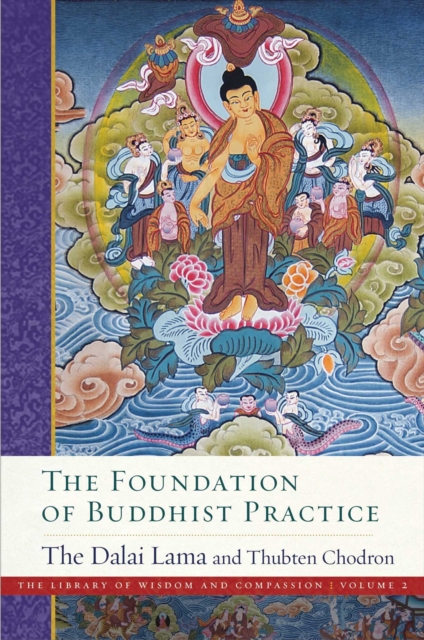
Discover the Dalai Lama's definitive teaching on compassion in this fifth volume of the Dalai Lama's definitive Library of Wisdom and Compassion series.
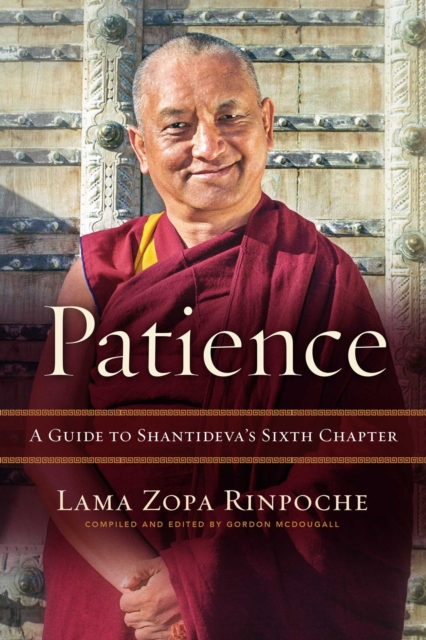
Lama Zopa Rinpoche, one of the great living masters of Tibetan Buddhism, guides us through one of the core practices of the bodhisattvas, using a classic, revered text as a guide.
The first volume in an historic and noteworthy 6-volume series containing many of the first English translations of the classic mahamudra literature compiled by the Seventh Karmapa.
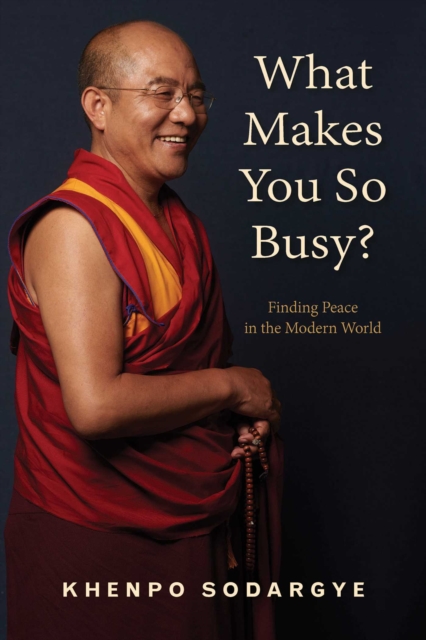
Khenpo Sodargye translates and provides commentary on the Diamond Cutter Sutra, the oldest printed book in China, shedding light on the Buddha's teachings on how to destroy attachment without being led astray; the author is a household name in China and his books and CDs sell in the millions in China.
The poems and teachings of a beloved Buddhist master, vividly presented so that readers feel they are listening to the precious and renowned teachings of His Holiness directlyand learning how to live with more joy and ease.
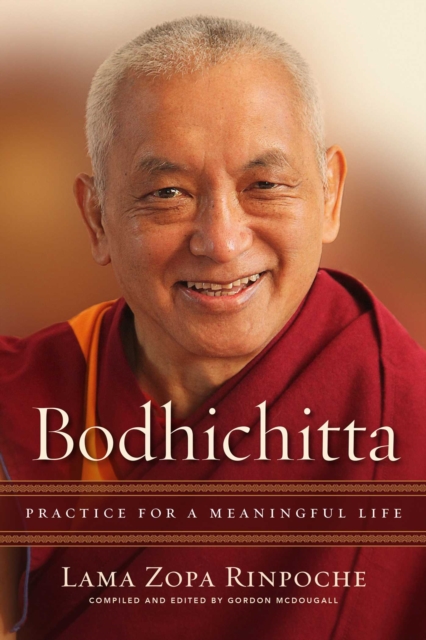
An accessible, inspiring book on one of the most important topics in Tibetan Buddhism, written by one of its renowned masters, who has an international following of thousands.