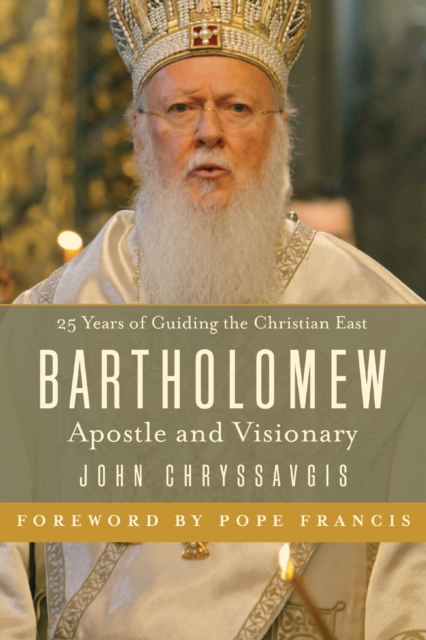
Surrounded on all sides by Islam, the beloved Ecumenical Patriarch Bartholomew continues to impact the world for Christ from his seat in Constantinople, a city central to Christian history.
Surrounded on all sides by Islam, the beloved Ecumenical Patriarch Bartholomew continues to impact the world for Christ from his seat in Constantinople, a city central to Christian history.
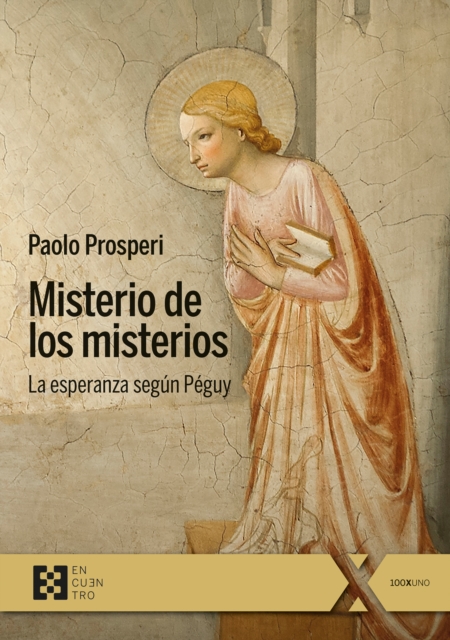
El escritor Charles Péguy escribió, tras su conversión al catolicismo, tres grandes composiciones poéticas, los Misterios (El misterio de la caridad de Juana de Arco; El pórtico del misterio de la segunda virtud; El misterio de los santos inocentes), que aún fascinan a lectores y críticos por la complejidad de su reflexión, apreciada por autorizados teólogos del siglo XX.
Learn how to incorporate adult play therapy into your practice withthis easy-to-use guide In the Western world there has been a widening belief that play isnot a trivial or childish pursuit but rather a prime pillar ofmental health, along with love and work.
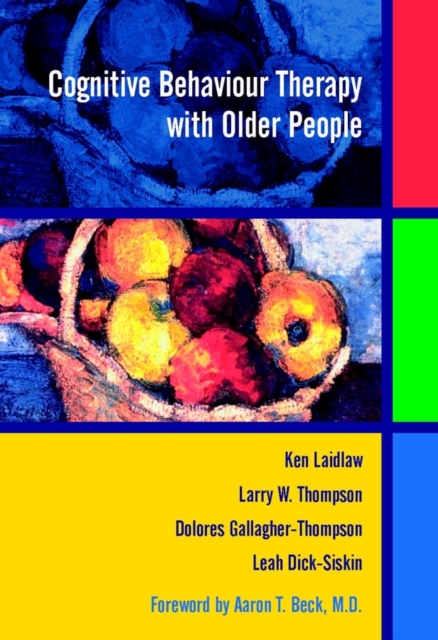
Cognitive Behaviour Therapy (CBT) is now well established as an effective treatment for a range of mental health problems, but for clinicians working with older clients, there are particular issues that need to be addressed.
The noted author recounts the struggles and triumphs of his search for spiritual meaning in this "e;exquisite memoir that often reads like a novel"e; (Publisher's Weekly).
Paul Wilkes has been a writer/journalist, a TV producer, a monastic, a hedonist, a friend of the famous, a family man, and ultimately a true prodigal son.
Three decades ago in a cordoned-off corner of the developing world an angry Catholic priest armed only with pencil, paper, and crayons, declared a revolution.
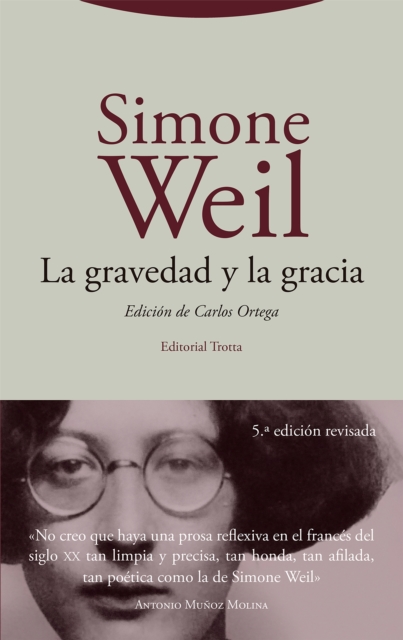
Obra maestra de la literatura filosófica y espiritual, La gravedad y la gracia explora los confines de la condición humana, abordando temas como el sufrimiento, la redención, el amor y la belleza.
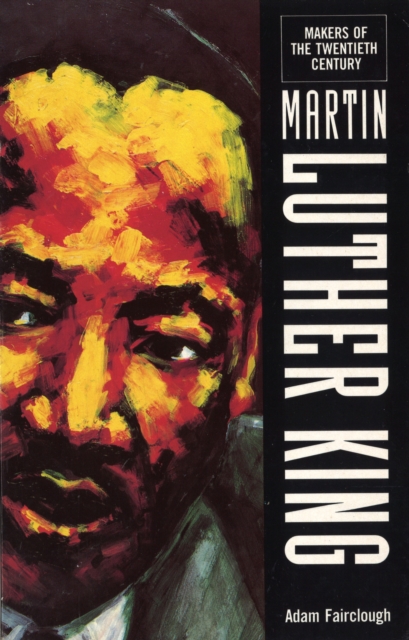
Part of a series of biographies of statesmen and women who have shaped the modern world, this book concerns Martin Luther King, who from both the pulpit and from jail, inspired black Americans to defy white supremacy and in so doing, re-invigorated American democracy.
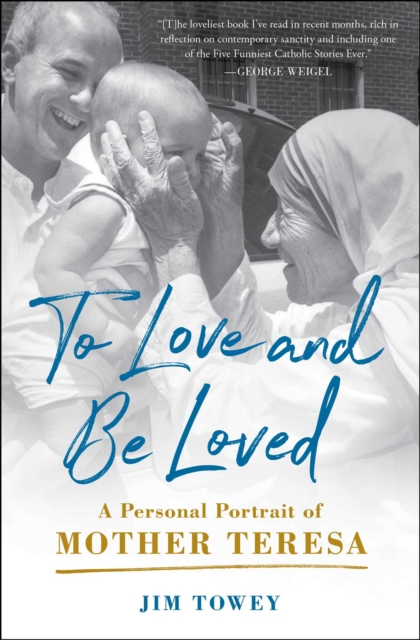
From a trusted advisor and devoted friend of Mother Teresa comes a ';powerful' (The Washington Free Beacon) firsthand account of the miraculous woman behind the saint and a book that is ';rich in reflection on contemporary sanctity' (George Weigel).
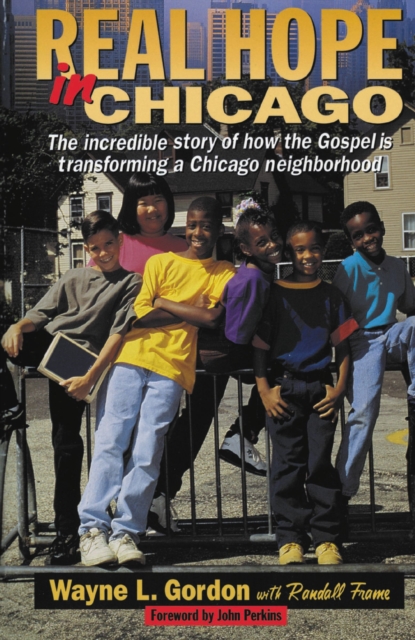
When Wayne Gordon and his wife started a Bible study for high school kids in North Lawndale, Chicago, people warned them that a white couple moving into a black neighborhood as a recipe for disaster.
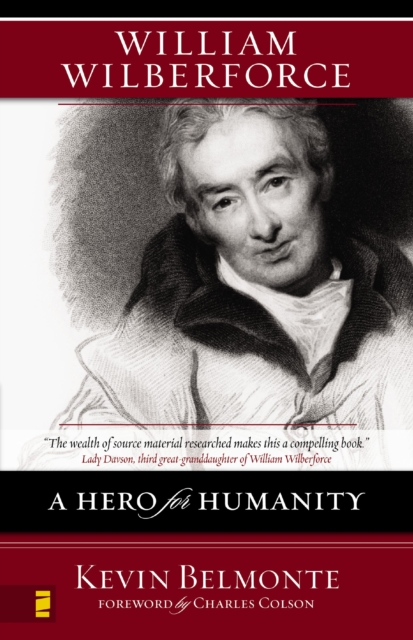
Dramatized in the major motion picture Amazing Grace, the story of William Wilberforce is the remarkable account of how one man's vision, courage, and relentless pursuit of justice brought freedom to thousands and changed the course of history.
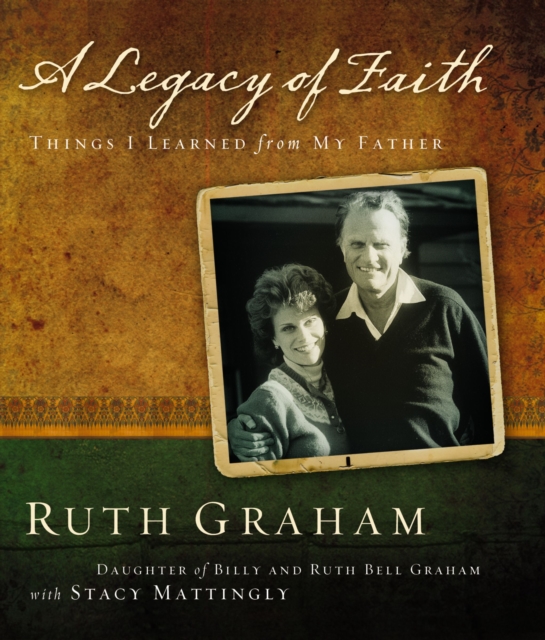
Ruth Grahamthird child and youngest daughter of Billy and Ruth Bell Grahamoffers a rare, inside look at the twentieth century's most influential evangelist.
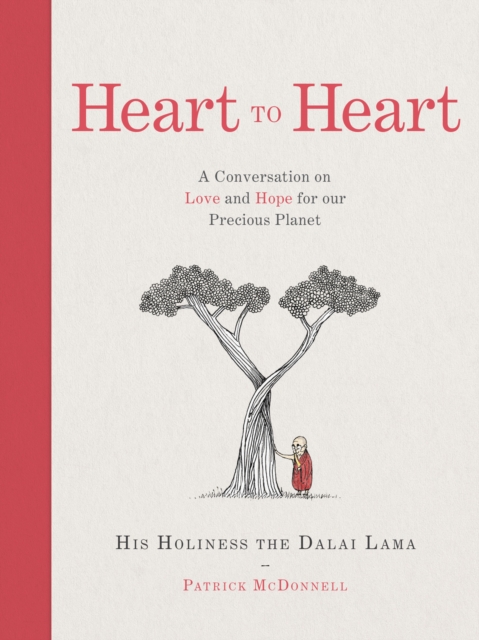
From His Holiness the Dalai Lama and Mutt's cartoonist and award-winning author Patrick McDonnell comes a powerful and timely gem of a book on how to heal our relationship with the planet and each other.
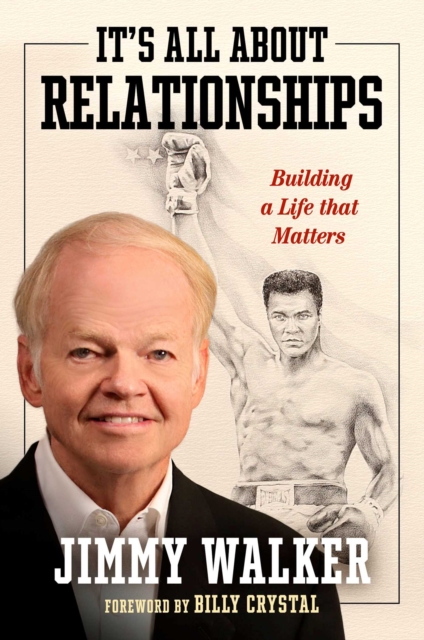
In It's All About Relationships, Jimmy Walker, insurance agent to the stars and creator of Celebrity Fight Night, tells stories and lessons from some of his most important relationships in business and life and inspires readers to use their unique gifts and key relationships to build a life that matters.
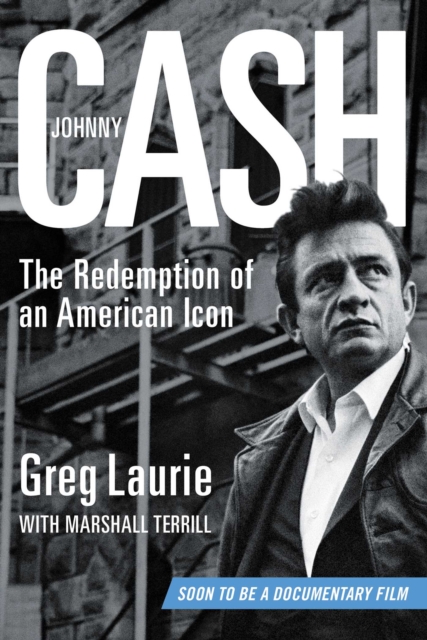
Join Greg Laurie, pastor and bestselling author of Steve McQueen: The Salvation of an American Icon, as he takes you on a personal journey into the life and legend of Johnny Cash.
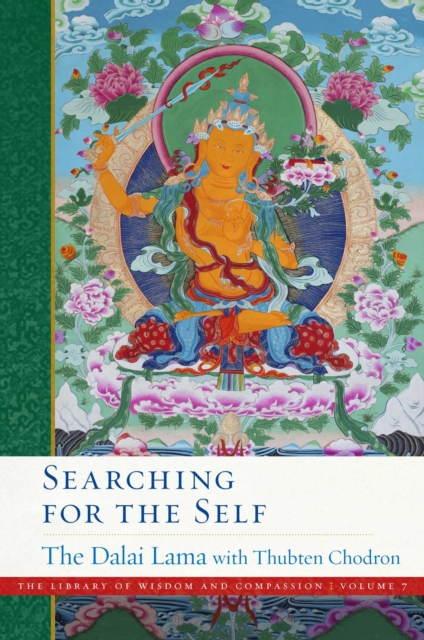
His Holiness the Dalai Lama explores emptiness, one of the most central teachings in Buddhism, in the newest volume of the bestselling series The Library of Wisdom and Compassion.
The Dalai Lama's translator and author of the definitive biography of Tsongkhapa here presents the first translation of one of that master's seminal and best-known works.
The second volume in an historic and noteworthy 6-volume series containing many of the first English translations of the classic mahamudra literature compiled by the Seventh Karmapa as well as extensive commentary that brilliantly unravels enigmas and clarifies cryptic verses.
The core teachings and riotous life of the psychedelic yogi Ganesh Baba *; Presents the teachings of Ganesh Baba's ';Crea' Yoga, which he derived from the tantric practices of traditional Kriya Yoga *; Explains the basic exercises for following the Crea (creative) Yoga practice *; Includes many anecdotes from the colorful life of this ';psychedelic' baba Shri Mahant Swami Ganeshanand Saraswati Giri (ca.
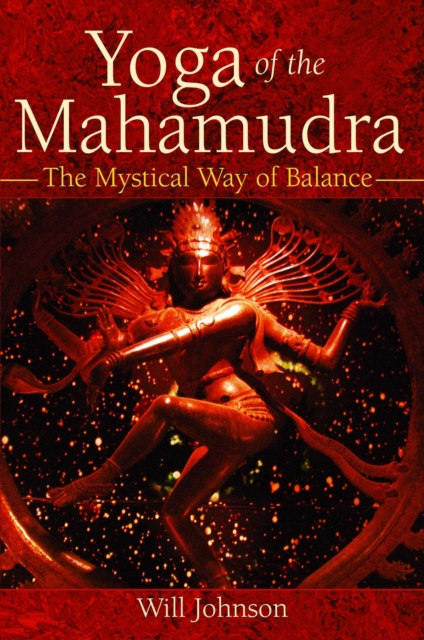
Presents three simple yogic principles from Tilopa's Song of Mahamudra*; Explains how balance is the key to achieving higher consciousness*; Includes somatic koansMahamudra, literally "e;the great gesture,"e; is often looked upon as the highest manifestation of consciousness known within the Tibetan Vajrayana tradition.
Tap into your inner power with this mind-opening guide to vibrational-based living from Instagram star and self-help pioneer behind the internet community Vibrate Higher Daily.