King-makers - Conspirators - Criminals - Nobles - Seducers'A riveting story, splendidly told' DAILY TELEGRAPH'Gripping and gruesome' BIG ISSUE IN THE NORTH'Fascinating close-ups of outlandish Tudor behaviour' DAILY MAILThe Howard family - the Dukes of Norfolk - were the wealthiest and most powerful aristocrats in Tudor England, regarding themselves as the true power behind the throne.
The first dual biography of Katherine and Juana of Aragon, based on a comprehensive re-evaluation of the sourcesKatherine of Aragon, Henry VIII's first bride, has become an icon: the betrayed wife, the revered Queen, the devoted mother, a woman callously cast aside by a selfish husband besotted by his strumpet of a mistress.
'The most sensational book on the Royal Family in recent times' Sunday Telegraph'Offers a fascinating insight into not just his life but the social mores of the day' Evening StandardHow did a photographer who was a relentless playboy, an unashamed womaniser and a leather-clad motorcyclist marry the Queen's sister and become the Establishment figure Lord Snowdon?
Bestselling biography of the enduringly fascinating Wallis SimpsonOne of Britain's most distinguished biographers turns her focus on one of the most vilified women of the twentieth century.
Savant Singh (16941764), the Rajput prince of Kishangarh-Rupnagar, is famous for commissioning beautiful works of miniature painting and composing devotional (bhakti) poetry to Krishna under the nom de plume Nagaridas.
NOW A MAJOR APPLE+ TV SERIES'Magnificent' ANTHONY BOURDAIN'Irresistible' HUGH FEARNLEY-WHITTINGSTALL'A classic' DAMIAN BARRFrom historian and screenwriter, Ian Kelly, comes the legendary story of Car me, the original celebrity chef.
Selected for The Best Cookery Books to Give This Year, Daily MailThe Best of the Year's Cookbooks, The Spectator"e;A lovely book of scrumptious dishes.
The Times Book of the Year*Winner of the Elizabeth Longford Prize for Historical Biography, 2022**Winner of the General Society of Colonial Wars' Distinguished Book Award, 2021**Winner of the History Reclaimed Book of the Year, 2022**Shortlisted for the Duff Cooper Prize, 2021*Andrew Roberts, one of Britain's premier historians, overturns the received wisdom on George IIIGeorge III, Britain's longest-reigning king, has gone down in history as 'the cruellest tyrant of this age' (Thomas Paine, eighteenth century), 'a sovereign who inflicted more profound and enduring injuries upon this country than any other modern English king' (W.
Edward the Confessor, the last great king of Anglo-Saxon England, canonized nearly 100 years after his death, is in part a figure of myths created in the late middle ages.
King of Britain for sixty years and the last king of what would become the United States, George III inspired both hatred and loyalty and is now best known for two reasons: as a villainous tyrant for America's Founding Fathers, and for his madness, both of which have been portrayed on stage and screen.
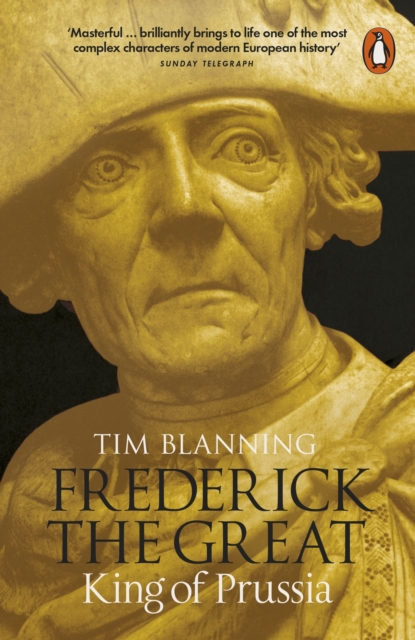
SPECTATOR, NEW STATESMAN, SUNDAY TIMES AND TIMES LITERARY SUPPLEMENT BOOKS OF THE YEAR 2015 Frederick the Great, King of Prussia, dominated the 18th century in the same way that Napoleon dominated the start of the 19th - a force of nature, a caustic, ruthless, brilliant military commander, a monarch of exceptional energy and talent, and a knowledgeable patron of artists, architects and writers, most famously Voltaire.
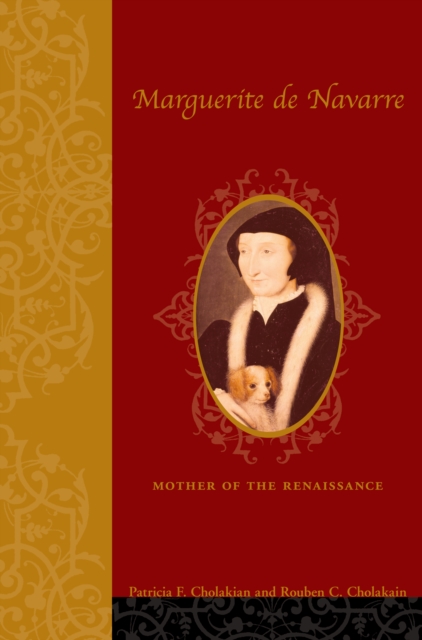
Sister to the king of France, queen of Navarre, gifted writer, religious reformer, and patron of the arts-in her many roles, Marguerite de Navarre (1492-1549) was one of the most important figures of the French Renaissance.
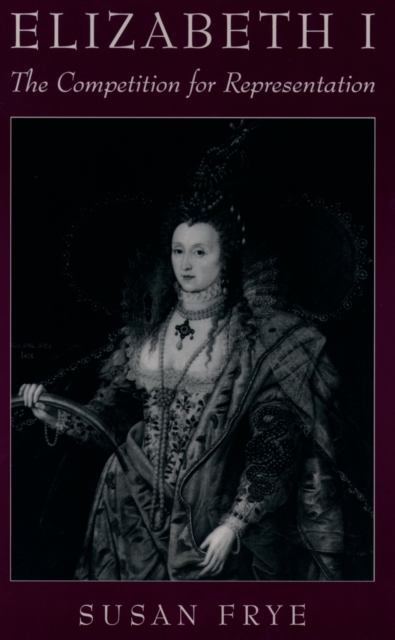
Elizabeth I is perhaps the most visible woman in early modern Europe, yet little attention has been paid to what she said about the difficulties of constructing her power in a patriarchal society.
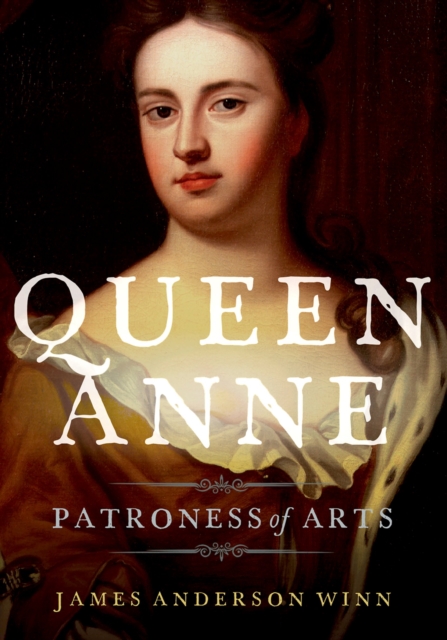
As the last Stuart monarch, Queen Anne (1665-1714) received the education thought proper for a princess, reading plays and poetry in English and French while learning dancing, singing, acting, drawing, and instrumental music.
As the last Stuart monarch, Queen Anne (1665-1714) received the education thought proper for a princess, reading plays and poetry in English and French while learning dancing, singing, acting, drawing, and instrumental music.
Elizabeth I is perhaps the most visible woman in early modern Europe, yet little attention has been paid to what she said about the difficulties of constructing her power in a patriarchal society.
This book explores the impact of war and political crisis on the national identity of Jews, both in the multinational Habsburg monarchy and in the new nation-states that replaced it at the end of World War I.
Sister to the king of France, queen of Navarre, gifted writer, religious reformer, and patron of the arts-in her many roles, Marguerite de Navarre (1492-1549) was one of the most important figures of the French Renaissance.
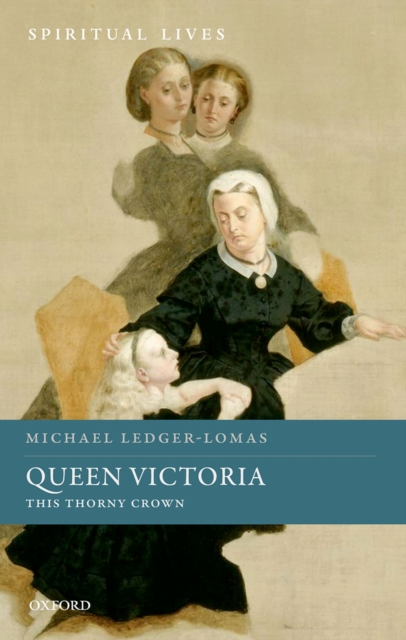
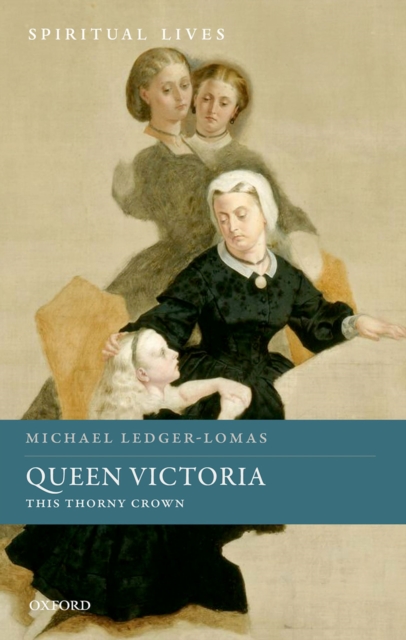
This biography evokes the pervasive importance of religion to Queen Victoria's life but also that life's centrality to the religion of Victorians around the globe.
This biography evokes the pervasive importance of religion to Queen Victoria's life but also that life's centrality to the religion of Victorians around the globe.
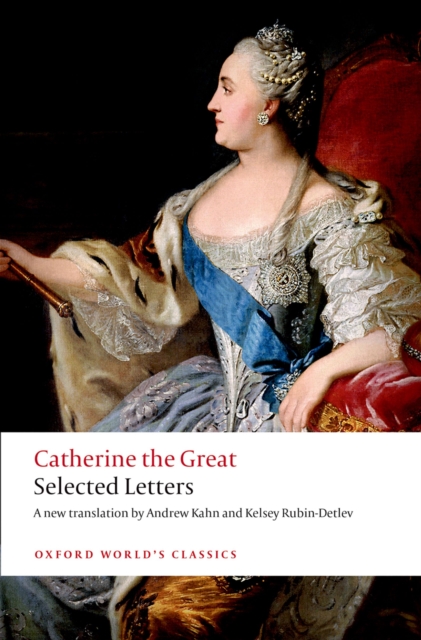
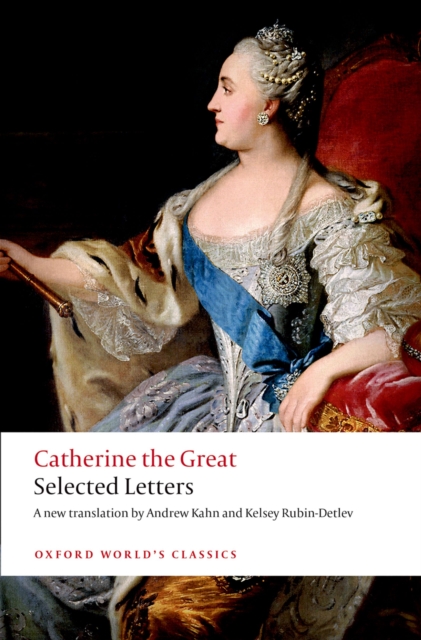
'Your Majesty may find it extraordinary that I should answer with a shipment of fruit your letter of 6 August, in which you inform me that you are sending the plan for a treaty, and that of the 8 September, in which you are so good as to share with me equally important intelligence.
'Your Majesty may find it extraordinary that I should answer with a shipment of fruit your letter of 6 August, in which you inform me that you are sending the plan for a treaty, and that of the 8 September, in which you are so good as to share with me equally important intelligence.
'The experience of insecurity, it turned out, would shape one of the most remarkable monarchs in England's history' In the popular imagination, as in her portraits, Elizabeth I is the image of monarchical power.
The acclaimed Penguin Monarchs series: short, fresh, expert accounts of England's rulers - now in paperbackEdward I (1272-1307) is one of the most commanding of all English rulers.
The acclaimed Penguin Monarchs series: short, fresh, expert accounts of England's rulers Charles II has always been one of the most instantly recognisable British kings - both in his physical appearance, disseminated through endless portraits, prints and pub signs, and in his complicated mix of lasciviousness, cynicism and luxury.
The tragedy of Charles I dominates one of the most strange and painful periods in British history as the whole island tore itself apart over a deadly, entangled series of religious and political disputes.
William II (1087-1100), or William Rufus, will always be most famous for his death: killed by an arrow while out hunting, perhaps through accident or perhaps murder.
Charismatic, insatiable and cruel, Henry VIII was, as John Guy shows, a king who became mesmerized by his own legend - and in the process destroyed and remade England.