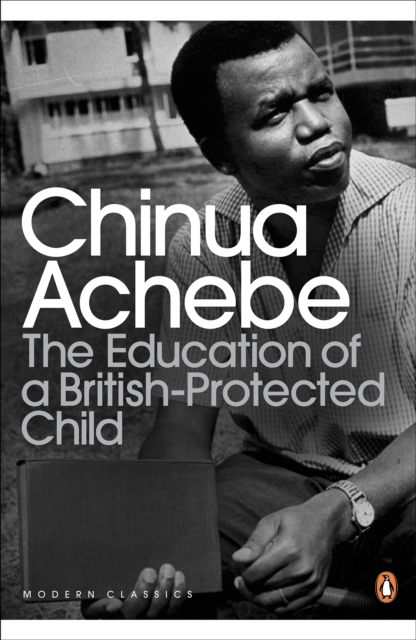
The pieces here span reflections on personal and collective identity, on home and family, on literature, language and politics, and on Achebe's lifelong attempt to reclaim the definition of 'Africa' for its own authorship.
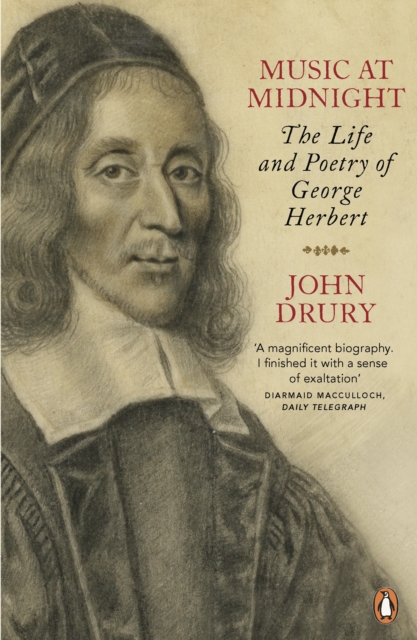
George Herbert wrote, but never published, some of the very greatest English poetry, recording in an astonishing variety of forms his inner experiences of grief, recovery, hope, despair, anger, fulfilment and - above all else - love.
Join Gervase Phinn in the classroom where he faces his greatest challenge: keeping a straight face as teachers and children alike conspire to have him laughing out loud .
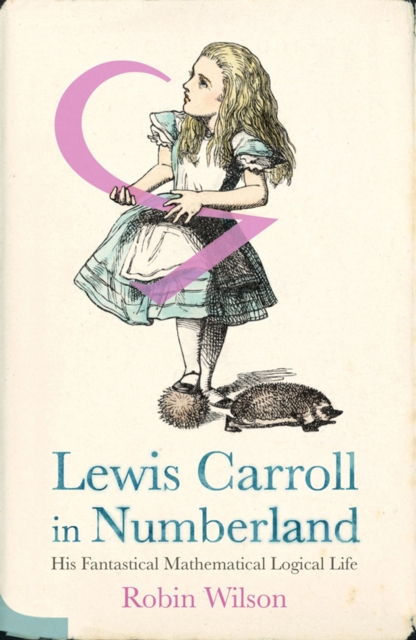
Lewis Carroll's books have delighted children and adults for generations, but behind their exuberant fantasy and delightful nonsense was the mind of a brilliant mathematician.
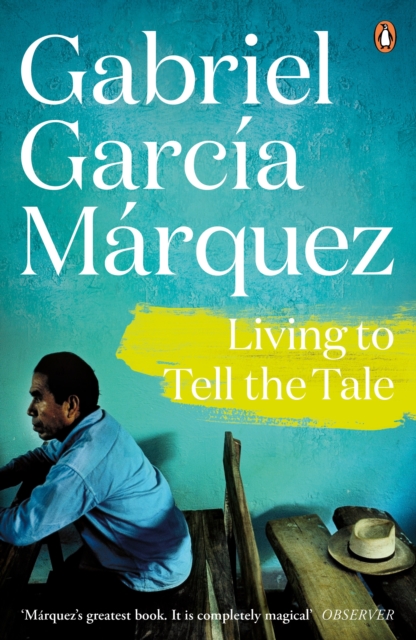
In Living to Tell the Tale Gabriel Garcia Marquez - winner of the 1982 Nobel Prize for Literature and author of One Hundred Years of Solitude - recounts his personal experience of returning to the house in which he grew up and the memories that this visit conjured.
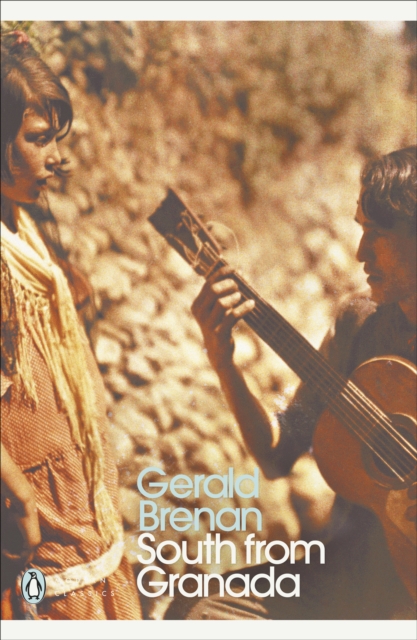
Between 1920 and 1934, Gerald Brenan lived in the remote Spanish village of Yegen and South of Granada depicts his time there, vividly evoking the essence of his rural surroundings and the Spanish way of life before the Civil War.
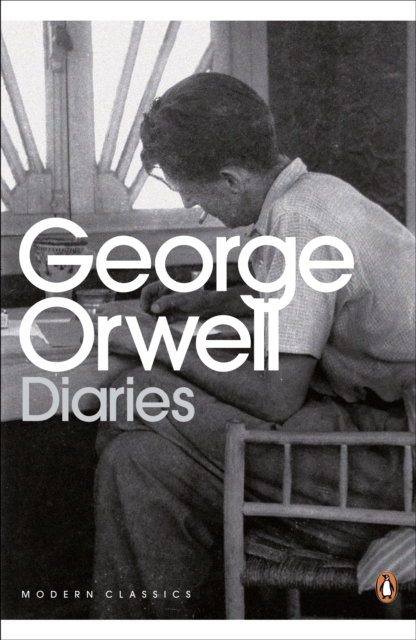
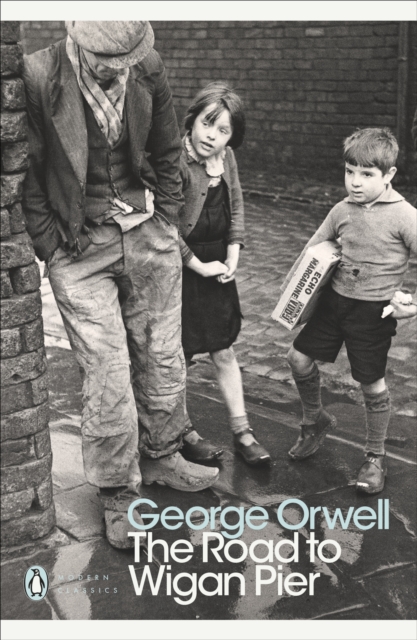
George Orwell's searing account of working-class life in the bleak industrial heartlands of Yorkshire and Lancashire in the 1930s, The Road to Wigan Pier is a brilliant and bitter polemic that has lost none of its political impact over timeOrwell's graphically unforgettable descriptions of social injustice, cramped slum housing, dangerous mining conditions, squalor, hunger and growing unemployment are written with unblinking honesty, fury and great humanity.
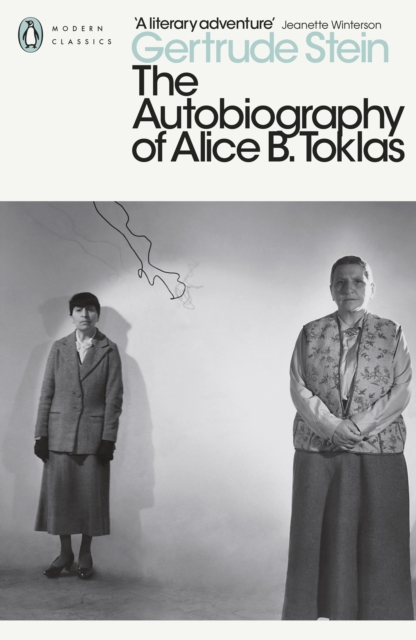
'Buttonholes the reader with its informality, its unhurried rhythms, deadpan humour and acerbic remarks'Frances Spalding, Sunday TimesFor Gertrude Stein and her wife Alice B.
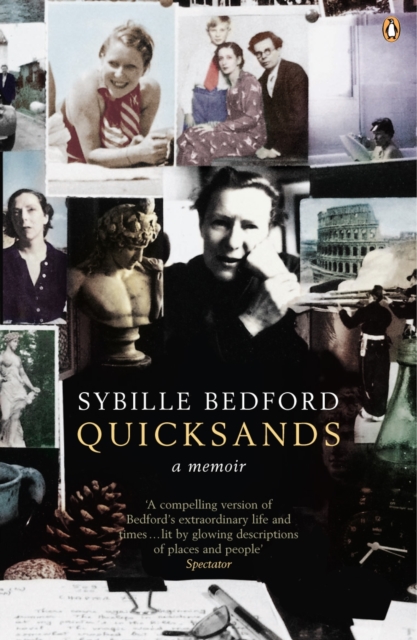
Beginning in 1956 with the publication of A Legacy, Sybille Bedford has narrated - in fiction and non-fiction - what has been by turns her sensuous, harrowing, altogether remarkable life.
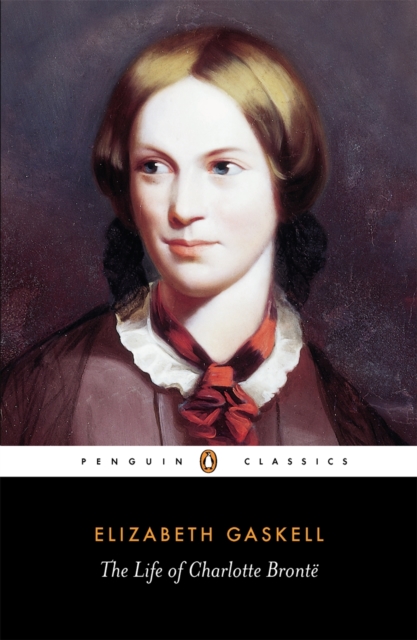
The first full-length biography of a woman novelist by a woman novelist, which was almost single-handedly responsible for creating the Bront myth A classic in its own right, still read today as one of the great works of Victorian literature Lucasta MillerElizabeth Gaskell s biography of her close friend Charlotte Bront was published in 1857 to immediate popular acclaim and remains the most significant study of the enigmatic author who gave Jane Eyre the sub-title An Autobiography .
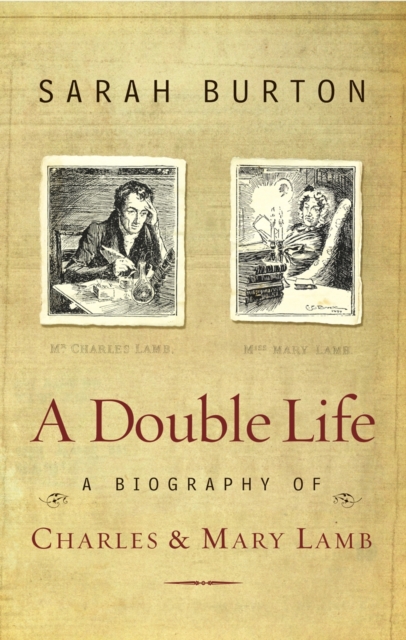
The little known story of the inseparable brother and sister, lights of the Romantic circle, privately haunted by madnessWordsworth thought that if there were such a thing as a good man, it would be Charles Lamb, while Hazlitt believed Mary Lambto be the only sensible woman he knew.
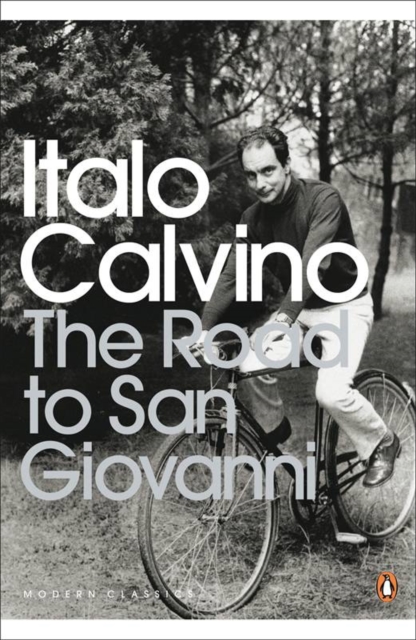
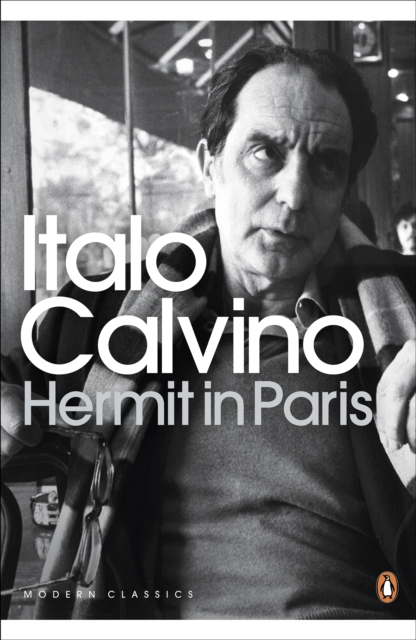
A collection of five autobiographical essays by one of the masters of Italian literatureIn these five elegant autobiographical meditations Italo Calvino delves into his past, remembering awkward childhood walks with his father, a lifelong obsession with the cinema and fighting in the Italian Resistance against the Fascists.
Italo Calvino once said that he preferred to give false details about his biography since he felt that even the genuine data of a writer's life shed no light on the creative work.
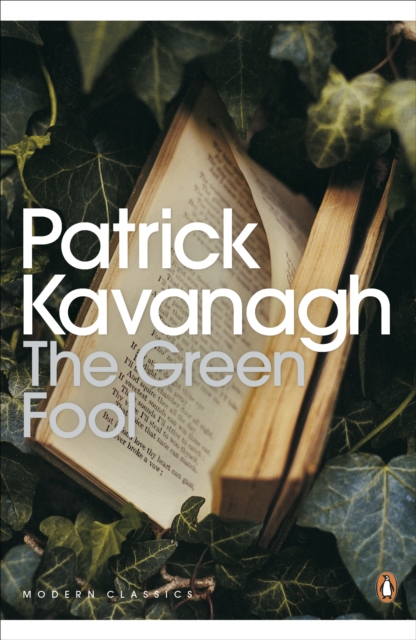
My part of Ireland had a poet at one time, a poor ragged fellow whom no respectable person whom no respectable person would be seen talking to, but he left doors open as he passed.
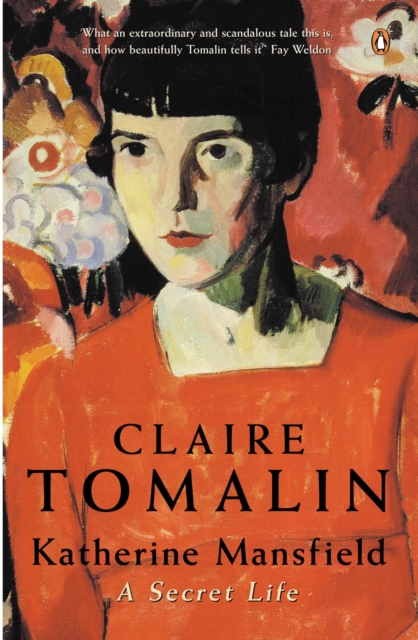
Katherine Mansfield is the celebrated biography be bestselling author Claire Tomalin'One of the best biographies I have ever read: a perfect match of author and subject.
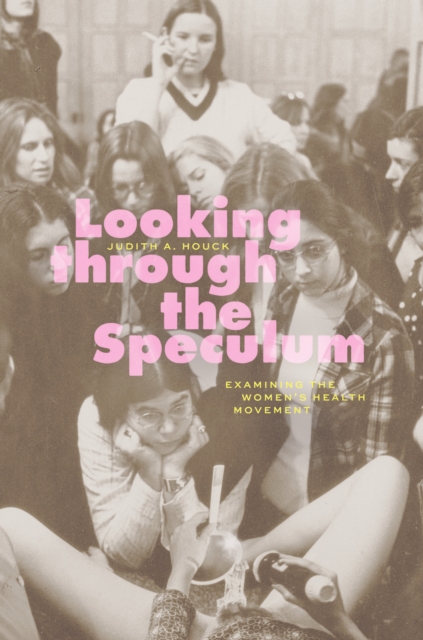
Highlights local history to tell a national story about the evolution of the women's health movement, illuminating the struggles and successes of bringing feminist dreams into clinical spaces.
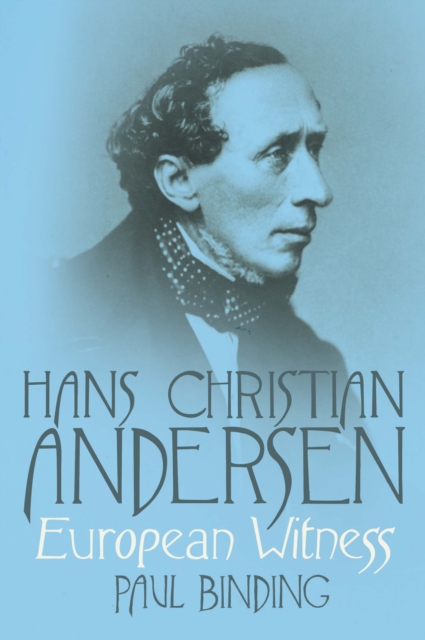
A new account of the brilliant and prolific Danish writer whose works captivated readers across EuropeRarely does an American or European child grow up without an introduction to Hans Christian Andersen's "e;The Ugly Duckling,"e; "e;The Princess and the Pea,"e; or "e;Thumbelina.
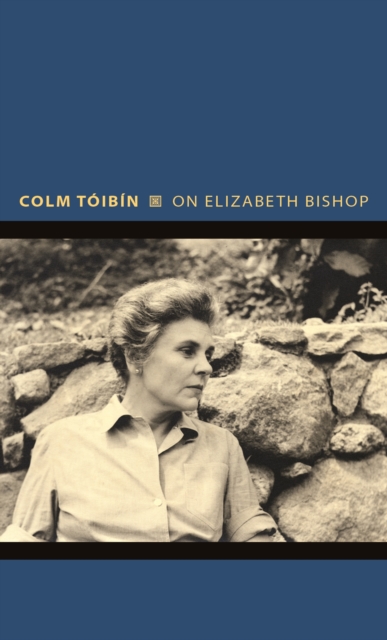
A compelling portrait of a beloved poet from one of today's most acclaimed novelistsIn this book, novelist Colm Toibin offers a deeply personal introduction to the work and life of one of his most important literary influencesthe American poet Elizabeth Bishop.
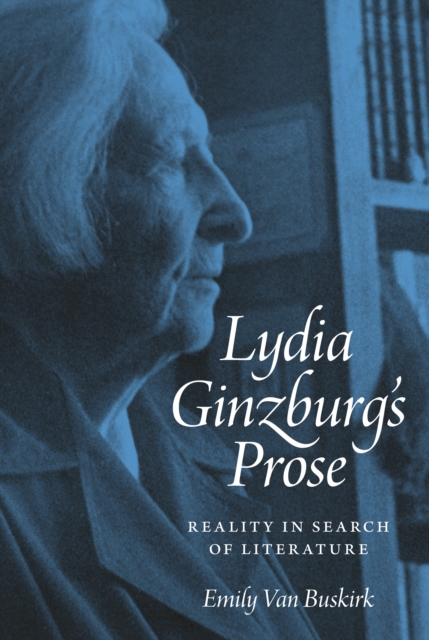
The Russian writer Lydia Ginzburg (1902-90) is best known for her Notes from the Leningrad Blockade and for influential critical studies, such as On Psychological Prose, investigating the problem of literary character in French and Russian novels and memoirs.
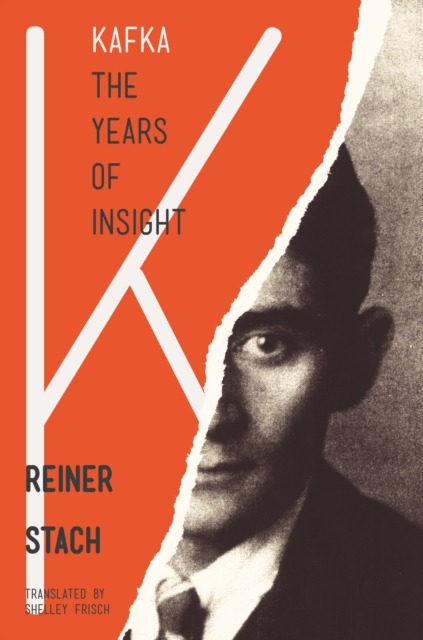
Telling the story of Kafka's final years as never before-the third volume in the acclaimed definitive biographyThis volume of Reiner Stach's acclaimed and definitive biography of Franz Kafka tells the story of the final years of the writer's life, from 1916 to 1924-a period during which the world Kafka had known came to an end.
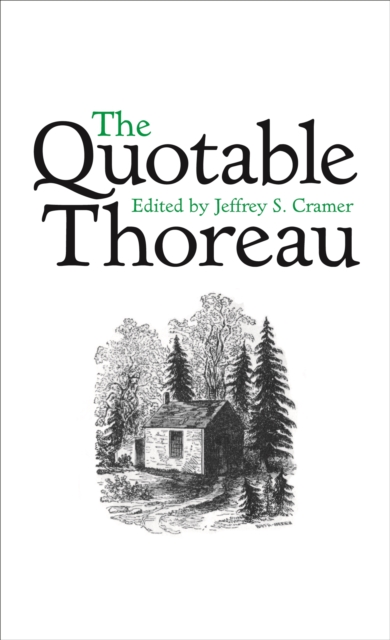
A comprehensive and authoritative collection of Thoreau quotations on more than 150 subjects, from beauty to wisdomFew writers are more quotable than Henry David Thoreau.