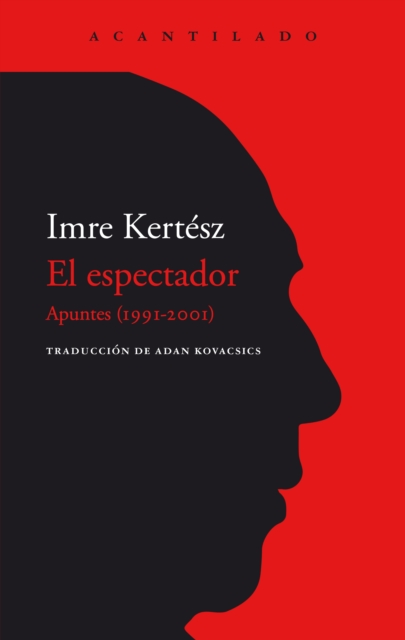
Los diarios de Imre Kertész, publicados en varios volúmenes, comprenden medio siglo de una vida extraordinaria y ofrecen un íntimo relato del pensamiento y de la obra del escritor.
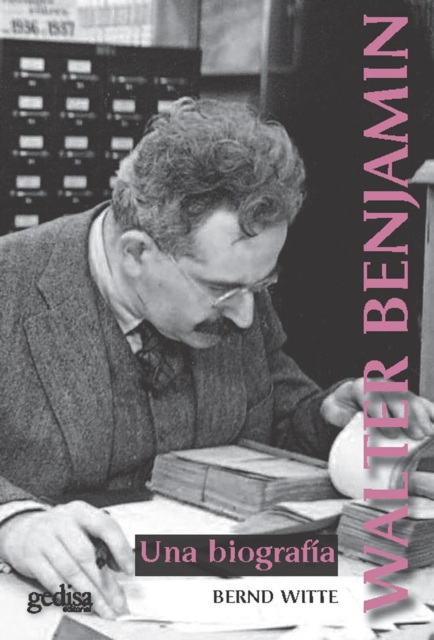
Dicen de Walter Benjamin, célebre filósofo y crítico alemán, que "siempre erró por los confines de doctrinas que se combaten, en los linderos de la historia, la sociología, la estética y la teología" (H.
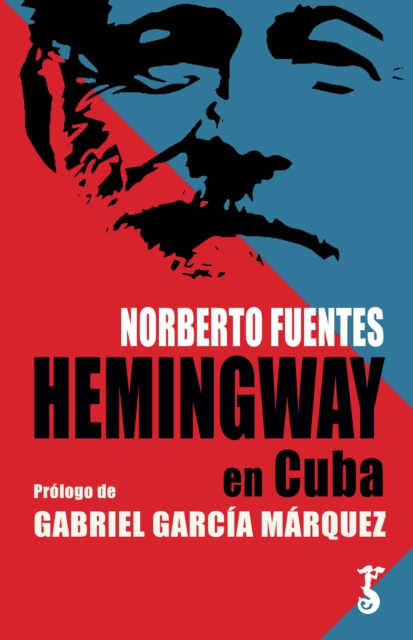
El Premio Nobel de 1954, "el falso hombre duro" de la Generación Perdida, el exponente máximo de una escuela literaria y también de un violento y romántico estilo de vida es el protagonista del presente libro.
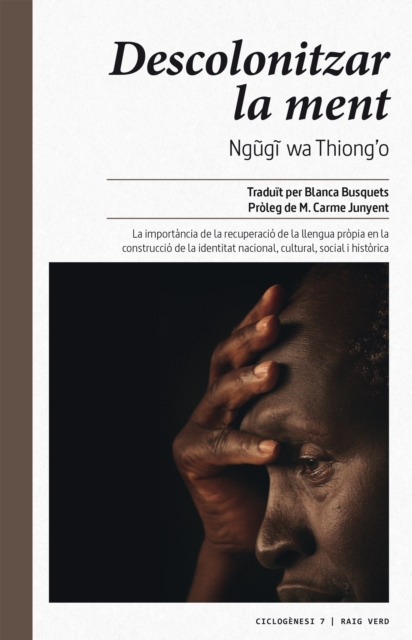
Descolonitzar la ment , referència imprescindible en els estudis sobre postcolonialisme, no només defensa la importància de recuperar la llengua pròpia en la construcció de la identitat nacional, cultural, social i històrica, sinó que també ens mostra els esdeveniments vitals que han contribuït a elaborar el pensament de Ngũgĩ wa Thiong'o.
La sociedad española, heredera del prejuicio que no admite disidencia o heterodoxia alguna en autores consagrados, sigue percibiendo a escritores como Josep Pla, Joan Oliver, Gaziel, José Ferrater Mora, Josep Maria Castellet, los hermanos Ferrater, Joan Margarit o Pere Gimferrer como si de veras hubiesen sido siempre canónicos: personas dóciles y obedientes, atadas a sus intereses egoístas o adaptados siempre al mejor postor o al interés más rentable.
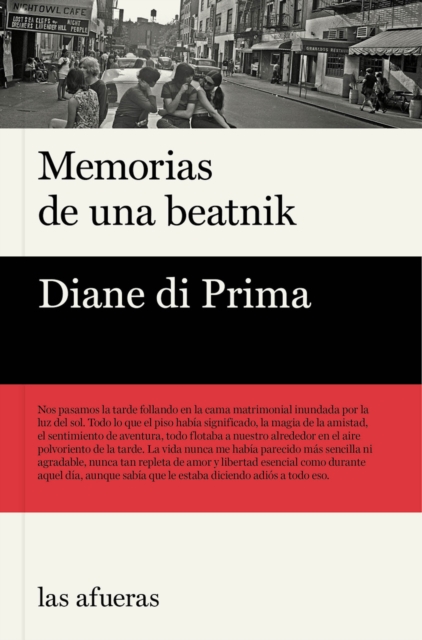
Publicada en el año 1969, Memorias de una beatnik es una reivindicación del placer, la libertad y la experimentación, que brilla de forma singular dentro de la obra de la poeta estadounidense Diane di Prima.
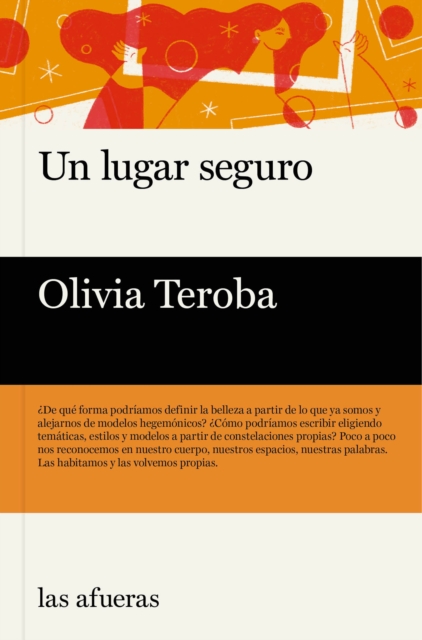
En este libro, la mexicana Olivia Teroba recurre a la palabra como herramienta de autodescubrimiento, pero también como una forma de dialogar con el otro, crear lazos de afecto, tejer comunidad y aprender a cuidar de nosotras mismas en un entorno de violencia patriarcal.
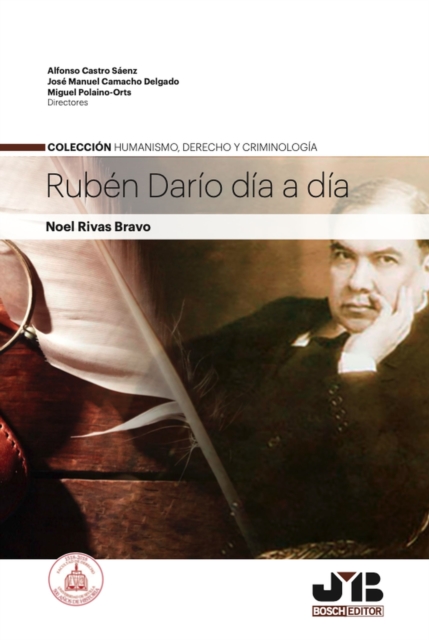
Nicaragua es la patria de los escritores de Centroamérica, desde Rubén Darío hasta el padre Ernesto Cardenal, desde Salomón de la Selva hasta José Coronel Urtecho, desde Claribel Alegría y Daisy Zamora hasta Gioconda Belli, desde Ernesto Mejía Sánchez (quien vivió entre nosotros muchos años y fue miembro de El Colegio de México, entonces dirigido por don Alfonso Reyes) hasta Sergio Ramírez, autor de Margarita, está linda la mar, título de una de sus novelas, tomado de un poema del padre del modernismo, Rubén Darío, el que cubrió de "Azul…" a la literatura del futuro de América Latina.
Stefan Zweigs 'Gesammelte Biographien' bietet eine faszinierende Sammlung von Lebensgeschichten berühmter Persönlichkeiten, darunter Maria Stuart, Marie Antoinette und Casanova.
Die 'Gesammelten Werke von Stefan Zweig' bieten einen faszinierenden Einblick in das reiche literarische Schaffen dieses bedeutenden Schriftstellers des 20.
In 'Briefe eines Verstorbenen', einem Reisetagebuch von Hermann von Pückler-Muskau, wird der Leser in eine faszinierende und poetische Welt des Reisens und der Natur eingeführt.
In 'Theodor Storm: Novellen, Märchen, Gedichte & Briefe' präsentiert der renommierte Autor Theodor Storm über 400 Titel in einem Band, die einen einzigartigen Einblick in sein literarisches Schaffen geben.
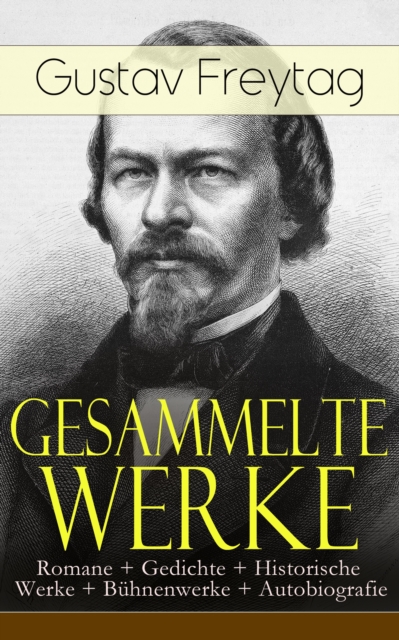
Dieses eBook: "Gesammelte Werke: Romane + Gedichte + Historische Werke + Bühnenwerke + Autobiografie" ist mit einem detaillierten und dynamischen Inhaltsverzeichnis versehen und wurde sorgfältig korrekturgelesen.
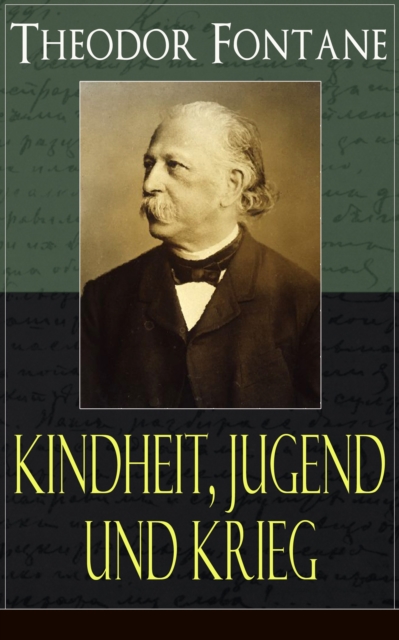
Dieses eBook: "Theodor Fontane: Kindheit, Jugend und Krieg" ist mit einem detaillierten und dynamischen Inhaltsverzeichnis versehen und wurde sorgfältig korrekturgelesen.
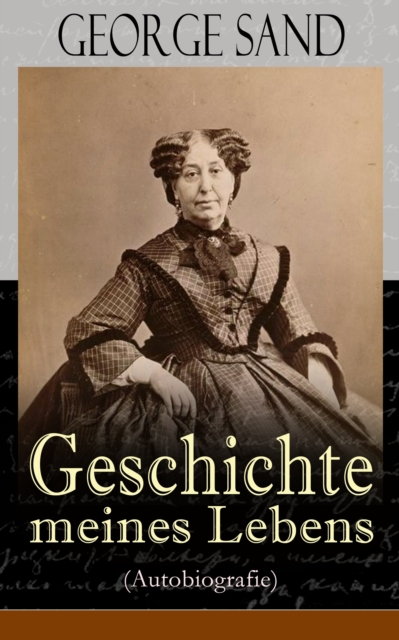
Dieses eBook: "George Sand: Geschichte meines Lebens (Autobiografie)" ist mit einem detaillierten und dynamischen Inhaltsverzeichnis versehen und wurde sorgfältig korrekturgelesen.
Dieses eBook: "Gesammelte Biografien: Maria Stuart + Nietzsche + Casanova + Joseph Fouché + Magellan + Marie Antoinette + Dostojewski + Erasmus + Sigmund Freud + Tolstoi und mehr" ist mit einem detaillierten und dynamischen Inhaltsverzeichnis versehen und wurde sorgfältig korrekturgelesen.
Finalist for the National Book Critics Circle Award in CriticismA leading trans scholar and activist explores cultural representations of gender transition in the modern periodIn Pleasure and Efficacy, Grace Lavery investigates gender transition as it has been experienced and represented in the modern period.
La novel escritora limeña explora la crudeza de las relaciones que componen este país imposible y la fragilidad de aquel andamio que llamamos "familia".
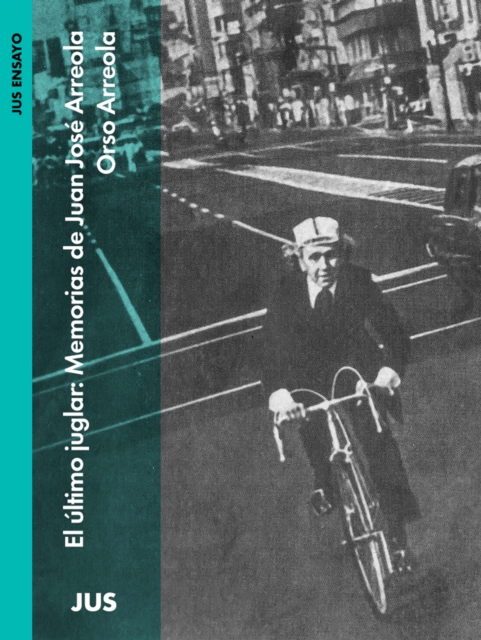
Este libro es fruto de una larga y accidentada conversación con mi hijo Orso: a veces apasionada y dulce, otras triste y amarga, pero siempre regida por la verdad.
Dentro de las escrituras del yo, la autobiografía ha ocupado un lugar privilegiado; ha sido una de las manifestaciones literarias más asediadas y mejor investigadas desde hace medio siglo.
"Selva oscura" es un texto autobiográfico con vuelos líricos que narra la formación y las influencias de Aline Pettersson, así como la génesis de algunas de sus obras.
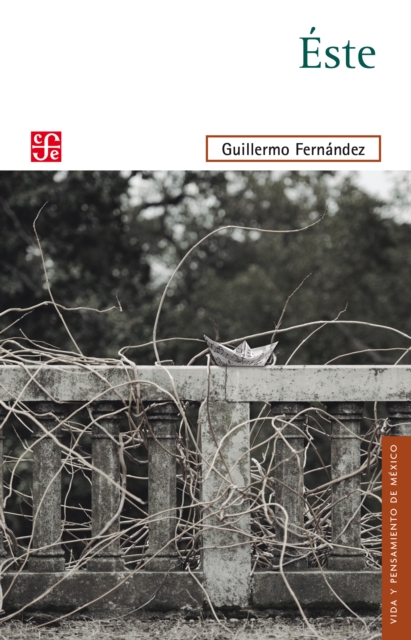
Éste es la autobiografía del jalisciense Guillermo Fernández, quien —por medio de una prosa franca e impecable— revive los momentos cruciales y más pintorescos de su infancia y juventud que lo llevaron a formarse como uno de los grandes escritores de la segunda mitad del xx.
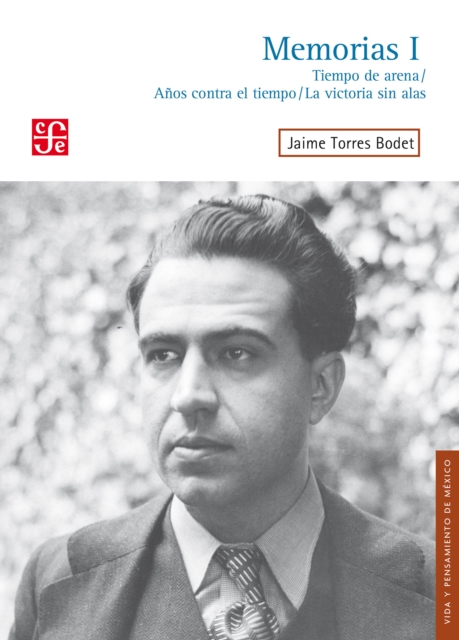
Poseedor de una de las plumas más notables e incisivas de nuestra lengua y pieza clave en la consolidación de las instituciones educativas de México, Jaime Torres Bodet nos lega en sus memorias un fiel testimonio de su paso por dichas instituciones y por el Servicio Exterior Mexicano.
Autobiografía es un libro en el que Alberto Enríquez Perea reúne los escritos autobiográficos de Alfonso Reyes que habían aparecido dispersos en los veintiséis volúmenes de sus Obras completas.
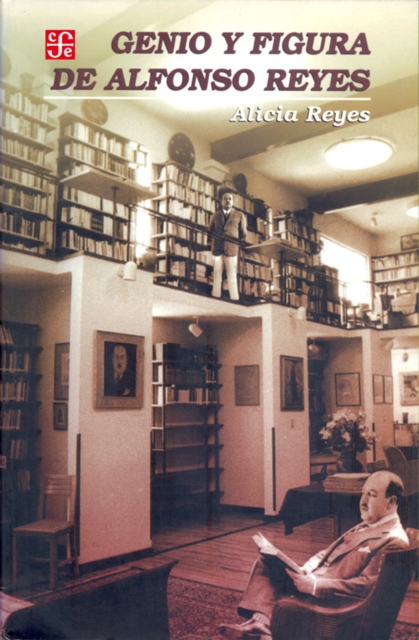
Alicia Reyes, debidamente apoyada en la monumental obra literaria de su abuelo, nos lo ofrece en carne y hueso, con defectos y virtudes, dueño de una tenacidad ejemplar.