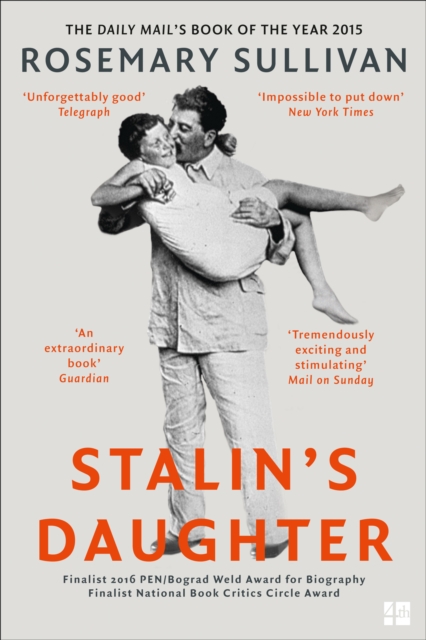
Winner of the Hilary Weston Writers' Trust Prize for Non-FictionA New York Times Notable Book of 2015A painstakingly researched, revelatory biography of Svetlana Stalin, a woman fated to live her life in the shadow of one of history's most monstrous dictators - her father, Josef Stalin.
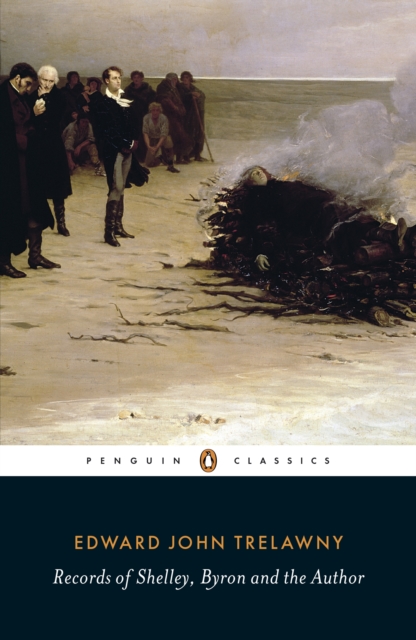
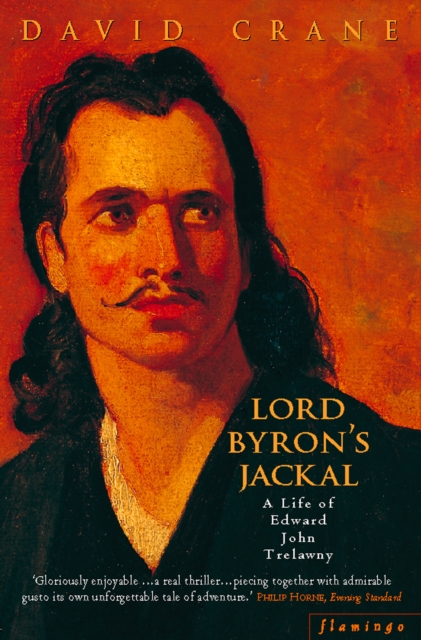
In February 1822 the writer and adventurer Edward John Trelawny arrived in Pisa to make the acquaintance of his heroes Shelley and Byron, leaving a broken marriage and an exotic seafaring career behind him.
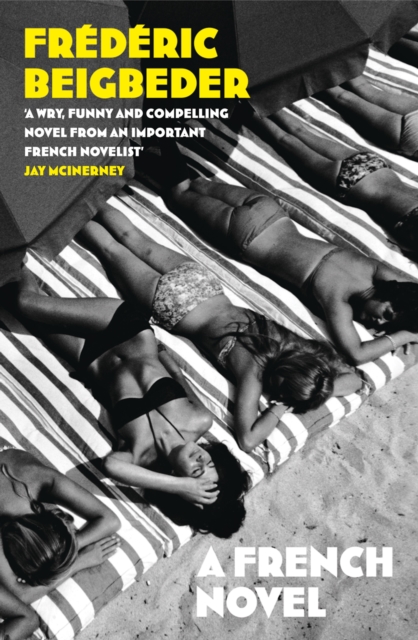
Arrested for snorting cocaine off a car bonnet, award-winning author and quintessential dilettante Frederic Beigbeder reflects on his troubled childhood, while spending a night in the cells.
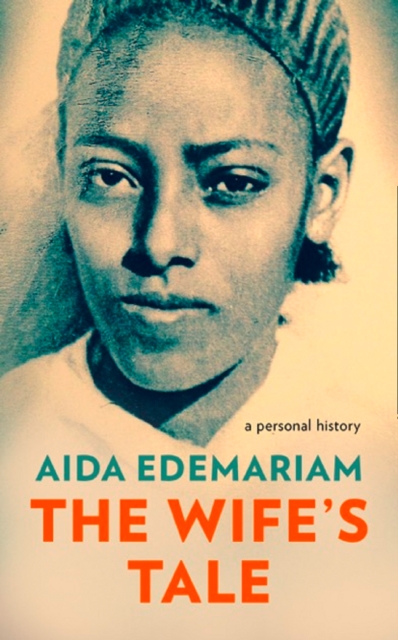
WINNER OF THE RSL ONDAATJE PRIZE 2019AN ECONOMIST BOOK OF THE YEARA CBC BOOK OF THE YEARThe extraordinary story of an indomitable 95-year-old woman - and of the most extraordinary century in Ethiopia's history.
A terrifically engaging and original biography about one of England's greatest novelists, and the glamorous, eccentric, debauched and ultimately tragic family that provided him with the most significant friendships of his life and inspired his masterpiece, 'Brideshead Revisited'.
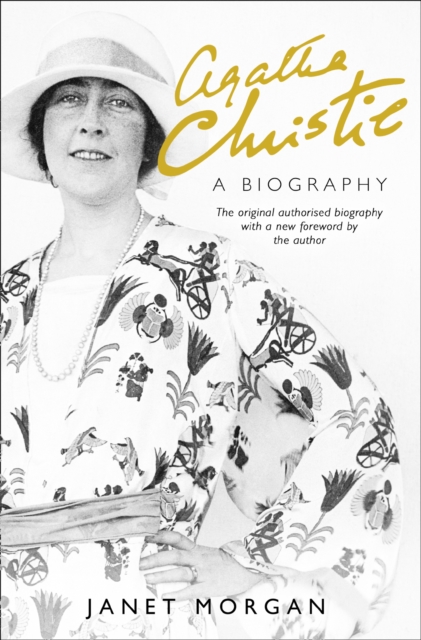
A biographical companion to the works of Agatha Christie - revised and updated editionAgatha Christie was the author of over 100 plays, short story collections and novels which have been translated into 103 languages; she is outsold only by the Bible and Shakespeare.
An entertaining biography of Dickens by one of our finest actorsAcclaimed actor and writer Simon Callow captures the essence of Charles Dickens in a sparkling biography that explores the central importance of the theatre to the life of the greatest storyteller in the English language.
The enhanced edition of the fully updated, number-one bestselling memoir of one of New Labour's three founding architects allows unprecedented access to video footage, audio commentary and primary source materials, from Mandelson's own diary entries to spirited exchanges between Labour's most powerful figures.
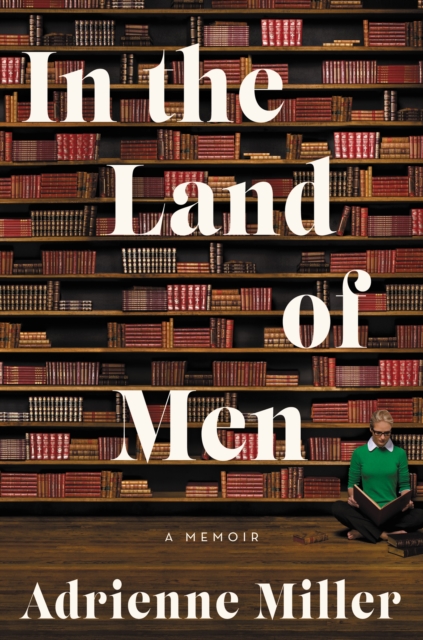
One of Vogue's Best Books of the YearOne of Esquire's Best Books of the YearOne of the Wall Street Journal's Favorite Books of the YearOne of the Most Anticipated Books of the Year: Vogue, Parade, Esquire, Bitch, and Maclean's A New York Times and Washington Post Book to Watch A fiercely personal memoir about coming of age in the male-dominated literary world of the nineties, becoming the first female literary editor of Esquire, and Miller's personal and working relationship with David Foster WallaceA naive and idealistic twenty-two-year-old from the Midwest, Adrienne Miller got her lucky break when she was hired as an editorial assistant at GQ magazine in the mid-nineties.
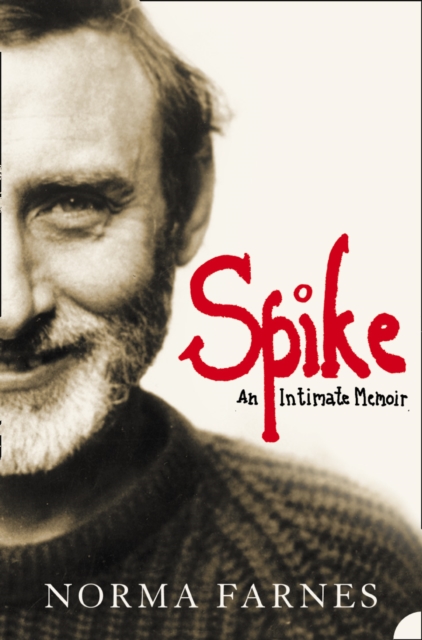
The complete memoirs of a man of many talents and faces - the late, great Spike Milligan - affectionately recounted by his close friend and agent for 35 years, Norma Farnes.
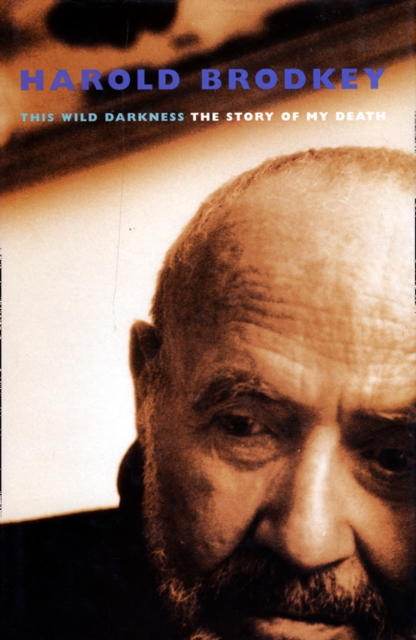
A meditation on dying by a writer who has been compared to Proust, was much praised by Salman Rushdie and is perhaps most famous for producing very little.
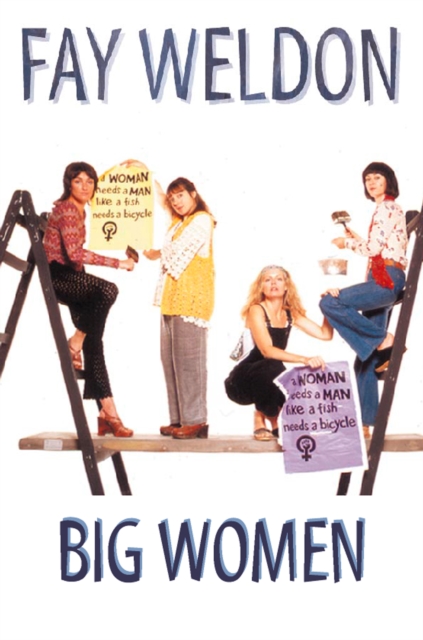
This is the story of women when they were wimmin: of that blossoming in seventies England of hope, freedom, equality and sisterhood; and of what happened next.
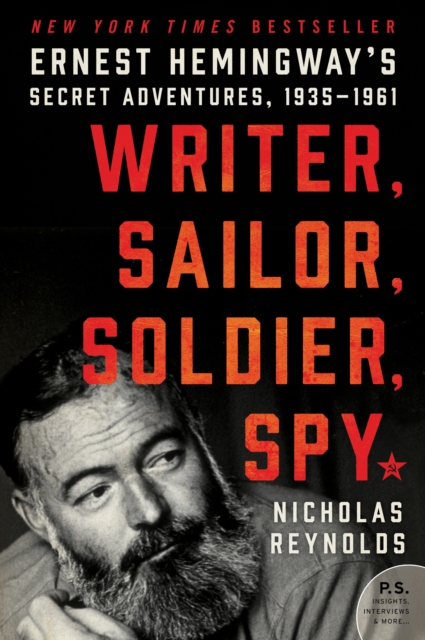
A New York Times-bestseller from an intelligence insider reveals the "e;fascinating new research"e; revealing Hemingway's hidden life in espionage (New York Review of Books).
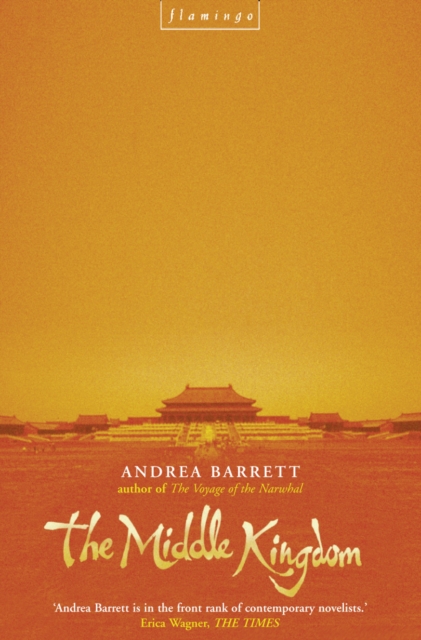
A lyrical, moving novel of the choices and confusions that face a married woman whose understanding of herself explodes on first contact with the energies of China and a Chinaman.
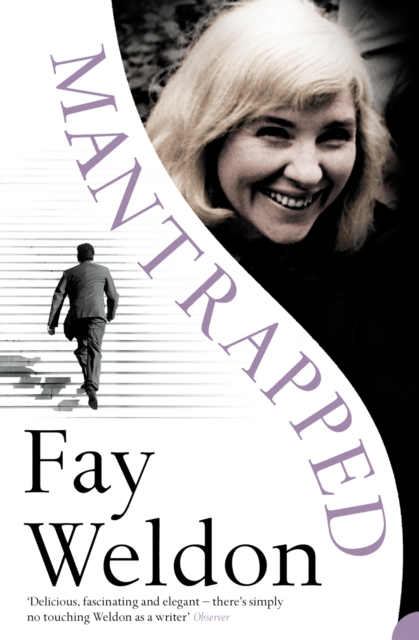
A brilliant, inventive and endlessly delightful memoir from Fay Weldon, one of our most respected commentators on sex, relationships and gender, that picks up where her acclaimed Auto da Fay left off.
Introducing Israel Armstrong, one of literature's most unlikely detectives in the first of a series of novels from the author of the critically acclaimed Ring Road.
From one of Britain's best-loved literary novelists comes a magical, lyrical tale of the young orphan Silver, taken in by the ancient lighthousekeeper Mr.