Madeleine L'Engle's A Wrinkle in Time has captured the imagination of millions - from literary sensation to timeless classic and now a major motion picture starring Oprah Winfrey, Reese Witherspoon, Storm Reid, and Mindy Kaling.
An 365-day anthology of readings from one of the most influential writers of all time, George MacDonald, compiled by CS Lewis himselfMacDonald was a major Christian writer of the late nineteenth, early twentieth centuries.
'Edna O'Brien has always had a gift for writing about affairs of the heart' Guardian'Her boldly coloured portrait rewrites his life with all the brio and elan for which her novels are renowned' The Herald 'Hugely enjoyable' Daily TelegraphBYRON IN LOVE - the nobility, arrogance and sheer theatre of Byron's life.
The first new biography for a generation of one of the great figures of English literaturePoet, essayist, biographer, lexicographer, critic, conversationalist and wit, Dr Johnson is one of the great figures of English literature, perhaps the most quoted English writer after Shakespeare.
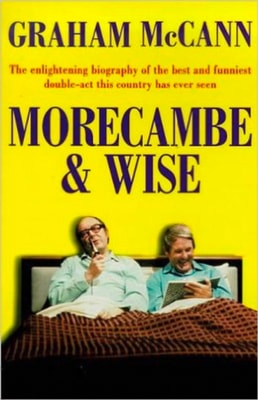
The dual biography of the great British comedy double-act and the rise and fall of mass audience television by the respected biographer of Cary Grant .
'Riveting, tragic tale' New Yorker'Anna Pasternak has produced an irresistible account of joy, suffering and passion' Financial TimesThe heartbreaking story of the passionate love affair between Boris Pasternak and Olga Ivinskaya - the tragic true story that inspired Doctor Zhivago.
From the author of the critically-acclaimed Austerlitz and Across the Land and Water comes A Place in the Country, the much anticipated translation of one of W.
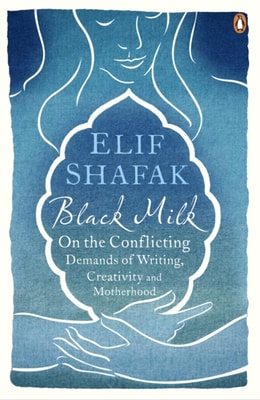
Black Milk is the affecting and beautifully written memoir on motherhood and writing by Turkey's bestselling female writer Elif Shafak, author of Honour, The Gaze and The Bastard of Istanbul which was long-listed for the Orange prize.
Winner of the John Llewellyn Rhys Prize 'One of the most shamefully under-read great British authors of the past 100 years' Sarah WatersThe poet Sylvia Townsend Warner rose to sudden fame with the publication of her classic feminist novel Lolly Willowes in 1926, but never became a conventional member of London literary life, pursuing instead a long writing career in her own individualistic manner.
The definitive biography of an extraordinary novelist, by acclaimed literary biographer Claire Harman'There was no possibility of taking a walk that day .
An intimate portrait of Stephen Spender's extraordinary life written by Matthew Spender, shifting between memoir and biography, with new insights drawn from personal recollections and his father's copious unpublished archives.
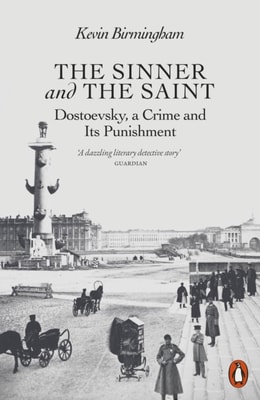
The incredible true story behind the creation of a masterpiece of world literature, Fyodor Dostoevsky's Crime and Punishment'A dazzling literary detective story' GuardianIn the summer of 1865, the former exile Dostoevsky found himself trapped in a cheap hotel in Wiesbaden, unable to leave until he'd paid the bill.
A fascinating look at the remarkable life of Barbara Taylor Bradford, bestselling author of the unforgettable A Woman of SubstanceFrom the cobbled streets of Yorkshire to the sweeping avenues of Manhattan, Barbara's own story is as dramatic a tale as any one of her bestsellers.
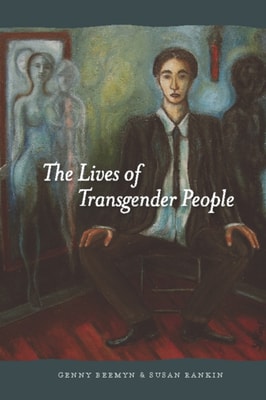
Responding to a critical need for greater perspectives on transgender life in the United States, Genny Beemyn and Susan (Sue) Rankin apply their extensive expertise to a groundbreaking survey one of the largest ever conducted in the U.
A biography of Gaius Valerius Catullus, Rome's first great poet, a dandy who fell in love with another man's wife and made it known to the world through his verse.
Lois Gordon's absorbing biography tells the story of a writer, activist, and cultural icon who embodied the dazzling energy and tumultuous spirit of her age, and whom William Carlos Williams once called "e;one of the major phenomena of history.
CUNDILL PRIZE 2018 WINNERSHORTLISTED FOR THE JAMES TAIT BLACK BIOGRAPHY PRIZE 2018'Enlightening, compassionate, superb' John le CarreA visionary life and times of Joseph Conrad, and of our global world, from one of the best historians writing today.
An omnibus containing Austin Mitchell's classic books THE HALF-GALLON QUARTER-ACRE PAVLOVA PARADISE and PAVLOVA PARADISE REVISITED, available for the first time in ebook.
LONGLISTED FOR THE SAMUEL JOHNSON PRIZE FOR NON-FICTIONA book like no other - the tale of a gripping quest to discover the identity of history's most notorious murderer and a literary high-wire act from the legendary writer and director of Withnail and I.
Previously published as The Great Grisby'You cannot help but fall in love with Grisby' Jeffrey MassonIn this charming bestiary of exceptional dogs, Mikita Brottman reflects on the role dogs play in our world, explored through her relationship with her dog Grisby and the dogs of great writers and artists from literature, lore, and life.
Drawing on years of experience, and thousands of readers comments and reviews of her writing, internationally bestselling author Cathy Glass provides a clear and concise, practical guide on writing and the best ways to get published.
A Book of the Year in The Times, Guardian, Independent, New Statesman, Bookseller and at Waterstones'He understands only the women he invents - the others not at all'Thomas Hardy is one of the most beloved and most-read British authors.
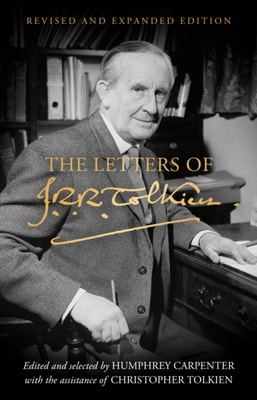
The comprehensive collection of letters spanning the adult life of one of the world's greatest storytellers, now revised and expanded to include more than 150 previously unseen letters, with revealing new insights into The Hobbit, The Lord of the Rings and The Silmarillion.
The Oxford History of Life-Writing: Volume 1: The Middle Ages explores the richness and variety of life-writing from late Antiquity to the threshold of the Renaissance.
This richly illustrated short, extracted from the official book The Chronicles of Downton Abbey, focuses on the characters individually, examining their motivations, their actions and the inspirations behind them.