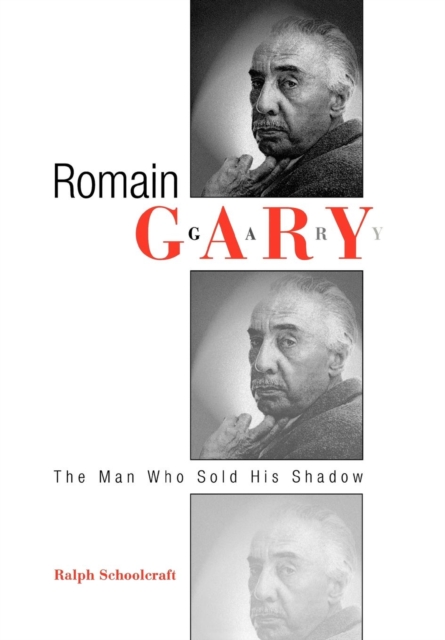
In this book Ralph Schoolcraft explores the extraordinary career of the modern French author, film director, and diplomata romantic and tragic figure whose fictions extended well beyond his books.
From the acclaimed author of The Man Without a Face, the previously untold story of the Jews in twentieth-century Russia that reveals the complex, strange, and heart-wrenching truth behind the familiar narrative that begins with pogroms and ends with emigration.
A masterly biography of Yehuda Halevi, one of the greatest of Hebrew poets and a shining example of the synthesis of religion and culture that defined the golden age of medieval Spanish Jewry.
A Thrice-Told Tale is one ethnographer's imaginative and powerful response to the methodological issues raised by feminist and postmodernist critics of traditional ethnography.
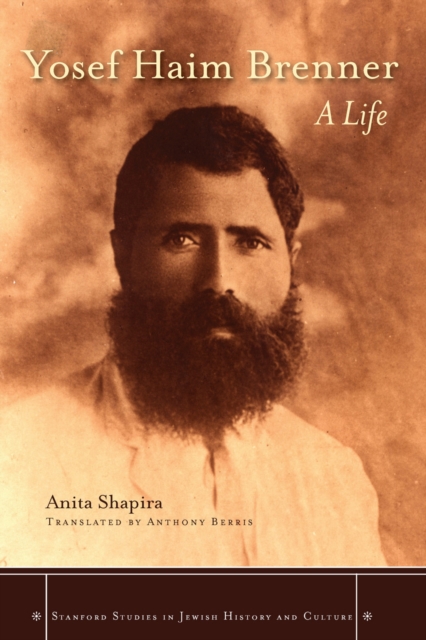
Based on previously unexploited primary sources, this is the first comprehensive biography of Yosef Haim Brenner, one of the pioneers of Modern Hebrew literature.
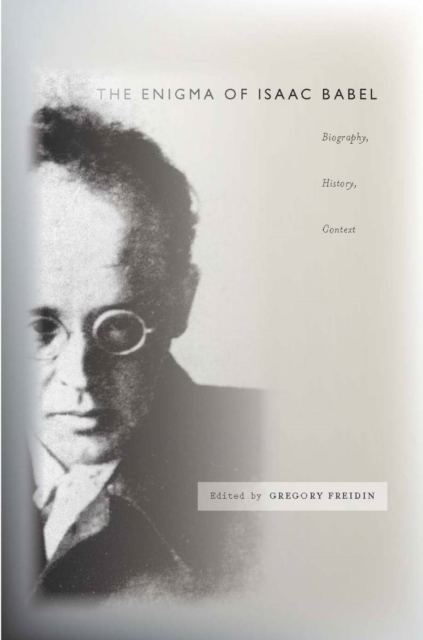
A literary cult figure on a par with Franz Kafka, Isaac Babel has remained an enigma ever since he disappeared, along with his archive, inside Stalin's secret police headquarters in May of 1939.
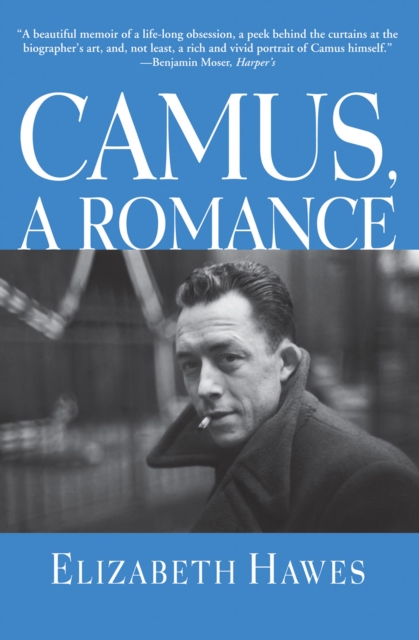
A woman's passion for the Nobel Prize winner yields "e;a rich hybrid of biography, literary criticism, intellectual history and memoir"e; (The Washington Post).
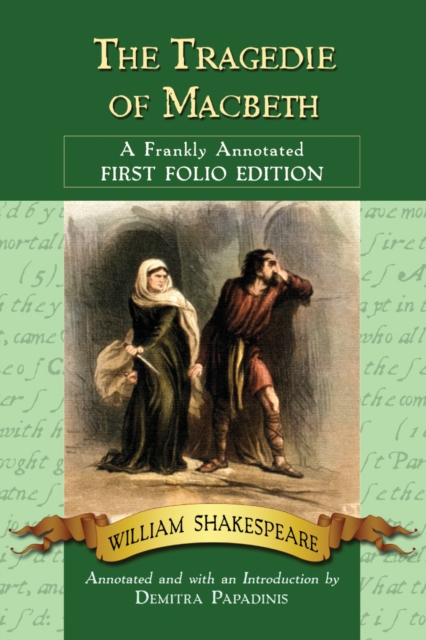
As Shakespeare's works are most accessible when viewed as working theatrical playscripts, "e;The Tragedie of Macbeth: A Frankly Annotated First Folio Edition"e; preserves the spelling, capitalization, and punctuation of the First Folio of 1623 while at the same time providing the most comprehensive, revelatory, and plainspoken annotation to date.
This annotated version of As you Like it, one of the Bard's wittiest and bawdiest plays, provides a detailed guide to its Elizabethan language and its references.
In the past two decades, Othello has tried out for the basketball team, Macbeth has taken over a fast food joint and King Lear has moved to an Iowa farm--Shakespeare is everywhere in popular culture.
This scholarly study of the centuries-long history of fornicatory dolls examines the enduring obsession with creating an idealized, silent female sexual object and the manifestations of this desire through the ages in mythology, literature, art, philosophy and science.
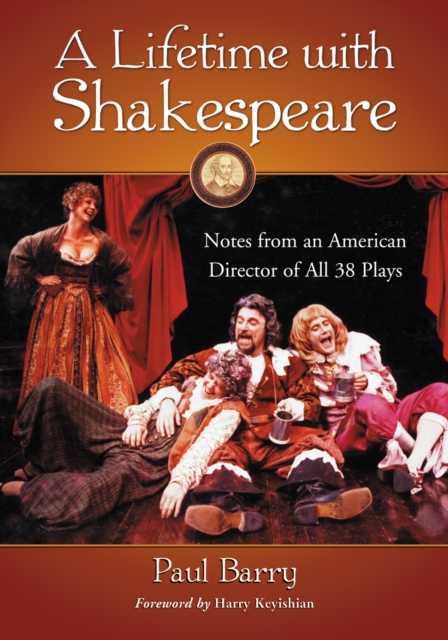
Written by the only American to direct and fight-choreograph all of Shakespeare's plays, this text represents an expert and practical guide to the Bard's oeuvre.
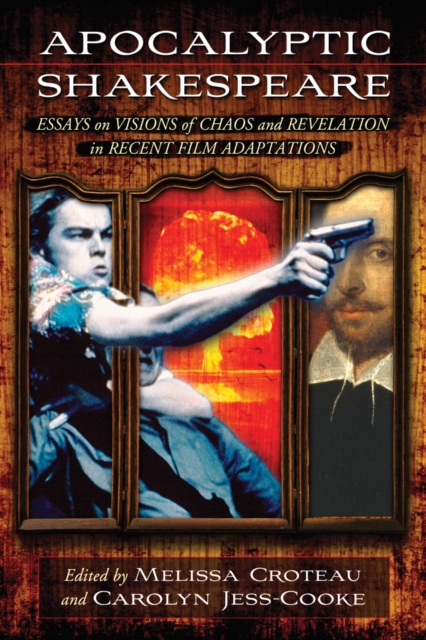
This collection of essays examines the ways in which recent Shakespeare films portray anxieties about an impending global wasteland, technological alienation, spiritual destruction, and the effects of globalization.
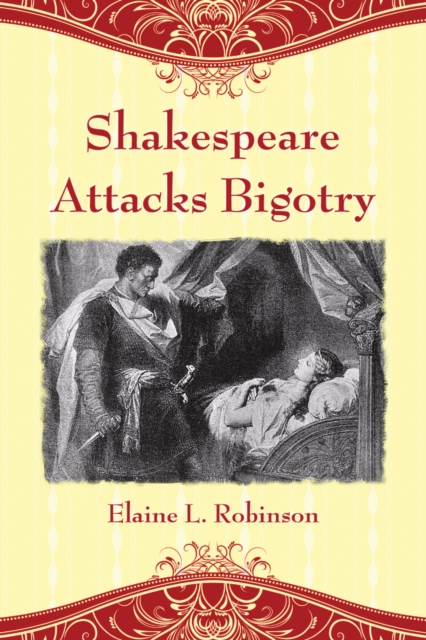
The author argues that Renaissance humanism created a system of bigotry and eroded the practice of Christianity, and that Shakespeare attempted to expose and condemn that shift.
In An American Princess, Laurie Dennett relates the remarkable story of a New England woman whose wealth, intelligence, and charm took her to the heart of aristocratic and intellectual Europe.
In An American Princess, Laurie Dennett relates the remarkable story of a New England woman whose wealth, intelligence, and charm took her to the heart of aristocratic and intellectual Europe.
In a pioneering exploration of the intellectual and literary exchange between Russian emigres and French intelligentsia in the 1920s and 1930s, Leonid Livak provides an impressively comprehensive bibliographic overview of a veritable "e;who's who"e; of Russian intellectuals and literati, listing all the material published by Russian emigres or on topics pertaining to them during the period under study.
This volume is a selection of the most significant writings by Monsignor Luigi Giussani, founder of the Italian Catholic lay movement Communion and Liberation, which is practised in eighty countries around the world.
This volume is a selection of the most significant writings by Monsignor Luigi Giussani, founder of the Italian Catholic lay movement Communion and Liberation, which is practised in eighty countries around the world.
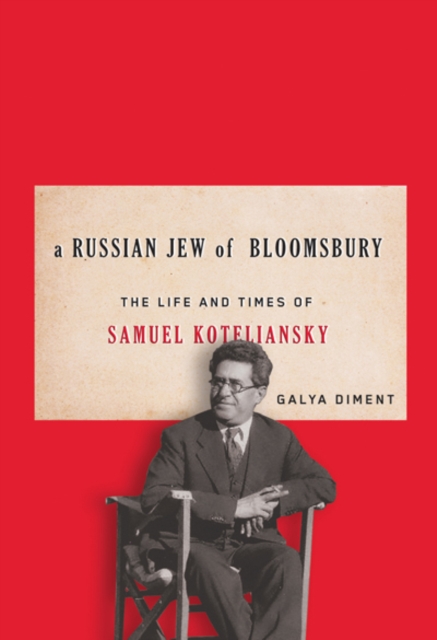
Samuel Koteliansky (1880-1955) fled the pogroms of Russia in 1911 and established himself as a friend of many of Britain's literati and intellectuals, who were fascinated by his homeland's more civilized side: the Ballets Russes, Tolstoy, Dostoevsky, and Chekhov.