Challenging the conception that only men shaped the Holy Roman Empire, this book provides students and general readers with biographies of preachers, nuns, princesses, businesswomen, artists, scientists, writers, and social movers who exercised agency in the Holy Roman Empire.
They are compassionate voices, they are dedicated professionals, they are critical players in the health care system with worn pairs of shoes that have miles of stories to tell.
El latido de la cantante es el tercer libro de una trilogía que Selva Dipasquale y Tamara Domenech componen con entrevistas, poemas, dibujos y, ahora, sonidos.
Si bien la tarea de dirigir una tesis es una actividad reconocida en el ámbito universitario, los directores hablan poco acerca de sus maneras de hacer.
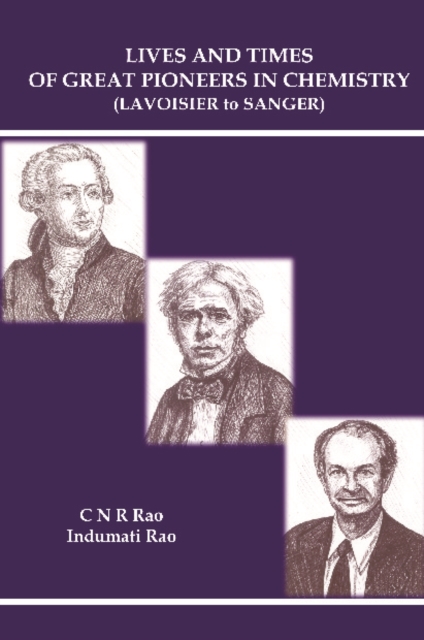
Chemical science has made major advances in the last few decades and has gradually transformed in to a highly multidisciplinary subject that is exciting academically and at the same time beneficial to human kind.
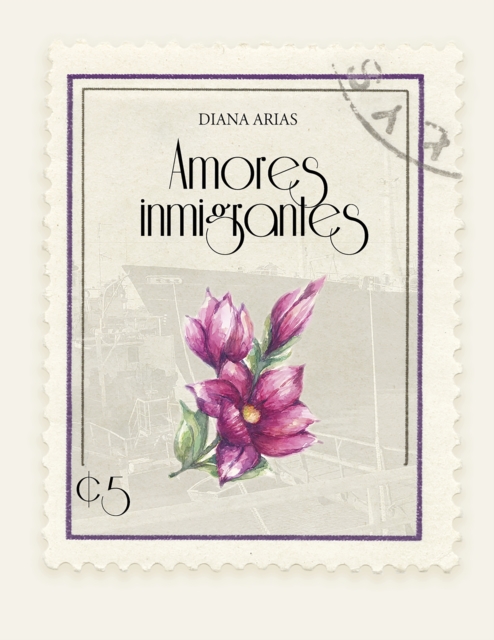
"Amores inmigrantes sintetiza las anécdotas y los paisajes de vidas extraordinarias y sensibles, de hombres y mujeres que generaron nuestras raíces culturales, familiares y religiosas.
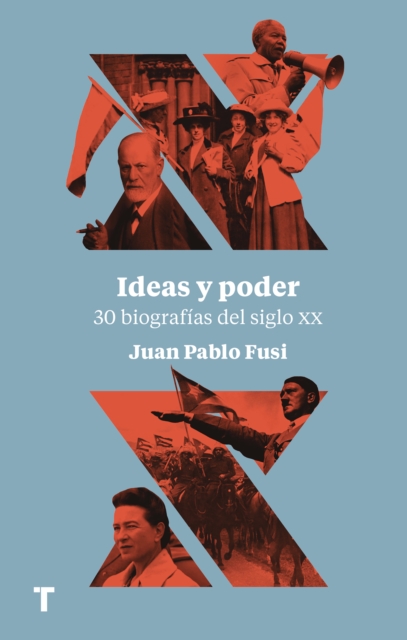
Las grandes tormentas ideológicas han empezado con las ideas, recuerda Isaiah Berlin, y los grandes hechos históricos del siglo xx son un reflejo de ello.
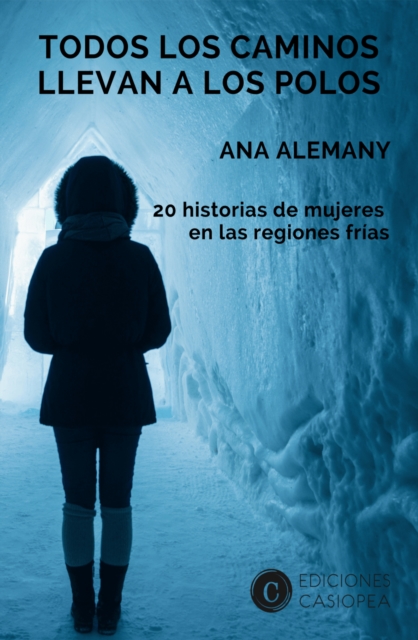
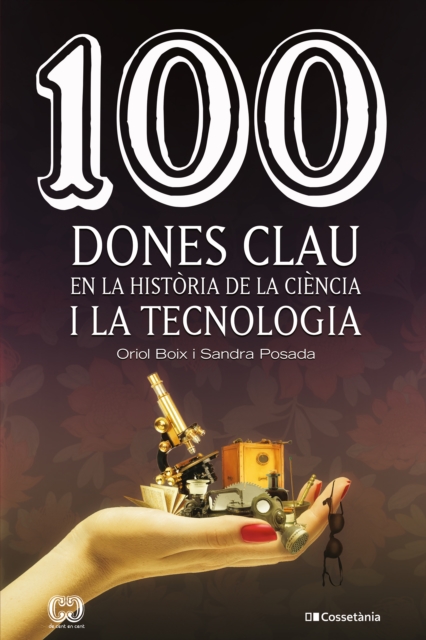
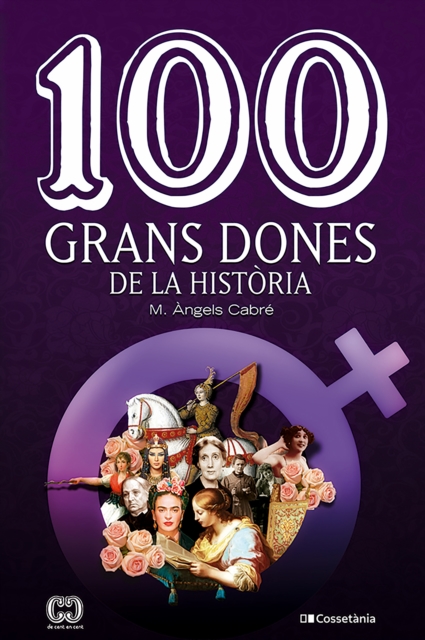
Algunes de les dones que es posen en valor en aquest recull són: Hildegard von Bingen (segle XII), la primera persona en descriure el plaer sexual femení; Josephine Cochreane (segle XVIII), la persona que va idear el primer rentavaixelles, o Josefina Castellví, la primera dona espanyola (juntament amb Marta Estrada) a anar a l'Antàrtida.
The most complete collection available of Willa Cather's remarkable short fiction, Collected Stories and Reviews and Essays brings together all the stories published in this one book form during her lifetime along with two additional volumes compiled after her death.
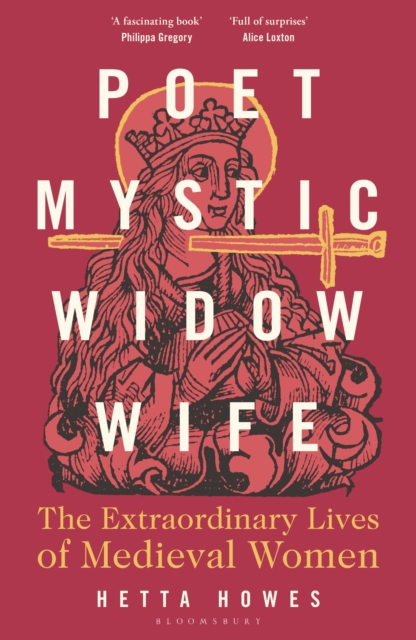
'A fascinating book about four women - it tells us so much about their world, and about our own What jumps off the page is the liveliness of the women, their passion, their courage and their own way of being.
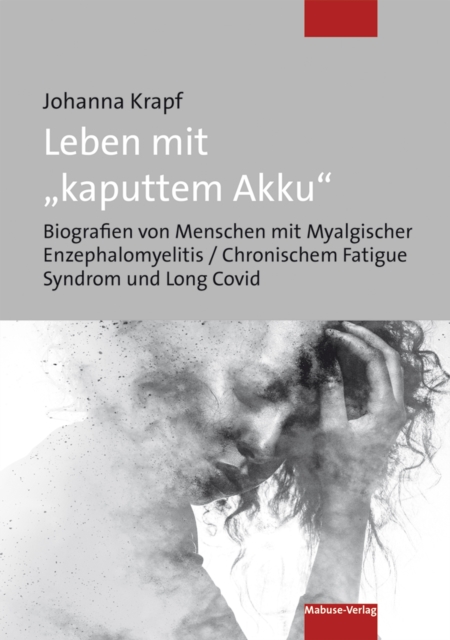
Menschen, die von Myalgischer Enzephalomyelitis / Chronischem Fatigue Syndrom (ME/CFS) betroffen sind, fragen sich immer wieder, warum ihr Leiden oft weder ernst genommen noch korrekt erkannt wird.
Dieses Autorenlexikon enthält alle jene Dichter und Schriftsteller, die zum Kanon der deutschsprachigen Literatur gezählt werden und über die wir bestens informiert sein müssen: Von den frühen Minnesängern wie Hartmann von Aue über die Weimarer Klassik mit Schiller und Goethe bis hin in das zwanzigste Jahrhundert zu Handke und Grass werden Leben, Werk und Wirken der Dichter dargestellt – anschaulich verfasst und mit Begriffserklärungen und einem Register versehen, das ein schnelles Auffinden möglich macht.
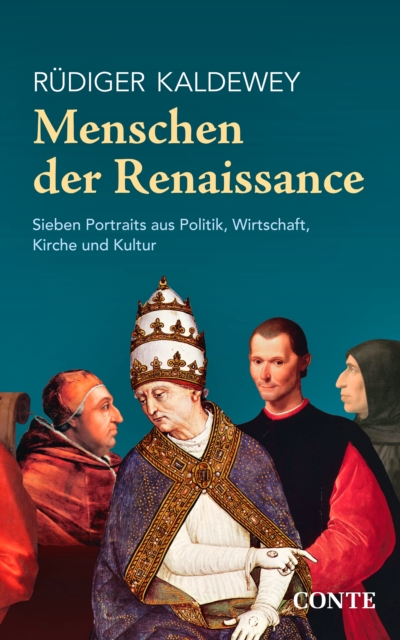
Von ihnen erwarten wir alles – doch was zeichnet einen Staatsmann aus, was sind seine Absichten und Leitgedanken, welcher Mittel bedient er sich zur Erreichung seiner Ziele und wie kann er sich der Unterstützung sicher sein?
Aus dem Zeitalter der Antike sind in Europa zahlreiche bedeutende Persönlichkeiten hervorgegangen, deren Wirkung zu deren Lebzeiten und darüber hinaus, nicht nur auf historischer, sondern auch auf emotionaler und symbolischer Ebene eine große Zahl von Menschen beschäftigte und bewegte.
Bereits lange vor der Erstarkung des weiblichen Geschlechts im vergangenen und im gegenwärtigen Jahrhundert haben sich Frauen ihren Platz unter den Großen der Welt erkämpft und den Weg in männerdominierte Lebensbereiche freigemacht.
Geologie, oder simpel: Erdkunde – das ist die spannende Wissenschaft, die sich mit dem Aufbau der Erde, mit der Entstehung unseres Planeten und seiner Zukunft, mit dem Ursprung des Lebens und der über Jahrmillionen andauernden Entwicklung von einfachen Lebensformen bis hin zu komplexen Ökosystemen beschäftigt.
Wenn Thilo Koch sich all der persönlichen Begegnungen und faszinierenden Abenteuer aus 25 bewegten Reporterjahren erinnert, so entsteht ein aufregendes Stück Autobiographie und ein pulsierendes Kapitel Zeitgeschichte.
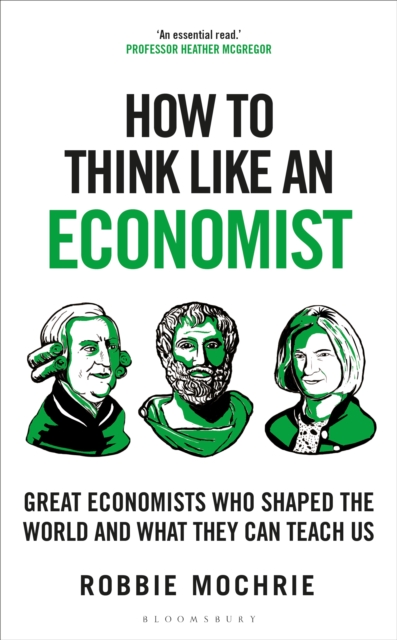
Capturing the essence of history's most influential economists in enjoyable and illuminating biographical sketches, this book shows how the great economic thinkers are still relevant today.
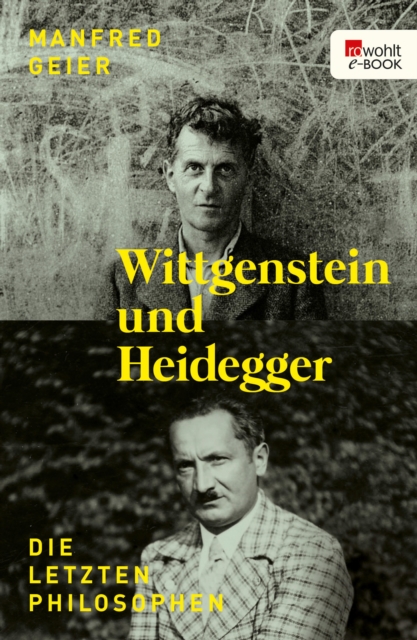
Sie wurden im selben Jahr 1889 geboren und im gleichen Alter 1911 von einer ungeheuren Leidenschaft des Philosophierens ergriffen, die ihre Denk- und Lebenswege beherrschte und einzigartig machte: Martin Heidegger und Ludwig Wittgenstein.