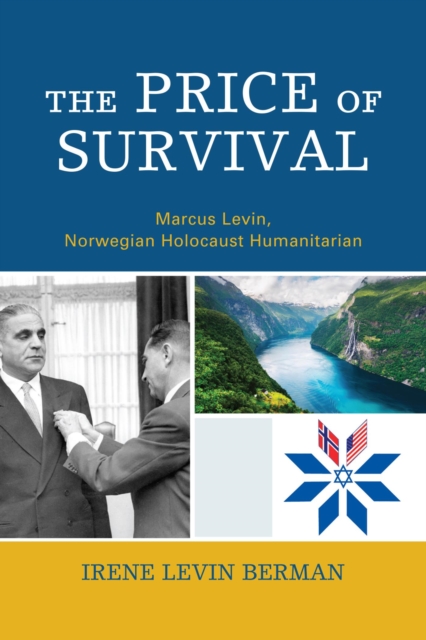
In The Price of Survival: Marcus Levin, Norwegian Holocaust Humanitarian, Irene Levin Berman tells the story of her father's heroic attempts to save the Jews of Norway, as well as hundreds of stateless refugees who had escaped other European countries in the 1930s, from deportation to Nazi concentration camps during World War II.
The author describes her second year as a Peace Corps Volunteer teaching Chemistry in the Gondar Health College in Gondar, Ethiopia, a branch of Haile Selassie I University where she lectured, taught laboratory courses, and mixed solutions for her laboratory courses.
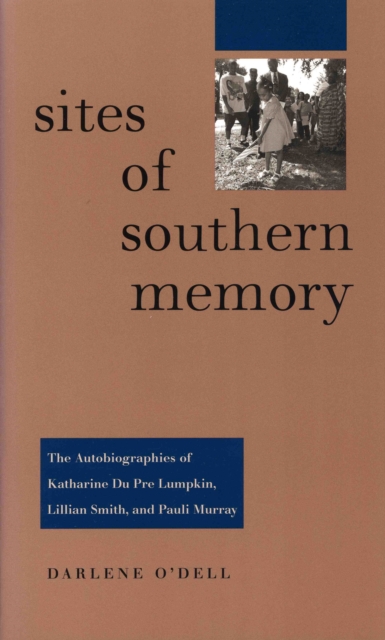
In southern graveyards through the first decades of the twentieth century, the Confederate South was commemorated by tombstones and memorials, in Confederate flags, and in Memorial Day speeches and burial rituals.
An Educational Journey to Deanship: A Memoir explores and highlights achievements and stories of success throughout the author's academic and administrative experiences.
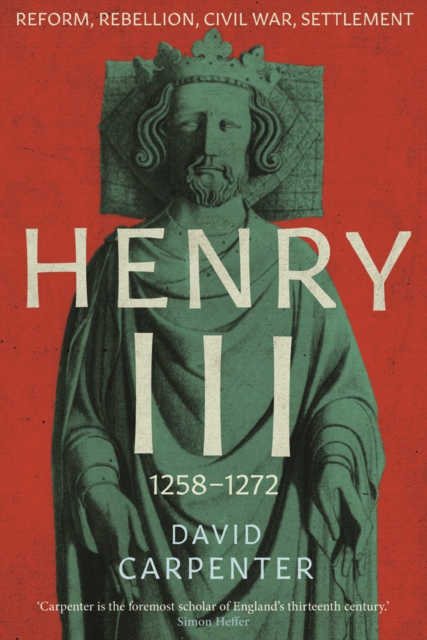
The second volume in the definitive history of Henry III’s rule, covering the revolutionary events between 1258 and the king’s death in 1272 After coming to the throne aged just nine, Henry III spent much of his reign peaceably.
The second volume in the definitive history of Henry III’s rule, covering the revolutionary events between 1258 and the king’s death in 1272 After coming to the throne aged just nine, Henry III spent much of his reign peaceably.
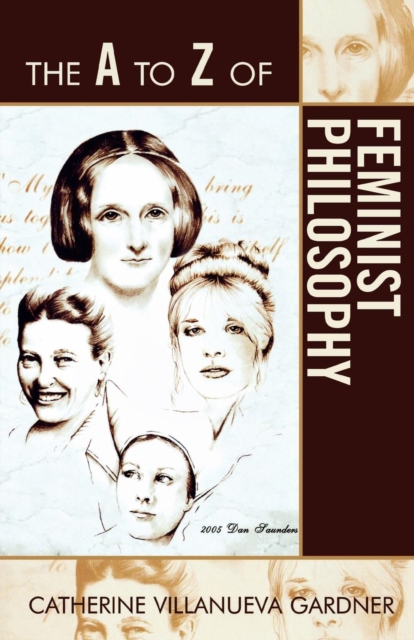
Having only emerged in the past few decades, Feminist Philosophy is rapidly developing its own thrust in areas of particular importance to feminism-and women more generally-while also reevaluating and reshaping most other fields of philosophy, from ethics to logic and Marxism to environmentalism.
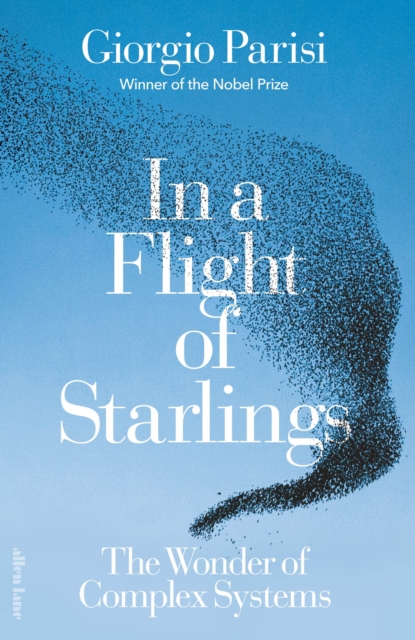
From the 2021 Nobel Prize winner in Physics, a remarkable journey into the practice of groundbreaking science 'Giorgio Parisi is renowned for his scientific creativity, originality, and power.
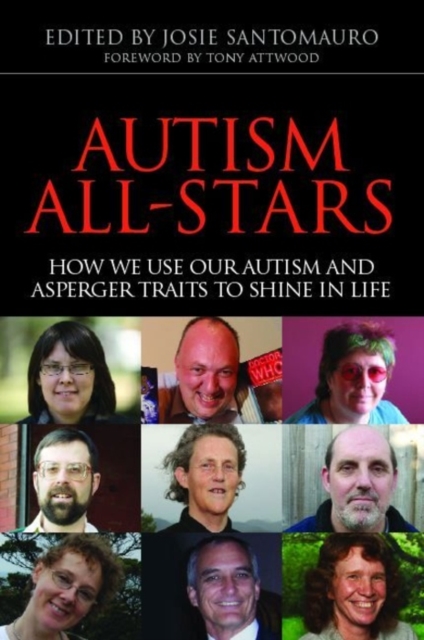
Looking at the positive influences, great talents and unique thought processes of individuals with Autism Spectrum Disorders, this book is a celebration of those who have used their autism to shine in life.
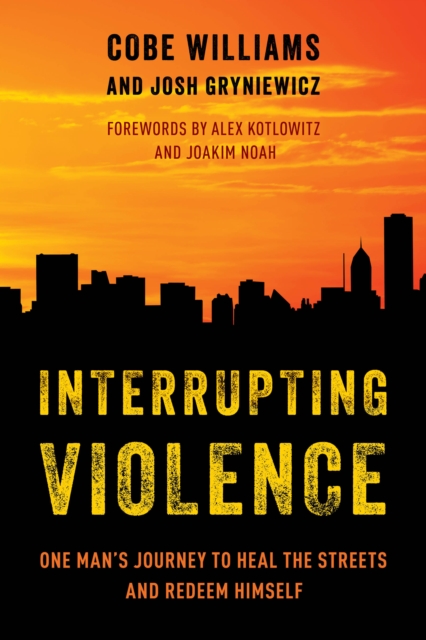
USA Today BestsellerPart memoir and part call to action, Interrupting Violence is a blueprint for cities across America looking for a new way to address community violence.
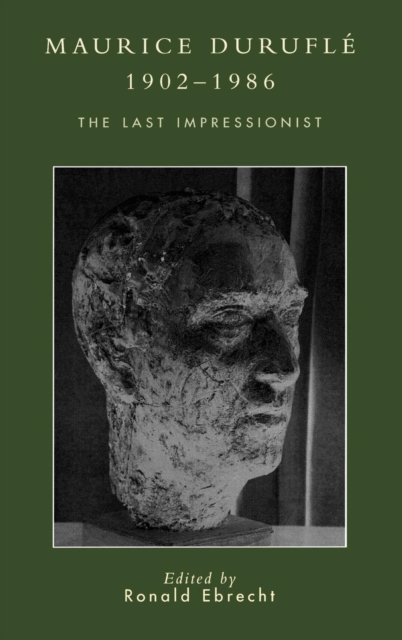
Maurice Durufle (1902-1986) is best known as composer of the hauntingly beautiful and moving Requiem of 1947, and as organist during his long tenure at the church of Saint-Etienne-du-Mont in Paris.
Twelve internationally-known keyboard artists entertainingly discuss their daily lives of practicing and performing in informative interviews, including reflections on learning new music, reviving repertoire, performing, controlling nerves, recording sessions, playing with ensemble groups, touring, playing in competitions, and the future of the piano.
Twelve internationally-known keyboard artists entertainingly discuss their daily lives of practicing and performing in informative interviews, including reflections on learning new music, reviving repertoire, performing, controlling nerves, recording sessions, playing with ensemble groups, touring, playing in competitions, and the future of the piano.
Maurice Durufle (1902-1986) is best known as composer of the hauntingly beautiful and moving Requiem of 1947, and as organist during his long tenure at the church of Saint-Etienne-du-Mont in Paris.
In 1461 Edward earl of March, an able, handsome, and charming eighteen-year old, usurped the English throne from his feeble Lancastrian predecessor Henry VI.
Foremost medieval historian Anne Curry offers a new reinterpretation of Henry V and the battle that defined his kingship: AgincourtHenry V's invasion of France, in August 1415, represented a huge gamble.
A collection of short essays and stories, Defending Latina/o Immigrant Communities: The Xenophobic Era of Trump and Beyond focuses on one of the most vilified, demonized, and scapegoated groups in the United States: Latina/o immigrants.
Keiko Shiba, a noted researcher in early modern Japanese history, has spent years collecting hundreds of travel diaries written by women during the reign of the Tokugawa shogunate (17th through mid-19th centuries).
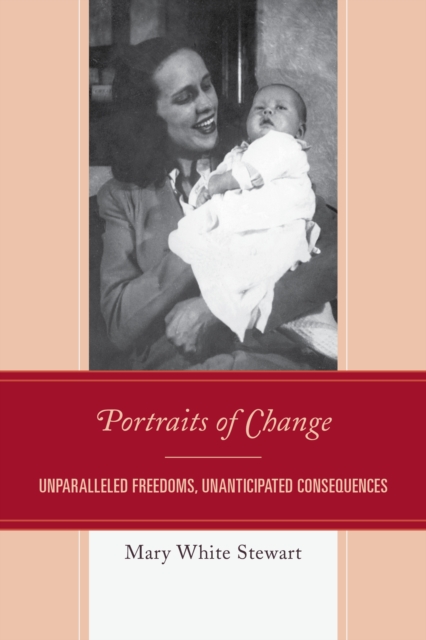
Portraits of Change is a deep, intimate look at the powerful impact of the women's movement and the widespread social upheaval of the 1960s and 1970s on women's lives.
Taking Care, based on twenty-six interviews and other autobiographical narratives, challenges the negative stereotypes about mothers with disabilities.
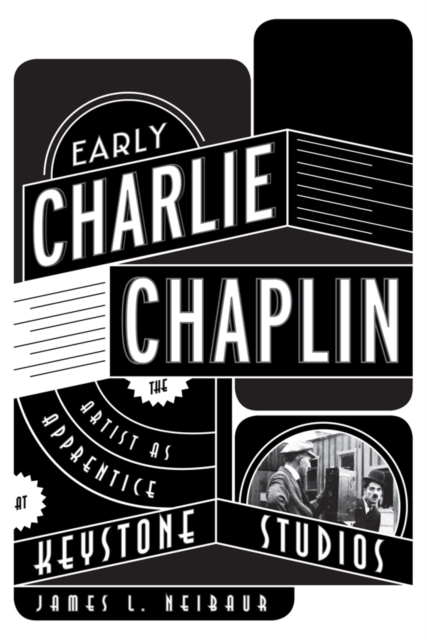
Charlie Chaplin produced some of the greatest films of all time, including The Gold Rush, The Circus, City Lights, Modern Times, and The Great Dictator.
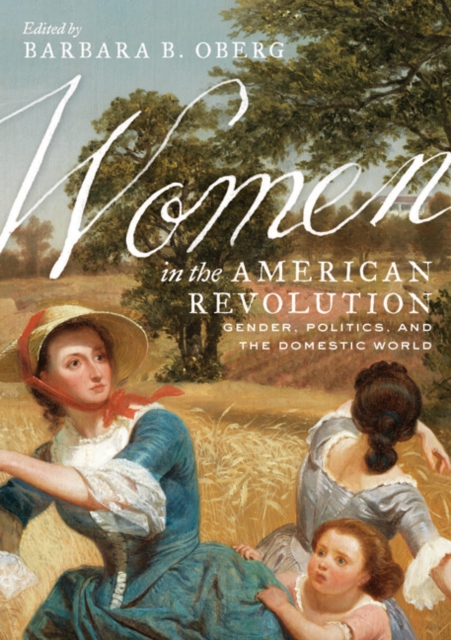
Building on a quarter century of scholarship following the publication of the groundbreaking Women in the Age of the American Revolution, the engagingly written essays in this volume offer an updated answer to the question, What was life like for women in the era of the American Revolution?
In southern graveyards through the first decades of the twentieth century, the Confederate South was commemorated by tombstones and memorials, in Confederate flags, and in Memorial Day speeches and burial rituals.
Just after recording with John Coltrane in 1963, baritone singer Johnny Hartman (1923-1983) told a family member that "e;something special"e; occurred in the studio that day.
Frances Hodgson Burnett gained famed not only as an author of social fictions and romances but also for writing the immensely popular children's novel Little Lord Fauntleroy.
In At the Piano: Interviews with 21st-Century Pianists, Caroline Benser explores the kaleidoscopic world of twenty-first-century pianism through a series of extended interviews with eight major pianists: Leif Ove Andsnes, Jonathan Biss, Simone Dinnerstein, Marc-Andre Hamelin, Stephen Hough, Steven Osborne, Yevgeny Sudbin, and Yuja Wang.
Anglicanism arguably originated in 1534 when Parliament passed the Act of Supremacy, which transferred papal power over the Church of England to the king.
Looking at the positive influences, great talents and unique thought processes of individuals with Autism Spectrum Disorders, this book is a celebration of those who have used their autism to shine in life.
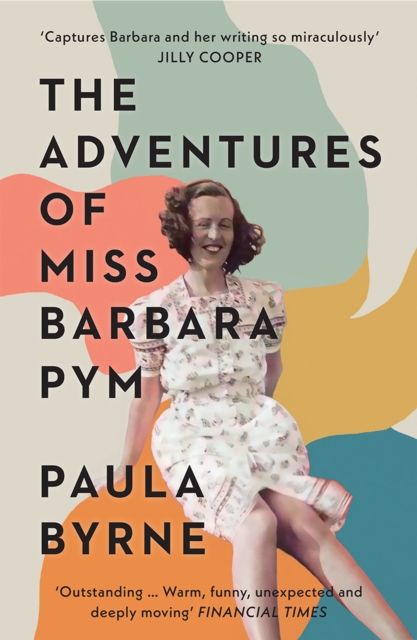
'Captures both Barbara and her writing so miraculously' JILLY COOPERPicked as a Book to Look Forward to in 2021 by the Guardian, The Times and the ObserverA Radio 4 Book of the Week, April 2021Barbara Pym became beloved as one of the wittiest novelists of the late twentieth century, revealing the inner workings of domestic life so brilliantly that her friend Philip Larkin announced her the era's own Jane Austen.
'Extraordinary' Daily MailAs seen on BBC BreakfastHorrifying, heartbreaking and eye-opening, these are the stories, the patients and the cases that have characterised a career spent being a doctor behind bars.