Things My Son Needs To Know About The World is a tender and funny series of letters from a new father to his son about one of life's most daunting experiences: parenthoodFrom the 18 million copy internationally bestselling author of A Man Called Ove, Anxious People and My Friends, the Sunday Times Bestseller and Goodreads Choice Awards Fiction 2025 winner!
At turns humorous, irreverent, poignant and tender, The Book of Dads brings together twenty well-known and beloved writers on the subject of fatherhood, offering fathersor anyone who has been or loved a parentunrivaled insights into the complexity of fatherhood as it's experienced now.
Unmasks the tough, street-smart persona of Charles BukowskiAmerica's "e;Ultimate Outsider"e; Amazing letters filled with passionate, literary, and personal observation Insights into the author of Tales of Ordinary Madness, Notes of a Dirty Old Man, and Run with the Hunted Insights into Sheri Martinelli: the protege of Anais Nin, an accomplished painter, and the mistress of Ezra Pound Charels Bukowski's persona as the Dirty Old Man of American Literature is just that: a persona, a mask beneath which there was a man better read and more cultured than most people realize.
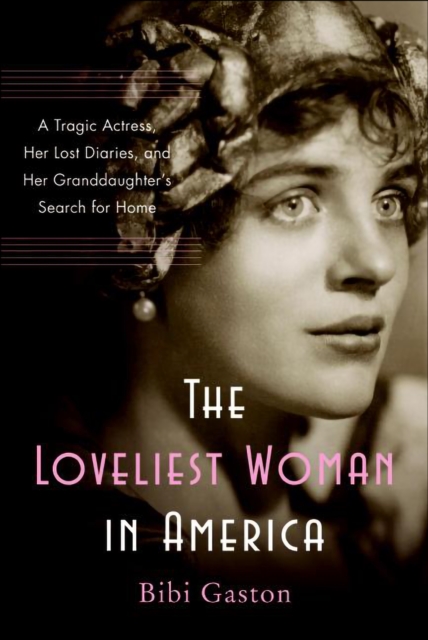
"e;A beautifully written, three generational saga"e; details the biography of the socialite and actress in a story "e;worthy of Edith Wharton's House of Mirth"e; (John Guare, playwright Six Degrees of Separation).
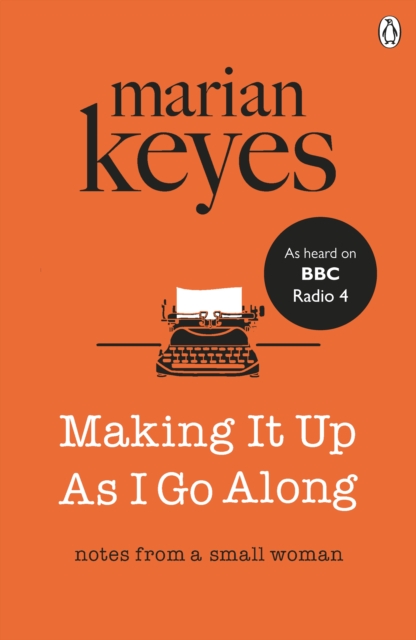
AS HEARD ON BBC RADIO 4'S BETWEEN OURSELVES, IN CONVERSATION WITH TARA FLYNNLaugh your socks off with this hilarious collection of tales, observations and flights of fancy from the No.
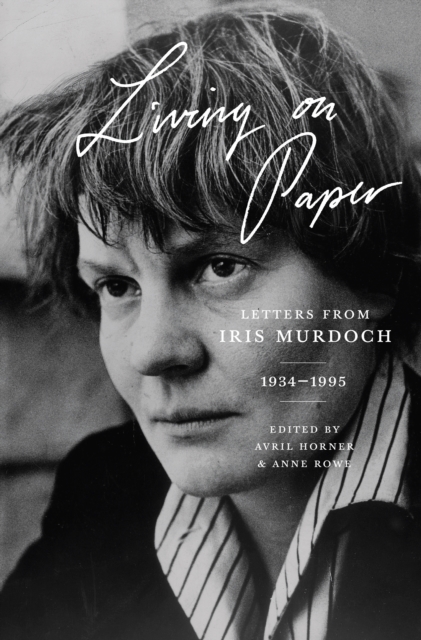
For the first time, novelist Iris Murdoch's life in her own words, from girlhood to her last yearsIris Murdoch was an acclaimed novelist and groundbreaking philosopher whose life reflected her unconventional beliefs and values.
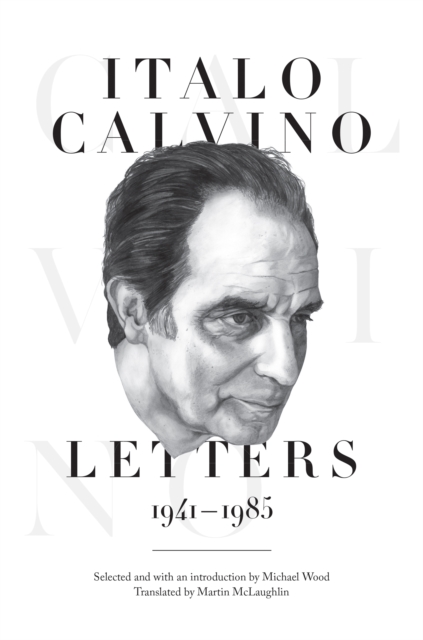
The first collection of letters in English by one of the great writers of the twentieth centuryThis is the first collection in English of the extraordinary letters of one of the great writers of the twentieth century.
The first standard edition of the writings of Felicia Hemans (1793-1835), this volume marks a revival of interest in, and a new critical appreciation of, one of the most important literary figures of the early nineteenth century.
BAYARD RUSTIN POSTHUMOUSLY AWARDED THE 2013 PRESIDENTIAL MEDAL OF FREEDOMA master strategist and tireless activist, Bayard Rustin is best remembered as the organizer of the 1963 March on Washington, one of the largest nonviolent protests ever held in the United States.
As a British Intelligence Officer during World War II, Hugh Trevor-Roper was expressly forbidden from keeping a diary due to the sensitive and confidential nature of his work.
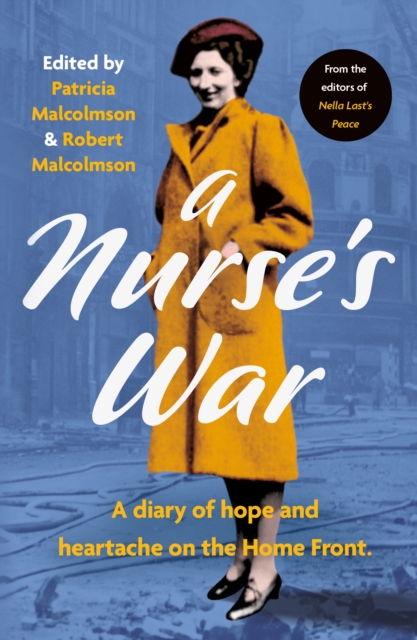
The remarkable wartime diary of nurse Kathleen Johnstone'Warm, chatty and endlessly absorbing, this delightful diary brims with intelligence and humour.
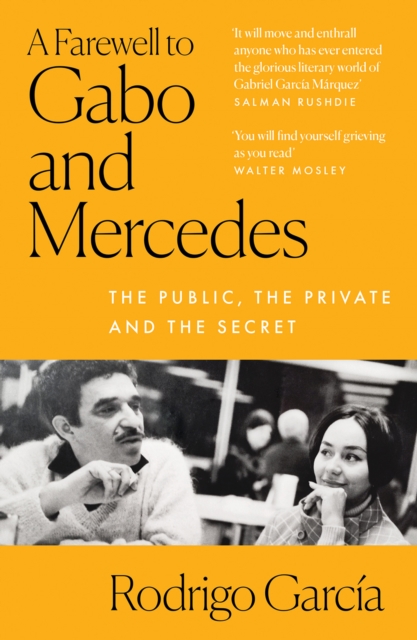
The son of one of the greatest writers of our time-Nobel Prize winner and internationally best-selling icon Gabriel Garcia Marquez-remembers his beloved father and mother in this tender memoir about love and loss.
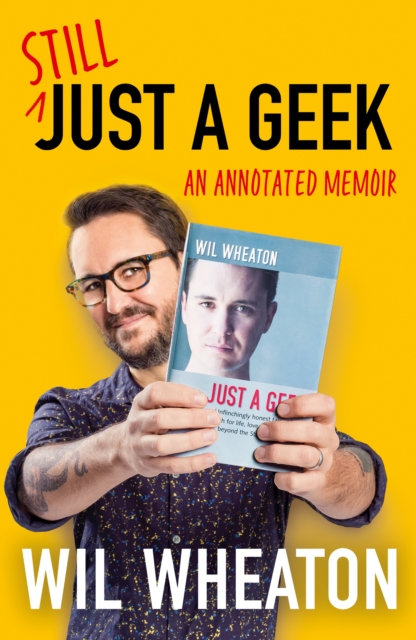
Celebrated actor, personality, and all-around nerd Wil Wheaton updates his memoir of collected blog posts with all new material and annotations as he reexamines one of the most interesting lives in Hollywood and fandom!
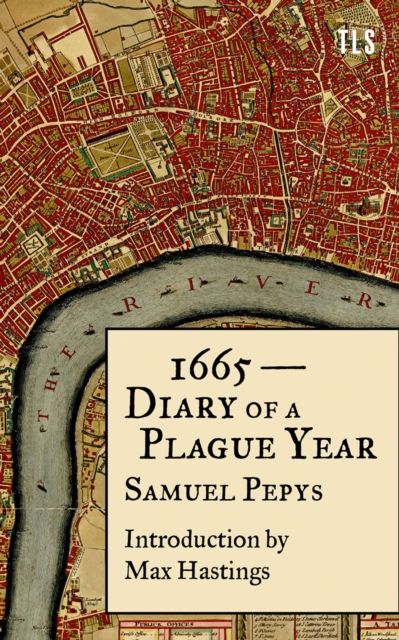
Welcome to London in lockdown - in 1665This timely release of a year in the life of London's greatest diarist comes with an introduction by bestselling author, Max Hastings.
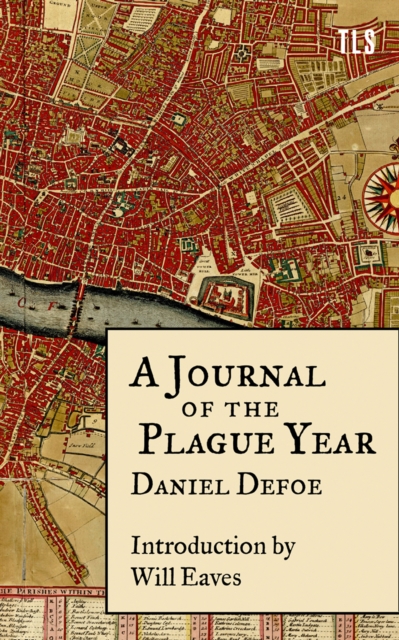
Welcome to London in lockdown - in 1665This timely re-release of Defoe's classic comes with an introduction by Wellcome-Prize-winning author, Will Eaves.
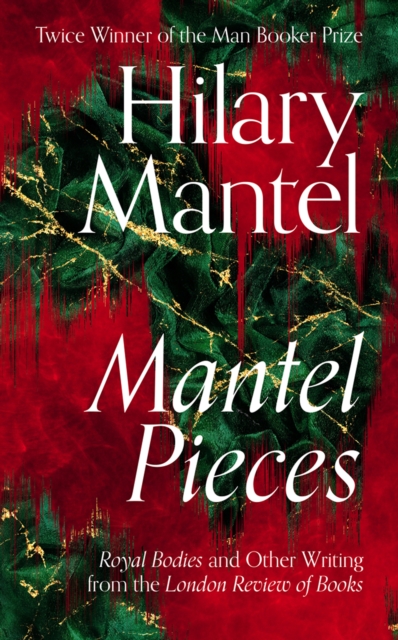
A stunning collection of essays and memoir from twice Booker Prize winner and international bestseller Hilary Mantel, author of The Mirror and the LightIn 1987, when Hilary Mantel was first published in the London Review of Books, she wrote to the editor, Karl Miller, 'I have no critical training whatsoever, so I am forced to be more brisk and breezy than scholarly.
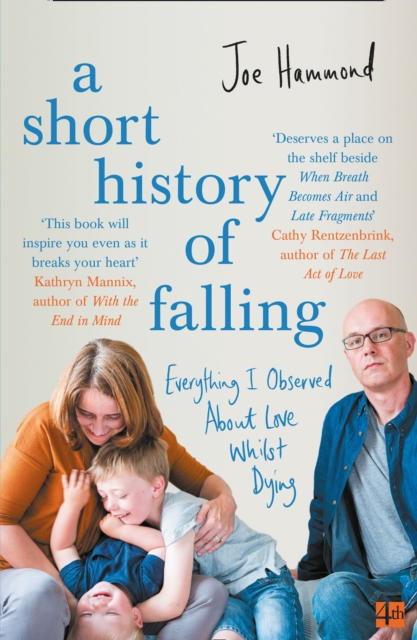
A Short History of Falling - like The Diving Bell and the Butterfly, and When Breath Becomes Air - is a searingly beautiful, profound and unforgettable memoir that finds light and even humour in the darkest of places.
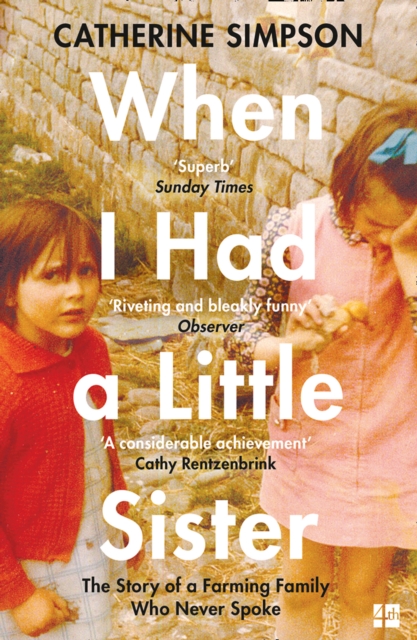
When I had a Little Sister by Catherine Simpson is a searingly honest and heartbreaking account of growing up in a farming family, and of Catherine's search for understanding into what led her younger sister to kill herself at 46.
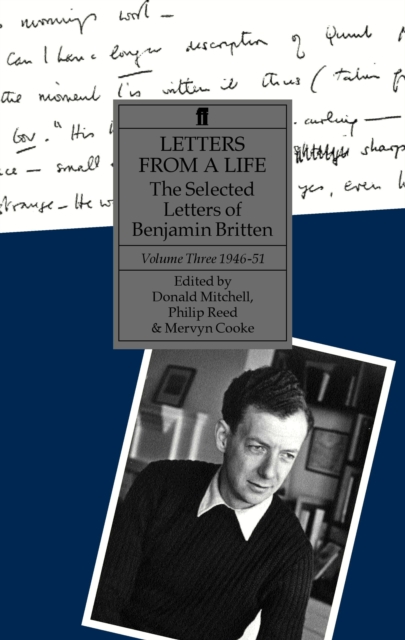
The third volume of the annotated selected letters of composer Benjamin Britten covers the years 1946-51, during which he wrote many of his best-known works, founded and developed the English Opera Group and the Aldeburgh Festival, and toured widely in Europe and the United States as a pianist and conductor.
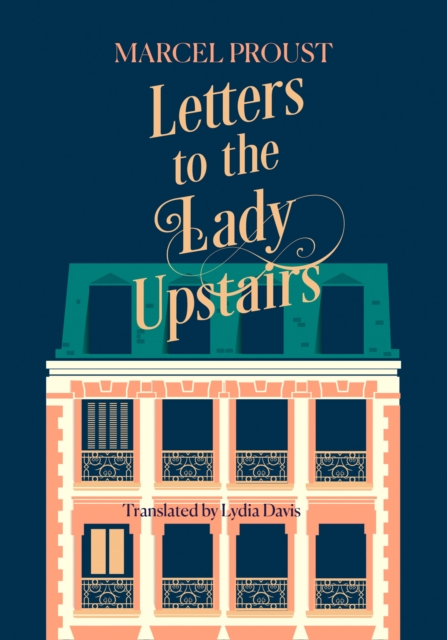
A charming, funny, poignant collection of twenty-three letters from Marcel Proust to his upstairs neighbour102 Boulevard Haussmann, an elegant address in Paris's eighth arrondissement.
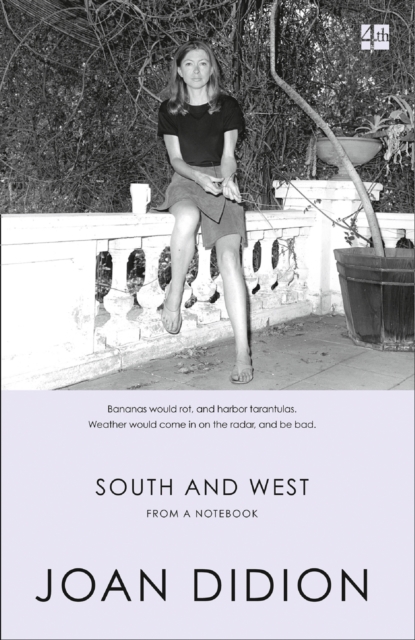
From one of the most important chroniclers of our time, come two extended excerpts from her never-before-seen notebooks-writings that offer an illuminating glimpse into the mind and process of a legendary writer.
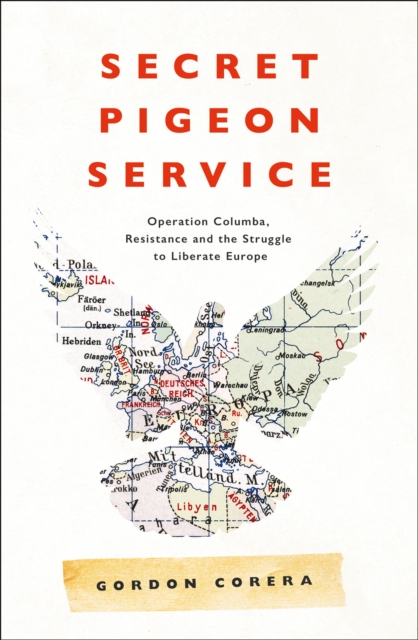
Gordon Corera uses declassified documents and extensive original research to tell the story of MI14(d) and the Secret Pigeon Service for the first time.
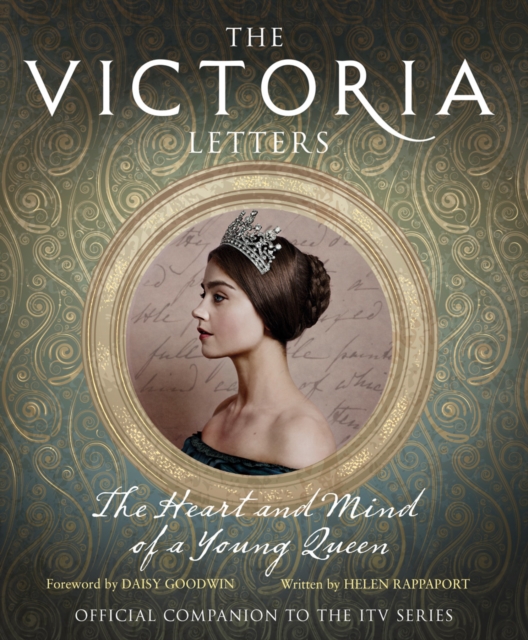
The official companion to ITV's hotly anticipated new drama, The Victoria Letters delves into the private writings of the young Queen Victoria, painting a vivid picture of the personal life of one of England's greatest monarchs.
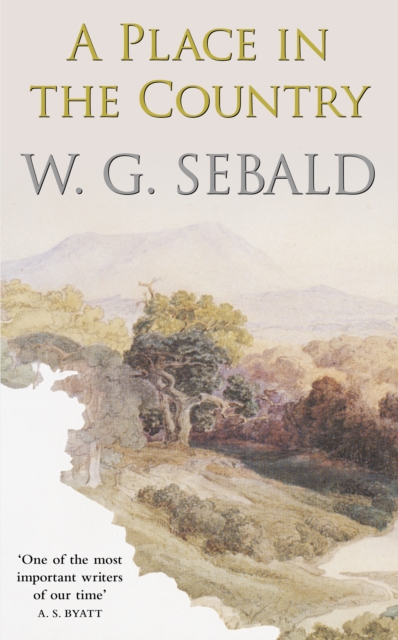
From the author of the critically-acclaimed Austerlitz and Across the Land and Water comes A Place in the Country, the much anticipated translation of one of W.
This illustrated journal uses colour metaphors throughout to represent physiological states and feelings: as such, it is best viewed on devices that can render images in colour.
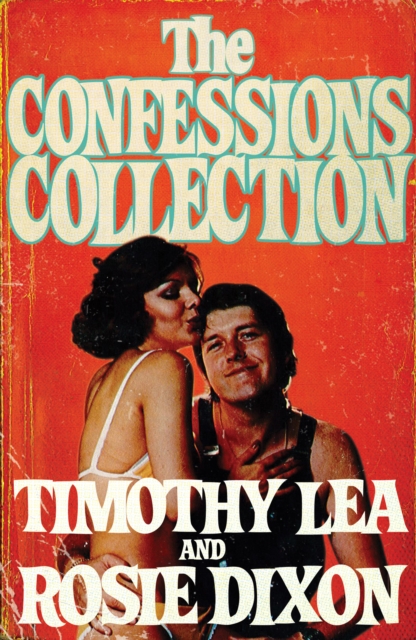
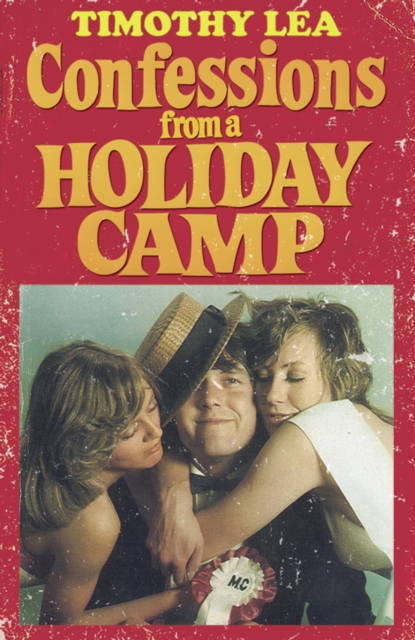
The complete Timothy Lea and Rosie Dixon confessions from the CONFESSIONS series, the brilliant sex comedies from the 70s, available for the first time in eBook.
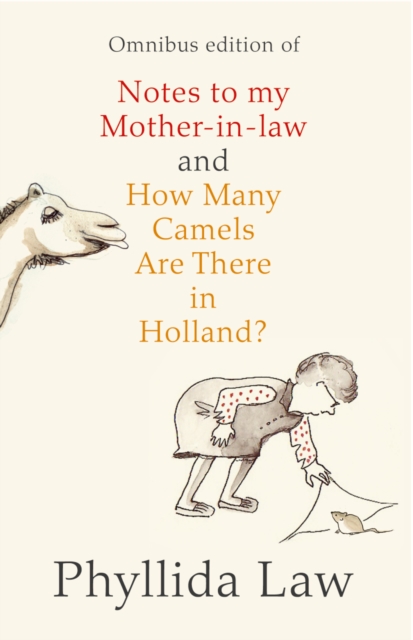
A two-book bundle of national treasure Phyllida Law's charming and funny memoirs of family life and motherhood - 'Notes to my Mother-in-Law' and 'How Many Camels Are There in Holland?
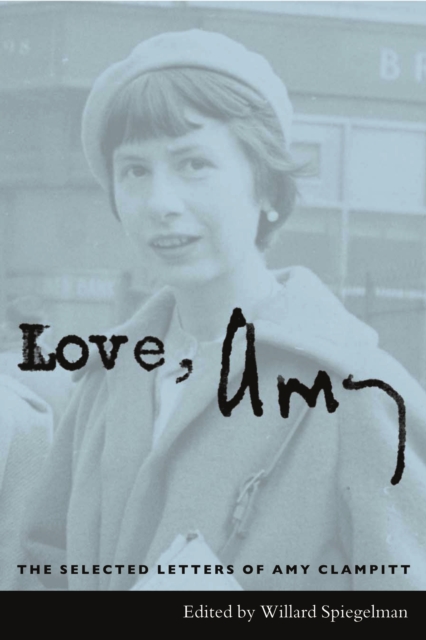
This extraordinary collection of letters sheds light on one of the most important postwar American poets and on a creative woman's life from the 1950s onward.
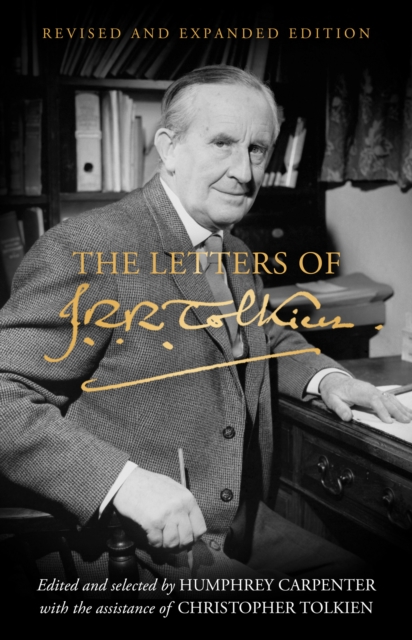
The comprehensive collection of letters spanning the adult life of one of the world's greatest storytellers, now revised and expanded to include more than 150 previously unseen letters, with revealing new insights into The Hobbit, The Lord of the Rings and The Silmarillion.
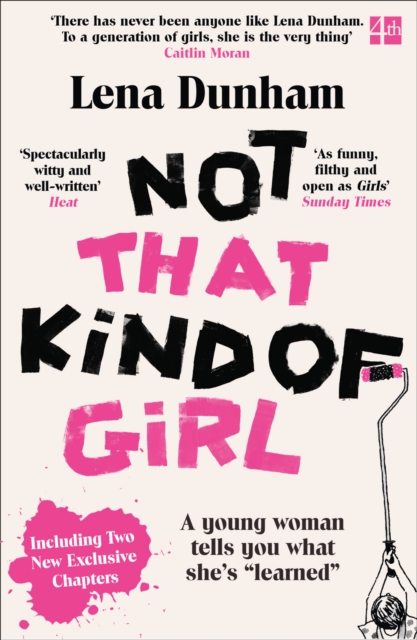
Lena Dunham, acclaimed writer-director-star of HBO and Sky Atlantic's 'Girls' and the award-winning movie 'Tiny Furniture', displays her unique powers of observation, wisdom and humour in this exceptional collection of essays.