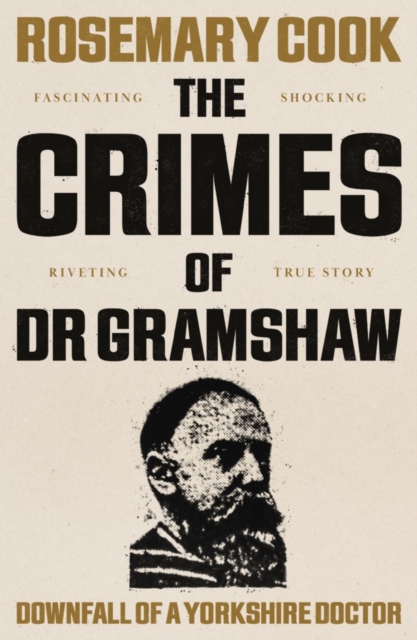
Dr Gramshaw was a successful family doctor in Yorkshire for thirty-five years, until his final desperate actions brought his professional and personal life crashing down around him.
Bloody, violent, and sometimes spectacularly stage-managed, assassinations have become shocking landmarks in modern history, distinguished by their careful planning and cold-hearted detachment.
Shortlisted for the True Crime Awards 2023 Best New True Crime Author The murder of Sarah Payne, Adam the Thames Torso, the London bombings, the Night Stalker and the poisoning of Alexander Litvinenko.
The incredible crimes of Britain's most notorious schoolboy serial killer, Graham Young, as told by the bestselling and much-respected true crime author of The Murders at White House Farm.
In his latest book, bestselling author Cass Pennant takes an engaging and unparalleled look at some of the most volatile and violent scenes of fans following their football clubs to have unfolded over the past five decades, and examines the lengths to which many will go to put one over their local rivals.
First published in 1961, writing Chronicles of San Quentin was first suggested to Kenneth Lamott during a spell as a teacher at that California prison in the 1950's.
In September 1560, Amy Robsart, wife of Queen Elizabeth I's favourite, Robert Dudley, was found dead at the bottom of a flight of stairs, at the age of twenty-eight.
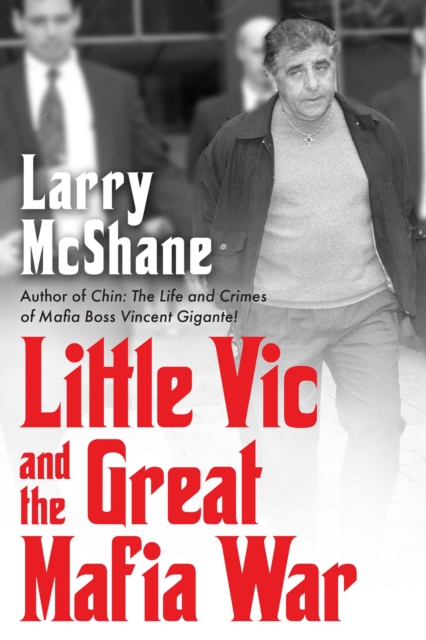
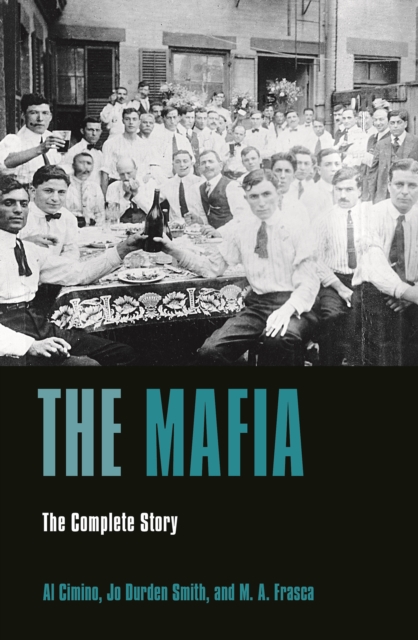
From award-winningNew York Daily Newsreporter Larry McShane, the gritty, bloody, first definite biography of one of the Mafias deadliest contenders for boss, Little Vic Orena, who battled it out in the streets with Carmine The Snake Persico for control of the Colombo Family and triggered the bloodiest Mafia war of our times .
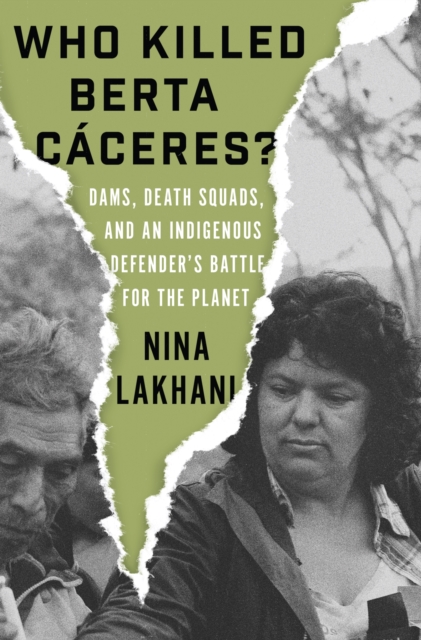
The very first time Honduran environmental activist Berta Caceres met the writer Nina Lakhani, Caceres said, "e;The army has an assassination list with my name at the top.
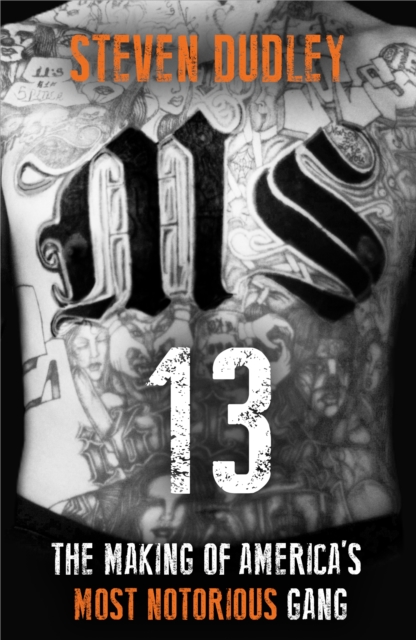
THE DEFINITIVE ACCOUNT OF THE MOST INFAMOUS STREET GANG IN AMERICAIn the 1980s, El Salvador was involved in a bloody fight for control of the government.
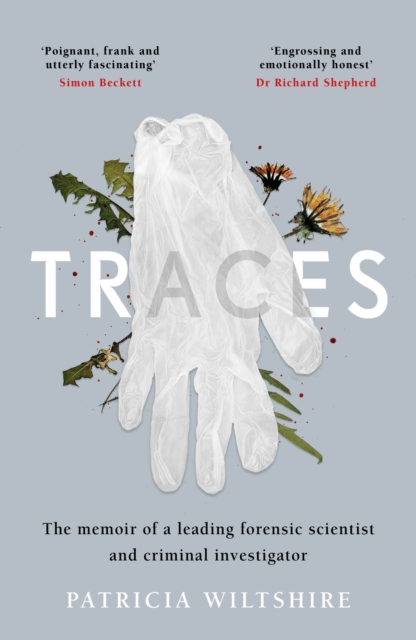
'Engrossing, emotionally honest and forensically fascinating' - Dr Richard Shepherd, author of Unnatural CausesIn Traces, Professor Patricia Wiltshire will take you on a journey through the fascinating edgeland where nature and crime are intertwined.