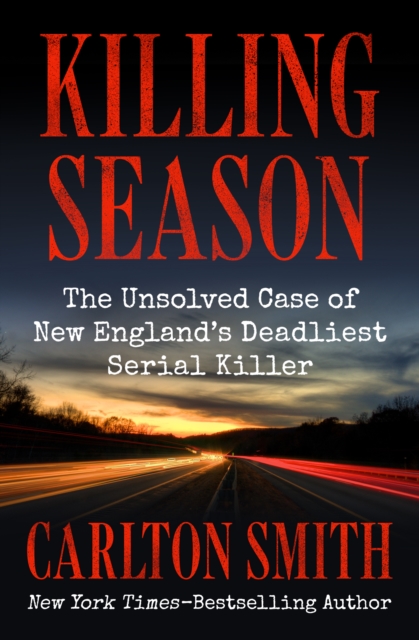
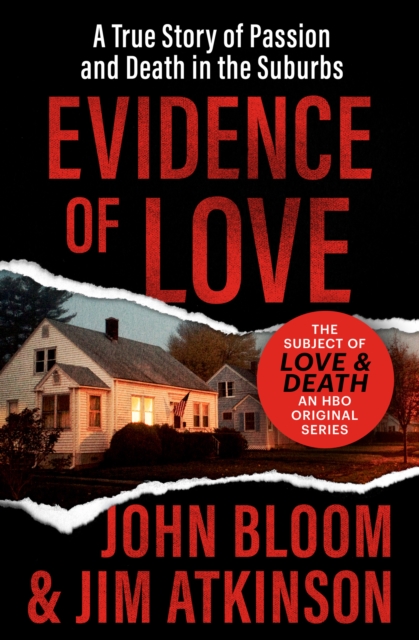
The true crime story of the search for a latter-day Jack the Ripper stalking New England in the 1970s and '80s-from a New York Times-bestselling author.
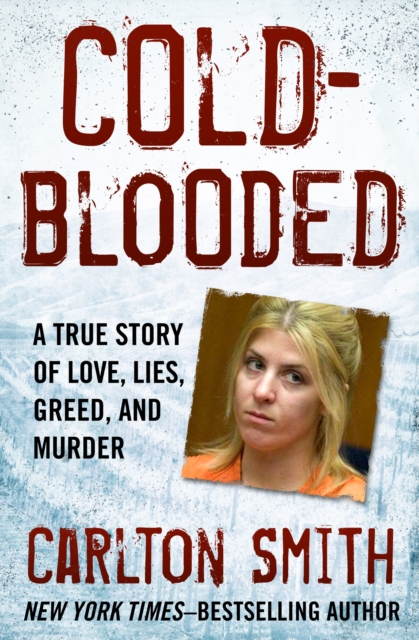
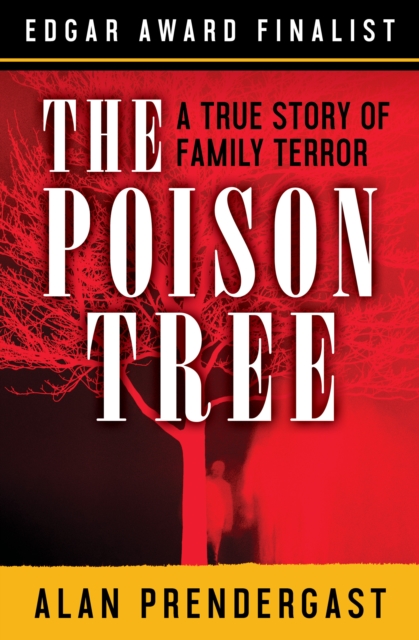
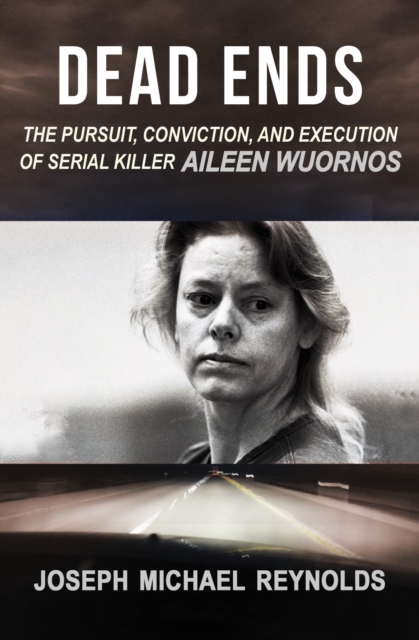
New York Times Bestseller: The "e;astonishing"e; true crime story of a notorious black widow who preyed on her husband and daughter and faked her own death (The Washington Post Book World).
A New York Times-bestselling journalist traces a string of unsolved murders-and the botched investigation that let the New Bedford Highway Killer walk away.
From the bestselling author of The Search for the Green River Killer: The account of the family tragedy that became one of California's most shocking murder cases.
From a New York Times-bestselling journalist: The story of the murder of a California attorney at the hands of the lethally cunning wife he never doubted.
A mother's search for the son she gave up uncovers terrifying secrets in a Minnesota town in this "e;masterfully depicted true-crime tale"e; (Publishers Weekly).
Edgar Award Finalist: This "e;sensational"e; and "e;absolutely compelling"e; true crime tale finally answers the question: Who really killed the Lindbergh baby?
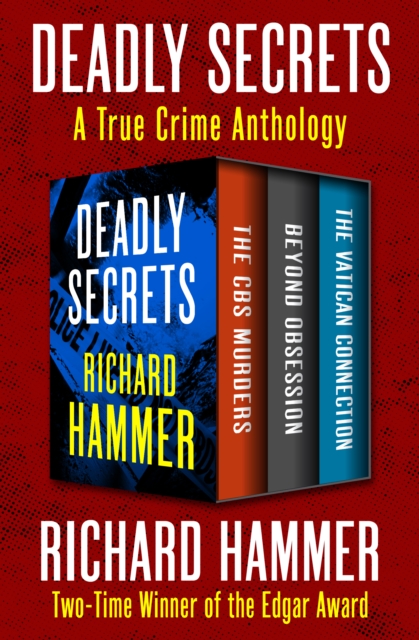
Three shocking tales of violence, intrigue, and the search for truth from a two-time Edgar Award finalist and Ann Rule's "e;favorite true-crime writer.
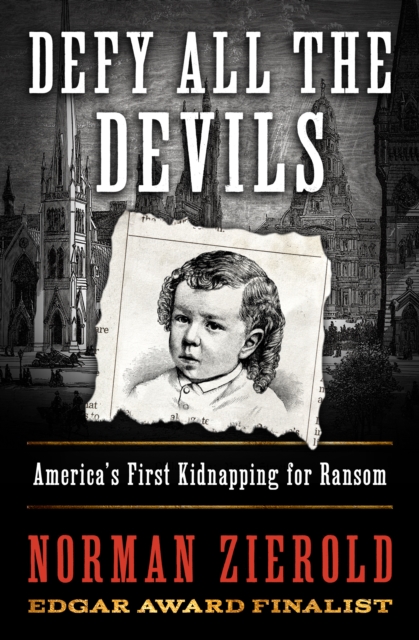
The "e;fascinating, hair-raising, suspenseful"e; account of a little boy abducted in broad daylight and the desperate manhunt to find him (The New York Times Book Review).
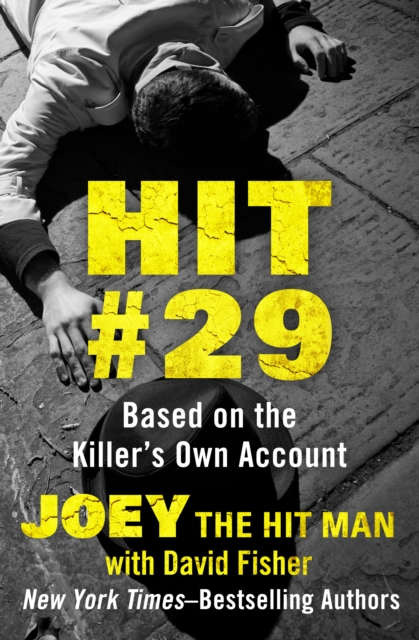
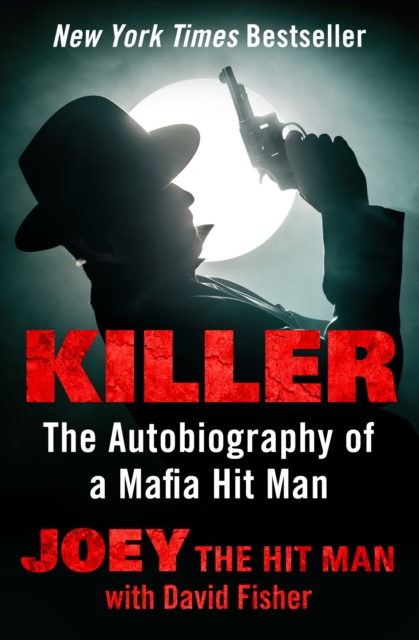
New York Times Bestseller: This groundbreaking tell-all by a mob hit man is "e;chilling and compelling-a must-read"e; (Former FBI agent Joe Pistone, aka Donnie Brasco).
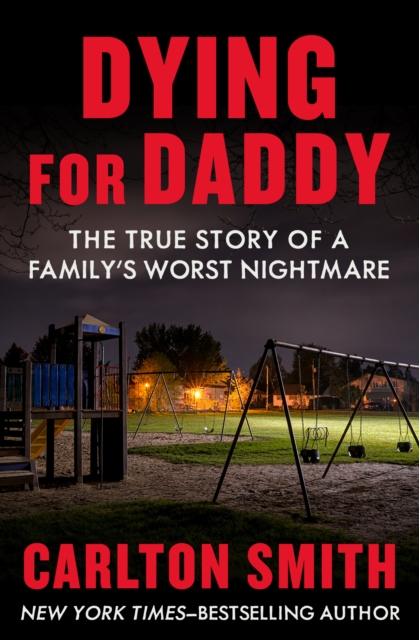
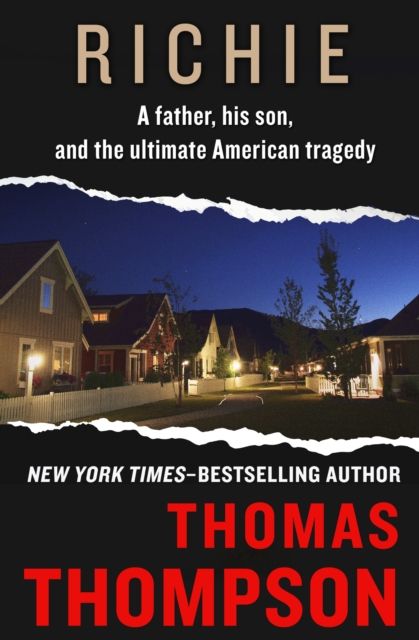
The "e;powerful and moving"e; true story of a Long Island family torn apart by drugs, violence, and the unbridgeable divide between generations (Kirkus Reviews).
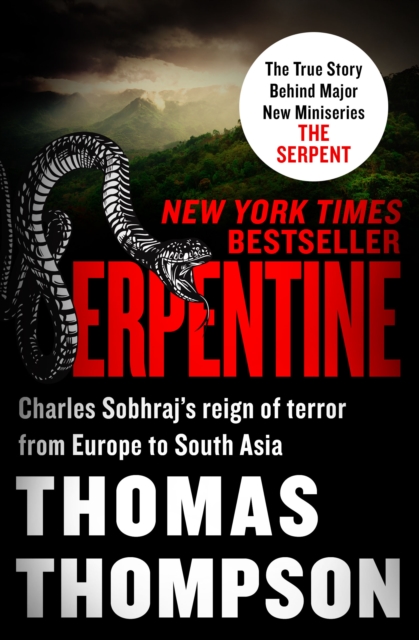
New York Times Bestseller: This in-depth account of Charles Sobhraj, the serial killer portrayed in Netflix miniseries The Serpent, is "e;compulsive reading"e; (The Plain Dealer).
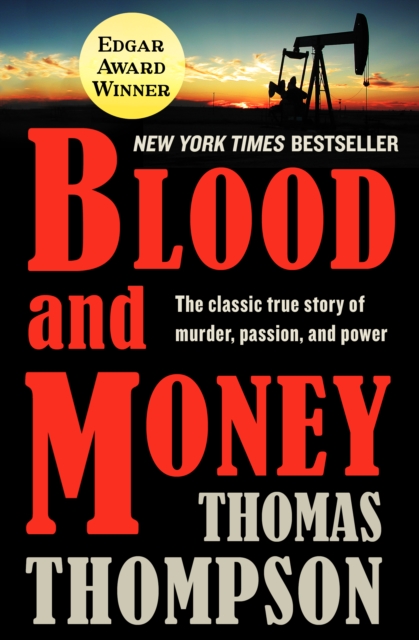
New York Times Bestseller: The "e;gripping"e; true story of a beautiful Texas socialite, her ambitious husband, and a string of mysterious deaths (Los Angeles Times).
The "e;fascinating"e; true story behind the HBO Max and Hulu series about Texas housewife Candy Montgomery and the bizarre murder that shocked a community (Los Angeles Times Book Review).
The first comprehensive biography of Sharon Tate: Hollywood star, wife of Roman Polanski, victim of Charles Manson, and symbol of the death of the 1960s.
The horrific true story of serial kidnapper, rapist, and killer Robert Hansen's reign of terrorAs oil-boom money poured into Anchorage, Alaska the city quickly became a prime destination for the seedier elements of society: prostitutes, pimps, con men, and criminals of all breeds looking to cash in.
The basis for the Meryl Streep film A Cry in the Dark: The dramatic true story of a mother's worst nightmare and the murder trial that shocked Australia.
Edgar Award Finalist: The "e;exciting"e; true story of the abduction of biathlete Kari Swenson and the five-month manhunt to bring her tormentors to justice (The New York Times Book Review).
The definitive account of one of Britain's most notorious killer couples, who loved, tortured, and slayed together as husband and wife-from the Senior Producer of Fred and Rose West: A British Horror Story, now on Netflix.
The twelve-year rampage of "e;Missoula Mauler"e; Wayne Nance-and the shocking end to his murder spreeTo his neighbors, Wayne Nance, a furniture mover from Missoula, Montana, appeared to be an affable, considerate, and trustworthy guy.
This fascinating account of how two young Americans turned traitor during the Cold War is an “absolutely smashing real-life spy story” (The New York Times Book Review).
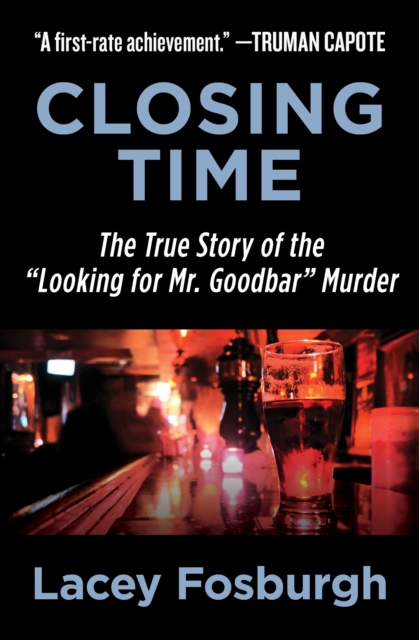
The real story behind the murder of a Manhattan schoolteacher that became a symbol of the dangers of casual sex: "e;A first-rate achievement"e; (Truman Capote).